A Guide for New & Expectant Parents
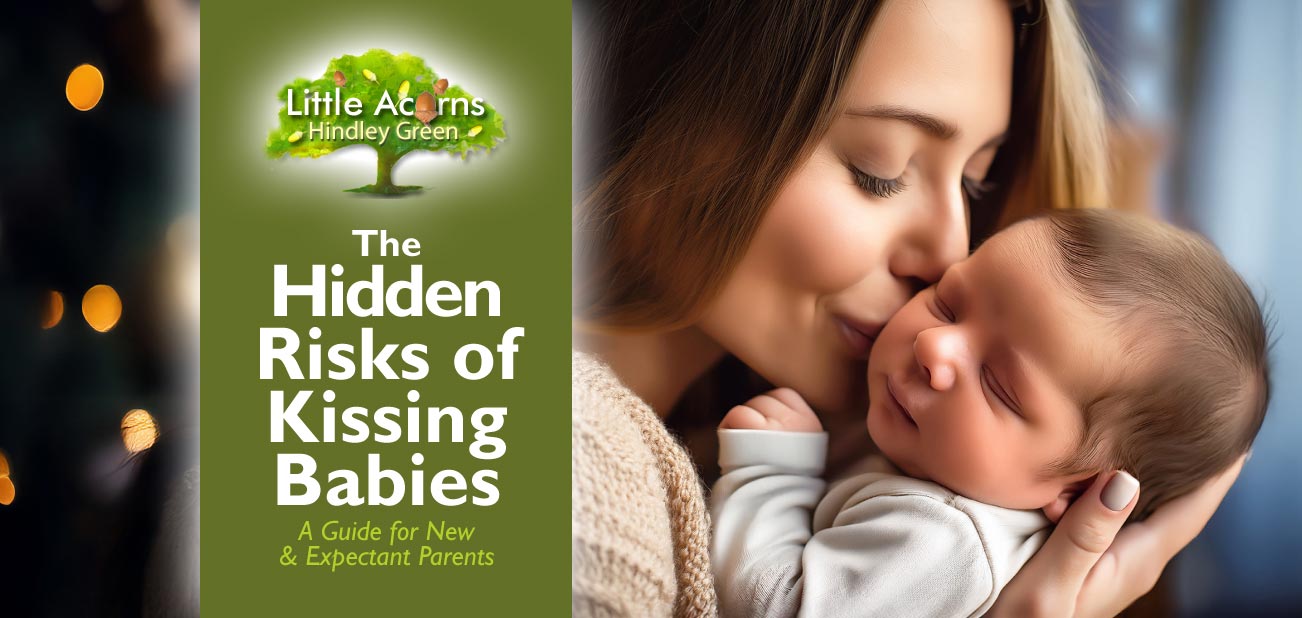
The arrival of a newborn baby often brings an outpouring of affection from friends and family. Cuddles, close contact and kisses are instinctive ways people express love. However, during the first weeks and months of life, these well-meaning gestures can sometimes pose genuine health risks.
Newborn babies have immature immune systems, making them particularly vulnerable to infections that are harmless to adults but potentially serious — and, in rare cases, life-threatening — for infants. Today’s article explains why kissing newborns can be risky, the science behind their vulnerability, and how parents can confidently encourage safer behaviour without damaging important relationships.
Why Newborns Are More Vulnerable to Infection
An Immature Immune System in the First Months of Life
At birth, a baby’s immune system is still learning how to respond effectively to bacteria and viruses. While babies receive some antibodies from their mother during pregnancy, these offer only partial and temporary protection.
In the first few months of life, infants produce fewer infection-fighting antibodies and have limited immune “memory”. This means that viruses and bacteria that cause mild symptoms in adults can potentially lead to serious illness in newborns, including blood infections (sepsis), meningitis, encephalitis (brain inflammation), and breathing difficulties. Infections can spread rapidly. The NHS therefore advises that young babies are at higher risk of complications from infections — even more so if they were born prematurely — and should be protected from unnecessary exposure wherever possible.
The Developing Blood-Brain Barrier in Infants
One lesser-known but important factor is the blood-brain barrier. This barrier acts as a protective filter between the bloodstream and the brain, helping prevent harmful substances and microbes from reaching the central nervous system.
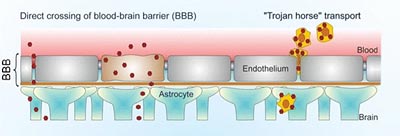
In newborn babies, the blood-brain barrier is not yet fully mature, particularly during the first few months of life. As a result, certain viruses and bacteria are more able to cross into the brain. Infections can escalate more quickly, and therefore potentially devastating neurological complications are more likely than in older children. This is one reason why infections in newborns are taken so seriously by healthcare professionals and often require urgent investigation.
How Infections Can Be Passed to Babies Through Kissing
Why Saliva and Close Contact Increase Risk
Kissing — especially on the face, lips or head — brings an adult’s saliva and skin into close contact with a baby’s mouth, nose and eyes. This can transmit microbes even when the person feels completely well.
Commonly transmitted infections include cold and flu viruses, Respiratory Syncytial Virus (RSV), and bacterial infections carried by adults. In many cases, adults have no idea they are even carrying these microbes.
“54% of new and expectant parents would let friends and family kiss their newborn baby, unaware of the risk of serious infection.” — The Lullaby Trust
Neonatal Herpes and Kissing Newborns
What Is Neonatal Herpes?
One of the most serious infections associated with kissing newborns is neonatal herpes, caused by the herpes simplex virus (HSV).
HSV-1 vs. HSV-2: What Parents Should Know
HSV-1 is commonly associated with cold sores around the mouth, while HSV-2 is more often linked to genital herpes. Both types can cause neonatal herpes if transmitted to a baby through direct contact with infected saliva or skin, especially when cold sore blisters are evident. Importantly, though, in some circumstances, transmission can occur even when no visible cold sore is evident.
In newborns, HSV can spread rapidly and may affect the skin, eyes, mouth, organs or central nervous system. Early symptoms can be subtle, which is why prevention is so important. Avoiding kisses is therefore a simple and sensible temporary precaution.
“Despite the risk, 63% of new and expectant parents would feel uneasy asking visitors not to touch their baby, worried that they’d offend someone, hurt their feelings, or be labelled an overprotective parent.”
— The Lullaby Trust (∞)
How Parents Can Reduce the Risk of Infection
The T.H.A.N.K.S. Approach (Think Hands And No KisseS)
The Lullaby Trust promotes a simple, memorable message to help reduce infection risk in newborns:
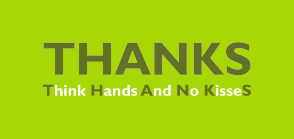
This encourages people to think carefully about infection risks, wash their hands before touching the baby, and avoid kisses, especially in the early weeks.
Hand Hygiene and Visitor Safety
Hand washing also remains one of the most effective ways to reduce infection transmission. Anyone handling a newborn should wash their hands thoroughly with soap and water, especially after travelling, coughing, or touching shared surfaces.
Why Unwell Visitors Should Stay Away
Visitors who are unwell — even mildly — should avoid close contact with newborns. This includes cold sores, coughs, stomach bugs or flu-like symptoms. Parents should explain and be confident about delaying visits until everyone is healthy.
How to Ask Friends & Family Not to Kiss Your Baby
Asking friends or relatives not to kiss your baby can feel uncomfortable, particularly with older generations. However, most people respond positively when the reason is explained calmly and clearly.
Simple phrases like “We’re being extra careful in these early weeks while the baby’s immune system is still developing” or “We’re following medical advice to avoid kisses for now, because newborns are at heightened risk” can help set boundaries without causing offence.
It’s worth remembering that protecting your baby’s health is not over-protective — it is responsible parenting. There is therefore no need to feel bad about it.
Protecting Babies in Their Earliest Weeks
So, to sum up, kissing a newborn may be a natural expression of love, but during the earliest months of life, it can carry risks that many people are unaware of. Because babies have immature immune systems and incomplete protective barriers, preventing unnecessary exposure to infections is a sensible precaution.
With clear communication, good hygiene, and approaches like T.H.A.N.K.S., parents can protect their baby’s health while still allowing friends and family to bond safely. Such an approach will give their child the healthiest possible start — and could even save their life.
Little Acorns Nursery, Hindley Green, Wigan
Little Acorns is a nursery in Hindley Green, near Wigan, and may also suit those living nearby, for example, in Bolton, Ince-in-Makerfield, Platt Bridge, Westhoughton, Atherton, Leigh, Bickershaw, and Tyldesley. We offer high-quality weekday childcare for babies and children under five and support free childcare hours for eligible families. Follow the bold links for more information, or begin your application for a childcare place or free nursery tour using the buttons below. We look forward to meeting you!
When to Seek Medical Advice for a Newborn
If a newborn shows signs such as poor feeding, lethargy, fever, unusual crying, breathing difficulties or a rash, parents should seek medical advice promptly via their GP, NHS 111, or emergency services if there are serious concerns. And parents: trust your gut feelings — you know your child best!
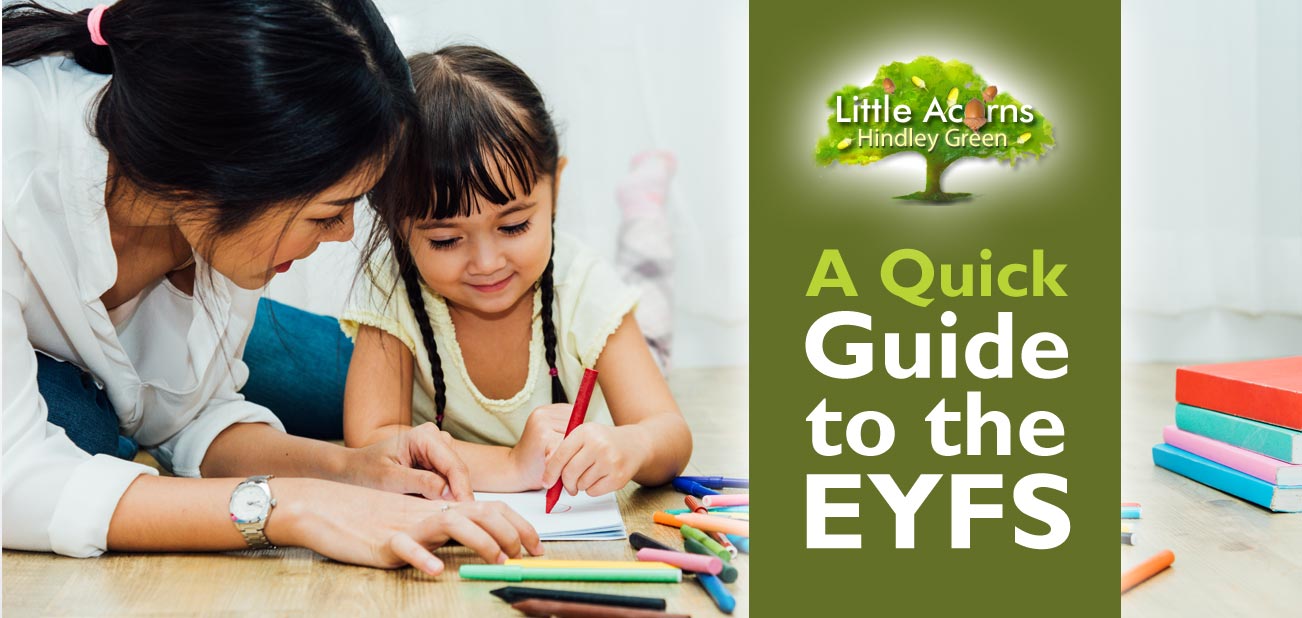
 Parents* of under-fives may have heard nurseries, pre-schools, childcare professionals and other parents referring to “the EYFS”. However, what is it, and how does it affect your children? Well,
  For early years practitioners in England, following the EYFS framework is not optional. It is actually enshrined in law in England, via Section 39 of the Childcare Act 2006, so is an important and binding entity. (Other parts of the UK have similar equivalents).
 Ensuring high levels of safeguarding, welfare and happiness for every child at an early years setting;
 Communication and Language;
 As they work towards their individual goals, assessments will be made, for each child, on a continuous basis. By assessing the children, the learning and development programme and the goals themselves can be tailored and fine-tuned along the way, as required. This will optimise each child’s progress and achievements.
 Ensure those who have access to children are suitable, safe, pre-vetted people;

