
If Your Child is 3 or Has Just Turned 4, This is For You

If your child has reached the age of 3 or has just turned 4, it’s time to apply for their primary school place. While children are within this age range, applications must be made between the start of September and mid-January if you want them to start school the following September. If you miss the deadline, your child’s application effectively goes to the back of the processing queue. That could adversely affect which school your child is offered, particularly where popular schools are oversubscribed. So, timing is important if you want your child to have the best chance of receiving an offer for your preferred choice. With all this in mind, today’s Guide to Primary School Applications outlines the key dates and guidelines for making a successful school application for your child.
Compulsory School Age
In the UK, children reach the statutory age for starting school, known as Compulsory School Age, on 31st of December, March, or August following their fifth birthday (whichever comes first). That means that, according to UK law, they must start full-time education no later than the beginning of the school term following their fifth birthday. That said, in practice most families opt to start their children earlier, while they’re still four.
* Starting Primary School at 4 vs. 5
 Most children in England start school in Reception Class, usually in the September term, when they’re still only 4. That’s up to a year before they have officially reached Compulsory School Age. This allows them to start their school education earlier than the law requires so that, by the time they begin Year One at school, they can confidently hit the ground running. Starting in Reception at the age of four sets them up for success in so many ways, including academically, socially, emotionally and more. Beginning earlier also empowers them with a wider skill set, with a greater level of confidence and independence, an existing cohort of friends, a better grasp of what Year One will have in store for them, and so on. And, of course, by enrolling at school from Reception Year, they will complete the final EYFS modules that will be so important to their success from Year One onwards.
However, families with ‘Summer-Born’ four-year-olds (born from April to August inclusive) may feel they’re too young for ‘big’ school at the age of four. Such children would be the youngest in the year if starting in Reception at four. It may be similar for parents whose children are affected by developmental delays, medical conditions, or other limiting factors that adversely affect school readiness. In light of such scenarios, some parents may consider delaying their child’s school start until they’re five years old — the statutory age.
Several options are potentially available for such children if postponing the school start:
- Parents can ask to defer their four-year-old’s start to a term other than September if they wish, for example, beginning in the January or April term if they think their child would be more school-ready by that time.
- They can also ask the school if it’s possible to agree part-time rather than full-time attendance while the child remains below Compulsory School Age.
- Or they can elect to delay their child’s school start until the child reaches Compulsory School Age (5).
What Happens if They Delay the Child’s School Start?
If electing to delay by a full academic year, parents of such children would need to make a request to their local school’s admission authority. It is worth noting, however, that it would not be up to the parents which year children go into if delaying until the age of five. Although the parent would be able to request which year their 5-year-old goes into (i.e. Reception or Year 1) the final decision would be that of the school’s admission authority. It would be based upon what was deemed to be in the child’s best interests, given their abilities and individual needs at that time. It is also worth noting that, if skipping Reception year, a child would miss out on the part of the EYFS curriculum usually covered in that year, key elements of which are phonics and arithmetic. Such a facet is likely to be factored in by school admission authorities when making their decision.
Need Advice About Timing of Your Child’s School Start?
If you need advice or a second opinion about the timing of your child’s school start, speak to the school you have in mind and to your early years provider.
If your child is at Little Acorns Nursery in Hindley Green, we’d be happy to discuss the options with you. And rest assured, whatever the decision, we’ll always do everything possible to help your child be as school-ready as possible by the time they leave us.
Parents whose children have special educational needs and disabilities (SEND) can also get advice from the “SENCo” — a specially-trained Special Educational Needs Coordinator. Both childcare nurseries and schools in England will each have their own SENCo.
Some parents may also benefit from advice from other professionals where appropriate, for example, speech therapists and health visitors.
Key Dates for Primary School Applications
The majority of people should apply for their child’s school place between 1 September and 15 January when the child is 3 years old, or has recently turned 4. That deadline is the same whether families want the child to start school at the age of four or five*.
There are a few exceptions, for example, if you are moving house and need to change schools mid-year. However, for the sake of clarity, this guide focuses on the more standard timing and circumstances that apply to the majority of families.
How to Apply for Your Child’s Primary School Place
You can register an interest directly with your primary school of choice. However, registering an interest does not guarantee your child a place even if the school is attached to the nursery/preschool your child already attends. Ultimately, you usually need to make the formal application through your local authority, which is usually best achieved online, as outlined below.
To start an application for primary school for your child, go to this Gov.uk address, enter your postcode, and click the green ‘Find’ button. The site will then match you with your local authority. For example, for those near our nursery in Hindley Green near Wigan, you are taken to Wigan Metropolitan Borough Council’s ‘Primary School Admissions’ page. This, as with other areas, has lots of information about applying for a primary school place together with all the appropriate hyperlinks for applications, appeals, further information, and such like.
As part of your application, you will have the opportunity to confirm, in order, your most preferred primary schools. Subject to there being available spaces, the order of your preferences will be taken into consideration when places are allocated. However, other factors outlined later in this guide are also likely to affect your child’s offer.
Applying Late
If you miss the 15th of January deadline for standard primary school places starting in the September term, the local authority’s site will give you access to a ‘late application form’. Note, however, that applying after 15th of January means your application will be processed after those received on time. This is likely to reduce the chances of achieving an offer for a place at your preferred school.
Changing Your Mind
If you change your mind about your school choice(s), your local authority website will also give you options and guidance. You may be required to use a late application form which, if used after the 15th of January, may also give you a lower chance of receiving an offer for your child’s preferred school.
Tips for Securing a Place at Your Preferred Primary School
There are several criteria that, if applicable to your child’s application, are likely to give them the best chance of securing an offer for your preferred school. These include:
- Filling out the application form correctly, in full, and submitting on time;
- Living near your preferred school;
- A sibling of your child already attending the school;
- Having worked at the school for 2 or more years;
- Matching the religion of the school if it’s a faith school;
- The child being eligible for the Pupil Premium (or Service Pupil Premium);
- And, of course, the chosen school not being over-subscribed.
Receiving Your Offer
on Primary School Offers Day
Families of pre-schoolers who applied for a primary school place on time between September and mid-January will find out which primary school their child has been offered around mid-April. Specifically, ‘National Offers Day for Primary School Places’ is usually 16 April each year. However, if that falls on a weekend or bank holiday, the ‘offers’ date for that particular year moves to the next working day.
Learn more about what to expect on Primary School Offers Day here. Our stand-alone guide explains the criteria used by school admissions authorities for offers, what happens if you are late with your application, what to do if you do not receive an offer for the school you had hoped for, and much more.
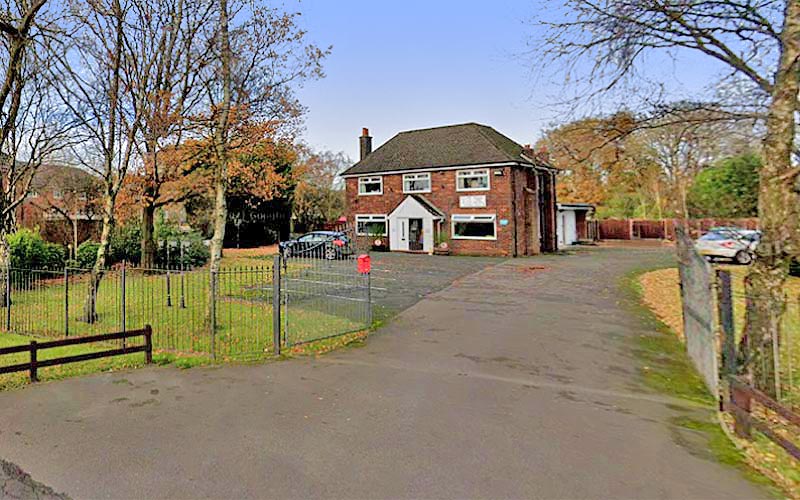
Little Acorns Nursery, Hindley Green
Getting Wigan Children Under Five School-Ready
 If your child is at Little Acorns Nursery in Hindley Green, we’d be happy to discuss primary school options with you. And rest assured, whatever the decision, we’ll always do everything possible to help your child become as school-ready as possible by the time they leave us. Also check out our excellent guide and tips for transitioning your child to Reception Class here.
Little Acorns provides almost year-round weekday childcare from 7:30 am to 6:00 pm, representing a highly convenient childcare service for working families. What’s more, we support free childcare hours for eligible children and will be starting Forest School sessions in the near future.
To explore the possibility of sending your baby, toddler, or pre-schooler to Little Acorns Nursery in Hindley Green, please choose an option below:
Our Hindley Green childcare nursery and preschool may suit local families in Hindley Green itself as well as those living in Wigan, Bolton, Bickershaw, Leigh, Atherton, Westhoughton, Ince-in-Makerfield, Platt Bridge, Tyldesley, or Greater Manchester.



 Families, set your diaries for the wildlife event of the year, which happens this January from Friday the 24th to Sunday the 26th inclusive. It’s free, takes just one hour, and allows children and adults to be part of the world’s biggest garden wildlife survey. During the event, families and individuals across the nation simply count the birds they spot in the garden, park, local green space, or even balcony over the course of 60 minutes. The results of hundreds of thousands of these surveys are compiled by the Royal Society for the Protection of Birds (RSPB) to build a picture of the health of the nation’s bird populations. It’s important scientific and ecological work and children can become citizen scientists if they simply take part. Learn more about the Big Garden Birdwatch and how to take part in today’s guide for families with children.
 Children will love being involved in this important nature-based activity. They’ll not only play their part in helping birds and nature, but they’ll also have fun and learn something along the way. They will discover some of the many wonderful feathered visitors who live in their neighbourhood and learn about some of the important issues affecting the natural world. They’ll begin to grasp the impact of humans on Britain’s flora and fauna and learn the importance of conservation and looking after the natural world around them. Through this endeavour, they’ll learn how they can make a positive difference. They will also become little citizen scientists! It’s fun, educational, and will give them a wonderful sense of achievement too. It may even change their outlook over the long term and help them think about their own impact on the planet, which is a wonderful outcome. And last but not least,
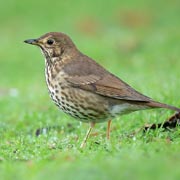 Once the chosen time and date arrive, all you/your children need to do is monitor birds landing on your chosen patch. Count those that actually land rather than any flying otherwise there’s a danger that one bird could be counted multiple times. What you need to record for the survey, though, is the largest number of each bird species that have landed at any one time during the hour. So, for example, if you spot two blackbirds that have landed at the same time in the first half hour, but later in the hour you can see 4 that have landed at the same time, then you need to record “4” for blackbirds.
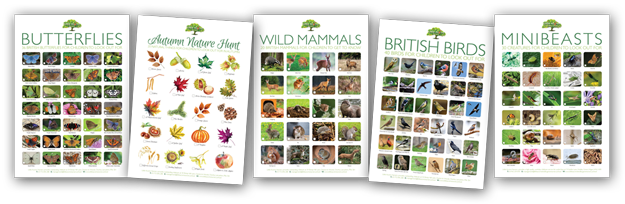
 If you/your child enjoyed this activity, also check out our own free nature guides for little ones. We have
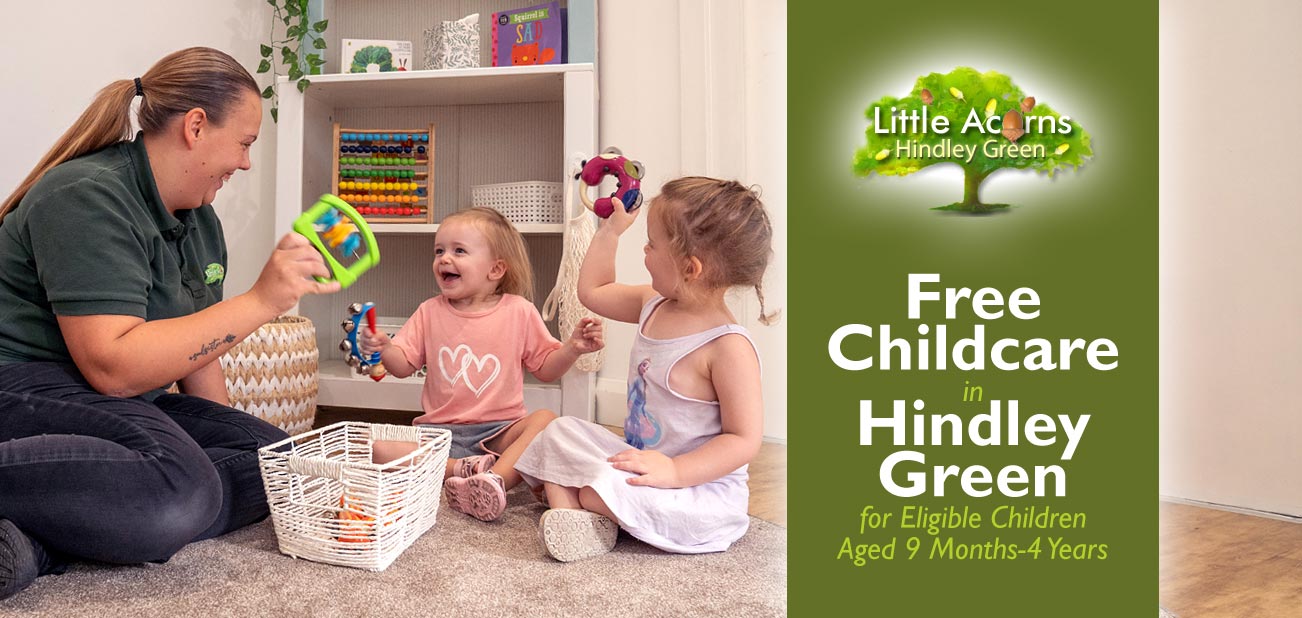
 Since September 2024, the number of free childcare hours available for eligible children aged 9 months to 2 years (inclusive) is 570 per year. This is usually taken as 15 hours per week over 38 term-time weeks of the year*. In further good news, the allocation is set to double to 1140 hours per year from September 2025, thereby aligning with what eligible 3 and 4-year-olds are already entitled to (see below).
 Meanwhile, a total of 1140 hours of free childcare is currently available for eligible children aged 3 and 4 each year. This is usually taken as 30 hours per week over 38 term-time weeks of the year*.




 Draw up a short list of possible settings for your child, having first whittled down the choices by
  If your child already has a friend or neighbour of a similar age who will also attend your chosen nursery, it can be very useful. Both children will then have a friendly face to play with from Day 1. If not, it should be easy enough to ask around to find out about other local children who will start at the nursery when your child does. Arranging play dates for them in the weeks running up to the start date will help each child familiarise themselves with one another, so they each have a friend or two at the nursery right from the start. It’s a great way of settling them in.
 Aside from the initial guided tours undertaken, we schedule 2 formal settling-in visits for children once a place has been offered. These hour-long settling-in sessions usually occur in the week before children are due to start at the nursery formally. They are both free of charge. Here’s how they are approached:
 Reassuring your child will also help them settle into nursery – so communication is key. This is true both before they start and once they attend, particularly at the beginning. Before starting, it’s important to ensure they know that changes will soon happen, what to expect when the time comes, and that it’s going to be a big adventure with lots of fun! Encourage questions and answer them sensitively. They also need to be reassured that you will always be there, behind the scenes, looking out for their best interests. And, of course, it’s crucial for them to know you’ll be there to pick them up at home time (don’t be late!).
 As we said previously in our
  Encourage children by celebrating their successes at the nursery. Whether it’s the successful completion of their first day, the first tear-free day, the making of a new friend or any other accomplishment, ensure you congratulate your child. This will give them a sense of achievement, reassure them that they’re doing well, and encourage them to keep attending and building on their progress.
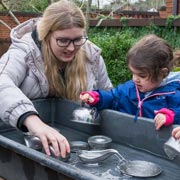 With children sometimes taking as many as 2, 3, or even 4 weeks to fully settle into a new nursery, it’s also important for staff to closely monitor and nurture them. That’s indeed exactly what we do at Little Acorns Nursery in Hindley Green. We ensure the setting is a home-from-home environment for children as much as possible. Children will feel valued, loved, listened to, and well cared for at Little Acorns. We’ll reassure them when they need it, communicate well with parents/carers, discuss any challenges and work to address them speedily and in the most effective ways. We have children’s best interests at heart, so parents can rest assured that their little ones are kept safe, happy and well and, even if not immediately, they’ll grow to love being at the nursery. A couple of recent testimonials prove the point beautifully (hover over them to pause):

 We’ve got lovely reviews and 5-star ratings online and, at the time of writing, have scored top marks across the board. The following is a typical review illustrating the type of lovely comments that parents have been publishing online about Little Acorns Nursery, Hindley Green:
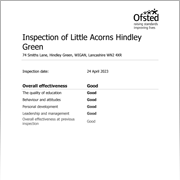
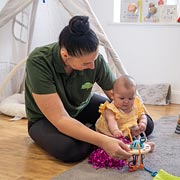 Little Acorns staff are fastidious about the welfare and safety of babies and children under their care. As even the Ofsted inspector reported in our last inspection, “Leaders have ensured that staff are well trained and knowledgeable about matters relating to child protection. They have provided clear procedures for staff to report any concerns that they may have about children’s welfare.” Your child is in safe hands at Little Acorns Nursery.
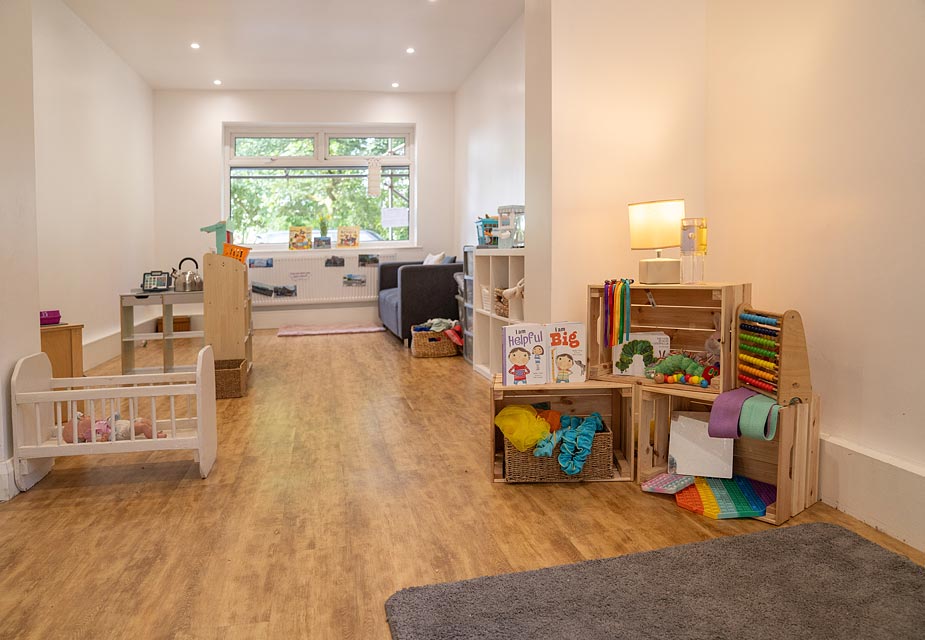
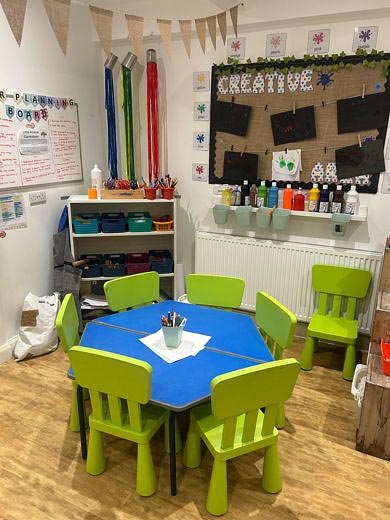
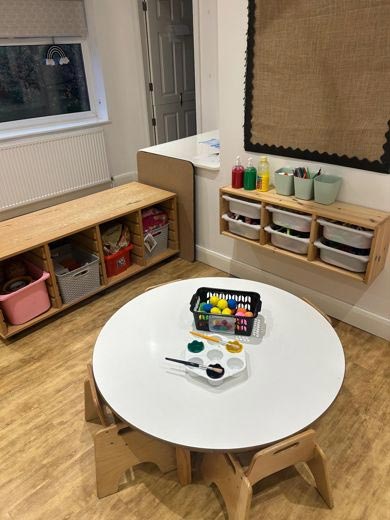
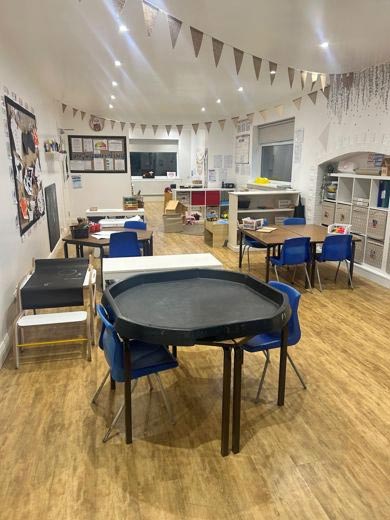
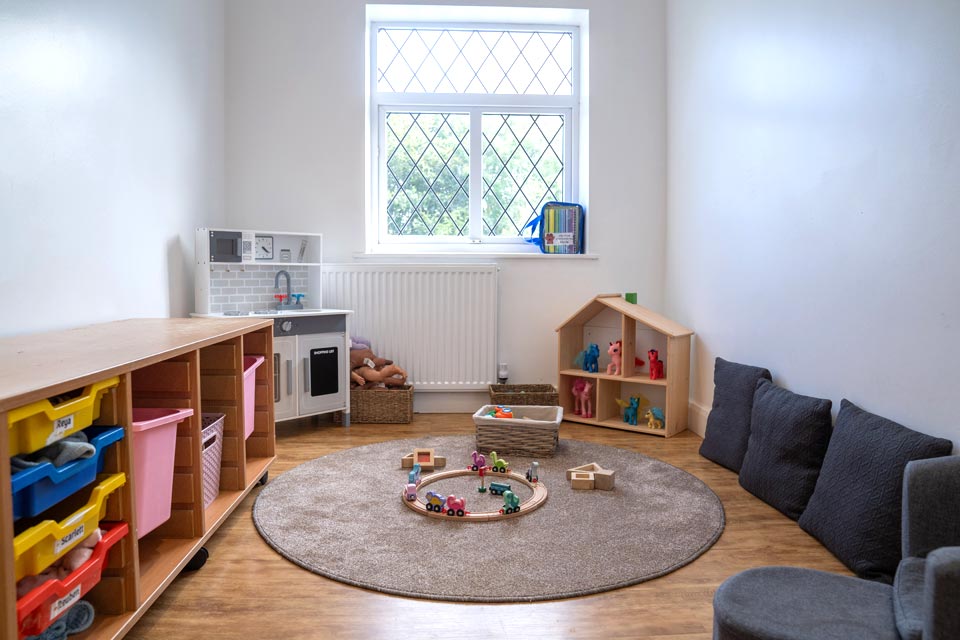
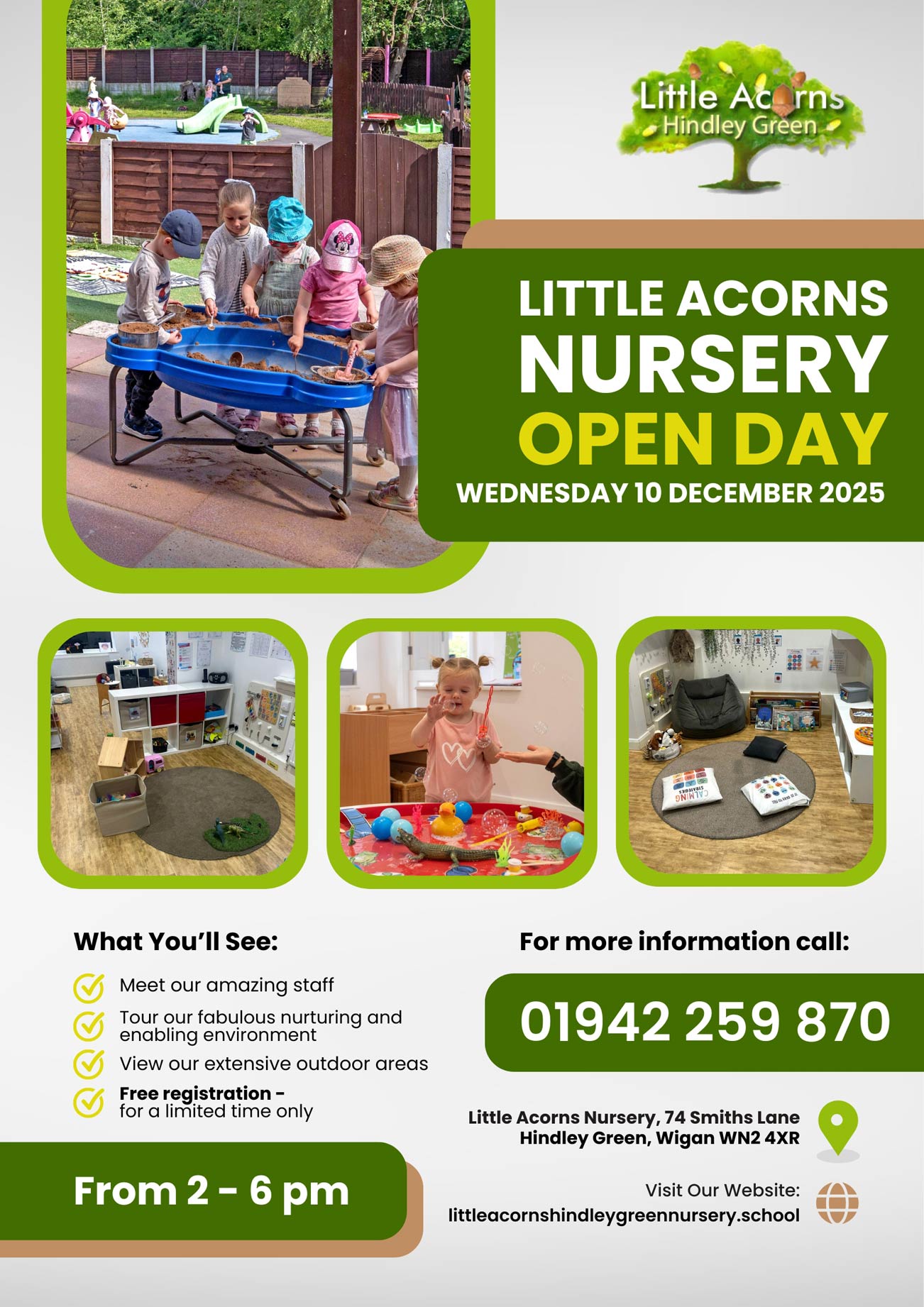
 During the first half of 2024, the nursery underwent a significant refurbishment and the results really speak for themselves. It’s a real facelift that includes beautiful new flooring, refreshed paintwork, re-plastered walls, renewed skirting, lovely bright downlighters, new storage areas, new bathrooms, new hallway carpet, and a modern, spacious feel. There are some lovely new interior design touches too, which spark new life into the nursery and preschool areas. New furniture, resources and enhancements are also included to make this a more exciting, stimulating, and engaging place for children to spend time. These include details like new bifold doors to allow free-flow access from indoors to the outdoor areas when appropriate. You can
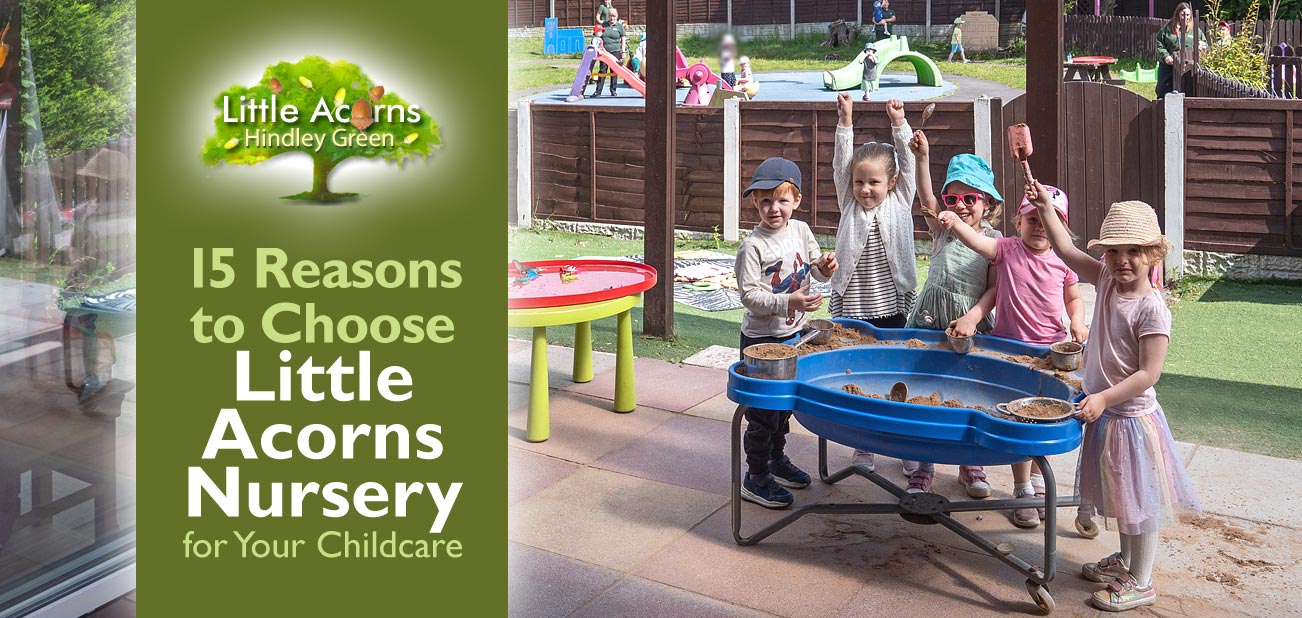
 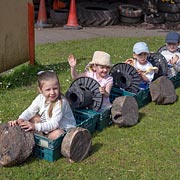 Few childcare nurseries and preschools can claim to have as large an outdoor space as Little Acorns Nursery in Hindley Green. Our extensive outdoor space is a wonderful area for children to explore, discover, play, and learn. Including both undercover areas and open areas, there are nature zones, sensory areas, a variety of exciting play areas, counting areas, and a stimulating array of equipment. This includes construction toys and equipment, creative activities, sand play, water play, bicycles and scooters, play houses and, of course, more standard climbing frames, slides, and suchlike. Children can benefit here from both structured and free play in a safe but exciting outdoor environment.
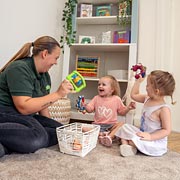 Little Acorns Nursery employs high-calibre childcare staff who are caring, experienced and skilled. Naturals with the children, they are also qualified as a minimum when they start in paediatric first aid, safeguarding, and basic food hygiene although many have qualifications that far exceed that baseline. Staff also have the support of a CPD programme, for continuous professional development, which includes access to training courses and tools that will further their skill set. That’s a win-win-win as the staff, the nursery and the children will all benefit. The Ofsted inspector also commented on the quality of staff at the most recent inspection:
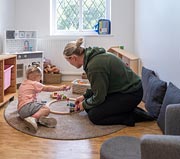 Little Acorns is also one of only a few Hygge-inspired childcare nurseries and this facet helps make the setting even more of a home-from-home for little ones. Hygge (pronounced “Hue-gah”) is a Danish and Norwegian word that describes the kind of lifestyle that has cosiness, contentment, and well-being at its centre. A Hygge-style environment will therefore be one that appreciates natural materials like wood and warm, homely, child-friendly, decor like rugs and cushions. Hygge also encourages a real appreciation of nature amongst both staff and children. Put simply, Hygge makes Little Acorns Nursery a better place to be.