When choosing a nursery or preschool for your child, it’s very important to get it right. After all, when they’re under five, your child’s learning and development are at a critically important stage. You will want to ensure they’re safe, well cared for, and happy at your chosen nursery. You’ll also want to ensure they learn and grow optimally as individuals and are as school-ready as possible by the time they leave to start ‘big’ school. What’s more, you’ll want to hear what other parents and professionals think about the setting. With all that in mind, we’ve put together 15 reasons why choosing Little Acorns Nursery could be right for your child if they live in the Hindley Green area near Wigan. As you’ll see, many of the benefits of choosing Little Acorns for childcare are also backed up by independent opinions, for example, those of Ofsted inspectors and the parents of children who have attended.
1. Little Acorns is a Good Provider (Ofsted)
 We’re a good provider of early years education and childcare. You don’t need to take our word for it, though, because the Government body Ofsted independently rated the nursery as Good in every category in their most recent report. We were rated as ‘good’ across the board including in overall effectiveness, the quality of education, leadership and management, behaviour and attitudes, and personal development. It was indeed a full house of good scores, meaning that children are in safe and very capable hands that will bring out the best in every one of them.
2. Wonderful Customer Reviews & Ratings Online
 We’ve got lovely reviews and 5-star ratings online and, at the time of writing, have scored top marks across the board. The following is a typical review illustrating the type of lovely comments that parents have been publishing online about Little Acorns Nursery, Hindley Green:
“I wholeheartedly recommend this nursery. My little boy has loved his three years here, building loving and nurturing relationships with staff and the other children. He has learned so much and astounds us every day with the level of vocabulary and concepts he understands. Communication has been fantastic all through his time here. A truly family feel permeates the whole setting and I know I’m leaving my little one in good hands.”— Victoria M (via the Day Nurseries website, June 2024. Overall Experience: 5.0 out of 5).
Even the Ofsted inspector who last visited the nursery said:
“Parents speak highly of the staff at the nursery and develop high levels of trust.” — Ofsted report (April 2023).
3. Convenient Opening Hours for Working Parents
Little Acorns Nursery opens early and closes late on weekdays. This is great for local working parents as it allows them time to drop off and pick children up with minimal impact on their working hours. The nursery opens at 7:30 a.m. and closes at 6 p.m. from Monday to Friday inclusive. Those are longer working hours than many of our local competitors — we checked!
4. A Nursery Open All Year Round
Unlike some other nurseries and preschools, Little Acorns Nursery is open virtually all year round, only closing on Bank Holidays and for one week over Christmas. We’re therefore open over school summer holidays, for example, meaning working parents can carry on working without worrying about childcare during such school breaks.
5. Excellent Safeguarding
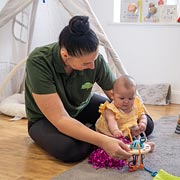 Little Acorns staff are fastidious about the welfare and safety of babies and children under their care. As even the Ofsted inspector reported in our last inspection, “Leaders have ensured that staff are well trained and knowledgeable about matters relating to child protection. They have provided clear procedures for staff to report any concerns that they may have about children’s welfare.” Your child is in safe hands at Little Acorns Nursery.
6. We Support Many Childcare Funding Schemes
Little Acorns Nursery supports a wide variety of free childcare initiatives that are available to eligible families through government funding. Whether it’s free childcare hours for 2-year-olds, 3- and 4-year-old preschoolers, or the imminent roll-out planned for eligible babies starting in September 2024, we support many different childcare funding schemes where families are eligible. With today’s tough economy and recent inflation levels, we know that families will welcome such help to make childcare more affordable.
7. The Nursery Has Undergone a Stunning Refurbishment
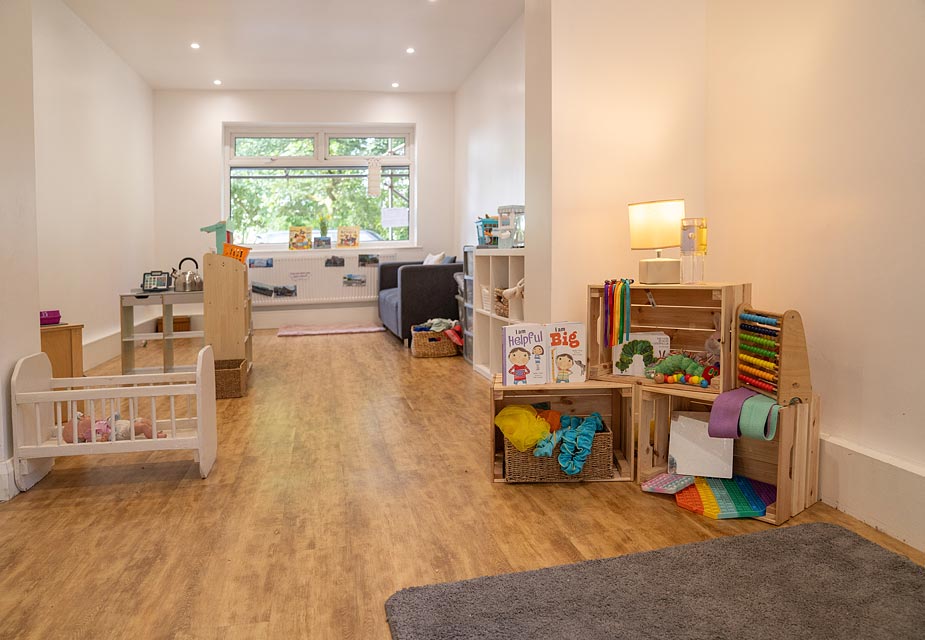
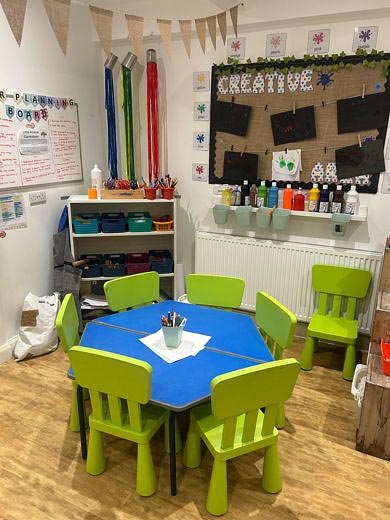
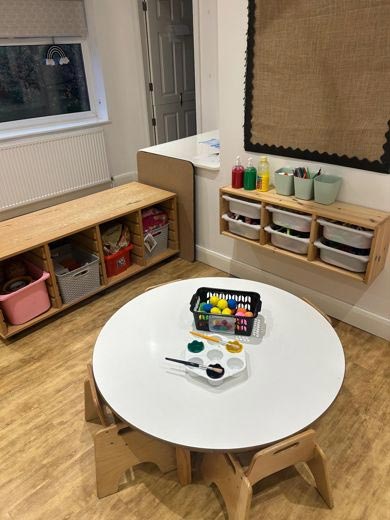
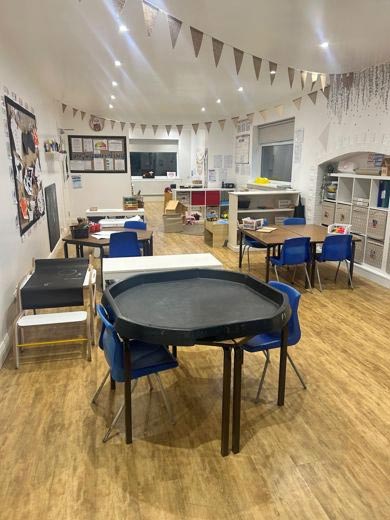
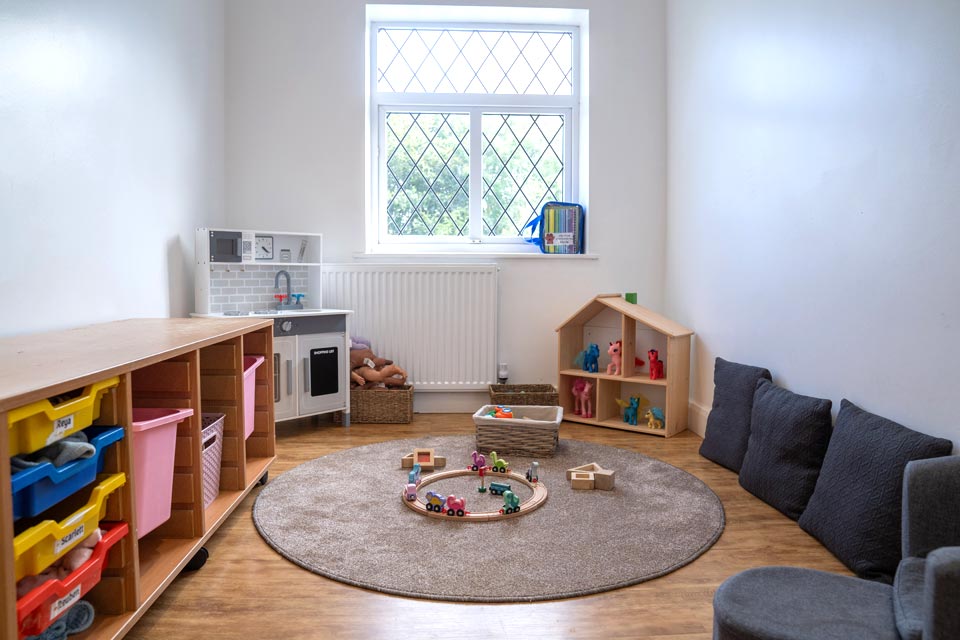
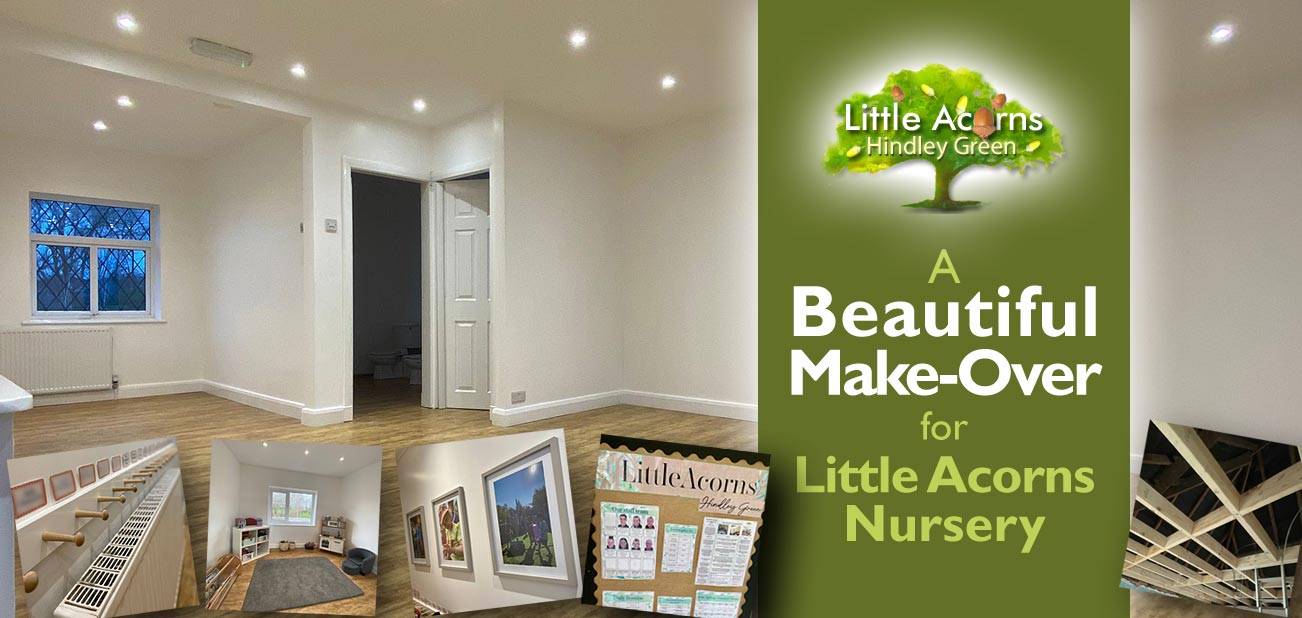
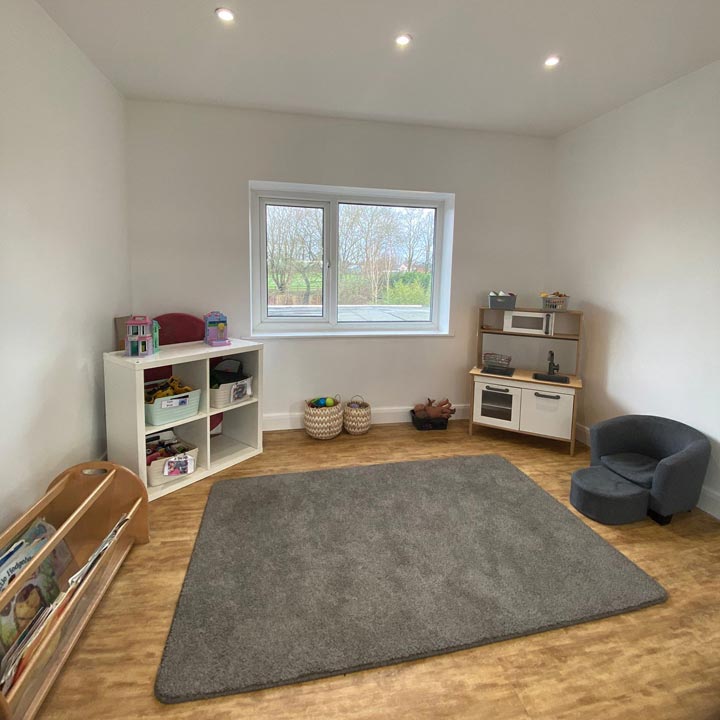
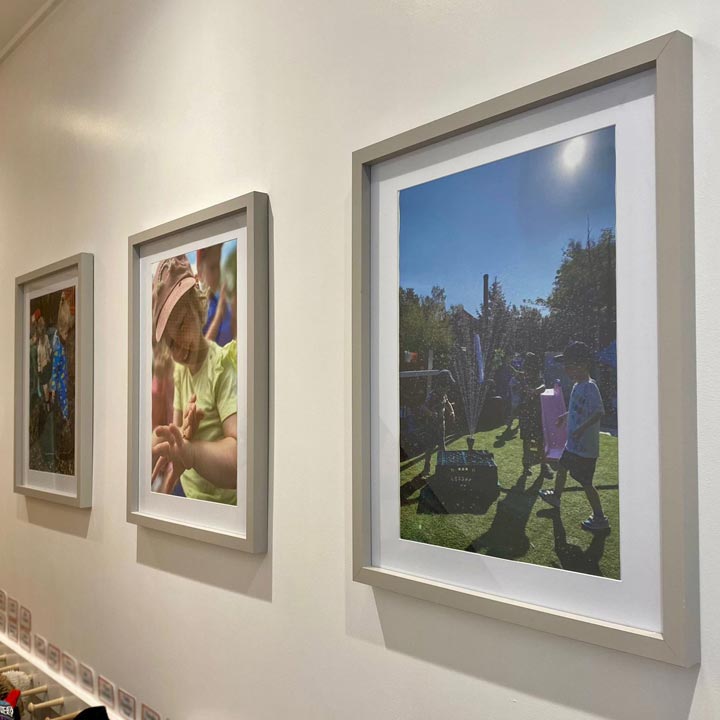
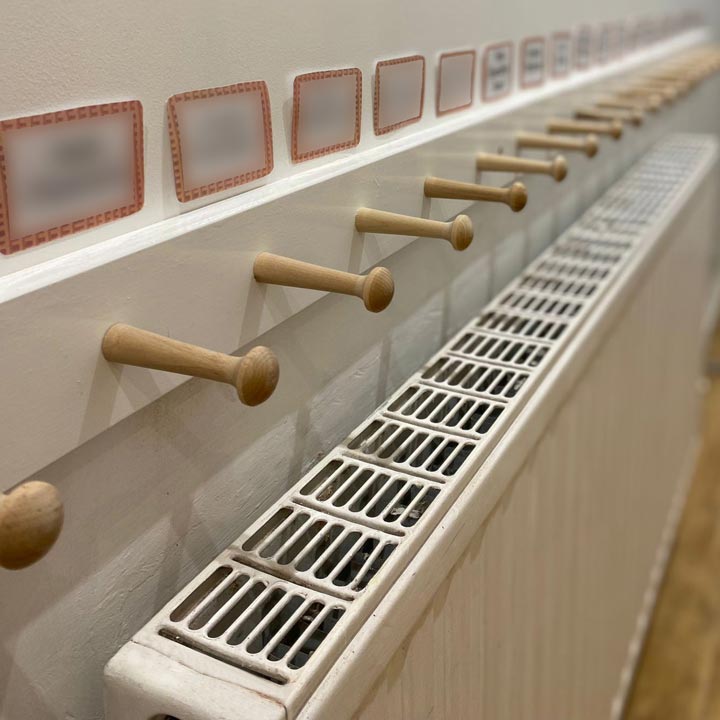
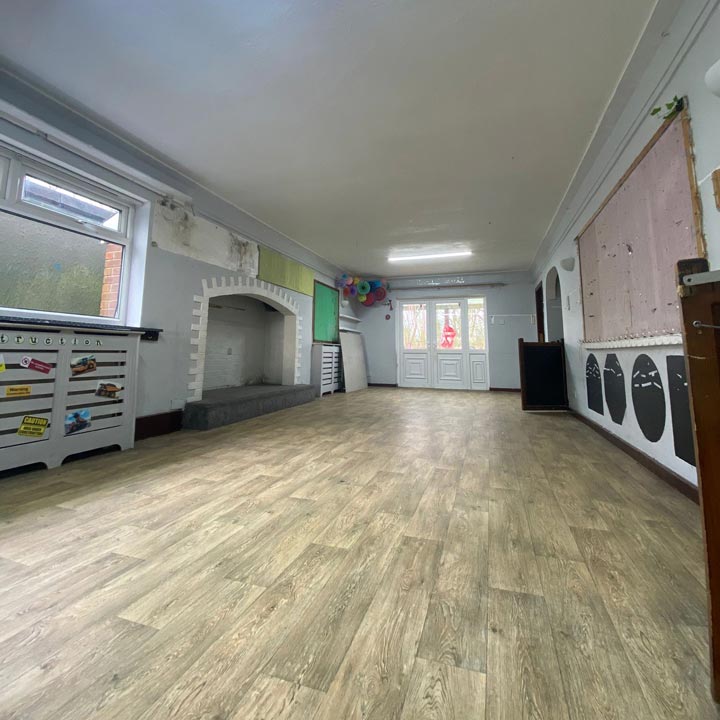
 During the first half of 2024, the nursery underwent a significant refurbishment and the results really speak for themselves. It’s a real facelift that includes beautiful new flooring, refreshed paintwork, re-plastered walls, renewed skirting, lovely bright downlighters, new storage areas, new bathrooms, new hallway carpet, and a modern, spacious feel. There are some lovely new interior design touches too, which spark new life into the nursery and preschool areas. New furniture, resources and enhancements are also included to make this a more exciting, stimulating, and engaging place for children to spend time. These include details like new bifold doors to allow free-flow access from indoors to the outdoor areas when appropriate. You can see some of the refurbishments here.
8. Children Love our Extensive Gardens & Outdoor Areas
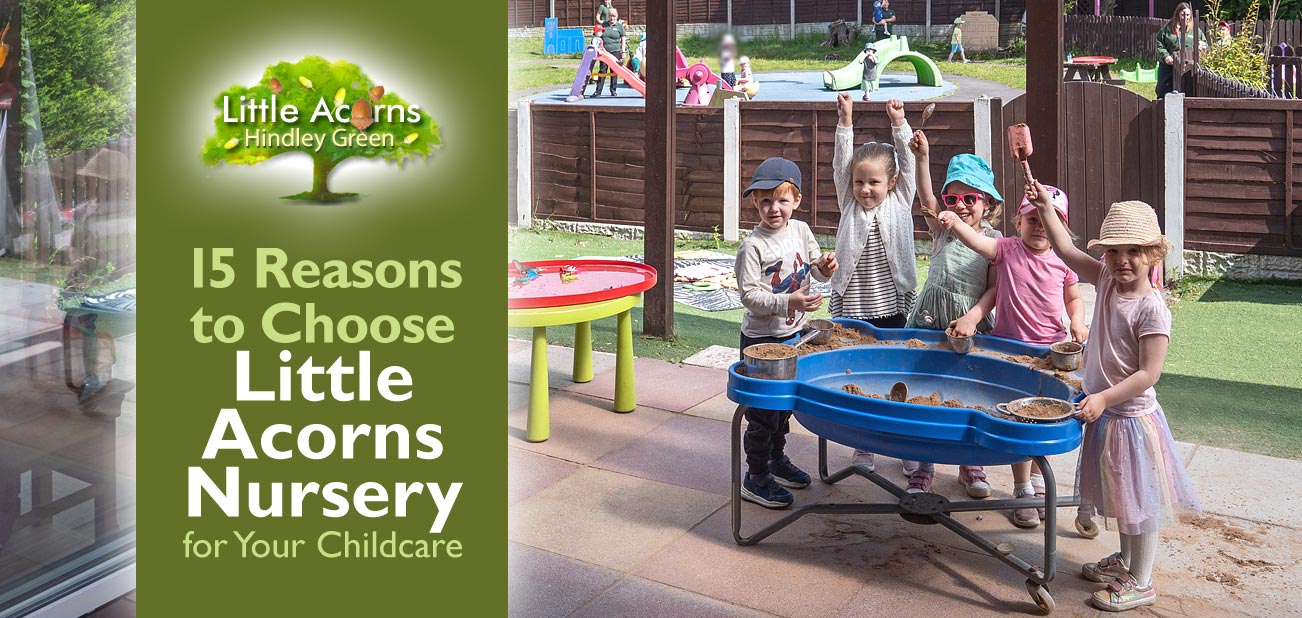
 Few childcare nurseries and preschools can claim to have as large an outdoor space as Little Acorns Nursery in Hindley Green. Our extensive outdoor space is a wonderful area for children to explore, discover, play, and learn. Including both undercover areas and open areas, there are nature zones, sensory areas, a variety of exciting play areas, counting areas, and a stimulating array of equipment. This includes construction toys and equipment, creative activities, sand play, water play, bicycles and scooters, play houses and, of course, more standard climbing frames, slides, and suchlike. Children can benefit here from both structured and free play in a safe but exciting outdoor environment.
“The nursery has a huge outdoor area which is perfect as my daughter loves the outdoors. I feel so lucky to have found a nursery with such a wonderful and happy environment for my daughter.”— Louise M (via the Day Nurseries website, May 2024. Overall Experience: 5 out of 5).
9. Photos & Regular Updates for Parents
A smartphone app allows staff to send parents regular updates about their child’s day at the setting. This is a really useful tool, for example, to help parents see how well their child is fitting in when they first start nursery. It also shows parents some of the activities children are taking part in and includes commentary from staff. It’s a great way for parents to connect, monitor their child’s progress and be assured of their well-being, despite being away from their child.
“I get photos and updates and this really helps settle my mind when I’m at work.” — Ashley G (via the Day Nurseries website, April 2024. Overall Experience: 5 out of 5).
10. Skilled & Experienced Staff
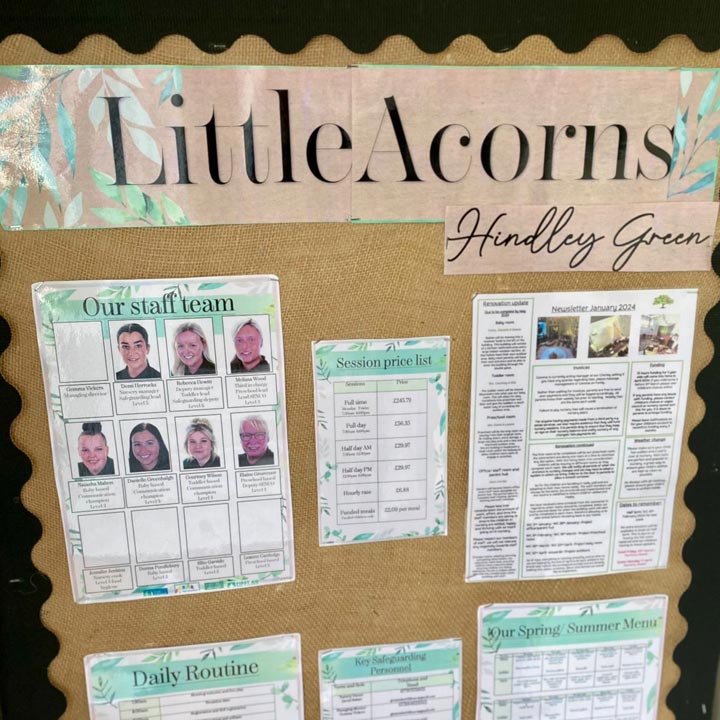
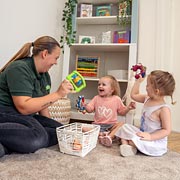 Little Acorns Nursery employs high-calibre childcare staff who are caring, experienced and skilled. Naturals with the children, they are also qualified as a minimum when they start in paediatric first aid, safeguarding, and basic food hygiene although many have qualifications that far exceed that baseline. Staff also have the support of a CPD programme, for continuous professional development, which includes access to training courses and tools that will further their skill set. That’s a win-win-win as the staff, the nursery and the children will all benefit. The Ofsted inspector also commented on the quality of staff at the most recent inspection:
“The high priority given to continuing professional development has resulted in a team of many skilled and experienced staff. This has a positive impact on the quality of education for all children, including those who are disadvantaged.” — Ofsted (April 2023).
11. Childcare Tailored for Every Child
Some of the most fundamental goals at Little Acorns Nursery are to bring out the best in each and every child and, in turn, set them up for future success. Our professional childcare practitioners and leadership team do everything they can to achieve such goals, including through a learning and development programme that’s tailored for each child — after all, every child is different. From the outset, this is achieved in part via two-way feedback with parents and, where required in the case of those with special needs, the use of external professional expertise. In this way, every child’s strengths can be made even stronger and any weaker areas given focus to bring them up to speed.
“Staff work closely with parents right from the start to assess and plan how to meet children’s individual needs.” — Ofsted (April 2023).
12. Excellent Support for Children with Special Educational Needs and/or Disabilities (SEND)
Little Acorns Nursery is indeed excellent in its support for children with special educational needs and/or disabilities (‘SEND’). The Ofsted inspector perhaps said it best when they visited in 2023:
“The special educational needs coordinator (SENCo) successfully uses her comprehensive knowledge of local arrangements for children with special educational needs and/or disabilities (SEND). She links closely with other supporting professionals, accurately assesses need and identifies precise targets for learning. Through strong relationships with staff, children with SEND progress well, particularly in their understanding and communication.” — Ofsted.
13. We Ready Children for School
One of our key aims and indeed strengths is to prepare every child for starting school. So, during their time with us, we do everything we can to nurture them in every area of their learning and development. We ensure they have the knowledge and skills they’ll need so that, when the time comes to leave us to begin school, they’ll hit the ground running and absolutely thrive in their journey forward to school — and beyond.
“The carefully thought out curriculum helps children to gain the kinds of knowledge and skills they need in readiness for their future move to school.”— Ofsted (April 2023).
14. Hygge
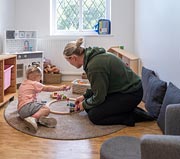 Little Acorns is also one of only a few Hygge-inspired childcare nurseries and this facet helps make the setting even more of a home-from-home for little ones. Hygge (pronounced “Hue-gah”) is a Danish and Norwegian word that describes the kind of lifestyle that has cosiness, contentment, and well-being at its centre. A Hygge-style environment will therefore be one that appreciates natural materials like wood and warm, homely, child-friendly, decor like rugs and cushions. Hygge also encourages a real appreciation of nature amongst both staff and children. Put simply, Hygge makes Little Acorns Nursery a better place to be. Learn more about the nursery’s developing Hygge approach here.
15. The Benefits of Being Privately Owned
Little Acorns is an independently owned nursery rather than a large faceless ‘group’ that sets rules from somewhere hundreds of miles away. By being independent, our leadership team is more agile and able to adapt quickly for the best interests of the nursery and its children. Being a small independent also means your child won’t be ‘lost’ in the system but, rather, will be part of our nursery family. Little Acorns really is a home-from-home for every child.
The Best Nursery for Your Child in Hindley Green, Wigan

 We hope today’s article has given local parents food for thought in their search for the best nursery & preschool in Hindley Green or a good childcare provider within a convenient distance of Wigan, Bickershaw, Leigh, Atherton, Westhoughton, Ince-in-Makerfield, Platt Bridge, Tyldesley, Bolton or Greater Manchester. Get in touch to find out more, come for a visit, or register your child for a place:



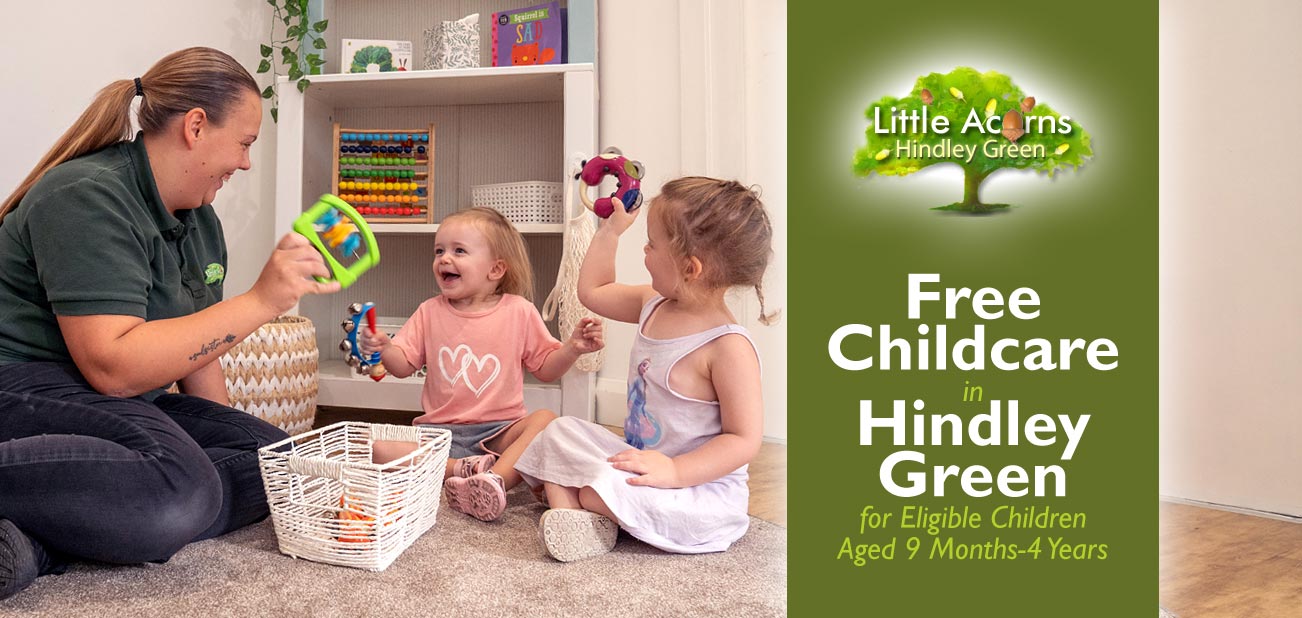
 Since September 2024, the number of free childcare hours available for eligible children aged 9 months to 2 years (inclusive) is 570 per year. This is usually taken as 15 hours per week over 38 term-time weeks of the year*. In further good news, the allocation is set to double to 1140 hours per year from September 2025, thereby aligning with what eligible 3 and 4-year-olds are already entitled to (see below).
 Meanwhile, a total of 1140 hours of free childcare is currently available for eligible children aged 3 and 4 each year. This is usually taken as 30 hours per week over 38 term-time weeks of the year*.
 Draw up a short list of possible settings for your child, having first whittled down the choices by
  If your child already has a friend or neighbour of a similar age who will also attend your chosen nursery, it can be very useful. Both children will then have a friendly face to play with from Day 1. If not, it should be easy enough to ask around to find out about other local children who will start at the nursery when your child does. Arranging play dates for them in the weeks running up to the start date will help each child familiarise themselves with one another, so they each have a friend or two at the nursery right from the start. It’s a great way of settling them in.
 Aside from the initial guided tours undertaken, we schedule 2 formal settling-in visits for children once a place has been offered. These hour-long settling-in sessions usually occur in the week before children are due to start at the nursery formally. They are both free of charge. Here’s how they are approached:
 Reassuring your child will also help them settle into nursery – so communication is key. This is true both before they start and once they attend, particularly at the beginning. Before starting, it’s important to ensure they know that changes will soon happen, what to expect when the time comes, and that it’s going to be a big adventure with lots of fun! Encourage questions and answer them sensitively. They also need to be reassured that you will always be there, behind the scenes, looking out for their best interests. And, of course, it’s crucial for them to know you’ll be there to pick them up at home time (don’t be late!).
 As we said previously in our
  Encourage children by celebrating their successes at the nursery. Whether it’s the successful completion of their first day, the first tear-free day, the making of a new friend or any other accomplishment, ensure you congratulate your child. This will give them a sense of achievement, reassure them that they’re doing well, and encourage them to keep attending and building on their progress.
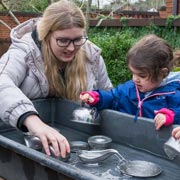 With children sometimes taking as many as 2, 3, or even 4 weeks to fully settle into a new nursery, it’s also important for staff to closely monitor and nurture them. That’s indeed exactly what we do at Little Acorns Nursery in Hindley Green. We ensure the setting is a home-from-home environment for children as much as possible. Children will feel valued, loved, listened to, and well cared for at Little Acorns. We’ll reassure them when they need it, communicate well with parents/carers, discuss any challenges and work to address them speedily and in the most effective ways. We have children’s best interests at heart, so parents can rest assured that their little ones are kept safe, happy and well and, even if not immediately, they’ll grow to love being at the nursery. A couple of recent testimonials prove the point beautifully (hover over them to pause):












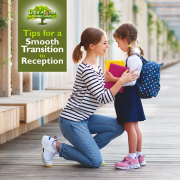

 The transition from preschool to Reception marks a significant milestone in any child’s life. It can be emotional for parents and, for children, it can be a period filled with excitement, curiosity, and perhaps a bit of apprehension. Ensuring a smooth transition involves a combination of careful planning, practical strategies and emotional support. With that in mind, today’s guide outlines more than twenty simple, actionable ways to ensure your child has a seamless transition and a positive start to school life.
 Use positive reinforcement to create a positive association with the idea of school. For example, highlight the exciting aspects of learning, making friends, playing new games, and discovering new things.
 Organise play dates with future classmates to build social connections before the first day. Encourage interactions with other children to develop essential social skills. Attending a nursery, preschool, or playgroup will provide excellent opportunities for this.
 Foster self-reliance by allowing your child to perform simple tasks like dressing themselves, tidying up, using the toilet, and organising themselves. Also, assign small responsibilities to them at home to instil a sense of accountability and responsibility. Such skills will serve them well once at school.
 Read age-appropriate books together, particularly those that introduce topics they’ll be introduced to in Reception class. This not only sparks excitement and teaches them new things but also helps children understand what to expect. Instil a love for reading through interactive reading sessions. Visit the library too and explore a variety of books.
 Ensure that your child understands basic time concepts, such as morning, afternoon, and evening. This, in tandem with our next tip below, will help your child better understand the structure of the school day.
 Ensure your child can manage basic self-care tasks independently. Such skills will be invaluable to them once they have started school.
 Ensure sufficient sleep by establishing a calming bedtime routine. This not only gets them used to a pattern but will also help them to maintain focus and energy levels once at school.
 The journey from preschool to the first day of school is a significant milestone for both parent and child. Preparing children for school involves a holistic approach that addresses emotional, social, and practical aspects. By incorporating these strategies into your family’s daily routine, you can contribute to a positive and confident transition for your child and set the stage for the most successful start to their school journey.

 In the journey of childhood development, there is a simple yet powerful tool that supercharges learning, imagination and even life outcomes: reading with your child. While a magical connection with books is a cherished tradition in many families, it is also a proven way to optimise a child’s cognitive and emotional development — and even to give some a social boost. With that in mind, we explore today the incredible benefits of reading with children in the early years and learn how study after study has proven how transformational it is to their lives.
 One of the most notable benefits of early reading is the rapid expansion of a child’s vocabulary. Indeed, research suggests that children who are exposed to a diverse range of words in books tend to perform better in language assessments, spelling, and overall literacy development. With reading to children opening up whole new worlds of information and vocabulary to them, this positive outcome makes total sense.
 Reading with children also contributes to the development of enhanced empathy and emotional intelligence. Stories often feature characters experiencing a variety of emotions, and by engaging with these stories, children learn to empathise and connect with the feelings of others. That’s because exposure to complex characters and their emotional experiences in books helps children better understand and relate to the emotions of people in their real lives.
 Reading is not just about the words on the page; it’s also about the quality time you spend together. The connection you build during reading sessions is priceless, fostering stronger bonds between you and your child.

 Today’s ‘Discover Minibeasts’ post is the third in our series of nature-based activities for children. And, as with the