Introductory Guide to Composting for Kids
Let’s Get Composting!
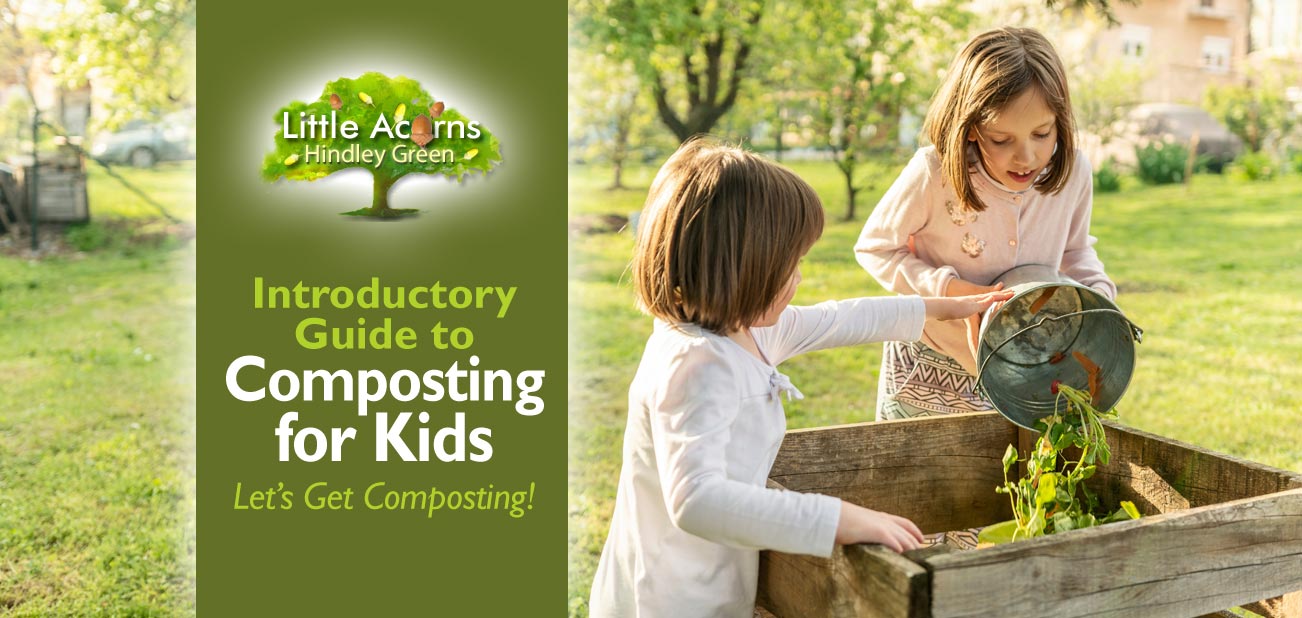
 Autumn brings a variety of new, nature-based activity opportunities for children to enjoy outdoors. Along with an autumn scavenger hunt, there is another activity that is perfect for the season given the abundance of fallen leaves — composting. Composting is a simple activity that not only teaches children new skills and knowledge, but also benefits the natural world. Showing children and under-fives how easy it is to make compost will educate them about the circle of life, teach them the value of recycling, give a home to creatures like minibeasts, and give households a free resource that will nourish plants come springtime. It’s a win-win for children, families, and nature! With that in mind, welcome to today’s introductory guide to composting for kids — let’s get composting! And rest assured that, because this is for children and under-fives, we’ll keep things simple.
Activity Overview
Through this activity, children will learn how to make a compost heap, the simple measures needed to maintain it, the types of things that can be composted, and what the compost can be used for once ready. They’ll discover that things usually discarded can be repurposed, recycled, and given a second life that will benefit nature and the household.
What Will Children Need
 Children will essentially need material to compost and somewhere to compost it. Also, depending on the scale of the compost heap, a spade or gardening trowel will be useful, along with access to water. During the compost preparation, gloves can be worn for protection if preferred, and/or supervising adults will need to ensure that children wash hands with soap and water after working on the task.
What Can Children Compost?
Children and their families can compost an array of things that would otherwise have gone to waste. Key ingredients can include:
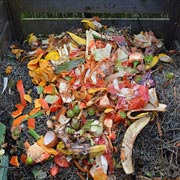 Fresh grass cuttings;
- Fallen/dead leaves and small twigs foraged from the garden or local open space;
- Crushed eggshells;
- Vegetable scraps and fruit peelings;
- Loose coffee grounds and loose tea leaves (empty the contents of any tea bags as the bags themselves often contain microplastics, which do not break down);
- It’s also possible to incorporate small pieces of unlaminated cardboard and shredded paper scattered into the overall organic mix, although see the next section for details to avoid.
Avoid…Avoid including scrap meat, fish, dairy products including cheese, oily foods, pet food, laminated or glossy paper/cardboard, string, tags containing metal rivets, anything containing plastic, and pet litter or waste. After all, you don’t want to attract pests and bad smells, and you only want to use ingredients that are biodegradable. |
How Children Can Get Started
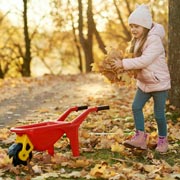 The first task is to choose somewhere for your child’s compost heap. An unused corner of the garden would be perfect for a simple heap, although it’s also possible to make a child’s compost heap in a container like a large pot, a timber packing crate, or even a robust cardboard box if garden space and resources are limited. A parent may need to guide children in this regard.
At the other end of the scale, it’s also possible, of course, to build a larger compost area that has sturdier sides. With the help of an adult, such a construction can be made out of repurposed pallet wood, logs, wire mesh, a crate, or timber sleepers. However, as this particular composting task is a children’s activity, we’ll assume you’ll keep the scale fairly modest and the approach fairly simple. Even at a small scale, high-quality compost is possible with the right approach and ingredients.
What to Do
Whatever the location and style of the compost heap, the approach for making compost is the same.
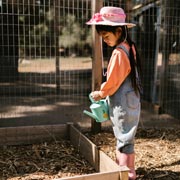 Ideally, the compost heap should contain a layer of garden earth at the base to get things started.
- Children should regularly collect the ‘ingredients’ for the compost heap that we outlined earlier. For example, crushed eggshells, vegetable scraps, fruit peelings, banana skins, foraged autumn leaves, grass cuttings, twigs, and so on. Including a wide mix is important. Once collected, these can be scattered in a layer onto the compost heap, which will build up over time.
- The child should keep it moist by regularly sprinkling water on the pile. This can be done with either a watering can or a wet sponge that can be wrung out over the compost pile.
- The pile should be stirred and mixed once a week, using a spade, gardening trowel, or stick, depending on the size and depth of the heap.
- Take care to avoid hurting any minibeasts that will inevitably move in once the compost heap is established.
First Steps to a Greener Life
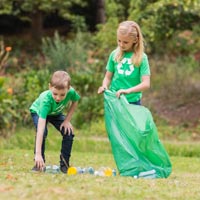 One of the first lessons that children will learn during their composting journey is that what might have been considered rubbish can, in fact, be converted into a valuable resource. All those scraps hold nutrients and minerals that need not be wasted. Instead, they can be recycled and put to new use rather than being discarded and going into landfill.
Recycling is a concept that is becoming more and more important over the years, and composting is an easy and worthwhile way to introduce green values to little ones. Indeed, it may be the first step that sets them on a path towards a more ecologically friendly lifestyle.
What to Expect
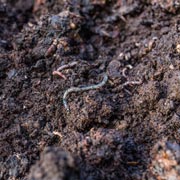 As the compost heap builds up and is mixed over time, the ingredients will gradually biodegrade. Whilst doing so, the pile may appear to shrink and will also darken in colour. Biodegrading is a natural process that is helped by the bacteria, worms, and little bugs that inhabit the mixture.
Indeed, as the composting process unfolds, children will discover some of the little minibeasts that have made the compost heap their home. These are fascinating little creatures that help the compost heap break down. From worms and centipedes to woodlice and beetles, they come in a wide variety of different forms. Another important lesson for children to learn is that the creatures should be treated delicately, with empathy, so they are not unduly disturbed or harmed. Learn more about minibeasts and download a free minibeasts reference poster for your child here.
Eventually, the composting process will result in a rich, crumbly, earth-like compost that’s dark brown in colour. This is packed full of natural goodness that plants will love.
What to Do With the Compost
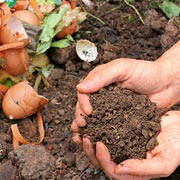 The resulting compost can be used as the soil for potted plants, for growing vegetables and fruits, or mixed around those already in the garden to give them a boost. Compost is rich in nutrients that will greatly enhance the health of growing plants and shrubs, to help them grow and reach their full potential. Plants and flowers will be stronger and will thrive. Fruit and vegetables grown at home will be more bountiful too. All in all, growing plants will become healthier.
Lessons From This Activity
 This activity is not only fun, but will also feed children’s minds. It will teach children new skills, the value of preparation, the importance of patience, and the need to look after nature’s flora and fauna. It teaches children about the natural world, the circle of life, the seasons, how to care for other living things, and the importance of green values. Above all, the exercise demonstrates that if you look after nature, it will look after you. These are all wonderful concepts for children to understand, so it’s crucial to explain them as part of children’s learning journeys during the activity.
So, we encourage families to gather autumn leaves and save those kitchen scraps — they’re a valuable commodity and setting children on their composting path will open children’s eyes to new concepts while combining outdoor exploration, science, recycling, horticulture, and so much more.
Happy Composting, from Little Acorns Nursery
Weekday Childcare Services in Hindley Green, Near Wigan
 At Little Acorns Nursery in Hindley Green, we know how important spending time outdoors, close to nature, is for children. Nature benefits children in so many ways, including physically, mentally, emotionally, spiritually — and even academically (click the bold link to learn more). It’s one of the many reasons we recommend outdoor play and nature-based activities so often on our blog.
Children who attend Little Acorns Nursery in Hindley Green are fortunate to have access to the nursery’s unusually large garden and outdoor area. Various zones allow them to get involved in nature watching, gardening tasks, sensory play, construction, counting activities, creative play, and a wide variety of outdoor play activities. It’s easy to understand why it’s therefore so popular with the nursery children!
Get in touch to find out more about nursery places at Little Acorns or to arrange a visit. Choose a button below to get started — we’ll be delighted to hear from you:
Little Acorns Nursery provides childcare services in Hindley Green, Wigan. As such, we’re also a great match for families in nearby areas like Bolton, Ince-in-Makerfield, Platt Bridge, Westhoughton, Atherton, Leigh, Bickershaw, and Tyldesley.
Safety Note
Supervision from a responsible parent or adult will always be needed for little ones, especially when children are playing and exploring outdoors. Children will need guidance when it comes to outdoor safety, hazards, and hygiene and, indeed, all such guidance will help educate them about potential dangers and the assessment of risks.