Let’s Get Composting!
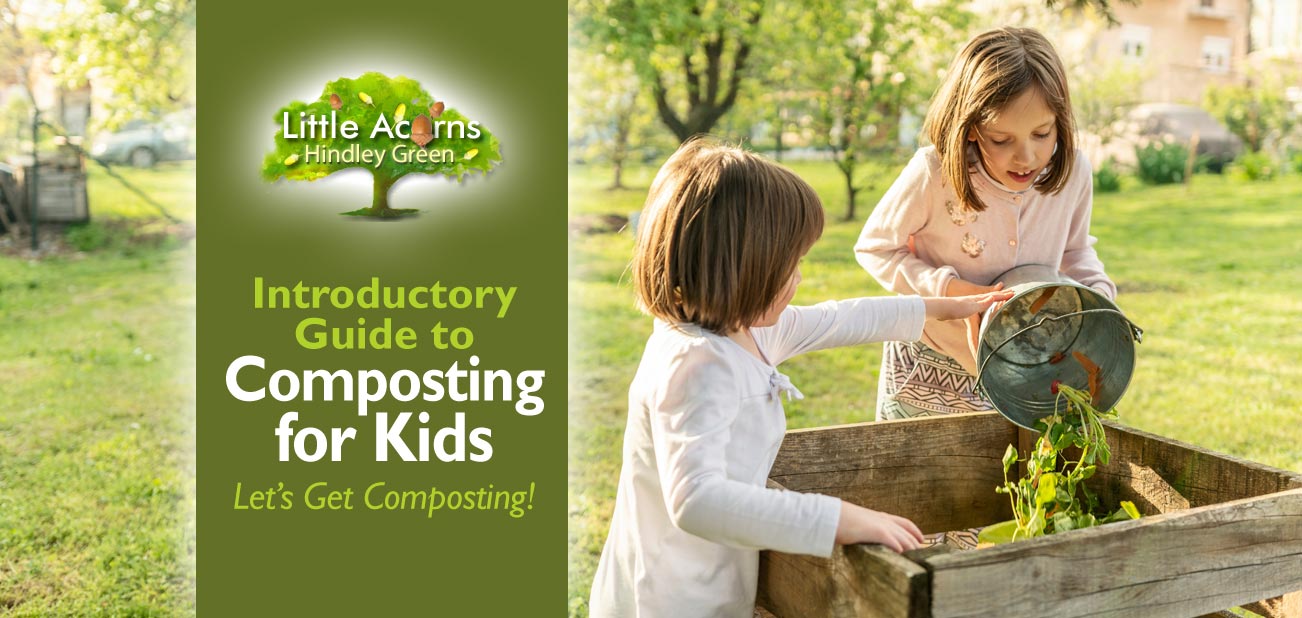
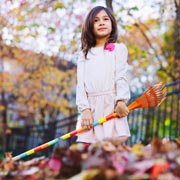 Autumn brings a variety of new, nature-based activity opportunities for children to enjoy outdoors. Along with an autumn scavenger hunt, there is another activity that is perfect for the season given the abundance of fallen leaves — composting. Composting is a simple activity that not only teaches children new skills and knowledge, but also benefits the natural world. Showing children and under-fives how easy it is to make compost will educate them about the circle of life, teach them the value of recycling, give a home to creatures like minibeasts, and give households a free resource that will nourish plants come springtime. It’s a win-win for children, families, and nature! With that in mind, welcome to today’s introductory guide to composting for kids — let’s get composting! And rest assured that, because this is for children and under-fives, we’ll keep things simple.
Activity Overview
Through this activity, children will learn how to make a compost heap, the simple measures needed to maintain it, the types of things that can be composted, and what the compost can be used for once ready. They’ll discover that things usually discarded can be repurposed, recycled, and given a second life that will benefit nature and the household.
What Will Children Need
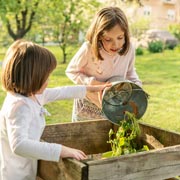 Children will essentially need material to compost and somewhere to compost it. Also, depending on the scale of the compost heap, a spade or gardening trowel will be useful, along with access to water. During the compost preparation, gloves can be worn for protection if preferred, and/or supervising adults will need to ensure that children wash hands with soap and water after working on the task.
What Can Children Compost?
Children and their families can compost an array of things that would otherwise have gone to waste. Key ingredients can include:
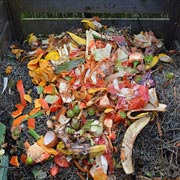 Fresh grass cuttings;
- Fallen/dead leaves and small twigs foraged from the garden or local open space;
- Crushed eggshells;
- Vegetable scraps and fruit peelings;
- Loose coffee grounds and loose tea leaves (empty the contents of any tea bags as the bags themselves often contain microplastics, which do not break down);
- It’s also possible to incorporate small pieces of unlaminated cardboard and shredded paper scattered into the overall organic mix, although see the next section for details to avoid.
Avoid…Avoid including scrap meat, fish, dairy products including cheese, oily foods, pet food, laminated or glossy paper/cardboard, string, tags containing metal rivets, anything containing plastic, and pet litter or waste. After all, you don’t want to attract pests and bad smells, and you only want to use ingredients that are biodegradable. |
How Children Can Get Started
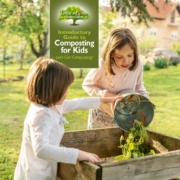
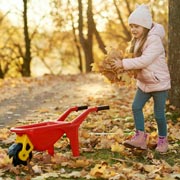 The first task is to choose somewhere for your child’s compost heap. An unused corner of the garden would be perfect for a simple heap, although it’s also possible to make a child’s compost heap in a container like a large pot, a timber packing crate, or even a robust cardboard box if garden space and resources are limited. A parent may need to guide children in this regard.
At the other end of the scale, it’s also possible, of course, to build a larger compost area that has sturdier sides. With the help of an adult, such a construction can be made out of repurposed pallet wood, logs, wire mesh, a crate, or timber sleepers. However, as this particular composting task is a children’s activity, we’ll assume you’ll keep the scale fairly modest and the approach fairly simple. Even at a small scale, high-quality compost is possible with the right approach and ingredients.
What to Do
Whatever the location and style of the compost heap, the approach for making compost is the same.
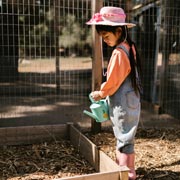 Ideally, the compost heap should contain a layer of garden earth at the base to get things started.
- Children should regularly collect the ‘ingredients’ for the compost heap that we outlined earlier. For example, crushed eggshells, vegetable scraps, fruit peelings, banana skins, foraged autumn leaves, grass cuttings, twigs, and so on. Including a wide mix is important. Once collected, these can be scattered in a layer onto the compost heap, which will build up over time.
- The child should keep it moist by regularly sprinkling water on the pile. This can be done with either a watering can or a wet sponge that can be wrung out over the compost pile.
- The pile should be stirred and mixed once a week, using a spade, gardening trowel, or stick, depending on the size and depth of the heap.
- Take care to avoid hurting any minibeasts that will inevitably move in once the compost heap is established.
First Steps to a Greener Life
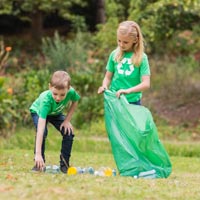 One of the first lessons that children will learn during their composting journey is that what might have been considered rubbish can, in fact, be converted into a valuable resource. All those scraps hold nutrients and minerals that need not be wasted. Instead, they can be recycled and put to new use rather than being discarded and going into landfill.
Recycling is a concept that is becoming more and more important over the years, and composting is an easy and worthwhile way to introduce green values to little ones. Indeed, it may be the first step that sets them on a path towards a more ecologically friendly lifestyle.
What to Expect
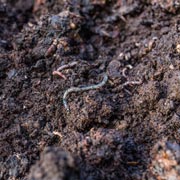 As the compost heap builds up and is mixed over time, the ingredients will gradually biodegrade. Whilst doing so, the pile may appear to shrink and will also darken in colour. Biodegrading is a natural process that is helped by the bacteria, worms, and little bugs that inhabit the mixture.
Indeed, as the composting process unfolds, children will discover some of the little minibeasts that have made the compost heap their home. These are fascinating little creatures that help the compost heap break down. From worms and centipedes to woodlice and beetles, they come in a wide variety of different forms. Another important lesson for children to learn is that the creatures should be treated delicately, with empathy, so they are not unduly disturbed or harmed. Learn more about minibeasts and download a free minibeasts reference poster for your child here.
Eventually, the composting process will result in a rich, crumbly, earth-like compost that’s dark brown in colour. This is packed full of natural goodness that plants will love.
What to Do With the Compost
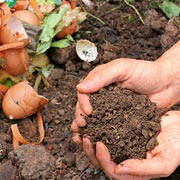 The resulting compost can be used as the soil for potted plants, for growing vegetables and fruits, or mixed around those already in the garden to give them a boost. Compost is rich in nutrients that will greatly enhance the health of growing plants and shrubs, to help them grow and reach their full potential. Plants and flowers will be stronger and will thrive. Fruit and vegetables grown at home will be more bountiful too. All in all, growing plants will become healthier.
Lessons From This Activity
 This activity is not only fun, but will also feed children’s minds. It will teach children new skills, the value of preparation, the importance of patience, and the need to look after nature’s flora and fauna. It teaches children about the natural world, the circle of life, the seasons, how to care for other living things, and the importance of green values. Above all, the exercise demonstrates that if you look after nature, it will look after you. These are all wonderful concepts for children to understand, so it’s crucial to explain them as part of children’s learning journeys during the activity.
So, we encourage families to gather autumn leaves and save those kitchen scraps — they’re a valuable commodity and setting children on their composting path will open children’s eyes to new concepts while combining outdoor exploration, science, recycling, horticulture, and so much more.
Happy Composting, from Little Acorns Nursery
Weekday Childcare Services in Hindley Green, Near Wigan
 At Little Acorns Nursery in Hindley Green, we know how important spending time outdoors, close to nature, is for children. Nature benefits children in so many ways, including physically, mentally, emotionally, spiritually — and even academically (click the bold link to learn more). It’s one of the many reasons we recommend outdoor play and nature-based activities so often on our blog.
Children who attend Little Acorns Nursery in Hindley Green are fortunate to have access to the nursery’s unusually large garden and outdoor area. Various zones allow them to get involved in nature watching, gardening tasks, sensory play, construction, counting activities, creative play, and a wide variety of outdoor play activities. It’s easy to understand why it’s therefore so popular with the nursery children!
Get in touch to find out more about nursery places at Little Acorns or to arrange a visit. Choose a button below to get started — we’ll be delighted to hear from you:
Little Acorns Nursery provides childcare services in Hindley Green, Wigan. As such, we’re also a great match for families in nearby areas like Bolton, Ince-in-Makerfield, Platt Bridge, Westhoughton, Atherton, Leigh, Bickershaw, and Tyldesley.
Safety Note
Supervision from a responsible parent or adult will always be needed for little ones, especially when children are playing and exploring outdoors. Children will need guidance when it comes to outdoor safety, hazards, and hygiene and, indeed, all such guidance will help educate them about potential dangers and the assessment of risks.
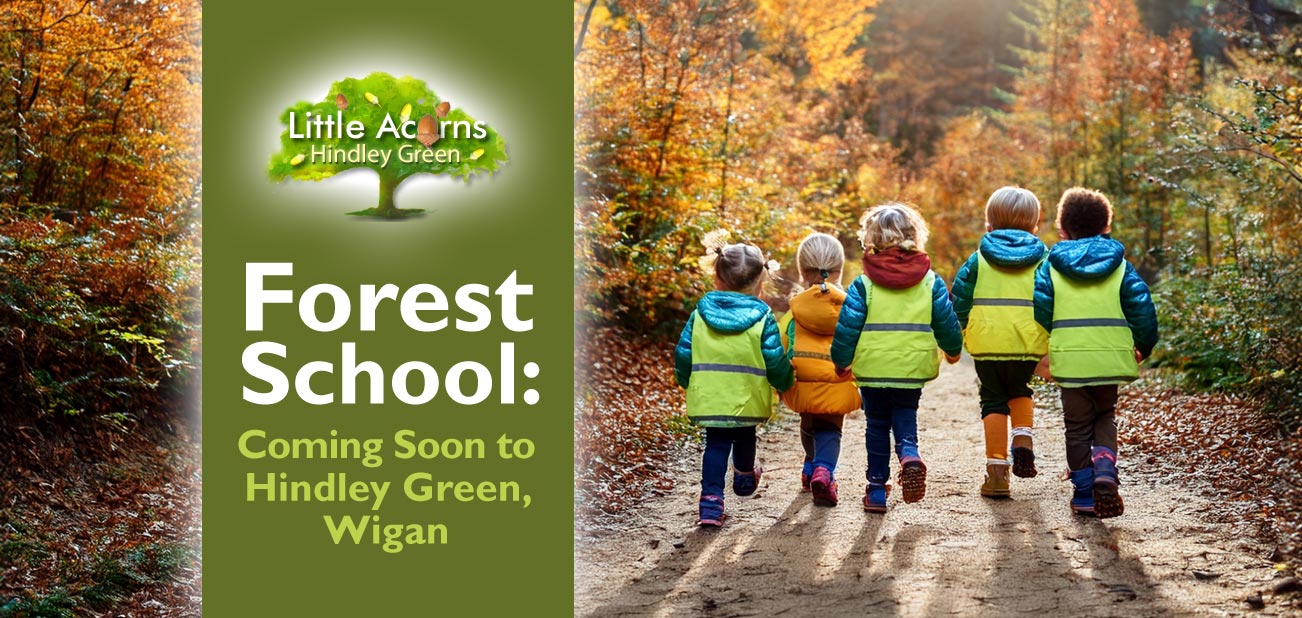
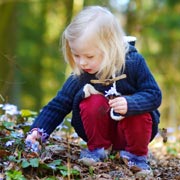 The team at Little Acorns Nursery is delighted to announce that we’ll soon be running regular Forest School sessions for children under five in the Hindley Green/Wigan area. Little ones absolutely adore Forest School — they seem instinctively drawn to nature and natural outdoor spaces. Like them, we simply can’t wait to begin! Preparations and training are underway, and we hope to begin our first Forest School sessions for children from September 2026. It’ll be a really exciting addition for the new term and for families living nearby. With all that in mind, today’s post explains what Forest School is all about, how it came to be, and how it benefits children, especially those under five.
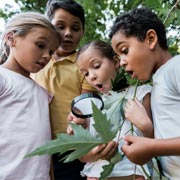 Forest School is not so much a place, destination, or static centre of learning as it is a child-centred philosophy and learning process. Through a Forest School programme, little learners can safely play, explore, and discover outdoors, close to nature, under the supervision of specially trained adult leaders. There, in the natural environment, they will learn new skills and grow holistically in a vast number of new ways.
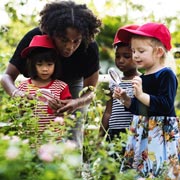 As well as being inspired by several incredibly influential proponents* of outdoor play, learning, and discovery, Forest School has its strongest roots in Scandinavia. It was there that people first took notice of their outdoor ‘Friluftsliv’ (free air life) culture. Soon becoming virtually a way of life, the philosophy began to spread around the world. It eventually arrived as ‘Forest School’, in the UK, back in the early 1990s. Its UK beginnings were initially led by staff from Bridgewater College, Somerset, who had visited Scandinavia to see Friluftsliv for themselves. Since then, Forest School’s popularity has grown and grown, with children and adults loving everything about it and enjoying the many benefits it brings.
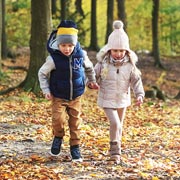 Forest School sessions are held regularly over an extended period of time and, weather conditions permitting, cover several seasons of the calendar year. They’re usually likely to include a variety of activities in tandem with general exploration and discovery. Examples might include climbing, balancing, problem-solving, activities connecting children to nature, working in teams to complete creative or building tasks, and so on.
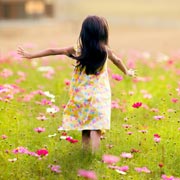 The impact of Forest School on children can be truly profound. It’s not only immense fun but also incredibly beneficial to little ones. Even those who previously might have been reserved, or who displayed challenging behaviour, often absolutely flourish when embarking on a Forest School programme. Indeed, many discover skills they didn’t know they had and often relate deeply to the natural world. Forest School is also a great leveller, with children from all kinds of backgrounds finding a new niche where any of them can thrive on an equal playing field. Nature is a place where social bonds adapt and grow in unexpected but often brilliant new ways. New connections are made on so many different levels too. And, with all its profound effects on children, Forest School often helps children develop a long-term appreciation for the natural world, the Great Outdoors, and the need to look after the planet responsibly. It really is a wonderful thing — and we can’t wait to introduce Hindley Green and Wigan children to Forest School.
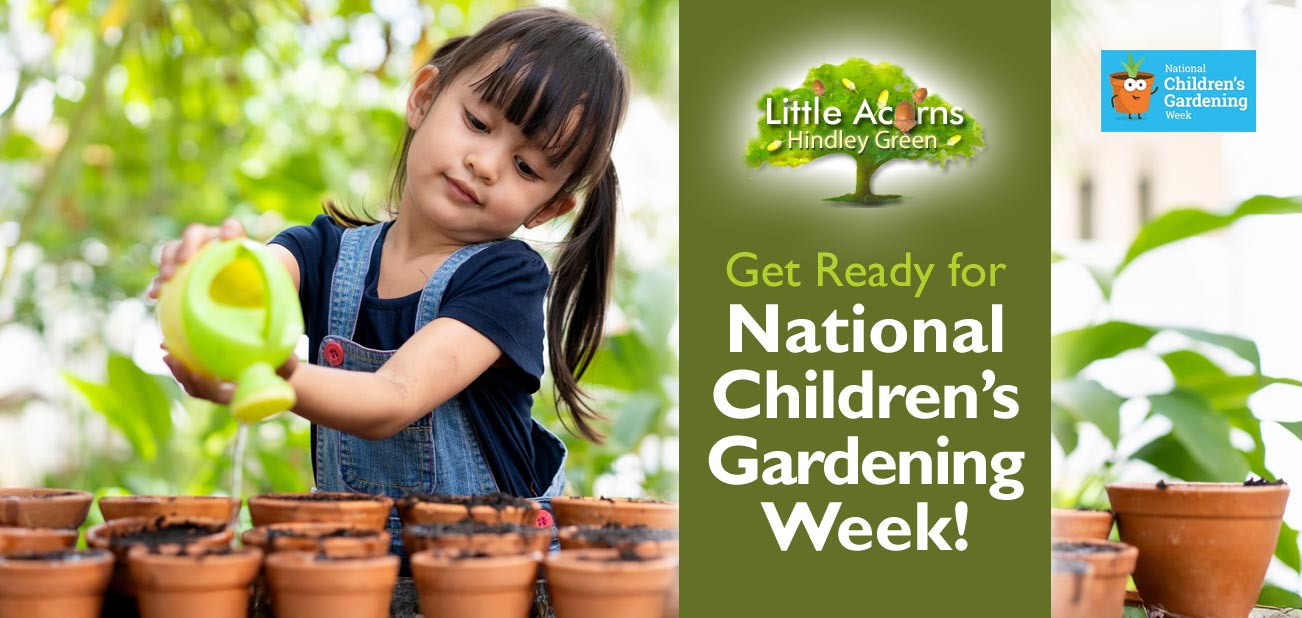
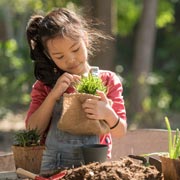 National Children’s Gardening Week arrives in May and is the perfect opportunity for children to get outdoors and enjoy some wholesome, nature-based activities. Starting towards late May, it’s a time when spring is in full swing, the weather is usually fine, and seeds and plants grow fast in the nourishing sunshine. Embraced by children at homes, in childcare settings, schools and community groups across the Nation, this special week is fun, educational, and hugely worthwhile for children. What’s more, it benefits Greenfingers, the chosen charity supported by the initiative.
 Many children have an instinctive connection to nature. National Children’s Gardening Week nurtures such instincts by encouraging children to get hands-on in the garden or local green space. As well as helping children discover many new facets about the natural world, activities in this special spring week will also teach them about the circle of life, ecosystems, and a sense of responsibility towards nature. It will also open their eyes to the beauty and wonder of the world as a whole, as well as giving them a greater sense of their place within it. Let’s also not forget that
 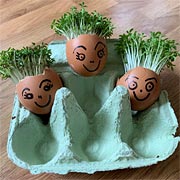 Growing mustard, cress, or microgreens is even more simple and can be accomplished entirely indoors if families have no outdoor access. What’s more, the results are very tasty to eat!

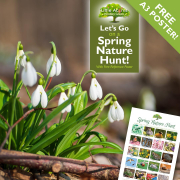
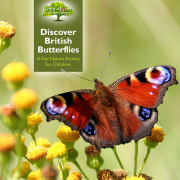 Discovery hunts are also fun and entertaining this spring. If children have completed the spring nature hunt above, they can graduate to
 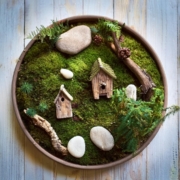 Make a mini garden, also similar to a fairy garden. These are always a huge hit with children, and look magical!
  In our introduction, we mentioned that this fabulous children’s gardening week raises money for Greenfingers. They are a wonderful charity that supports children in hospices. This is achieved by creating beautiful gardens and open spaces where children and their families and friends can spend quality time together. Without the support of Greenfingers, such magical spaces simply wouldn’t exist. Check out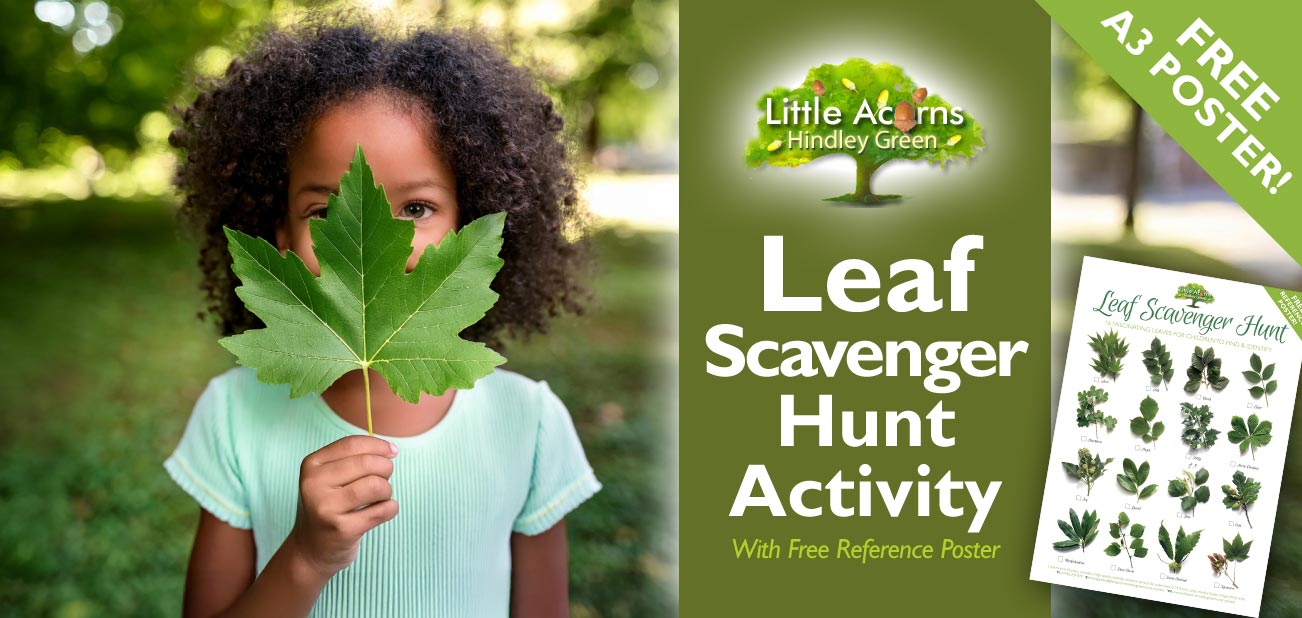
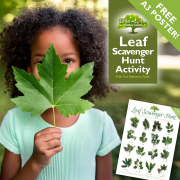
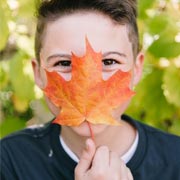 Wherever you look, nature’s flowers and trees are bursting with life during spring and summer. This got us thinking about the many nature-based activities that are possible for children and under-5s to enjoy at this time of year — under appropriate supervision, of course. One of them is a simple leaf-hunting activity that’ll get little ones exploring the outdoors, enjoying the fresh air, having some fun, and learning about the natural world. With this in mind, we’ve put together a Leaf Scavenger Hunt reference poster for children and families. It can serve as inspiration for some common leaves to look out for during the warmer months of the year. The poster is free to download, right here today, and highlights 16 different types of leaves. Included are oak, sycamore, beech, lime and many more. Children will probably be familiar with some — especially oak leaves with their wonderful little acorns — while others may be unfamiliar. However, all of our examples were sourced on a single morning’s outing, so it’s feasible to find all 16 kinds with a bit of eagle-eyed persistence! So, download the poster for your children, print it out, and explore the outdoors to see how many of the 16 leaf types your little one can find. See if they can identify the differences which make each species of leaf/tree/plant unique — and learn their names if they can. The free identification poster and some help from an adult should help. Have fun out there!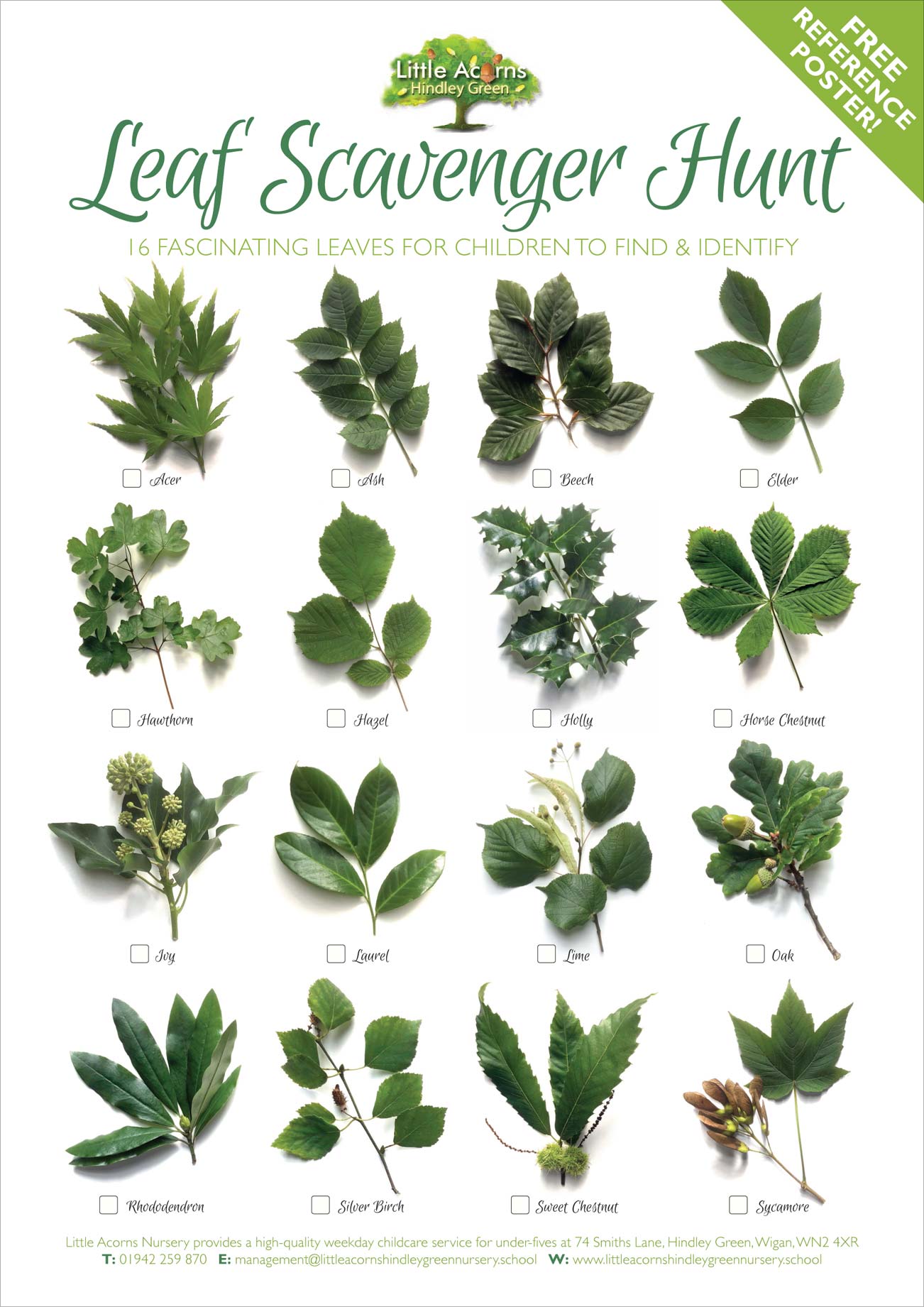
 Some of the leaves will be easier to identify than others. For example, Horse Chestnut (a.k.a. ‘conker tree’) leaves are quite distinctive with their fan of multiple sections (see the 2nd row, last image on the right on the poster for our example). In contrast, hazel and lime leaves are quite similar to one another. One easy clue to tell them apart is that lime leaves are slightly shiny, whereas hazel leaves are extremely matt. And, of course, they have very different seeds once those appear (the lime seed clusters are quite beautiful as you can see on the poster in the 3rd row, 2nd image from the right).
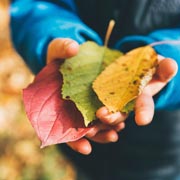 Another interesting factor to point out to children is that some of the leaves come in different colours. Beech leaves, for instance, can be green or deep burgundy, brown or dark purple depending on which variety of beech a child locates. It’s similar for acers, which can be green, yellow, red or a deep purple/maroon. Acers however, are more likely to be found in gardens and parks than in the countryside. Some are a little like miniature sycamores, only rather more delicate and fancy! And, come
  This activity is a great opportunity for children to open their eyes to the natural world. By looking at nature more deeply, they’ll see the finer details that may have been overlooked. Nature is incredibly varied and interesting when you take the time to look closely and discover it properly. It’ll teach children about the natural world, the seasons, the changes in plants and trees at different times of the year, the circle of life, and so much more. Getting out, close to nature, is also incredibly beneficial to children. From busting stress, improving well-being, supporting the EYFS and boosting exercise, to improving concentration and even academic grades,
  Once children have collected them, leaves can inspire various other creative activity ideas for children. For example, has your child ever tried leaf rubbing (putting a leaf under paper and scribbling over it to reveal the leaf structure), leaf pressing (pressing leaves between pages of a heavy book to allow them to dry and flatten), or leaf printing (painting a leaf with paint then pressing it onto paper to offset the leaf’s form as an image)? These are just a few examples of the
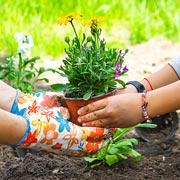 With World Bee Day arriving on the 20th of May and National Children’s Gardening Week arriving on the 24th, it’s an excellent time for a flower-growing activity for children — including under-fives. More specifically, the growing of bee-friendly flowers — from seeds — will be an excellent way to celebrate World Bee Day and support these adorable little creatures. Bees, butterflies, and other pollinators are incredibly important for the world, being largely responsible for pollinating the crops, including nuts, seeds, fruits and vegetables, that we rely on for food. Yet they are under threat with numbers dwindling severely in recent years. Without bees and other pollinators, the world’s animals, plants, trees, and flowers would be in real danger. Today’s bee-friendly flower-growing activity is therefore an incredibly worthwhile one for children to get involved in. It’s fun, highly educational for little ones, and will help to make the world a better place! Little ones, let’s get growing!
 Unless seeds are available from friends and family or harvests from previous years, parents of under-fives will need to source them. However, that’s easy and can be incredibly inexpensive. Most supermarkets sell seed packets and, if not, there is a whole range of online stores to choose from (
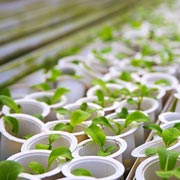 If children are going with our recommended second option, they will first need to read packets to ensure their timing is right. For seed trays, they can use inexpensive, commercially available seed trays or use smaller options like flower pots. Another free alternative is to use repurposed margarine tubs, yoghurt pots, or similar. Whichever option they choose will need drainage holes added underneath by supervising parents plus a drip tray of some kind. Whether that’s a commercial one or something as simple as a saucer is up to families.
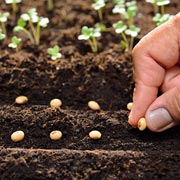 Once the soil is layered into the seed trays or pots, to a level an inch or so below the top, children can indent the soil/compost for the seeds to go into. Seeds can be manually spaced out into these indents so that, once they grow, the individual plants will be easily separated. We suggest scattering a shallow layer of sieved soil or compost over the seeds once placed into the indents and given a sprinkling of water.
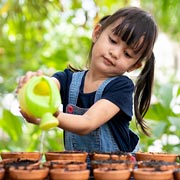 Children should continue to water the seedlings regularly, when needed, and may also have to thin out any ‘clumps’ or plants that are too close together, otherwise, several plants may get tangled and have to compete with one another unnecessarily.
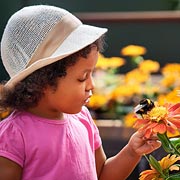
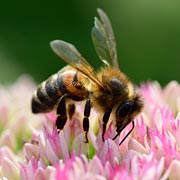 Once flowers appear, children can expect pollinators like honey bees, bumblebees, butterflies, and hoverflies to appear. It’s going to be magical for children when that day first arrives! Bees and the other pollinators truly are delightful and adorable. Children should look but not touch*, after all, bees have important work to do!
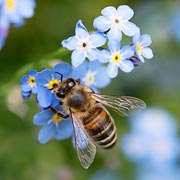 This activity will raise awareness of bees and pollinators in children of all ages. It’s not only a wonderful way to introduce children to these adorable creatures, but also a great opportunity to raise awareness of the plight bees and pollinators are facing. They are under severe pressure from habitat loss, global warming, the use of harmful pesticides/weedkillers, pollution, invasive predators, and many other threats that have made their populations plummet in recent years.

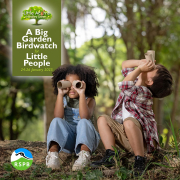

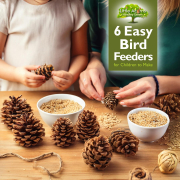
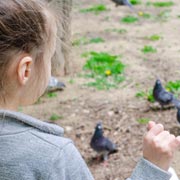 Families, set your diaries for the wildlife event of the year, which happens this January from Friday the 24th to Sunday the 26th inclusive. It’s free, takes just one hour, and allows children and adults to be part of the world’s biggest garden wildlife survey. During the event, families and individuals across the nation simply count the birds they spot in the garden, park, local green space, or even balcony over the course of 60 minutes. The results of hundreds of thousands of these surveys are compiled by the Royal Society for the Protection of Birds (RSPB) to build a picture of the health of the nation’s bird populations. It’s important scientific and ecological work and children can become citizen scientists if they simply take part. Learn more about the Big Garden Birdwatch and how to take part in today’s guide for families with children.
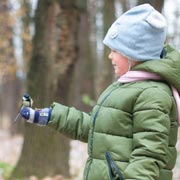 Children will love being involved in this important nature-based activity. They’ll not only play their part in helping birds and nature, but they’ll also have fun and learn something along the way. They will discover some of the many wonderful feathered visitors who live in their neighbourhood and learn about some of the important issues affecting the natural world. They’ll begin to grasp the impact of humans on Britain’s flora and fauna and learn the importance of conservation and looking after the natural world around them. Through this endeavour, they’ll learn how they can make a positive difference. They will also become little citizen scientists! It’s fun, educational, and will give them a wonderful sense of achievement too. It may even change their outlook over the long term and help them think about their own impact on the planet, which is a wonderful outcome. And last but not least,
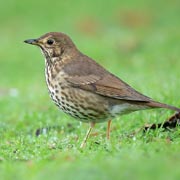 Once the chosen time and date arrive, all you/your children need to do is monitor birds landing on your chosen patch. Count those that actually land rather than any flying otherwise there’s a danger that one bird could be counted multiple times. What you need to record for the survey, though, is the largest number of each bird species that have landed at any one time during the hour. So, for example, if you spot two blackbirds that have landed at the same time in the first half hour, but later in the hour you can see 4 that have landed at the same time, then you need to record “4” for blackbirds.