
18 Reasons Why Outdoor Play is Essential to Children
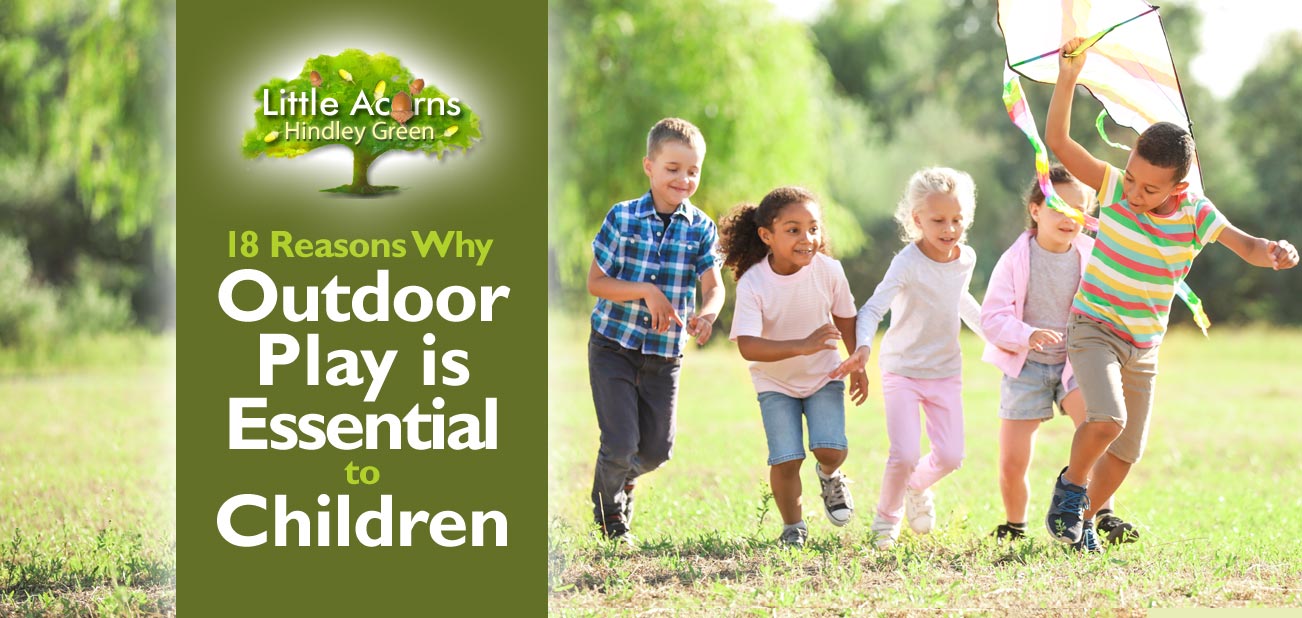
Outdoor play is one of the truly magical elements of any healthy, fun-filled childhood.Outdoor play is one of the truly magical elements of any healthy, fun-filled childhood. At the very least, it gives children the chance for some freedom, fresh air, and adventures that simply aren’t possible indoors. In today’s technological age of electronic screens, however, it’s also something that children have been doing less and less of over the generations. That’s a shame, when you think about it, not least because outdoor play is immense fun and incredibly beneficial to children. In light of this, today’s post explores 18 Reasons Why Outdoor Play is Essential to Children — of all ages. Take a look and see why outdoor play is so good for little ones.

Opportunities for Unique Adventures

Playing outdoors gives children wonderful opportunities for adventure.We mentioned it in our introduction — playing outdoors provides children with wonderful opportunities for real adventures! Whether it’s exploring The Great Outdoors on a family ramble, climbing on playground equipment with friends, embarking on a make-believe quest with the family dog, or making a den with siblings, there are no limits to what’s possible with outdoor play. Indeed, the adventures that are possible through outdoor play are only limited by a child’s imagination! Speaking of which…

Outdoor Play Boosts Creativity

Children are naturally inventive, especially when they play and create. Outdoor play opens up a myriad of new opportunities for them to use their imaginations, generate ideas, build, and create. Whether building a den, inventing new games, role-playing, or crafting things from natural objects, outdoor play naturally boosts children’s imaginations and creative skills.

Outdoor Play is Pure Fun!
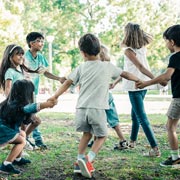
Playing outdoors is huge fun!Let’s not forget, too, that playing outdoors is huge fun — and that’s important. Simply put, playing outdoors and giving children space to run around will make them happy. And there’s not much in life that’s more important than a child’s happiness — it’s an essential part of any magical childhood.

Children Learn So Much Through Outdoor Play

It’s common knowledge that young children learn best through play. By playing outdoors, children are exposed to new and virtually infinite opportunities to learn new things. Whether it’s new facts about the world or about themselves, these new learnings are gold dust that will enrich any child.

Outdoor Play Encourages New Skills
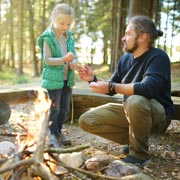
Outdoor play lends itself to the learning of new skills.Outdoor play lends itself to the learning of new skills. With such a varied array of activities possible, children will naturally attempt new things, and each of these can be an opportunity to extend their skills. Physical skills might include tying knots, building dens with branches, playing ball games, climbing, racing, and so on. In addition, children will learn softer skills like teamwork, cooperation, strategy, critical thinking, leadership, and role play. What’s more, all of this will happen instinctively — such is the power of outdoor play.

Outdoors is a Feast for the Senses

Playing outdoors is a potential feast for children’s senses (under adult supervision, of course). The outdoor environment is rich in textures, colours, smells, and scents that will stimulate children’s senses — taste too, under close adult supervision. Brightly coloured flowers that smell incredible, the fascinating textures of tree bark, soft moss growing on rocks, the delicious flavour of an apple, and multicoloured rainbows spanning the sky are just a few of the many things that’ll stimulate the senses of a child outdoors. Such stimulation teaches children about the world, about nature, and encourages new connections in children’s developing brains.

Improved Spatial Awareness

Next, we come to the proprioception and vestibular senses, which control and coordinate the position of the body through movement, spatial orientation, and the sensing of gravity — even when the eyes are closed. These additional, hidden senses are also stimulated by the many activities experienced during outdoor play, allowing children to fine-tune their spatial awareness, physical movements, coordination, and the adjustments of force. Such skills will allow them to move optimally and stay safer from potential harm.

Outdoor Play Boosts Friendships
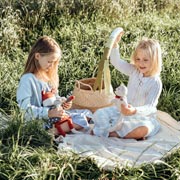
Outdoor play helps children make new social connections and deepen existing friendships.Children who regularly play outdoors will inevitably meet other children and encounter new dynamics. These will help them make new social connections, and immersive activities will deepen existing friendships. Playing outdoors is a great way, therefore, to strengthen and extend a child’s social circle, and boost social skills like teamwork, leadership, cooperation, brain storming, and so on.

Enhanced Communication Skills

All this outdoor play, which is seldom undertaken without other friends, siblings, or family members, is a natural conduit for improving communication skills. Group-based activities and multi-player outdoor games require clear communication skills, which children will naturally learn while having the best fun.

Outdoor Play Supports the EYFS

The Early Years Foundation Stage (EYFS) curriculum is, importantly, another beneficiary when children play outdoors. Several prime and key areas of the EYFS are supported when children do so. Examples include Physical Development, Communication & Language, Understanding the World, Personal, Social & Emotional Development and even Mathematics — each of these is boosted in children who play outdoors.

Outdoor Play Boosts Children Physically

Outdoor play will also help children boost strength, fitness, motor, and coordination skills.The often high-octane activities associated with outdoor play will also help children boost strength, fitness, motor, and coordination skills. By exposing themselves to different terrains, environments, tasks, games, and equipment outdoors, they will increase the variety of motor skills they need to accomplish activities. Running, jumping, hopping, constructing, chasing, and climbing will all help improve them physically, in so many ways that may not be possible indoors. What’s more, such things will help children protect themselves from harm, as well as empower them physically.

Proximity to Nature is Good for Children

Many studies have shown that being close to nature is immensely beneficial to children and adults alike. Indeed, the benefits of nature are profound and numerous to children (click the bold link to read our stand-alone article on the topic). In short, close proximity to nature boosts mental well-being, reduces anxiety, fights depression, and even improves academic grades. Incredibly, even just a view of a natural open space has been proven to improve children’s educational performance. Just a few minutes spent closer to nature can also help children reset following a time of stress.

Outdoor Play Helps Children Assess Risk
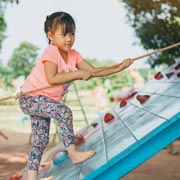
Playing outdoors, with adult oversight, is the perfect opportunity for children to begin learning how to assess risk.Playing outdoors, with adult oversight, is the perfect opportunity for children to begin learning how to assess risk. Whether it’s safely navigating outdoor play equipment, stepping over undulating ground, climbing a tree, or playing fast-paced ball games, children will soon learn when and how they need to assess possible risks. It’s a skill that, once learned, will keep them safer from harm, so is incredibly important.

Outdoor Play is in the Real World

Outdoor play takes children back to the all-important basics, away from electronic screens and the dangers of a more sedentary lifestyle. Outdoors, they’re deeply involved in activities, immersing themselves fully into real-life games and scenarios. That’s a far cry from sitting and looking at electronic TVs, tablets, smartphones and computers. And, with the UK recently debating whether it would be better to ban mobiles in schools and social media for children under 16, this is highly relevant today.

Outdoor Play Boosts Confidence

By playing outdoors, children get to enjoy greater movement, more independence, and an element of freedom that’s simply not possible indoors. By giving children such opportunities, they will naturally take charge of activities a little more, learn to make decisions for themselves, and add deeper levels of sophistication to their relationships with friends. Such opportunities will naturally boost independence, self-confidence, and self-esteem — essential tools to help them thrive as they get older.

Outdoor Play Helps Ready Under-5s for School

These new skills and enhancements make under-5s well-equipped when the time comes to leave preschool and begin school.All these new skills and enhancements make under-5s well-equipped when the time comes to leave preschool and begin school. Through outdoor play, they’ll have greater independence, confidence, communication and social skills, and physical skills, to name just a few. What a great way to help them hit the ground running from the moment they begin school!

Outdoor Play Widens Children’s Horizons

There are few activities that will better expose children to the wider world than outdoor play. Through it, they’ll discover new places, new facts, new skills, new activities, and broaden their understanding of our beautiful planet. As well as having fun and discovering new experiences, their eyes will be truly opened to the enormous scope of what’s out there if they care to explore. That widening of horizons can profoundly benefit their lives and future potential.

Outdoor Play Prepares Children for Life

Outdoor play prepares children for life through greater independence, better confidence, raised self-esteem, and new tools, skills and knowledge.All in all, outdoor play prepares children for life. Through greater independence, better confidence, raised self-esteem, and new tools, skills and knowledge at their disposal, children can go forward with new vigour and thrive. Such is the power of outdoor play.

So, with spring not far away at the time of writing, it’s a great time to plan some outdoor play for your children — under adult supervision, of course. Whether it’s a trip to the playground or a hike in the wilds of the countryside, outdoor play will benefit them in incredible ways. And it’s so much fun! What’s not to like?

Little Acorns Nursery, Hindley Green

A Weekday Childcare Service Near Wigan

Little Acorns Nursery & Preschool in Hindley Green, near Wigan, Bolton & ManchesterAt Little Acorns Nursery, Hindley Green, we understand the benefits of outdoor play and nature to children. With that in mind, children under our care get to experience rich and stimulating opportunities for outdoor play and proximity to nature. The childcare setting is fortunate to have extensive grounds, where children can enjoy playing on a wide range of equipment or explore nature zones.

Little Acorns Nursery supports free childcare hours for eligible families. This includes eligible children as young as 9 months old. To apply for a place, find out more, arrange a nursery tour, or get in touch, please get started below:

Little Acorns Nursery is located in Hindley Green, near Wigan. Families living nearby in Bickershaw, Leigh, Atherton, Westhoughton, Ince-in-Makerfield, Platt Bridge, Tyldesley, Bolton and Greater Manchester may also find it a convenient choice.
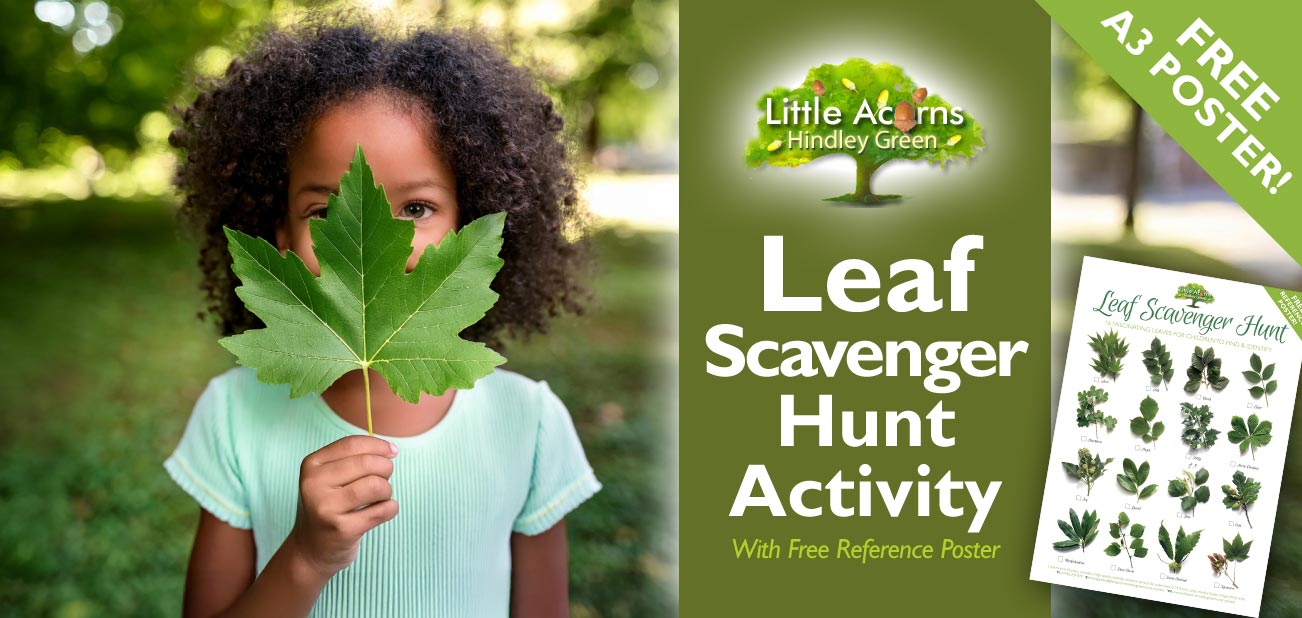
Leaf Scavenger Hunt Activity for Children (With Free Reference Poster!)

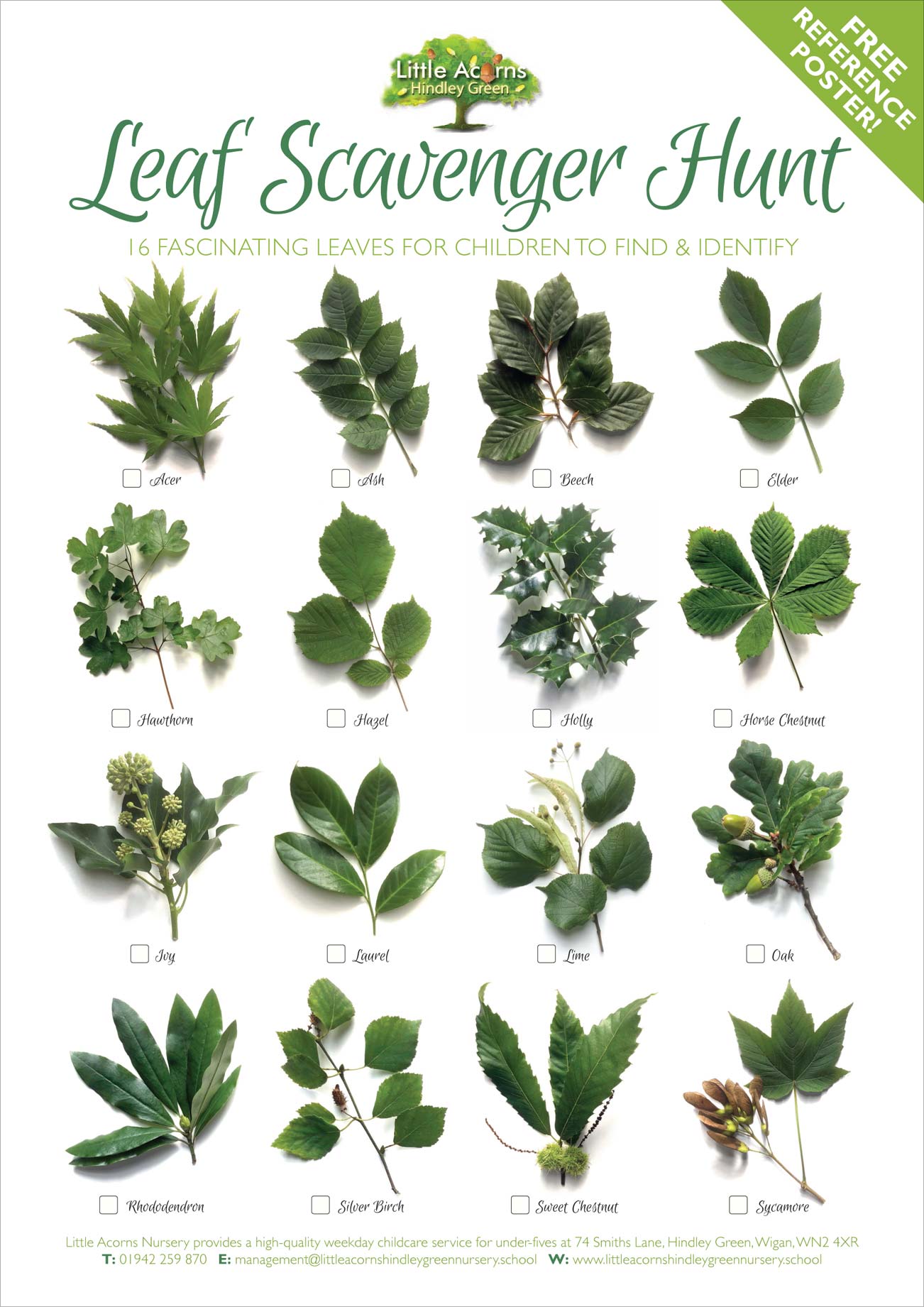
A simple leaf-hunting activity will get children exploring outdoors, enjoying the fresh air, having some fun, and learning about the natural world.Wherever you look, nature’s flowers and trees are bursting with life during spring and summer. This got us thinking about the many nature-based activities that are possible for children and under-5s to enjoy at this time of year — under appropriate supervision, of course. One of them is a simple leaf-hunting activity that’ll get little ones exploring the outdoors, enjoying the fresh air, having some fun, and learning about the natural world. With this in mind, we’ve put together a Leaf Scavenger Hunt reference poster for children and families. It can serve as inspiration for some common leaves to look out for during the warmer months of the year. The poster is free to download, right here today, and highlights 16 different types of leaves. Included are oak, sycamore, beech, lime and many more. Children will probably be familiar with some — especially oak leaves with their wonderful little acorns — while others may be unfamiliar. However, all of our examples were sourced on a single morning’s outing, so it’s feasible to find all 16 kinds with a bit of eagle-eyed persistence! So, download the poster for your children, print it out, and explore the outdoors to see how many of the 16 leaf types your little one can find. See if they can identify the differences which make each species of leaf/tree/plant unique — and learn their names if they can. The free identification poster and some help from an adult should help. Have fun out there!

Download the Free Leaf Scavenger Hunt Poster

Download a high-resolution version of the reference poster by clicking the preview image below (left- or right-click, depending on your specific browser settings). Children can also zoom in on their device’s screen if they would like to see more detail.

Leaf Scavenger Hunt activity poster (PDF, 2MB)

Identification Tips

Some of the leaves will be easier to identify than others, but our free reference poster will help.Some of the leaves will be easier to identify than others. For example, Horse Chestnut (a.k.a. ‘conker tree’) leaves are quite distinctive with their fan of multiple sections (see the 2nd row, last image on the right on the poster for our example). In contrast, hazel and lime leaves are quite similar to one another. One easy clue to tell them apart is that lime leaves are slightly shiny, whereas hazel leaves are extremely matt. And, of course, they have very different seeds once those appear (the lime seed clusters are quite beautiful as you can see on the poster in the 3rd row, 2nd image from the right).

Ash and Elder may initially also be harder to tell apart. However, children will soon note that Ash leaves have many more ‘compound’ leaves on each stem (up to 15) compared to Elder leaves, which tend to have between just 5 and 7. See the top row of the poster to compare them.

Ivy leaves, meanwhile, are one of the more distinctive leaves that often form a blanket over tree trunks, buildings, or garden sheds. Children can tell they’re ivy easily as they have clusters of unique flowers brimming with pollinators from summer onwards (see the first image on the 3rd row).

Leaves are Not Only Green

Leaves come in many different colours with deciduous leaves changing often to yellow, beige and/or brown in autumn.Another interesting factor to point out to children is that some of the leaves come in different colours. Beech leaves, for instance, can be green or deep burgundy, brown or dark purple depending on which variety of beech a child locates. It’s similar for acers, which can be green, yellow, red or a deep purple/maroon. Acers however, are more likely to be found in gardens and parks than in the countryside. Some are a little like miniature sycamores, only rather more delicate and fancy! And, come autumn, they also have ‘winged’ seeds like sycamores. Soon after this, deciduous leaves will turn brown for the autumn leaving only evergreens remaining green — as the name suggests — over the winter. Nature is fascinating and very educational!
The Wonders of Nature

Nature is incredibly beneficial to children. It reduces stress, improves mental well-being, supports the EYFS, boosts exercise, helps with concentration, improves academic grades, and more.This activity is a great opportunity for children to open their eyes to the natural world. By looking at nature more deeply, they’ll see the finer details that may have been overlooked. Nature is incredibly varied and interesting when you take the time to look closely and discover it properly. It’ll teach children about the natural world, the seasons, the changes in plants and trees at different times of the year, the circle of life, and so much more. Getting out, close to nature, is also incredibly beneficial to children. From busting stress, improving well-being, supporting the EYFS and boosting exercise, to improving concentration and even academic grades, nature’s benefits are immense for children as well as adults. Click the bold green link to learn more.

So, download the free Leaves Scavenger Hunt reference poster today and get outdoors to explore, discover, learn, and have fun with your little one in the Great Outdoors. It’s called Great for a good reason — enjoy!

Leaf Leaf

More Leaf Activity Ideas!

Leaf rubbing is a simple but effective art activity involving leaves.Once children have collected them, leaves can inspire various other creative activity ideas for children. For example, has your child ever tried leaf rubbing (putting a leaf under paper and scribbling over it to reveal the leaf structure), leaf pressing (pressing leaves between pages of a heavy book to allow them to dry and flatten), or leaf printing (painting a leaf with paint then pressing it onto paper to offset the leaf’s form as an image)? These are just a few examples of the fun and creative activities children can do with leaves. Follow the bold green link for lots more!

Little Acorns Nursery: Weekday Childcare in Hindley Green, Wigan

Little Acorns Nursery & Preschool in Hindley Green, near Wigan, Bolton & ManchesterLittle Acorns Nursery in Hindley Green is rated as a good childcare provider by Ofsted.

Little Acorns is a nursery in Hindley Green, near Wigan, Greater Manchester. Recognised by Ofsted as a Good Provider, the setting offers high-quality weekday childcare from 7:30 am to 6 pm throughout the year (excludes bank holidays and one week over Christmas). Our extended opening hours provide convenience for working parents who need wraparound care for children. We also support free childcare hours for eligible children including babies as young as just 9 months, via the government’s childcare funding schemes. If you’d like to explore the possibility of your child attending this fabulous setting, please get in touch by using one of the options below. We’ll be delighted to meet both you and your child, show you around the setting, and answer any questions. Please choose a button to get started:

Little Acorns Nursery is located in Hindley Green, so it may also be a convenient choice for families requiring childcare near Wigan, Atherton, Leigh, Ince-in-Makerfield, Platt Bridge, Westhoughton, Bickershaw, Tyldesley, and Bolton.

Alert Alert

Parental Supervision & Safety Reminder

Some leaves, like holly leaves, require particular care as they are usually very prickly. Other leaves may also present a hazard for some other reason. Examples include possible choking hazards (toddlers and the youngest children should steer clear of acorns, for example) or poisonous berries that can appear on some trees and bushes at certain times of the year. So, adult supervision is essential for this activity, especially for the youngest. Young children should be accompanied when outside exploring parks and the countryside (we plan to write a separate blog post about child safety outdoors, so watch this space). They should also be taught to keep their hands away from their mouths and wash them thoroughly with soap and water once outdoor activities are over.


Let's Go on a Spring Nature Hunt – With a Free Reference Poster!

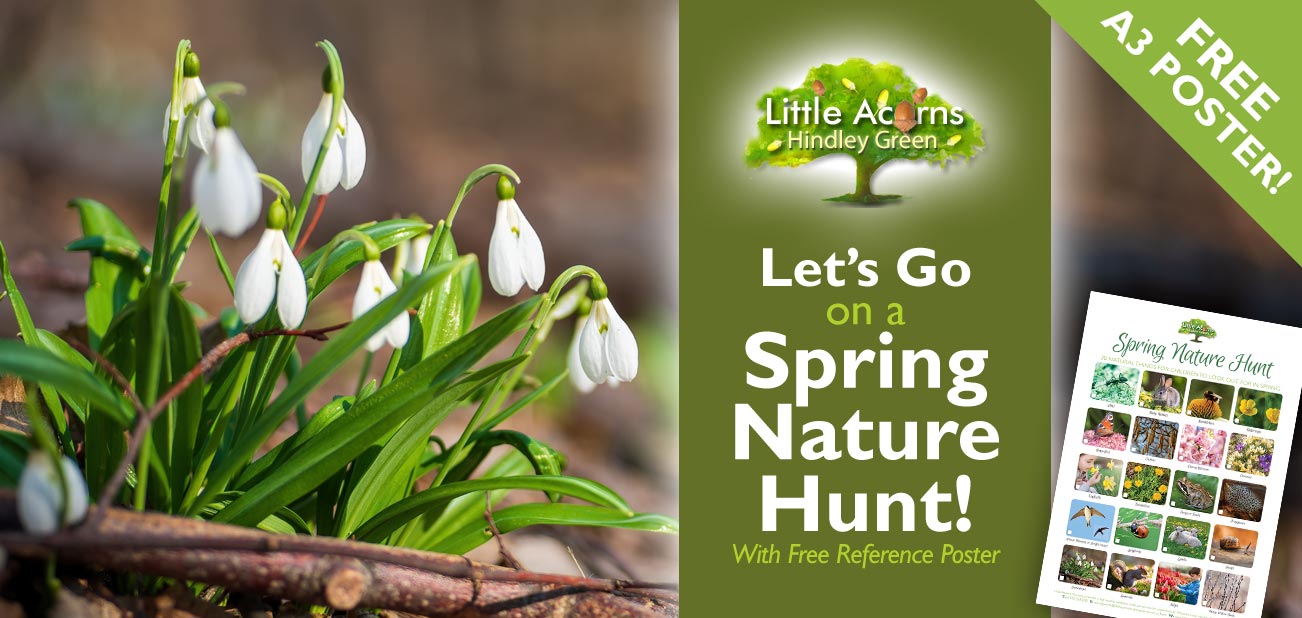
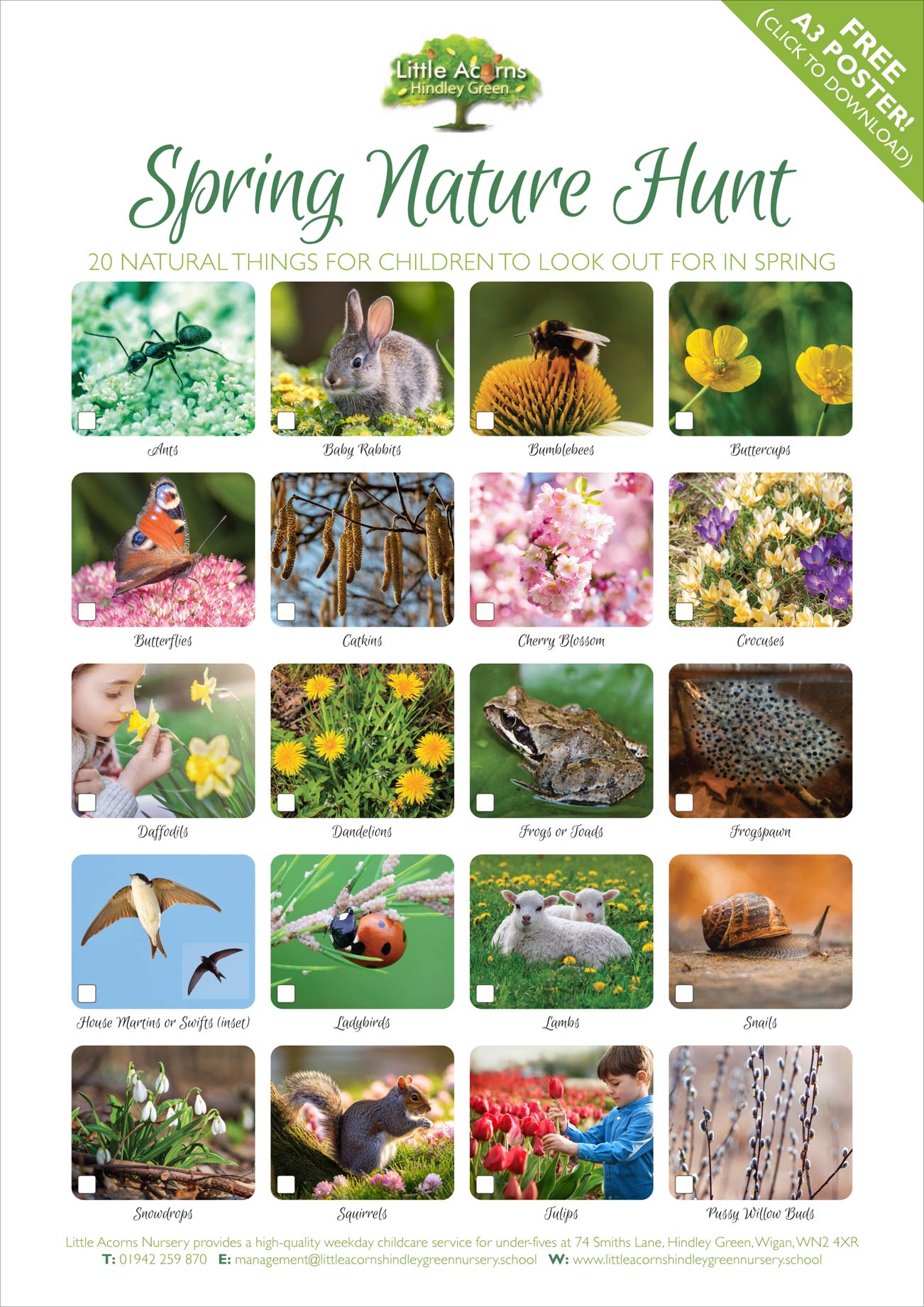
With signs of spring now all around us, it’s the perfect time to release our free ‘Spring Nature Hunt’ activity poster for children. We’ve highlighted 20 beautiful and fascinating things that children can look out for when outdoors during this wonderful season. The activity is a great excuse for children to get outside, open their eyes, and see some of the wonders that this season brings. When they take time to actively look, they can spot beautiful flowers like crocuses, snowdrops and daffodils blooming. Fascinating pussy willow buds and dangling catkins can be seen on country walks. Wonderful butterflies and bumblebees have started to arrive in gardens again, having been absent over the winter. Now spring is finally here, birds like house martins and swifts will also start to return to the UK skies — children will be able to watch them soaring through the air up high. Down on the ground, beautiful animals like lambs and baby rabbits are also sure to delight little ones during a nature walk. These are just a few examples of some of the natural things you can challenge children to look out for in spring and our free poster will be an excellent visual reference. So, why not download the free poster today, print it out for your children, and get closer to nature as a family? This nature-based activity is fun, educational, and really good for both children and adults — such is the power of the natural world!

Download Your Free Spring Nature Hunt Poster

Our free Spring Nature Hunt poster is downloadable below — simply click the preview image to either view or download (whether you left- or right-click will depend on your particular browser settings). Once downloaded and viewed in Acrobat Reader, the reference poster can be printed as large as A3 or as small as A4, A5, or A6 depending on your printer’s paper size. We suggest selecting the highest-quality settings and paper for the best results.

Preview of our free Spring Nature Hunt activity poster – click to view or download.

How Many Can Your Child Spot?

We’ve included little tick boxes, so family members can tick off each natural wonder as it’s spotted. Some, like bees, butterflies and daffodils, will be easier to spot than others. So, children get extra kudos if they spot a frog or frogspawn! For an extra element of fun, perhaps offer a prize, badge or sticker to the child who successfully spots and ticks off the most items on the nature hunt list.

Nature Activities are Hugely Beneficial to Children

Not only is today’s activity fun and educational, but spending time in and around nature is hugely beneficial to children — and adults! Study after study has found that it enhances cognitive function, bolsters sensory and motor skills, boosts creativity, and improves overall well-being. It’s a stress-buster. It leads to better awareness of environmental issues. Spending time close to nature even directly improves educational grades! Just a simple view of green outdoor spaces can do this — so it’s easy to see why nature is incredible and immensely important for children. These are just a few examples, so head over to our post about the importance of nature in early childhood here to learn more.

Get More Free Nature Activity Posters Here!

Download more of our free nature activity posters!

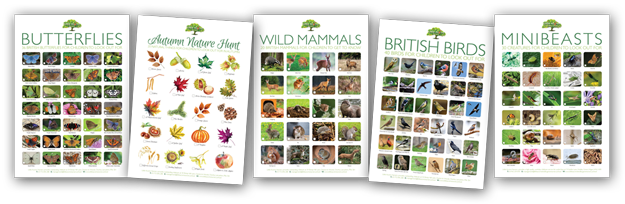
If you’d like to further encourage your child’s interest in nature and the outdoors, download additional free nature-based posters — available right here on this website. As well as today’s Spring Nature Hunt poster, we have one for a Winter Nature Hunt, an Autumn Nature Hunt poster, and others that introduce children to British butterflies, wild land mammals, birds, and minibeasts. Children love looking out for nature’s flora and fauna and the posters also make for attractive and educational displays on bedroom walls.

Nature at Little Acorns Nursery, Hindley Green, Wigan

Little Acorns Nursery & Preschool in Hindley Green, near Wigan, Bolton & ManchesterLittle Acorns Nursery in Hindley Green is rated as a good childcare provider by Ofsted. Children love spending time outdoors in nature, so we give them ample opportunities to do so at Little Acorns Nursery in Hindley Green, Wigan. Our extensive grounds include wild areas, nature zones, and lots of outdoor spaces and facilities. There, children under five can explore, discover, and learn about the natural world in a safe environment overseen by our childcare professionals. They can then reap all the benefits that nature and outdoor play have to offer — and there are many! It’s just one of the many benefits of sending your baby, toddler, or child under five to Little Acorns Nursery. It’s a lovely home-from-home environment where every child is valued, nurtured, and encouraged to be the best version of themselves in every area of their learning and development.

If you would like to explore the opportunity of sending your child to Little Acorns Nursery in Hindley Green, get in touch today. We’d love to meet you and your child, show you around, and answer any questions.

Little Acorns Nursery is a high-quality childcare setting for children under five in Hindley Green, near Wigan. Our location may also suit families living nearby in towns and villages including Leigh, Atherton, Westhoughton, Ince-in-Makerfield, Platt Bridge, Bickershaw, Tyldesley, and Bolton.


Alert Alert

Safety First!

Remember that children, particularly the youngest, will need to be supervised and accompanied when out in nature or on walks. There are many dangers out there and we’ll follow up with a separate post offering tips on child safety outdoors in due course.

Winter Treasure Hunt Activity (With Free Reference Poster)

Today’s Winter Treasure Hunt activity is a great antidote to the cold temperatures and shorter days that families experience during this season. So long as the weather is not dangerous or insanely cold, families can still enjoy the outdoors if they are dressed appropriately and children are adequately supervised. Even in winter, there is still so much for children to discover in The Great Outdoors! What’s more, spending time in and around nature is generally very good for both children and adults (more about that later). With all that in mind, we’ve put together a free reference poster that families can download and use as the basis for an exciting Winter Treasure Hunt. There are all manner of magical things for children to search for and discover in the winter months — from leaf skeletons, pine cones, and frosted spider webs, to animal tracks, icicles and miraculously unique snowflakes. So, take a look and download a free reference poster for your child today — and check out others in the same series.

Poster Preview:

Winter Treasure Hunt reference poster preview - click to view or download.

Click the poster preview image to either view or download it in high resolution (Acrobat PDF format). It can be printed out as large as A3 or as small as A4 or A5 if preferred. Perhaps print out a copy for children to take with them when they embark on their winter treasure hunt. Families can use the little tick boxes to keep track of each treasure discovered.

When the time is right, this activity should encourage children to get outdoors* to see some of the magical things that nature provides during the winter. Nature lifts the spirits, helps children and families get exercise, gives children a sense of freedom and adventure, and also has a whole host of other incredible benefits. So, this is a wonderfully worthwhile activity for children to take part in.

Little Acorns Nursery, Hindley Green, Wigan

Little Acorns Nursery & Preschool in Hindley Green, near Wigan, Bolton & ManchesterLittle Acorns Nursery in Hindley Green is rated as a good childcare provider by Ofsted.Little Acorns is a superb childcare nursery in Hindley Green, near Wigan. Children here also get to enjoy nature and outdoor play as we have extensive grounds, nature zones, wild areas, and many other high-quality facilities. And, of course, our facilities and resources indoors give them a rich environment where they can play, discover and learn, all at their own pace. It’s a wonderful home-from-home environment where children under five have fun, thrive in their learning and development, and feel valued. All in all, we give children the very best start in life and ensure they become well-rounded and school-ready by the time they leave us to begin school.

Get in touch today to enquire about a possible nursery/preschool place for your baby, toddler, or child under five. We’d love to show you and your little one around and answer any questions:

Little Acorns Nursery is located in Hindley Green, near Wigan, Greater Manchester. Families in Bickershaw, Leigh, Atherton, Westhoughton, Ince-in-Makerfield, Platt Bridge, Tyldesley, and Bolton will also find that it’s conveniently close for their childcare needs.

*Safety Notice

Children, particularly the young, will need to be closely supervised and stay vigilant to potential danger when venturing outdoors. Ensure children take care not to slip on mud, snow, or ice. Teach them how to avoid hurting themselves, for example when stumbling on uneven ground or catching themselves on sharp things like thorns, brambles, and rocks. Water sources like ponds and lakes are particularly dangerous — especially so when iced over — and children need to take extra care near traffic. And, of course, they need to be aware of possible stranger danger. These are just a few examples and parents/supervising adults will need to do their own risk assessments and stay vigilant at all times when accompanying children outdoors.

A Big Garden Birdwatch for Little People: 24-26 January 2025
The Big Garden Birdwatch takes just one hour and allows families to be part of the world's biggest garden wildlife survey.Families, set your diaries for the wildlife event of the year, which happens this January from Friday the 24th to Sunday the 26th inclusive. It’s free, takes just one hour, and allows children and adults to be part of the world’s biggest garden wildlife survey. During the event, families and individuals across the nation simply count the birds they spot in the garden, park, local green space, or even balcony over the course of 60 minutes. The results of hundreds of thousands of these surveys are compiled by the Royal Society for the Protection of Birds (RSPB) to build a picture of the health of the nation’s bird populations. It’s important scientific and ecological work and children can become citizen scientists if they simply take part. Learn more about the Big Garden Birdwatch and how to take part in today’s guide for families with children.
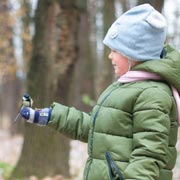
“With birds facing so many challenges, it’s more important than ever to get involved in the Birdwatch.” — RSPB.

The Purpose of the Big Garden Birdwatch

Nature is in trouble (more info). Threats include disease, pollution, climate change, habitat loss, incompatible farming methods, and the use of harmful chemicals in gardening and agriculture. Such issues adversely affect nature, leading to declines in the health of the flora and fauna of Britain. Insects including important pollinators like bees and butterflies are in decline because of this, as are many of Britain’s bird populations. And, if nature is in trouble, so are we. That’s because we depend on nature in so many ways, not least in relation to the growing of crops for food.

“House Sparrows took the top spot, but counts of these chirpy birds are down by 60% compared to the first Birdwatch in 1979.” — RSPB.

With all this in mind, the RSPB has organised an annual citizen survey, which has taken place every January since 1979. By gathering and analysing results from the survey each year, trends can be identified in bird populations, including in specific species which might be in trouble. Through such information gathering and analysis, it’s possible to see whether things are improving or declining. Only then is it possible to know what steps are needed to help any species in danger.

“We’ve lost 38 million birds from UK skies in the last 60 years.” — RSPB.

The Birdwatch is Worthwhile & Enriching for Children

Through the event, children will discover the wonderful feathered visitors in their neighbourhood and learn about some of the important issues affecting the natural world.Children will love being involved in this important nature-based activity. They’ll not only play their part in helping birds and nature, but they’ll also have fun and learn something along the way. They will discover some of the many wonderful feathered visitors who live in their neighbourhood and learn about some of the important issues affecting the natural world. They’ll begin to grasp the impact of humans on Britain’s flora and fauna and learn the importance of conservation and looking after the natural world around them. Through this endeavour, they’ll learn how they can make a positive difference. They will also become little citizen scientists! It’s fun, educational, and will give them a wonderful sense of achievement too. It may even change their outlook over the long term and help them think about their own impact on the planet, which is a wonderful outcome. And last but not least, spending time in and around nature is hugely beneficial to children.

Get Involved!

Families, children and individuals across the nation can play their part in this important annual survey. Apart from a little bit of time, it costs nothing to take part. The RSPB supplies free, downloadable, identification reference for the bird species that they’d like monitored, along with simple instructions.

How to Take Part in the Big Garden Birdwatch

Step 1: Register & Get the Free Guide

How to take part in the Big Garden BirdwatchRegistration for the January 2025 event is now* open. So, why not join the thousands of other families across Britain who have already registered and get ready for this truly worthwhile event? Sign up to register here. You’ll then be able to download your free Birdwatch guide. Downloadable and printed versions are available and you/your children can use these to identify birds in Step 4. Registering also gives you access to a discount in the RSPB shop, by the way, which may be useful if you want to buy things like birdseed to attract as many birds to your chosen patch as possible.

*(Time of writing: late Dec 2024).

Step 2: Decide on a Time & Date

Decide which hour your children or family will monitor birds. It needs to be some time during the period from Friday 24 and Sunday 26 January 2025 inclusive. You can do more than one survey if you like, but must choose a different location and hour for each separate one.

Step 3: Choose a Location

Decide where you will monitor and count wild birds. This could be your garden, local park or open space, or simply viewing from somewhere like a balcony.

Step 4: Count Birds

Record the highest number of each bird species you see at any one time.Once the chosen time and date arrive, all you/your children need to do is monitor birds landing on your chosen patch. Count those that actually land rather than any flying otherwise there’s a danger that one bird could be counted multiple times. What you need to record for the survey, though, is the largest number of each bird species that have landed at any one time during the hour. So, for example, if you spot two blackbirds that have landed at the same time in the first half hour, but later in the hour you can see 4 that have landed at the same time, then you need to record “4” for blackbirds.
“Record the highest number of each bird species you see at any one time.” — RSPB.

Submit your survey results even if you see no birds during your hour — such data is just as important as a positive result as it could indicate a problem in the bird population in your area.

Step 5: Submit Your Results

Once you have recorded your findings, submit them to the RSPB Big Garden Birdwatch online by 23 February. That link may not allow submissions until the event has actually started, so you won’t be able to submit your bird survey early. Alternatively, you can submit via post so that it arrives no later than 18 February. The postal address is shown on the free guide that you downloaded or requested in Step 1 above.

  • You can submit more than one survey, so long as you choose a different location each time.
  • Submitting results online gives you a much longer list of birds than space allows on the paper/post version.
  • However, you can also include additional birds you see in the free text box if using the paper form.

“Every bird you do – or don’t – count will give us a valuable insight into how garden birds are faring.” — RSPB.

Children Love Nature at Little Acorns Nursery, Hindley Green

Little Acorns Nursery & Preschool in Hindley Green, near Wigan, Bolton & ManchesterLittle Acorns Nursery in Hindley Green is rated as a good childcare provider by Ofsted.If you/your child enjoyed this activity, also check out our own free nature guides for little ones. We have a children’s ID guide for birds, one for butterflies, one for mammals and another for minibeasts. Children love looking out for these wonderful creatures and learn so much from nature-based activities. That’s why, at Little Acorns Nursery in Hindley Green, we also have large grounds, nature zones, and wild areas for children to play in. There, they can explore, discover and learn from the natural world and better understand their place within it. It’s just one part of the comprehensive early years education that’s on offer at this wonderful nursery and preschool near Wigan and Bolton, Greater Manchester.

High-Quality Weekday Childcare for Children Under Five, near Wigan

Why not come and see this unique childcare setting for yourself? Bring your baby, toddler, or under-five child with you and see how they’re suited. We’d love to show you around and answer any questions you may have and, if you think we’re a good fit, we’d love to enrol your child for a nursery place. Please choose an option below to start exploring the wonderful possibilities for your child at Little Acorns Nursery:

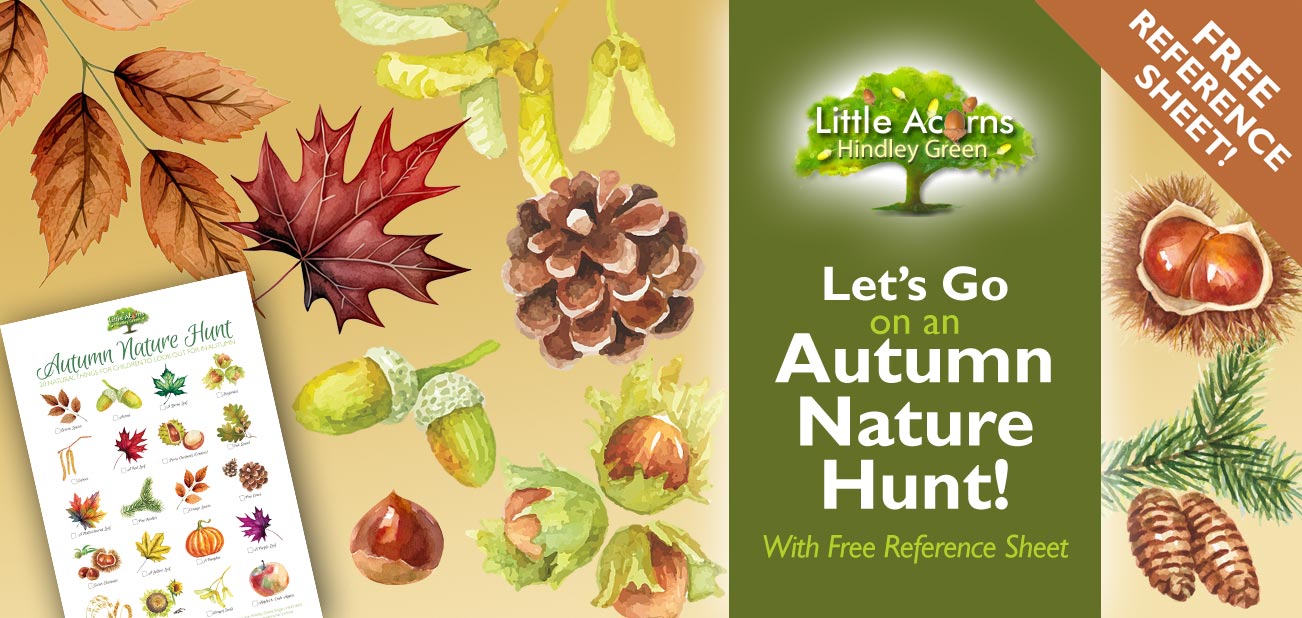
Let's Go on an Autumn Nature Hunt! (With Free Reference Sheet for Children)

Autumn is a beautiful season and one of the most magical times of the year. It is particularly fascinating for young children as they witness the wondrous changes that take place in nature. From the crisp, clean air and trees turning a myriad of colours, to leaves falling like leafy snowflakes, and nature providing an array of seeds, nuts and food for wildlife, it’s remarkable. At such a time, children can enjoy a wide variety of fun and educational activities out in the Great Outdoors. Such activities will demonstrate just how incredible Autumn and nature are and what a fascinating bounty of magical things they provide. There is so much to see and discover and all children need to do is get outside with family and friends and explore. With that in mind, we’ve put together a reference sheet that highlights 20 of Autumn’s treasures for children to look out for and collect, under adult supervision, at this time of year.

Download a Free Autumn Reference Sheet for Your Child

Click the preview image to download the Autumn Nature Hunt reference sheet in high resolution. Try printing it out using your best paper and printer settings for the optimum results, or view it on a tablet or smartphone to take with you and your child when you’re out and about. They’ll be able to use the reference to see which autumnal treasures they can find and then tick off from the sheet. It also makes a great poster, suiting prints up to A3 in size.

Preview of the Autumn Nature Hunt reference sheet. Click to download or view on screen.

Nature Teaches Children So Much

The Benefits & Importance of Nature to Children in Early ChildhoodFinding natural autumn treasures is a great opportunity for children to appreciate the magic and beauty of nature, understand the seasons, and learn about the circle of life. Parents or accompanying adults can explain how seeds and nuts grow into plants and trees or even encourage little ones to plant them in pots to grow at home.  Demonstrate how seeds from trees like sycamores can fly on the breeze like helicopters and spread the tree population to wider areas — children will love that! Explain how some of the season’s treasures provide a bounty of food that wild animals and birds can eat or even store for the winter. Children will find such conversations and insights fascinating. Spending time in and around nature is hugely beneficial to children. It will also help little ones better understand the world — and their place within it. Such conversations are also a wonderful starting point for children to explore further as, like the seeds, they grow and flourish.

“Let nature be your teacher.” — William Wordsworth.

More inspirational quotes about nature and childhood can be found here.

Little Acorns Nursery, Hindley Green, Wigan

Consider a Place for Your Child at our Hindley Green Nursery and Preschool, near Wigan

Little Acorns Nursery & Preschool in Hindley Green, near Wigan, Bolton & ManchesterLittle Acorns Nursery in Hindley Green is rated as a good childcare provider by Ofsted.Staff and children love nature at Little Acorns Nursery in Hindley Green, near Wigan. With our extensive grounds, nature-themed zones, wild areas, and high-quality facilities, children get to play, discover and learn in a rich environment. It’s a wonderful place where babies and under-fives have fun, thrive and flourish. Rest assured, too, that our early years practitioners do everything they can to help each child become the very best version of themselves in readiness for the start of their school life.

If you have a baby, toddler, or child under five and live in the Hindley Green or Wigan area, why not come for a guided visit with your child? We’ll show you around and you’ll see, first-hand, what a lovely home-from-home childcare setting it is — and how well your child will fit in. And, once you’re ready, we’d love you to register for a place so that we can welcome you to the Little Acorns family. Choose a button to get started:

Little Acorns is a high-quality nursery and preschool in Hindley Green. As such, we are also conveniently close to families in nearby towns and villages including Bickershaw, Leigh, Atherton, Westhoughton, Ince-in-Makerfield, Platt Bridge, Tyldesley, and Bolton, Greater Manchester.

Discover British Mammals – A Fun Nature Activity for Children (with Free Poster!)

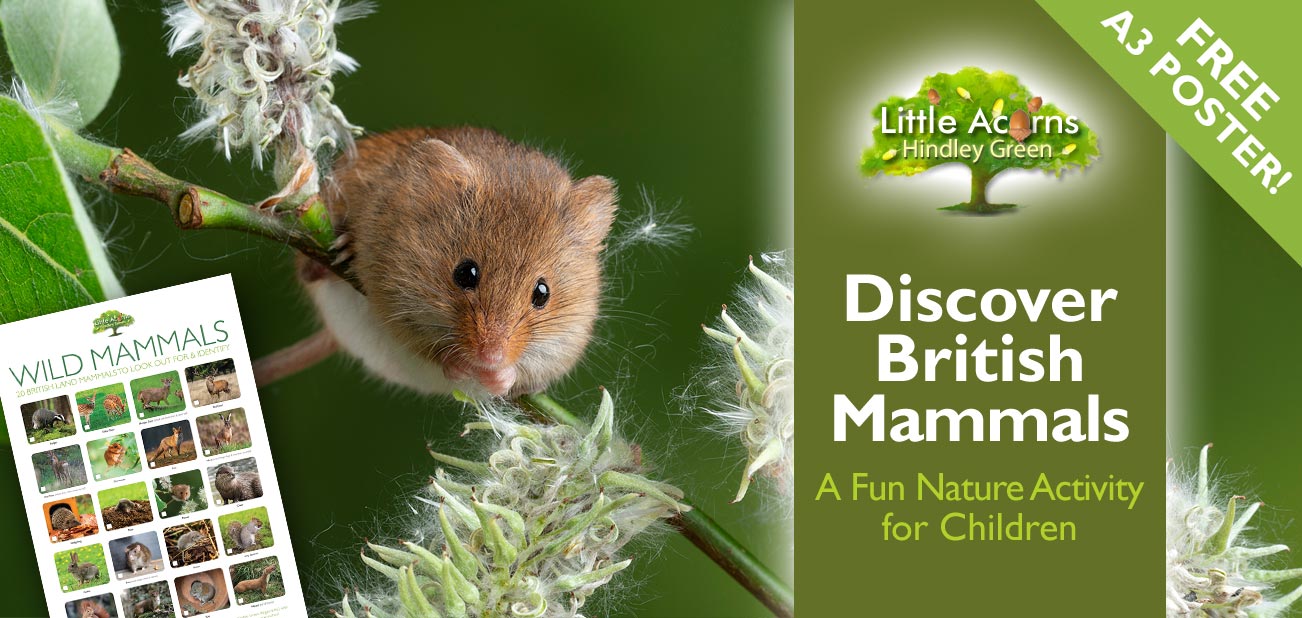
Today, we’re publishing a lovely new poster in our wildlife series for children and their families to download. This one features 20 beautiful British wild mammals that little ones can learn to recognise, name, and look out for. It’s important to encourage little ones to have an interest in nature because nature is incredibly good for children, especially in the early years. That’s just one of the reasons we regularly publish free wildlife and nature-themed posters for families. Once printed out, children can display our posters on bedroom walls or perhaps print out smaller to take with them when they walk or play in natural spaces. With that in mind, take a look at the preview below, click to download it, and print it out for your child today. This British Mammals poster is a simple, fun, and educational way to get children interested in nature-based activities outdoors.

“The best education does not happen at a desk, but rather engaged in everyday living – hands on, exploring, in active relationship with life.” — Vince Gowmon

(Find more inspirational nature quotes for children here).

British Land Mammals Poster – Preview

Click the poster preview to view or download it in high-resolution Acrobat PDF format. (You probably already have it but, if not, Acrobat Reader is available free here. Whether you left- or right-click the preview image to view or download the poster depends on your individual web browser set-up). Once downloaded, the poster can be printed as large as A3 in high resolution, or reduced to A4 or A5 if preferred. Tip: choose your printer’s highest-quality settings and paper for the best results.

British Wild Mammals poster preview. (Click to view or download).

As you can see from the preview image, some of the featured animals are fairly common, such as grey squirrels, wild rabbits, and foxes. Others, however, are less commonly seen — although that makes it all the more exciting when they are finally spotted! Only last week, in fact, a close family member excitedly sent through a photo of a lovely red squirrel that they saw on holiday while on the Isle of Wight. It’s wonderful that such creatures, whose populations have declined, can still be seen in some areas of Britain. Anyway, though, whether it’s a tiny dormouse or a magnificent red deer, Britain’s land mammals are, without doubt, adorable and something that many children will love.

More Free Nature Posters to Download

Today’s mammal poster is one of a series of free nature-based posters that children and families can download and print out from this website. Others include a Minibeasts poster, a British Birds poster, and a wonderful British Butterflies poster. Click the bold green links to learn more and download the free posters for your child.

“Just like a bee needs a flower; a child needs nature.” — Brandi Rondinelli

Little Acorns Nursery:

Our First-Class Childcare Setting in Hindley Green, Near Wigan, Greater Manchester

Little Acorns Nursery & Pre-School in Hindley Green, near Wigan, Bolton & ManchesterLittle Acorns Nursery in Hindley Green is rated as a good childcare provider by Ofsted.Learning from nature comes naturally at Little Acorns, a first-class nursery in Hindley Green, near Wigan. With its extensive grounds, outdoor nature zones, and wild areas, it’s the perfect childcare setting for children to enjoy some fresh air and freedom (under supervision, of course) as well as benefit from everything else that such a good nursery has to offer. At Little Acorns, our childcare practitioners do everything they can to nurture children’s learning and development, knowledge, and skills so as to bring out the best in them. This sets them up to absolutely thrive as individuals and in readiness for school.

Explore the possibility of a childcare place for your child at Little Acorns Nursery in Hindley Green, near Wigan, today. We’ll be delighted to show you and your little one around, answer any questions, or simply register them for a place. Click a button to get started:

The nursery is located in Hindley Green but may also suit families in nearby towns and villages including Bickershaw, Leigh, Atherton, Westhoughton, Ince-in-Makerfield, Platt Bridge, Tyldesley, Bolton and, of course, the Greater Manchester region.

Inspirational Quotes about Nature in Childhood

While writing a recent post relating to the benefits of nature in childhood, we came across some profound quotations about the topic. Inspired and, at times, touched by some of these, we decided to gather some of our favourites together for today’s post. We therefore share with you today Inspirational Quotes About Nature in Childhood. We hope you, too, are inspired by them — perhaps enough that you encourage your little one(s) to spend even more time with you outdoors, closer to nature. It’s incredibly good for them. Take a look, bookmark the page, and perhaps even save the quote images to print and display at home.

TIP: Click Ctrl+D on your keyboard to bookmark this post

Some of the quotations are touching, aren’t they? Clearly, many of the great poets, scientists, educators, academics, and scholars recognised the hugely positive impact that nature has on children — and indeed people of all ages. And, as we head towards summer at the time of writing, the weather should soon allow families to spend more time outdoors, so they can reap the many important benefits that nature and outdoor play have to offer. Perhaps start by downloading our free posters for a bird spotting activity, a minibeast activity, or a butterfly spotting session. Children will love to see what (or rather who) they can find in the natural world!

We hope you enjoyed and were inspired by today’s batch of quotations. We’ll publish more quotes relating to childhood in due course, so perhaps click Ctrl+D on your keyboard to bookmark this post or our blog area.

Nature Education at Little Acorns Nursery, Hindley Green

Little Acorns Nursery & Pre-School in Hindley Green, near Wigan, Bolton & ManchesterLittle Acorns Nursery in Hindley Green is rated as a good childcare provider by Ofsted.Children at Little Acorns Nursery in Hindley Green are very fortunate to have access, when appropriate, to extensive grounds. These are subdivided into several zones, which include nature and wild areas as well as sensory zones, sand and water play and much, much more. The gardens and outdoor play zones are places where children can explore, discover, and learn in a highly stimulating environment, all under the safe supervision of our nursery practitioners.

Weekday Nursery & Preschool Places Near Wigan

If you would like to explore a possible childcare place in an exceptional Hindley Green nursery near Wigan, please get in touch using one of the options below. We support various Government-funded childcare schemes too, meaning free childcare hours are available for eligible families. Please choose an option to get started:

Little Acorns is a high-quality nursery & preschool in Hindley Green, near Wigan. As such, we may also suit families that require childcare services near Bickershaw, Leigh, Atherton, Westhoughton, Ince-in-Makerfield, Platt Bridge, Tyldesley, Bolton and Greater Manchester.

Discover Minibeasts – A Fun Nature-Based Activity for Children

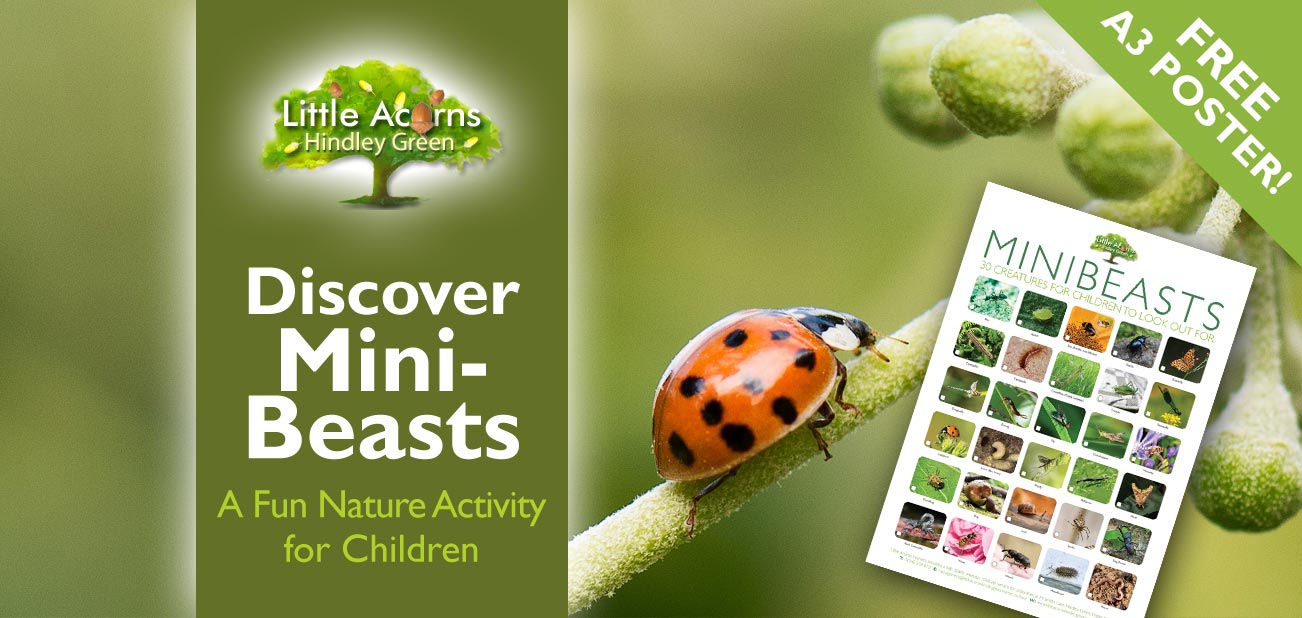
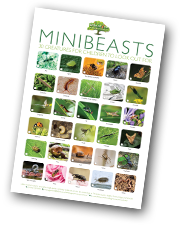
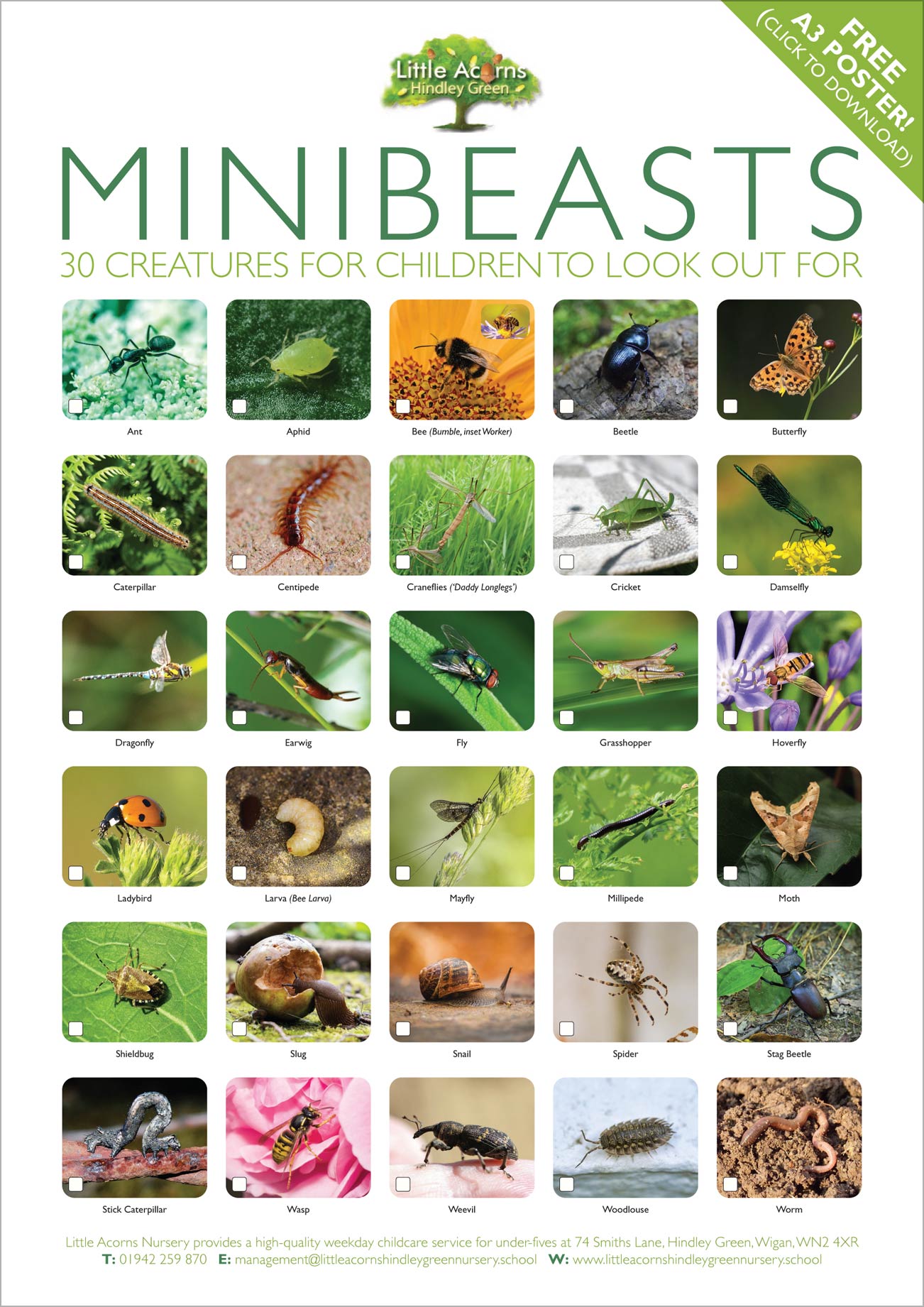
Today's activity comes with a free A3 poster that families can download to help identify 30 types of creature.Today’s ‘Discover Minibeasts’ post is the third in our series of nature-based activities for children. And, as with the bird spotting and the butterfly spotting activities, this one also comes with a free A3 poster for families to download. Children will be able to use the poster to identify the 30 different species of minibeast that are featured. From ants and aphids to weevils, woodlice and worms, there are some fascinating critters for children to look out for.
Did you know? There are about 25,000 different types of minibeast in the UK!

Minibeast spotting is a great activity that will help to nurture children’s interest in outdoor play and nature — and that’s important. Study after study shows that spending time in nature is hugely beneficial to children of all ages. As well as helping children physically, emotionally and spiritually, nature and outdoor play help them learn new skills and can even improve grades (follow that last bold link for more details). What’s more, it can lead to a life-long love and appreciation of nature and The Great Outdoors, as well as encouraging children to learn about ecological issues like global warming, habitat loss and the need to protect the natural world. Such is the potential power of today’s humble minibeast-spotting activity! With that in mind, why not download our free poster today? It’s completely free and no sign-up of any kind is needed.

Preview of the Free Minibeasts Poster:

Preview of the A3 poster. Click to download it (full instructions can be found below the image).

How to Download the Poster

Simply click the large poster preview image or this link to view/download the high-resolution version (whether you left-click or right-click to download will depend upon your particular browser settings — try both if you’re unsure). The file is less than 3MB in size. You will need Acrobat Reader on your device, which is available free of charge here. When printing out, we recommend using full colour and high-quality settings and paper for the best results. You/your child can alternatively view the poster on screen, e.g. on an iPad or tablet, which will allow you/your child to zoom in for the highest detail.

Given that minibeasts are mostly found outdoors, it’s important for children, especially the very young, to be supervised, for safety purposes. There are many potential dangers outside, so parents or caregivers will need to be vigilant around these when supervising little ones.

Tips for Spotting Minibeasts

Once children are armed with handheld versions of their minibeast posters, they’ll need to work out where best to spot them. The good news is that minibeasts are almost everywhere there are plants, trees and soil. Children can look for the more visible minibeasts like bees, butterflies, caterpillars, moths, ladybirds, aphids and hoverflies simply by looking for flowers and plants, which are a food source for such critters. Other minibeasts like grubs and earthworms may be found within soil and compost, so a little (gentle) digging around may prove fruitful for them — but care will need to be taken not to harm the little creatures. Meanwhile, the best places to find creatures like beetles, woodlice, millipedes and centipedes are generally going to be under things. For example, they may have their homes under piles of leaves, under flower pots, under rotting logs and — the best place of all for minibeasts — in the compost heap!

Be Gentle — Encourage Empathy

When supervising children for this minibeast-spotting activity — or any other involving animals and insects — please be sure to teach children about gentleness and empathy. Minibeasts are small and fragile creatures, so ideally should be looked at but not touched or disturbed. Teach children that each is an individual, with its own life, needs and feelings. Minibeasts will also not want to be taken from their homes, wherever those may be. So, please do encourage children to be gentle and kind, just like they’d like to be treated themselves if it were the other way around. Thank you.

Is your toddler frightened of insects like spiders? If so, try naming them, for example, “Simon the Spider”. In this way, children will begin to associate each as an individual, rather than just a scary and nameless critter. This approach can really help!

Discover Minibeasts!

All in all, minibeast spotting is a fun and fascinating activity for children to take part in and is perfect for the spring, summer and autumn seasons. As well as being fun, educational and worthwhile it also raises children’s interest in ecological matters. For example, it may lead children to realise the need to nurture the natural world, the problems associated with harmful pesticides and weedkillers, and the need to leave natural, undisturbed areas for wildlife to flourish. Children will eventually become the stewards of our beloved Planet Earth, so educating them early about looking after the planet is crucial for the existence not only of the flora and fauna, but also for mankind itself.

A Focus on Nature at Little Acorns Nursery, Hindley Green

Little Acorns Nursery & Preschool in Hindley Green, near Wigan, Bolton & ManchesterLittle Acorns Nursery in Hindley Green is rated as a good childcare provider by Ofsted.The childcare professionals at Little Acorns Nursery know full well how important nature is to children as part of their early years learning and development. That’s why we’re adopting the ‘Hygge’ lifestyle at the setting. We ensure children get ample access to outdoor spaces to play, explore and learn in whenever possible. Even indoors, children get access to natural materials and resources.

Do you have a child under five and live in the Hindley Green area, near Wigan, or in a nearby location like Bickershaw, Leigh, Atherton, Westhoughton, Ince-in-Makerfield, Platt Bridge, Tyldesley, or Bolton? If so, Little Acorns Nursery offers a first-class early years education and weekday childcare service that’ll give your little one the very best start in life. We’ll nurture them and do everything we can to help them develop into the very best version of themselves so that they’re fully prepared and ready for school by the time they leave us as they approach the age of five. What’s more, we support Government funding including free childcare schemes for eligible families. Get in touch today to register your child for a nursery/preschool place, book a guided tour of the nursery or ask a question. We’re here to help!

Discover British Birds – A Fun Nature Activity for Children

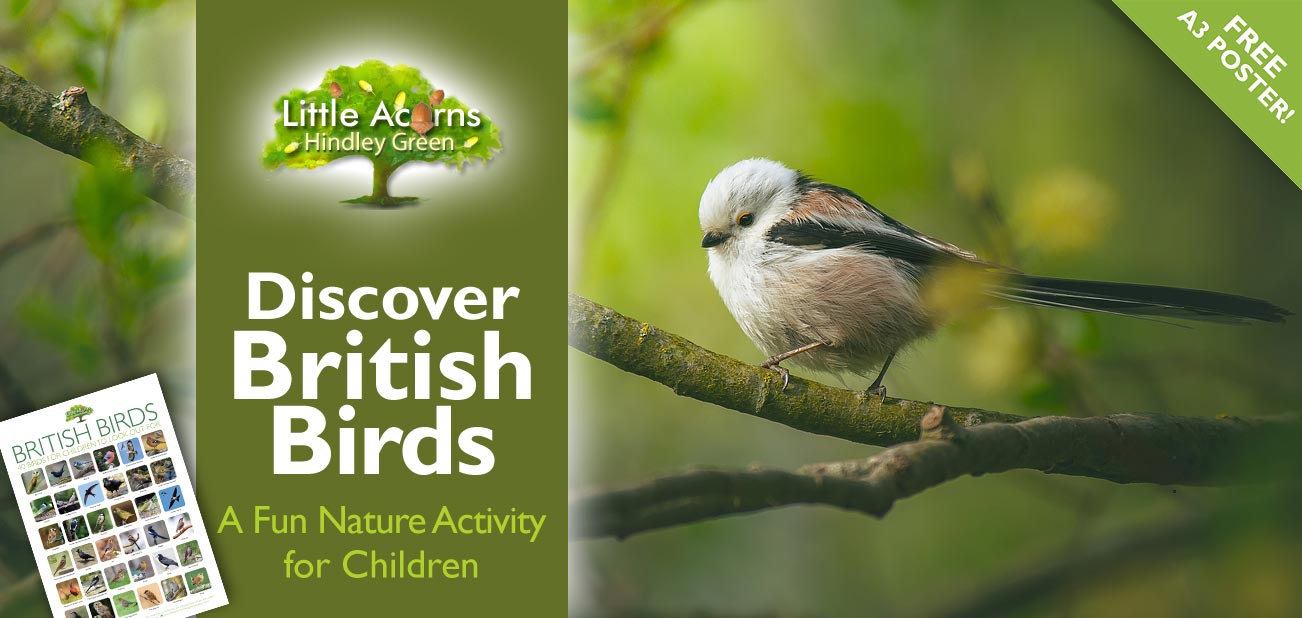
Today's nature-based activity comes with a free poster download for children/families to print out and use as a checklist.Today, in a follow-up to the butterfly-spotting activity that we published in May, we bring you a matching bird-spotting activity for children to take part in. The activity will help to nurture children’s interest in birds and nature, which is beneficial to children in a myriad of different ways. It’ll also encourage them to recharge in the fresh air, outdoors, and escape from electronic screens and toys for a while. Outdoor play is important for little ones and many studies have backed this up.

Free Bird Poster

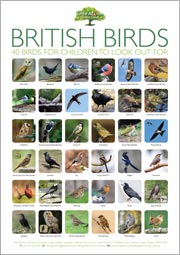
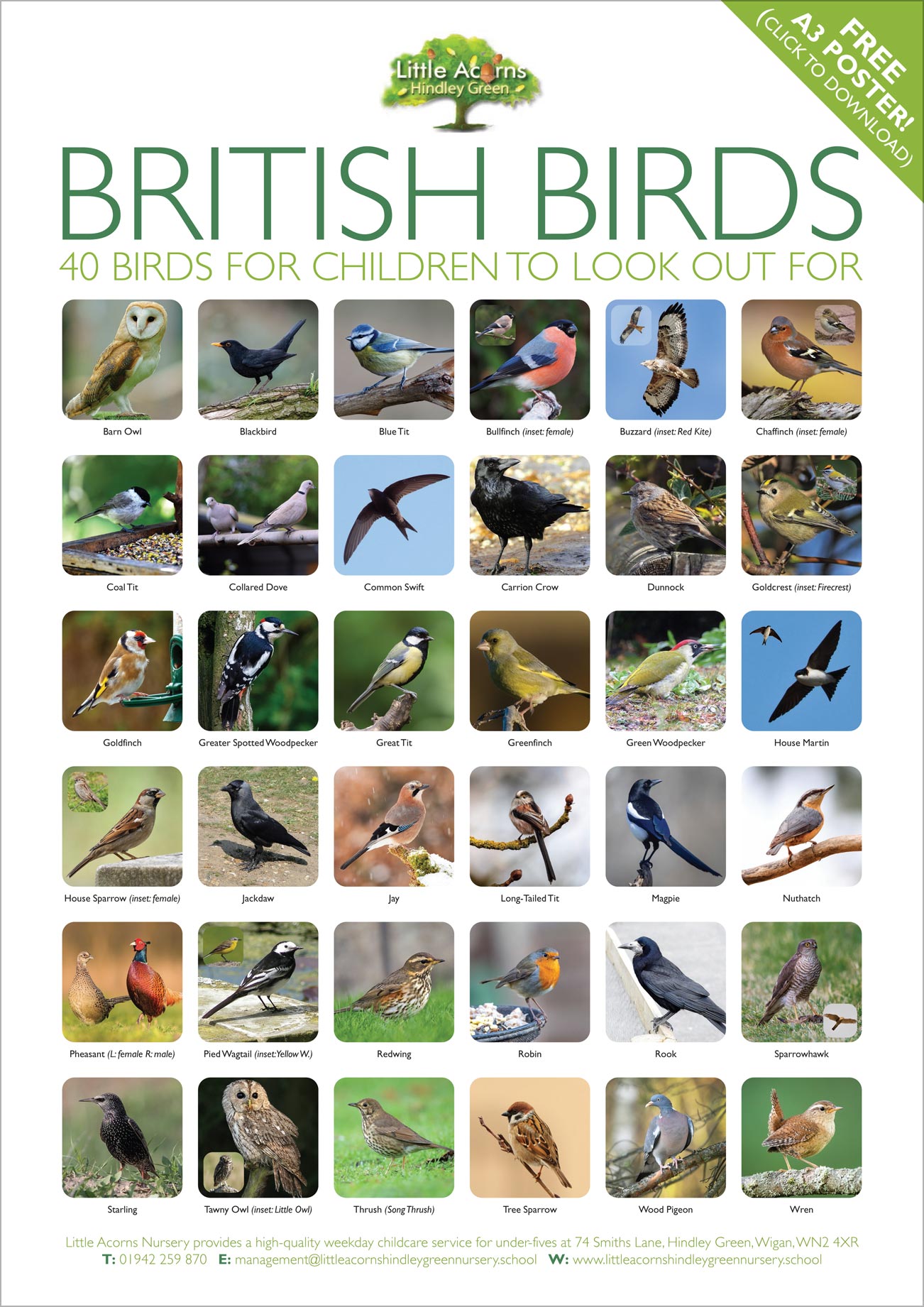
Like before, today’s article comes with a free reference poster for families to download and print out. The poster features 40 different species of bird that can be found in Britain. Most are fairly common, with just a handful that are more shy or seen more rarely. Children, including those under five, can display the A3 poster on their bedroom or nursery wall, or print it out as a smaller hand-out to use as reference when they’re outdoors. The visual reference will allow children to see how many different birds they can spot over the course of a year, we suggest. Supervising adults can help them to learn the bird names too, as we appreciate the youngest may not yet be able to read the names unaided. Take a look at the poster preview below and download it for your child today.

Preview of the Free Bird Poster:

Preview of the free poster download - click to view/download (see instructions panel).

Download Instructions

Depending on your settings, you can usually left- or right-click the image above (or this link) to either open it on screen or save it to your device. Once opened in Acrobat Reader , your child will also be able to view the images large, by zooming in, to get all the fine detail. If printing out, we recommend using high-quality printing paper and the finest colour settings for best results. Print at A3 to use as a poster or A4 to use as hand-outs for your children to take outdoors.

Tips for Spotting Birds

As well as being a fun, nature-based activity, bird spotting can teach children valuable skills like patience, stealth, observation, perseverance, critical thinking and empathy to name just a few. With that in mind, here are some tips that may help children to see more types of birds when taking part in this activity.

  • Try different locations and a variety of natural environments, including at different times of the year (spring to autumn). Your child will see different types of birds by using this approach. Please note, however, that we have not included waterfowl in our poster, although may keep that option up our sleeves for a future poster/activity.
  • Teach children to keep movements and sound minimal when they’re waiting for birds to come to a particular spot, so the birds are not frightened away.
  • If moving, for example through a forest, moving quietly and stealthily will ensure that children will see more types of birds. Care even over each footstep will help if it means that children will avoid making a ‘crack’ because they stepped on a twig. Such an approach will also help them hone their balance and gross motor skills, as well as make the activity feel more exciting.
  • Attracting birds with the right kinds of bird food will help with this activity. In gardens, ‘peanut cakes’, suet seed balls, sunflower ‘hearts’ (seeds with the outer husk removed) and, sparingly, grated Cheddar cheese are always popular.
  • The use of binoculars or monoculars will help spot birds further away. For safety, children should use them only under adult supervision and avoid pointing them towards the sun and other bright objects.
  • Teach children to also listen out for the various bird calls, as those can give away the location and even type of birds.
  • Encourage children to develop a ‘keen eye’, i.e. good observational skills that are proactive as well as reactive.

Why This Activity is Important

As well as being fun, educational and beneficial to children through time spent in nature, bird-spotting helps to draw children’s attention to the plight of birds, other wild creatures and the natural environment. Sadly, the number of birds has dropped by nearly 60% in the UK since 1979. The population of house sparrows alone has declined by almost 22 million in the last 57 years. The Chief Executive of the RSPB stated the following after 2023’s Big Garden Birdwatch:

“The numbers speak for themselves when it comes to the startling declines of some of our once common birds…
We are in a nature and climate emergency and we’ve lost 38 million birds from our skies in the last 50 years.”

Nature activities like butterfly-spotting, bird-spotting, country walks and outdoor play around nature will help foster children’s interest in the Great Outdoors and the simple pleasures associated with spending time in the natural environment. That alone is very good for both body and soul. In parallel, though, such activities are also likely to encourage an interest in ecology, conservation, reversing habitat loss, and eco-friendly lifestyles. All of these benefit the world itself. Moreover, such interests often last a lifetime. So, this simple type of children’s activity can have a real domino effect.

Nature-Based Activities for Under-5s at Little Acorns Nursery, Hindley Green

Little Acorns Nursery & Preschool in Hindley Green, near Wigan, Bolton & ManchesterLittle Acorns Nursery in Hindley Green is rated as a good childcare provider by Ofsted.Because spending time around nature is so important, the team at Little Acorns Nursery in Hindley Green ensure that children get good access to nature, nature-based activities and even natural materials. This approach is backed up by our adoption of Hygge’ at the setting. This, together with our first-class approach to early years childcare, give babies, toddlers and preschoolers a great start in life, giving them all the tools to absolutely thrive. As well as that, we also support all Government-funded childcare places for eligible families.

Why not register your little one for a childcare place at Little Acorns Nursery in Hindley Green, near Wigan? Get in touch using a button below and we’ll be happy to show you and your little one around, answer questions and register them for a nursery place.

Little Acorns is a high-quality nursery & preschool in Hindley Green, near Wigan. We are also nearby to Bickershaw, Leigh, Atherton, Westhoughton, Ince-in-Makerfield, Platt Bridge, Tyldesley, Bolton and Greater Manchester, so may also suit families living or working in those locations.

Safety & Well-Being

Before we sign off from this post, we should mention the topic of safety and well-being for children. Vigilance around these is critical and seldom more crucial than when children are spending time outdoors. Children, especially the very young, should therefore be closely supervised by a responsible adult at all times, paying special attention to hazards including ponds and water sources of any kind, poisonous plants, toxic chemicals (weedkiller, pest killer etc.), trip hazards, nasty drops and uneven ground, sources of germs, barbed wire and other sharp objects, roads, railways and traffic, potential allergens, choking hazards, stranger danger, risks around becoming lost, and so on. Parents/adults will need to constantly watch out for potential risks and teach children to do so too. This list is not exhaustive, so do your research/assessments.