
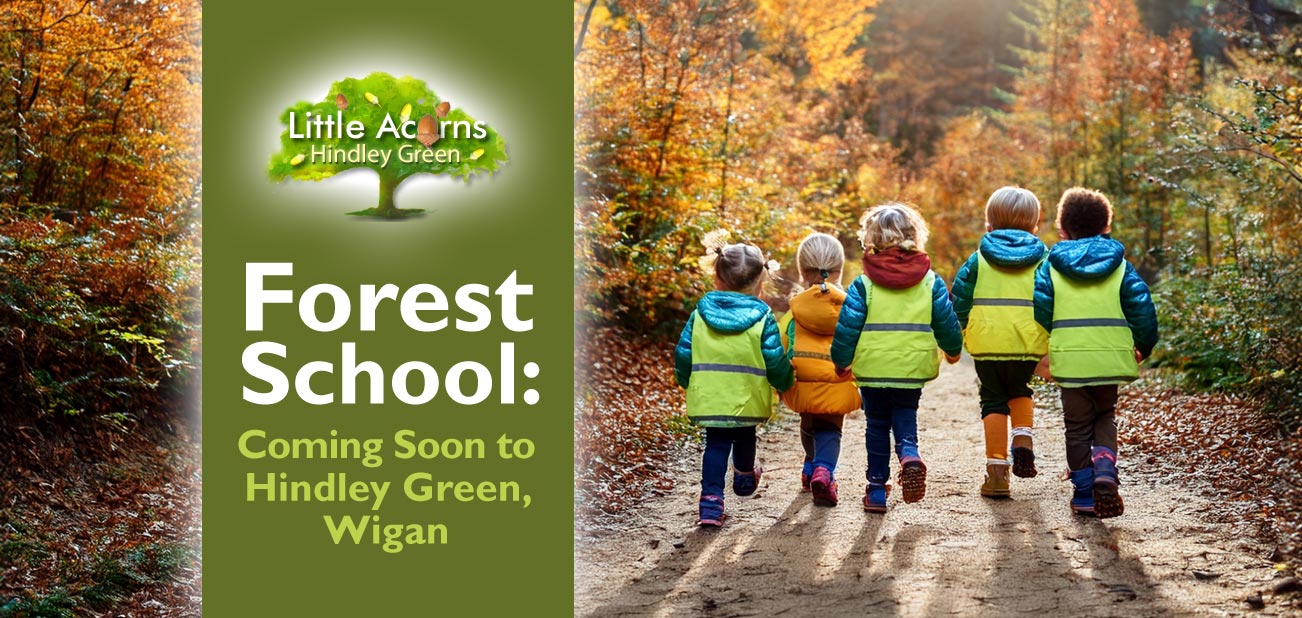
 The team at Little Acorns Nursery is delighted to announce that we’ll soon be running regular Forest School sessions for children under five in the Hindley Green/Wigan area. Little ones absolutely adore Forest School — they seem instinctively drawn to nature and natural outdoor spaces. Like them, we simply can’t wait to begin! Preparations and training are underway, and we hope to begin our first Forest School sessions for children from September 2026. It’ll be a really exciting addition for the new term and for families living nearby. With all that in mind, today’s post explains what Forest School is all about, how it came to be, and how it benefits children, especially those under five.
By way of introduction, take a look at this excellent introductory video from The Forest School Association. It explains the fundamentals of Forest School and is about 6 minutes long. That said, we suggest skipping the last minute — everything after the 5-minute mark — to avoid the more commercial content in the final section.
What Forest School Is … & What It Is Not
 Forest School is not so much a place, destination, or static centre of learning as it is a child-centred philosophy and learning process. Through a Forest School programme, little learners can safely play, explore, and discover outdoors, close to nature, under the supervision of specially trained adult leaders. There, in the natural environment, they will learn new skills and grow holistically in a vast number of new ways.
“Qualified practitioners carefully facilitate programmes which are uniquely tailored to the needs of the individuals within the group and have the fundamental aim of building participants’ self-esteem, confidence, independence and creativity.” — Forest School Association (FSA).
The Forest School approach is backed by research that concludes that attending regular outdoor sessions helps children develop in truly profound ways, including spiritually, emotionally, intellectually, socially, and physically. That’s a lot of benefits! What’s more, it helps open young children’s eyes to the wonder and scope of the wider natural world — and helps them better understand how they fit into it.
Forest School’s Roots
 As well as being inspired by several incredibly influential proponents* of outdoor play, learning, and discovery, Forest School has its strongest roots in Scandinavia. It was there that people first took notice of their outdoor ‘Friluftsliv’ (free air life) culture. Soon becoming virtually a way of life, the philosophy began to spread around the world. It eventually arrived as ‘Forest School’, in the UK, back in the early 1990s. Its UK beginnings were initially led by staff from Bridgewater College, Somerset, who had visited Scandinavia to see Friluftsliv for themselves. Since then, Forest School’s popularity has grown and grown, with children and adults loving everything about it and enjoying the many benefits it brings.
What Do Children Do During Forest School Sessions?
During Forest School sessions, children are escorted under the supervision of trained Forest School leaders to a natural open space which, ideally, includes woodland or a wooded section. There, they will play, explore, discover, and learn in a myriad of exciting and stimulating ways. They will develop holistically, learning new skills whilst doing so, as well as developing their own unique relationship to the natural world.
“Forest School programmes aim to develop, where appropriate, the physical, social, cognitive, linguistic, emotional and spiritual aspects of the learner.” — FSA.
 Forest School sessions are held regularly over an extended period of time and, weather conditions permitting, cover several seasons of the calendar year. They’re usually likely to include a variety of activities in tandem with general exploration and discovery. Examples might include climbing, balancing, problem-solving, activities connecting children to nature, working in teams to complete creative or building tasks, and so on.
Importantly, Forest School sessions are designed to be low-impact in their effect on the natural world. This is part of the philosophy of Forest School, with one of the key aims being to foster a sense of responsibility towards the natural world in each child.
“Forest School aims to foster a relationship with nature through regular personal experiences in order to develop long-term, environmentally sustainable attitudes and practices in staff, learners and the wider community.” — FSA.
Forest School principles can also be applied in the nursery setting as well as at home, when appropriate. There, under adult supervision, children can continue on their Forest School programme using resources found in nature as inspiration for ideas, creativity, and further learning.
What About Health & Safety?
All Forest School sessions are undertaken with trained leaders and, of course, appropriate adult supervision and adult-to-learner ratios at all times. In line with the Health & Safety policy of the nursery, practitioners hold appropriate paediatric first aid qualifications. Additionally, a variety of risk assessments are also taken in relation to children exploring the natural environment. Interestingly, though, Forest School sessions are also a perfect way to introduce children themselves to the concept of assessing risk — something they too need to learn to manage as they grow older.
Children Get So Much from Forest School
 The impact of Forest School on children can be truly profound. It’s not only immense fun but also incredibly beneficial to little ones. Even those who previously might have been reserved, or who displayed challenging behaviour, often absolutely flourish when embarking on a Forest School programme. Indeed, many discover skills they didn’t know they had and often relate deeply to the natural world. Forest School is also a great leveller, with children from all kinds of backgrounds finding a new niche where any of them can thrive on an equal playing field. Nature is a place where social bonds adapt and grow in unexpected but often brilliant new ways. New connections are made on so many different levels too. And, with all its profound effects on children, Forest School often helps children develop a long-term appreciation for the natural world, the Great Outdoors, and the need to look after the planet responsibly. It really is a wonderful thing — and we can’t wait to introduce Hindley Green and Wigan children to Forest School.
“Forest School aims to promote the holistic development of all involved, fostering resilient, confident, independent and creative learners.” — FSA.
Forest School at Little Acorns Nursery
A Wonderful Start for Children Under 5 in Hindley Green, Wigan

Little Acorns Nursery in Hindley Green provides high-quality childcare every weekday, almost all year round. We open early at 7:30 am and close late at 6:00 pm, offering wraparound convenience for working families. We support free childcare places for eligible children too, and look forward to welcoming children to our Forest School programme later in 2026. We’ll announce when it opens officially here on the blog and on social media. We can’t wait to start!
If you’d like to learn more about a nursery place and a Forest School programme for your child at Little Acorns Nursery in Hindley Green, please get in touch using one of the options below:
Our nursery and Forest School in Hindley Green is also perfectly located for those living nearby in Wigan, Bolton, Bickershaw, Leigh, Atherton, Platt Bridge, Westhoughton, Ince-in-Makerfield, Tyldesley, and Greater Manchester.


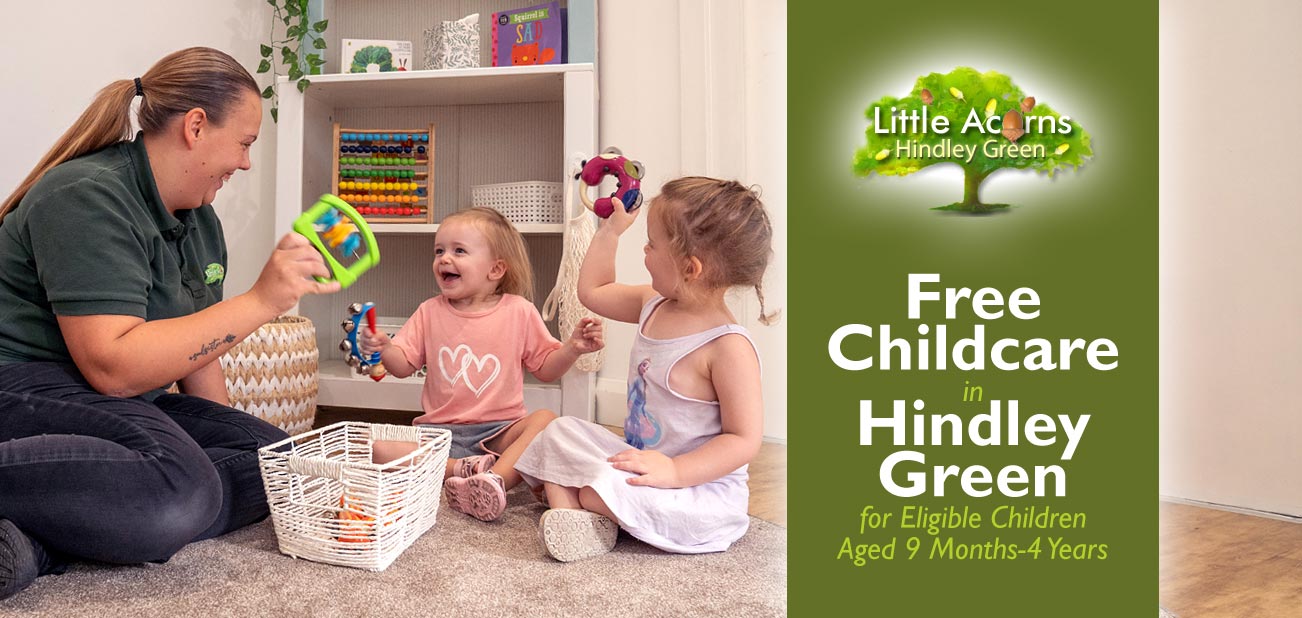
 Since September 2024, the number of free childcare hours available for eligible children aged 9 months to 2 years (inclusive) is 570 per year. This is usually taken as 15 hours per week over 38 term-time weeks of the year*. In further good news, the allocation is set to double to 1140 hours per year from September 2025, thereby aligning with what eligible 3 and 4-year-olds are already entitled to (see below).
 Meanwhile, a total of 1140 hours of free childcare is currently available for eligible children aged 3 and 4 each year. This is usually taken as 30 hours per week over 38 term-time weeks of the year*.
 Whether your child is funded by family or via one of the
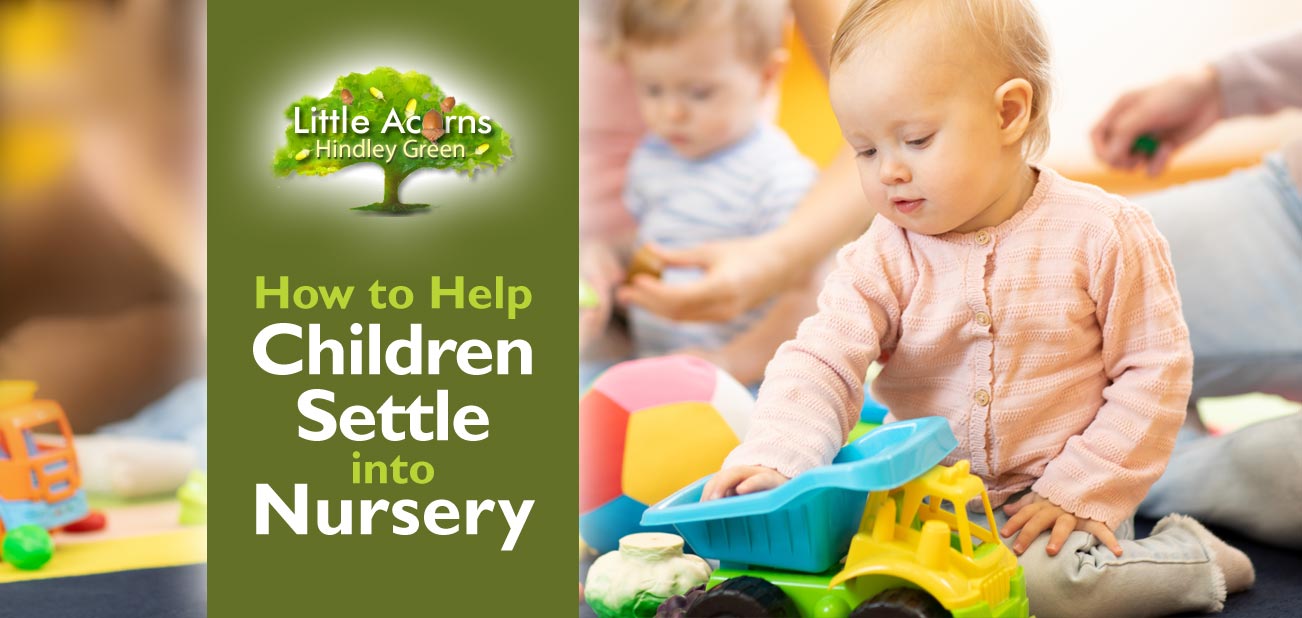
 Draw up a short list of possible settings for your child, having first whittled down the choices by
  If your child already has a friend or neighbour of a similar age who will also attend your chosen nursery, it can be very useful. Both children will then have a friendly face to play with from Day 1. If not, it should be easy enough to ask around to find out about other local children who will start at the nursery when your child does. Arranging play dates for them in the weeks running up to the start date will help each child familiarise themselves with one another, so they each have a friend or two at the nursery right from the start. It’s a great way of settling them in.
 Aside from the initial guided tours undertaken, we schedule 2 formal settling-in visits for children once a place has been offered. These hour-long settling-in sessions usually occur in the week before children are due to start at the nursery formally. They are both free of charge. Here’s how they are approached:
 Reassuring your child will also help them settle into nursery – so communication is key. This is true both before they start and once they attend, particularly at the beginning. Before starting, it’s important to ensure they know that changes will soon happen, what to expect when the time comes, and that it’s going to be a big adventure with lots of fun! Encourage questions and answer them sensitively. They also need to be reassured that you will always be there, behind the scenes, looking out for their best interests. And, of course, it’s crucial for them to know you’ll be there to pick them up at home time (don’t be late!).
 As we said previously in our
  Encourage children by celebrating their successes at the nursery. Whether it’s the successful completion of their first day, the first tear-free day, the making of a new friend or any other accomplishment, ensure you congratulate your child. This will give them a sense of achievement, reassure them that they’re doing well, and encourage them to keep attending and building on their progress.
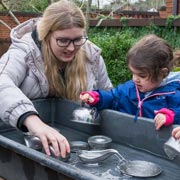 With children sometimes taking as many as 2, 3, or even 4 weeks to fully settle into a new nursery, it’s also important for staff to closely monitor and nurture them. That’s indeed exactly what we do at Little Acorns Nursery in Hindley Green. We ensure the setting is a home-from-home environment for children as much as possible. Children will feel valued, loved, listened to, and well cared for at Little Acorns. We’ll reassure them when they need it, communicate well with parents/carers, discuss any challenges and work to address them speedily and in the most effective ways. We have children’s best interests at heart, so parents can rest assured that their little ones are kept safe, happy and well and, even if not immediately, they’ll grow to love being at the nursery. A couple of recent testimonials prove the point beautifully (hover over them to pause):
 We’ve got lovely reviews and 5-star ratings online and, at the time of writing, have scored top marks across the board. The following is a typical review illustrating the type of lovely comments that parents have been publishing online about Little Acorns Nursery, Hindley Green:
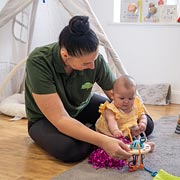 Little Acorns staff are fastidious about the welfare and safety of babies and children under their care. As even the Ofsted inspector reported in our last inspection, “Leaders have ensured that staff are well trained and knowledgeable about matters relating to child protection. They have provided clear procedures for staff to report any concerns that they may have about children’s welfare.” Your child is in safe hands at Little Acorns Nursery.
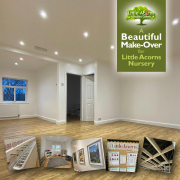
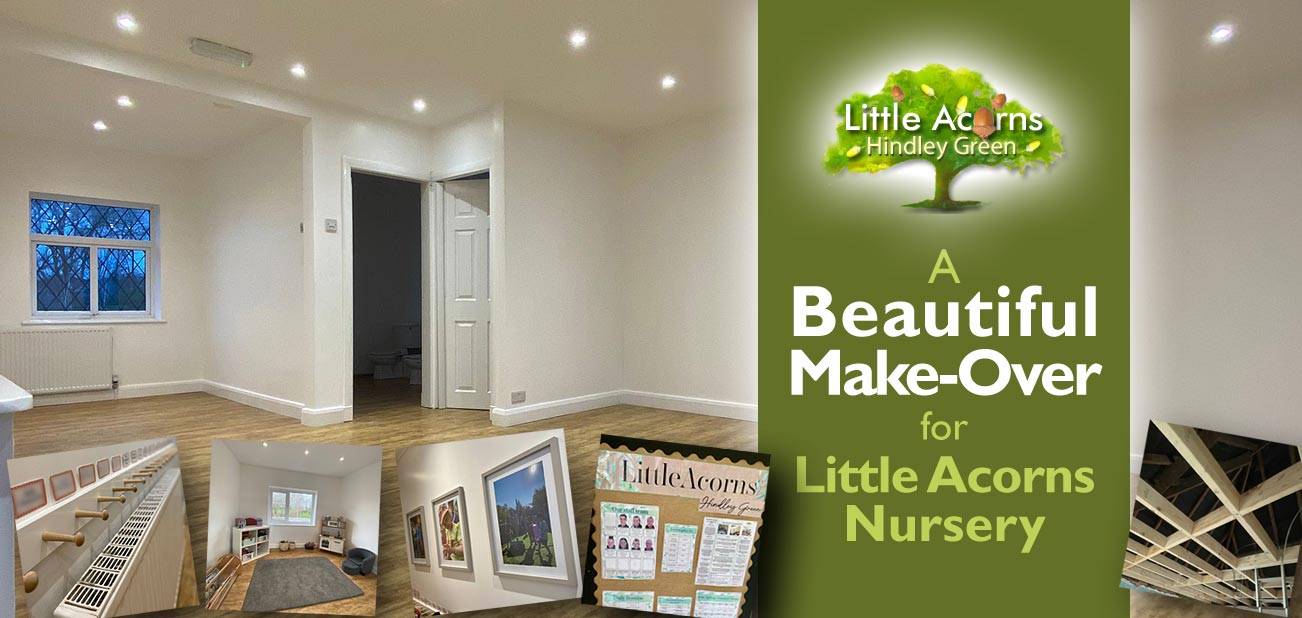
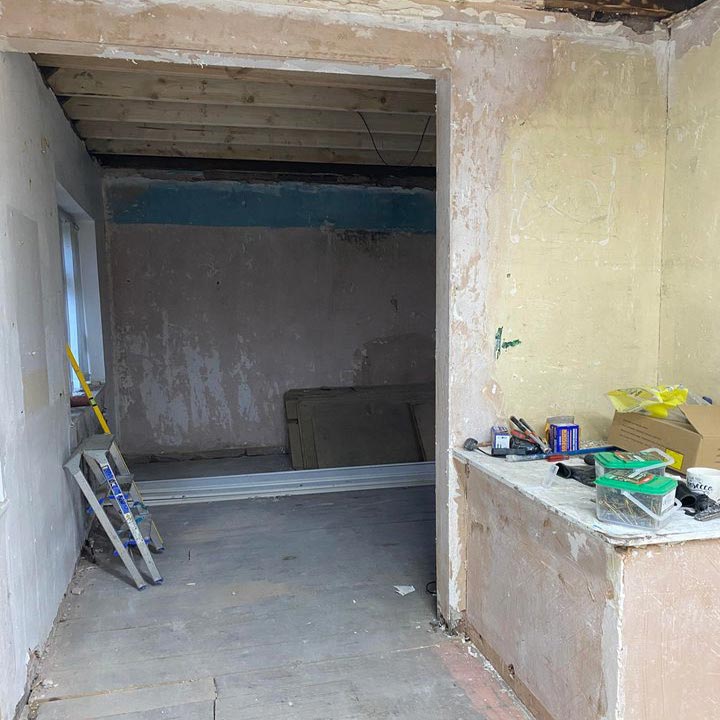
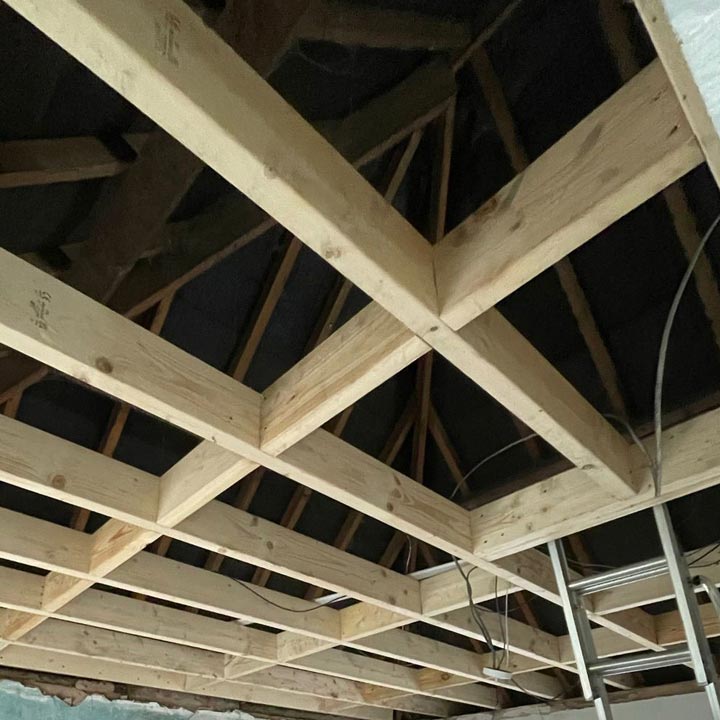
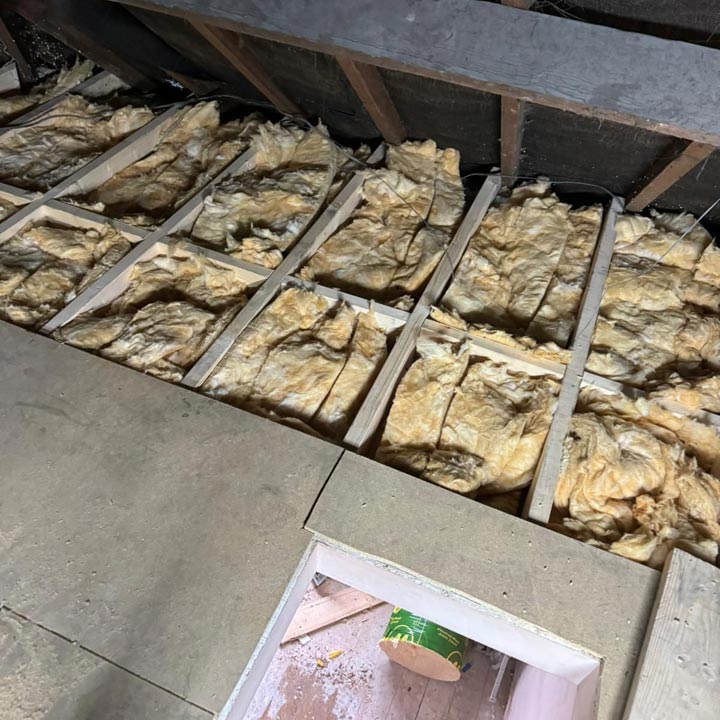
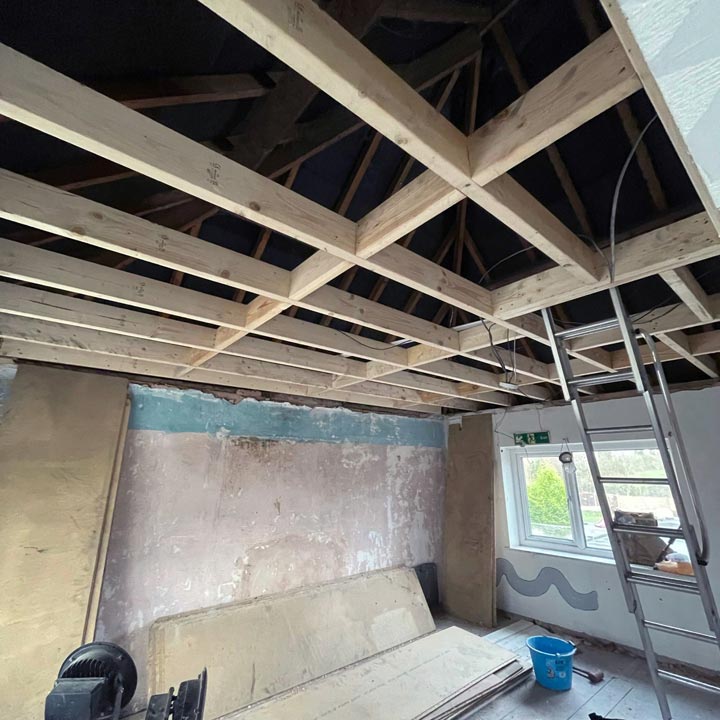
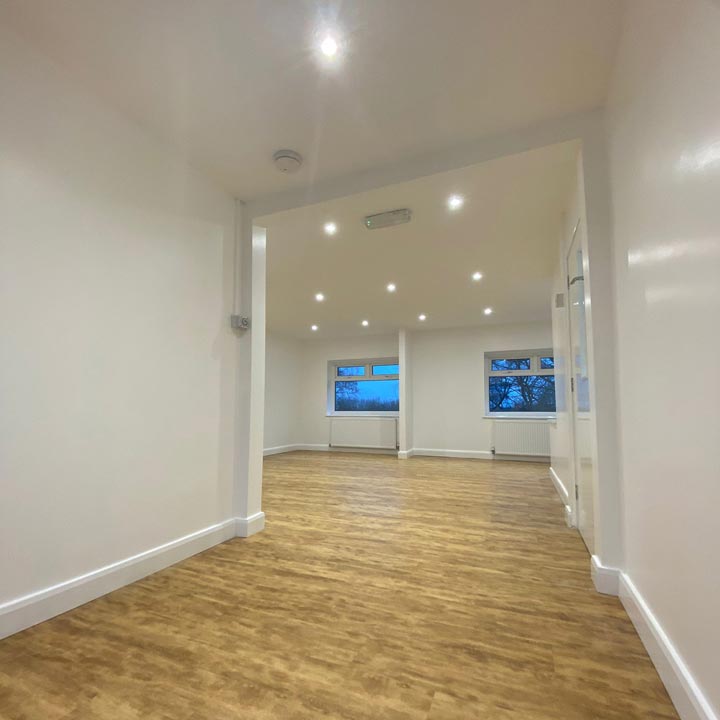
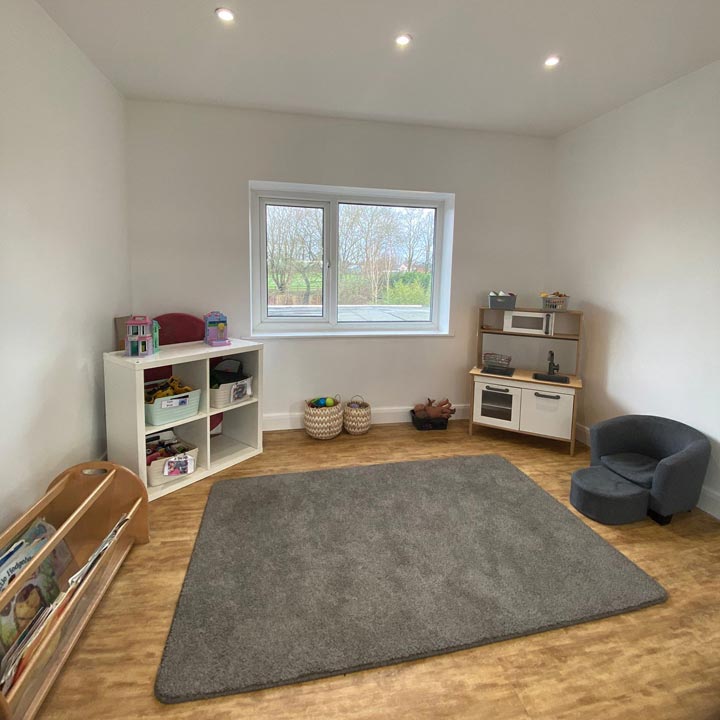
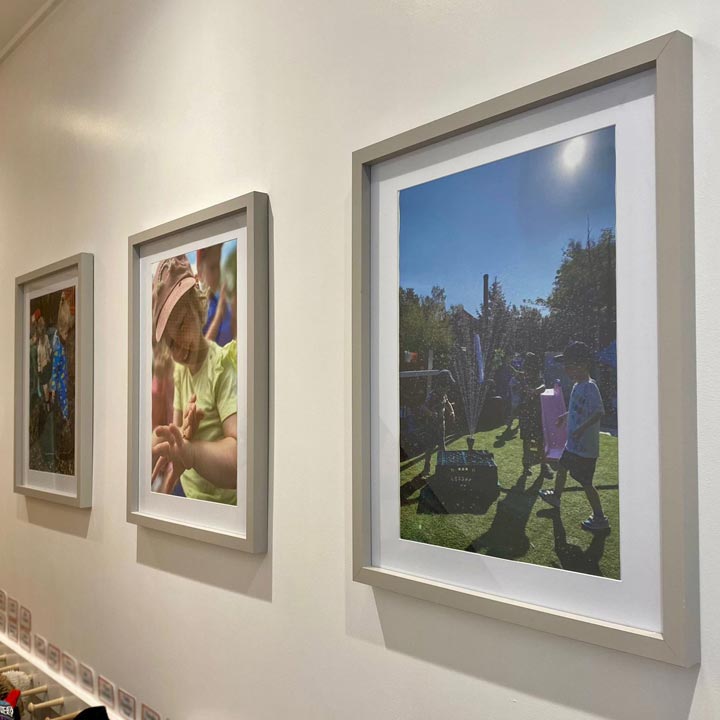
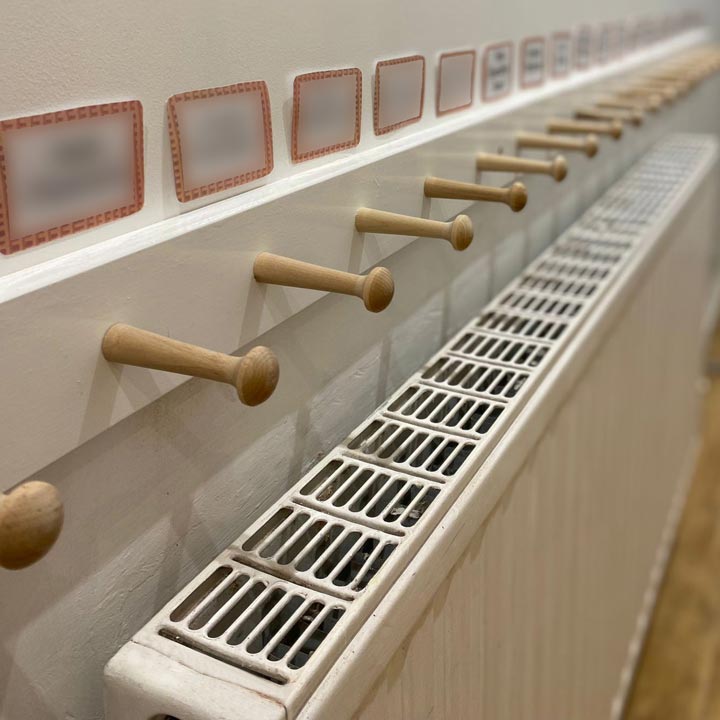
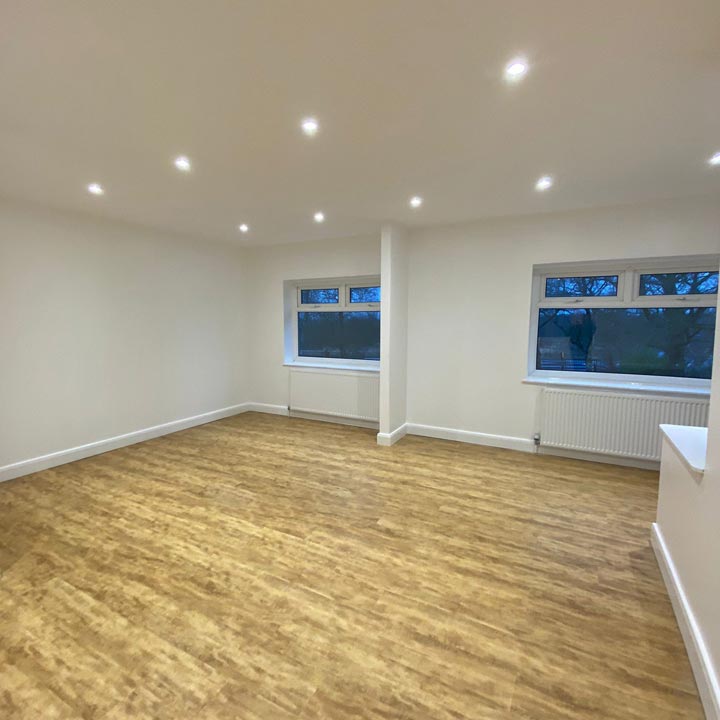
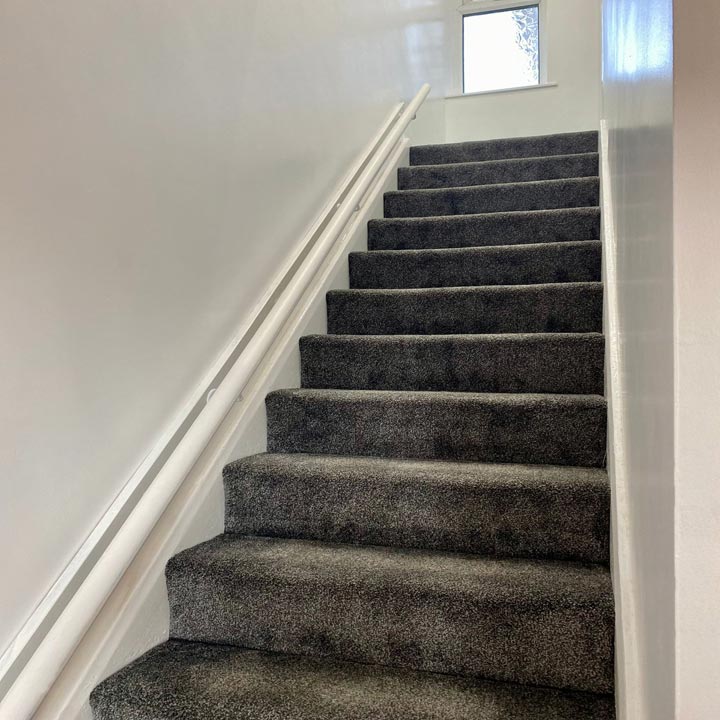
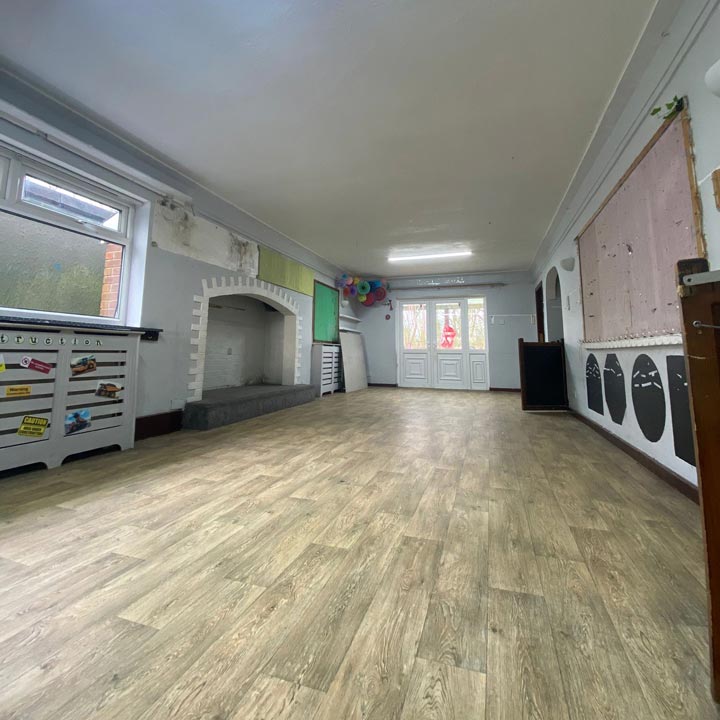
 During the first half of 2024, the nursery underwent a significant refurbishment and the results really speak for themselves. It’s a real facelift that includes beautiful new flooring, refreshed paintwork, re-plastered walls, renewed skirting, lovely bright downlighters, new storage areas, new bathrooms, new hallway carpet, and a modern, spacious feel. There are some lovely new interior design touches too, which spark new life into the nursery and preschool areas. New furniture, resources and enhancements are also included to make this a more exciting, stimulating, and engaging place for children to spend time. These include details like new bifold doors to allow free-flow access from indoors to the outdoor areas when appropriate. You can
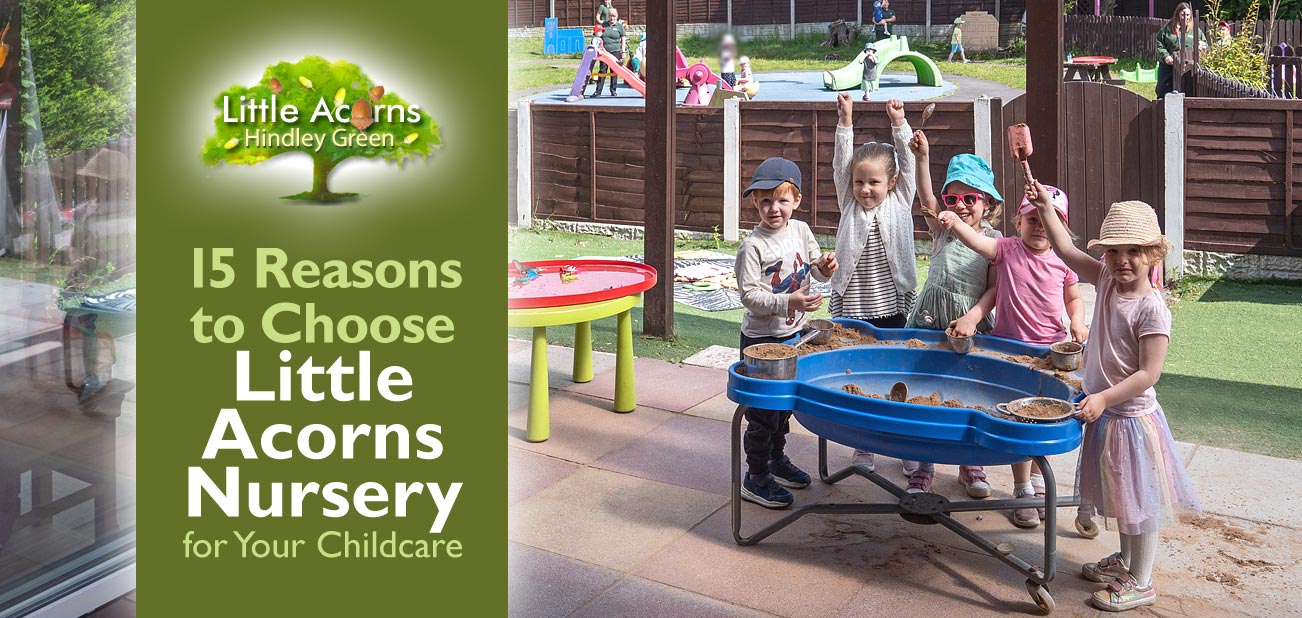
 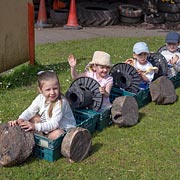 Few childcare nurseries and preschools can claim to have as large an outdoor space as Little Acorns Nursery in Hindley Green. Our extensive outdoor space is a wonderful area for children to explore, discover, play, and learn. Including both undercover areas and open areas, there are nature zones, sensory areas, a variety of exciting play areas, counting areas, and a stimulating array of equipment. This includes construction toys and equipment, creative activities, sand play, water play, bicycles and scooters, play houses and, of course, more standard climbing frames, slides, and suchlike. Children can benefit here from both structured and free play in a safe but exciting outdoor environment.
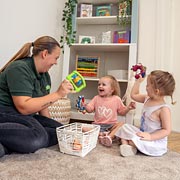 Little Acorns Nursery employs high-calibre childcare staff who are caring, experienced and skilled. Naturals with the children, they are also qualified as a minimum when they start in paediatric first aid, safeguarding, and basic food hygiene although many have qualifications that far exceed that baseline. Staff also have the support of a CPD programme, for continuous professional development, which includes access to training courses and tools that will further their skill set. That’s a win-win-win as the staff, the nursery and the children will all benefit. The Ofsted inspector also commented on the quality of staff at the most recent inspection:
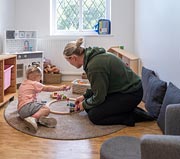 Little Acorns is also one of only a few Hygge-inspired childcare nurseries and this facet helps make the setting even more of a home-from-home for little ones. Hygge (pronounced “Hue-gah”) is a Danish and Norwegian word that describes the kind of lifestyle that has cosiness, contentment, and well-being at its centre. A Hygge-style environment will therefore be one that appreciates natural materials like wood and warm, homely, child-friendly, decor like rugs and cushions. Hygge also encourages a real appreciation of nature amongst both staff and children. Put simply, Hygge makes Little Acorns Nursery a better place to be.



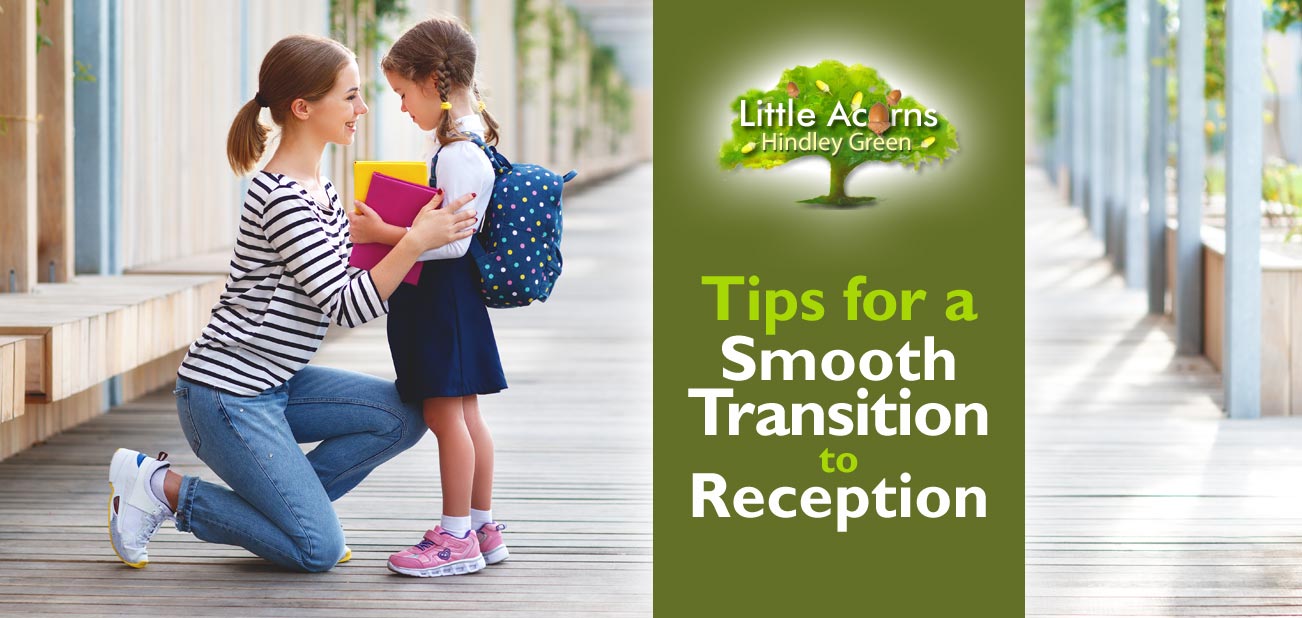
 The transition from preschool to Reception marks a significant milestone in any child’s life. It can be emotional for parents and, for children, it can be a period filled with excitement, curiosity, and perhaps a bit of apprehension. Ensuring a smooth transition involves a combination of careful planning, practical strategies and emotional support. With that in mind, today’s guide outlines more than twenty simple, actionable ways to ensure your child has a seamless transition and a positive start to school life.
 Use positive reinforcement to create a positive association with the idea of school. For example, highlight the exciting aspects of learning, making friends, playing new games, and discovering new things.
 Organise play dates with future classmates to build social connections before the first day. Encourage interactions with other children to develop essential social skills. Attending a nursery, preschool, or playgroup will provide excellent opportunities for this.
 Foster self-reliance by allowing your child to perform simple tasks like dressing themselves, tidying up, using the toilet, and organising themselves. Also, assign small responsibilities to them at home to instil a sense of accountability and responsibility. Such skills will serve them well once at school.
 Read age-appropriate books together, particularly those that introduce topics they’ll be introduced to in Reception class. This not only sparks excitement and teaches them new things but also helps children understand what to expect. Instil a love for reading through interactive reading sessions. Visit the library too and explore a variety of books.
 Ensure that your child understands basic time concepts, such as morning, afternoon, and evening. This, in tandem with our next tip below, will help your child better understand the structure of the school day.
 Ensure your child can manage basic self-care tasks independently. Such skills will be invaluable to them once they have started school.
 Ensure sufficient sleep by establishing a calming bedtime routine. This not only gets them used to a pattern but will also help them to maintain focus and energy levels once at school.
 The journey from preschool to the first day of school is a significant milestone for both parent and child. Preparing children for school involves a holistic approach that addresses emotional, social, and practical aspects. By incorporating these strategies into your family’s daily routine, you can contribute to a positive and confident transition for your child and set the stage for the most successful start to their school journey.
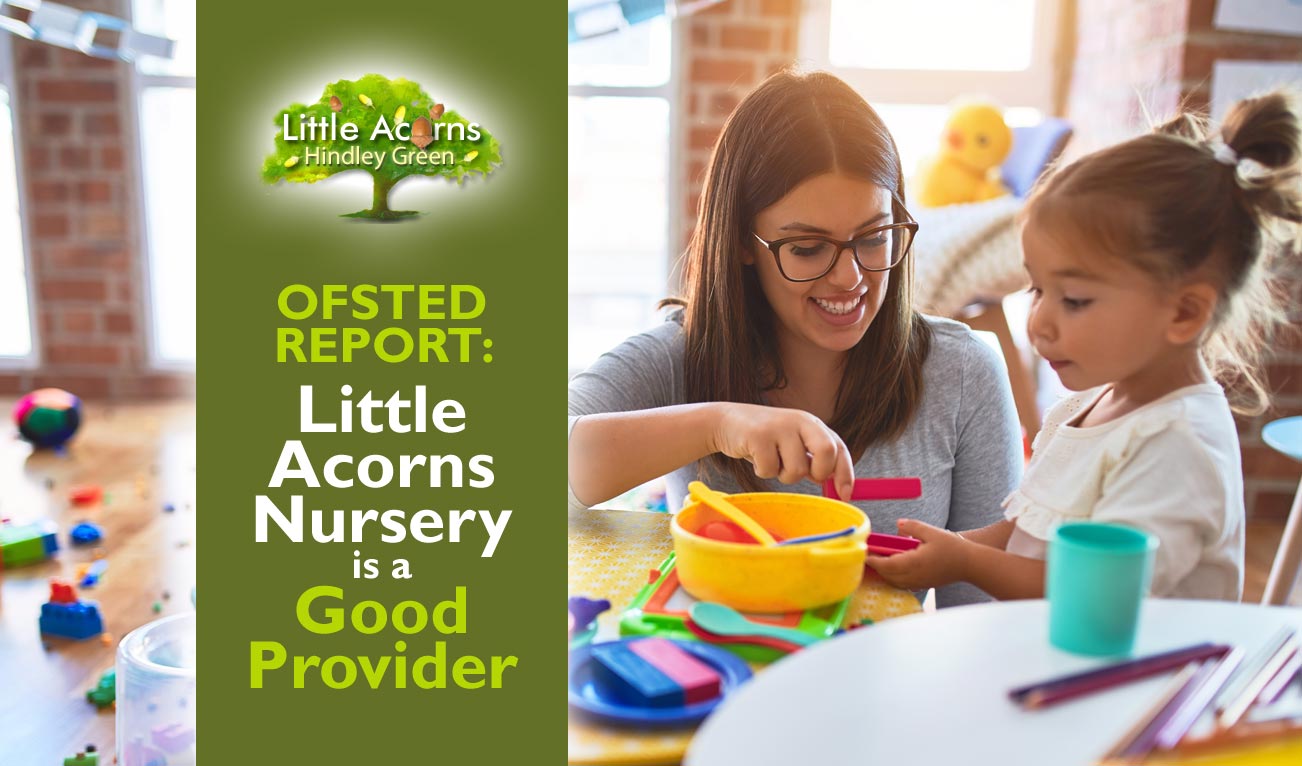
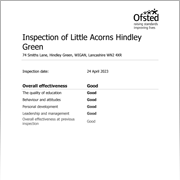
 We’re delighted to announce that Little Acorns Nursery, Hindley Green, has passed its first Ofsted Inspection — and with flying colours! The Ofsted Report was published recently following the Ofsted inspection in late April this year. It is our first since we took over the nursery from Kate’s Kindergarten in 2022. So, it’s now official — Little Acorns Nursery is a ‘Good Provider’ of childcare and early-years education. Let’s take a look at the Inspector’s findings and some of her lovely comments. We’ll see why the nursery/preschool achieved such consistent, positive feedback and good ratings in every area. Doing so is incredibly important to the children under our care and, of course, to their parents and caregivers.
 Opening comments in the Ofsted Report are particularly positive. Not only are the findings welcomed by nursery staff, who work so hard and so professionally — as evidenced in the report — but they’ll also be welcomed by parents/caregivers of children attending the setting. After all, it’s good to know children are in good hands and that their choice of childcare provider was a good one.
 As you can see from the comment above, staff are methodical and strategic in their approach to activities organised for the children. Activities are tailored to each child’s individual interests, making playing, development of skills and learning of new knowledge all come naturally.
 Ofsted also recognised that leaders and staff plan improvements for the future. In their report, they describe how leaders “plan how they can make the quality of education even better […] working closely with staff to design building improvements that will have the most benefit for the children”.
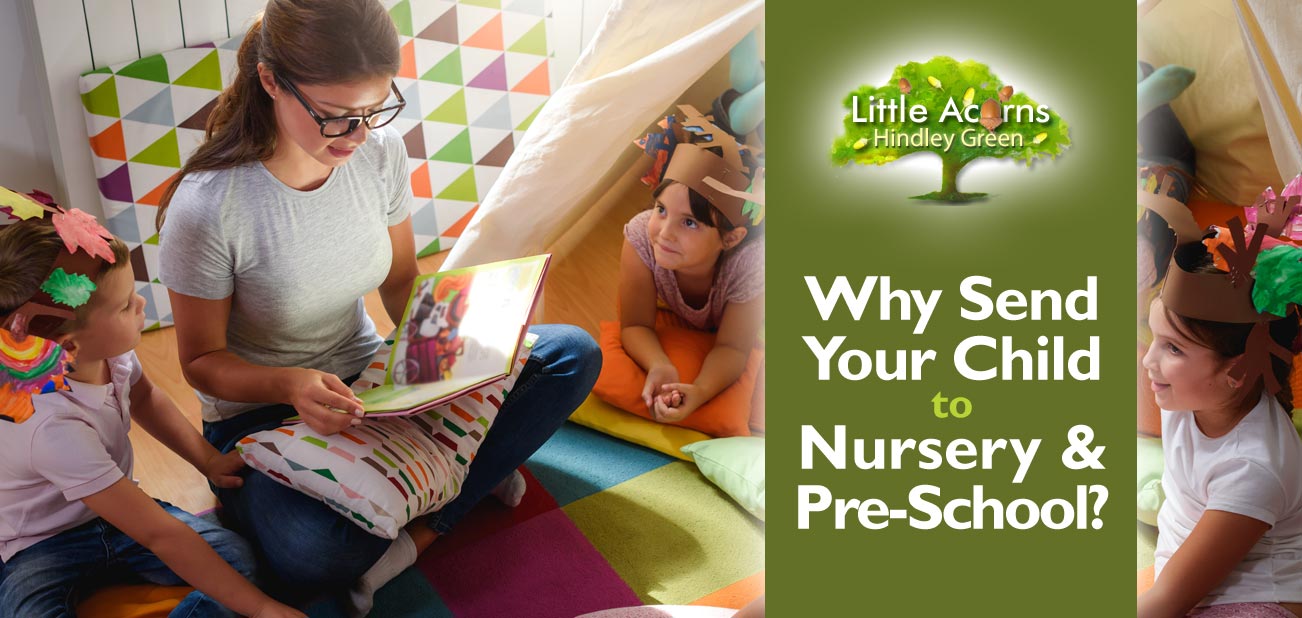
 First of all, a Key Person will be allocated to your child on Day 1 when they start at the nursery. The Key Person is a childcare professional that will look out for the child’s wellbeing in all manner of different ways. One of the most important is in the monitoring of the little one’s progress in terms of learning and development. From the day they help to settle the child into the nursery to the day they leave for school, the child’s Key Person will be there to ensure that all the child’s individual needs are being met and that they are fulfilling their fullest potential in every area. Part of that will be the oversight of the bespoke early years education programme, which we’ll come to next.
 At Little Acorns Nursery, a bespoke early years learning and development programme will be designed and implemented to suit the strengths and any challenges for each individual child. This is orchestrated by the child’s Key Person and nursery staff and, where needed, through cooperation with any external professionals, e.g. for children that have any special educational or developmental needs. The learning and development programme is tailored to them and them only. Using this approach bolsters the child’s stronger areas, so they can be further strengthened, and addresses any weaker areas that may require extra focus. It is also adapted as time goes by, as progress is made by the child. In this way, every child gets to achieve personal bests and optimal outcomes in every area of their learning and development.
 All of this nurturing, education and facilitation of their personal development does one other crucial thing too; it sets them up well for when they leave us around the age of five to start at primary school. By giving them the skills and tools they will need in every area, they are in a better position to absolutely thrive once they start school, right from day one. Indeed, many studies have shown that children who receive a good early years education go on to be higher achievers both at school and in their working lives. That’s gold dust, right there. Let’s take a closer look …
 ‘Hygge’, pronounced ‘Hue-gah’, is another exciting initiative happening at Little Acorns Nursery in Hindley Green. If you’ve not heard of it, rest assured that it’s something that children will absolutely love and will benefit them in many ways. It’s also something that we’ll be pioneering in the area, so you may not find it in other nurseries and pre-schools around Wigan right now.
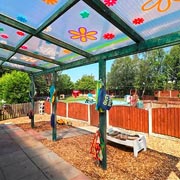 Everything at Little Acorns Nursery is there for a reason. It’s all been carefully brainstormed, pre-planned and implemented with utmost care. Whether it’s the introduction of Hygge, the addition of a new piece of equipment, or the purchasing of a specific toy or learning device, everything at Little Acorns has a purpose and is there to benefit the children.
 Parents of children at Little Acorns Nursery also give us great feedback about the wonderful childcare provision at the setting. Browse the site for full examples of parent feedback received (it’s scattered around the site) but, to give you a taster, comments include, “My girls absolutely adore this nursery but most of all they adore the staff”, “thank-you for the bottom of my heart for what you have done for my girls”, “I couldn’t recommend this nursery enough, they care and love the children like their own and I couldn’t of ever felt more comfortable leaving my children with a nicer set of girls.”, “I would not hesitate to recommend this nursery to anyone!”, “You should all be very proud of the work you do. It really means so much to us every time we see those small steps forward and we appreciate it.”, and “If I ever had any more children, without a doubt they will be coming to this nursery even if I moved 500 miles away!”.