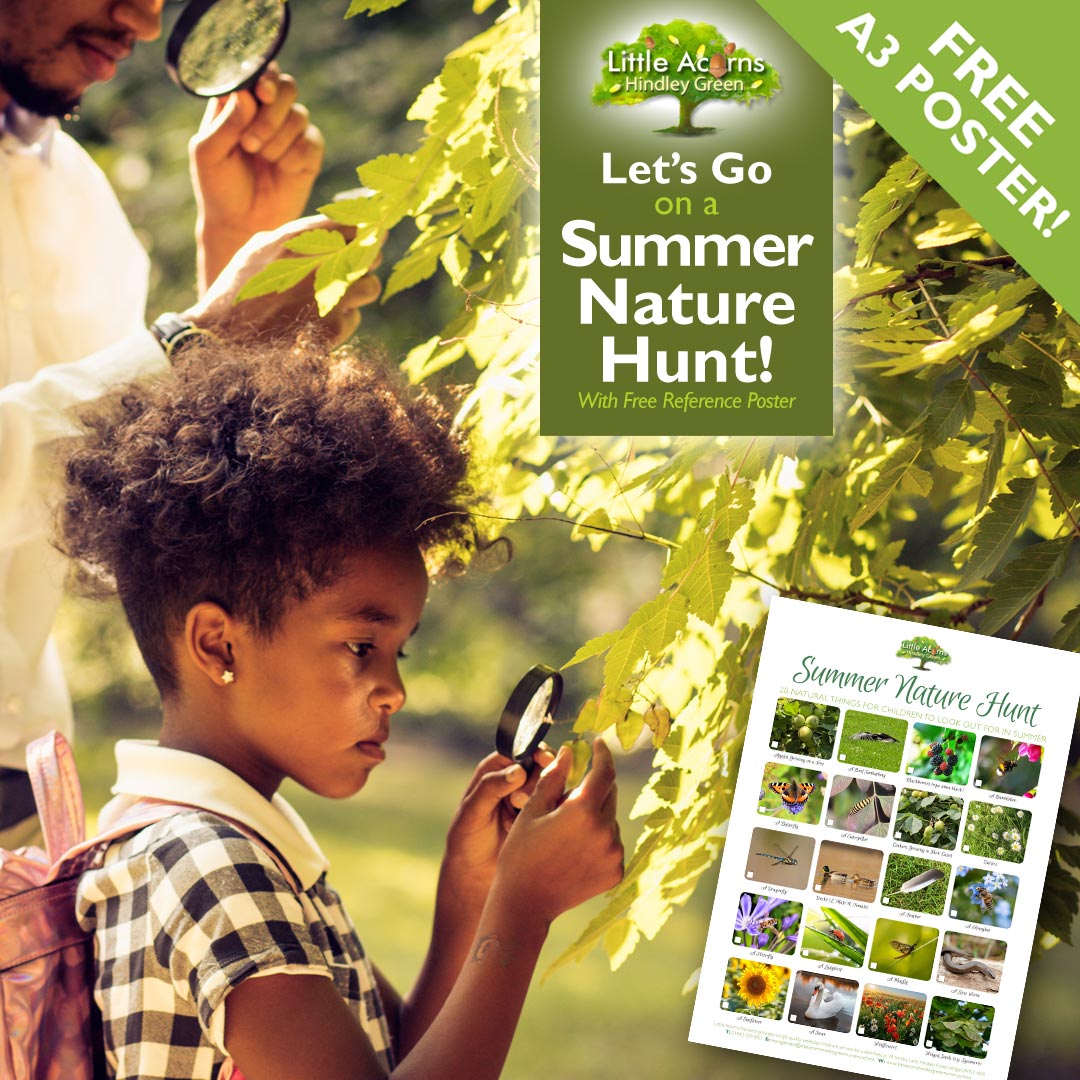

Today’s Winter Treasure Hunt activity is a great antidote to the cold temperatures and shorter days that families experience during this season. So long as the weather is not dangerous or insanely cold, families can still enjoy the outdoors if they are dressed appropriately and children are adequately supervised. Even in winter, there is still so much for children to discover in The Great Outdoors! What’s more, spending time in and around nature is generally very good for both children and adults (more about that later). With all that in mind, we’ve put together a free reference poster that families can download and use as the basis for an exciting Winter Treasure Hunt. There are all manner of magical things for children to search for and discover in the winter months — from leaf skeletons, pine cones, and frosted spider webs, to animal tracks, icicles and miraculously unique snowflakes. So, take a look and download a free reference poster for your child today — and check out others in the same series.
Poster Preview:

Click the poster preview image to either view or download it in high resolution (Acrobat PDF format). It can be printed out as large as A3 or as small as A4 or A5 if preferred. Perhaps print out a copy for children to take with them when they embark on their winter treasure hunt. Families can use the little tick boxes to keep track of each treasure discovered.
When the time is right, this activity should encourage children to get outdoors* to see some of the magical things that nature provides during the winter. Nature lifts the spirits, helps children and families get exercise, gives children a sense of freedom and adventure, and also has a whole host of other incredible benefits. So, this is a wonderfully worthwhile activity for children to take part in.
More Nature Activity Posters for Kids (Free!)
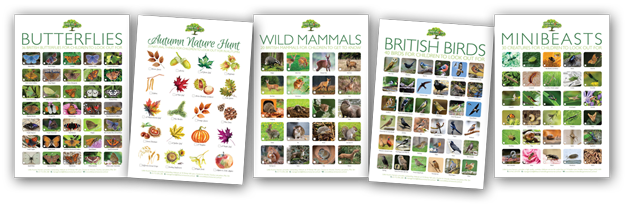
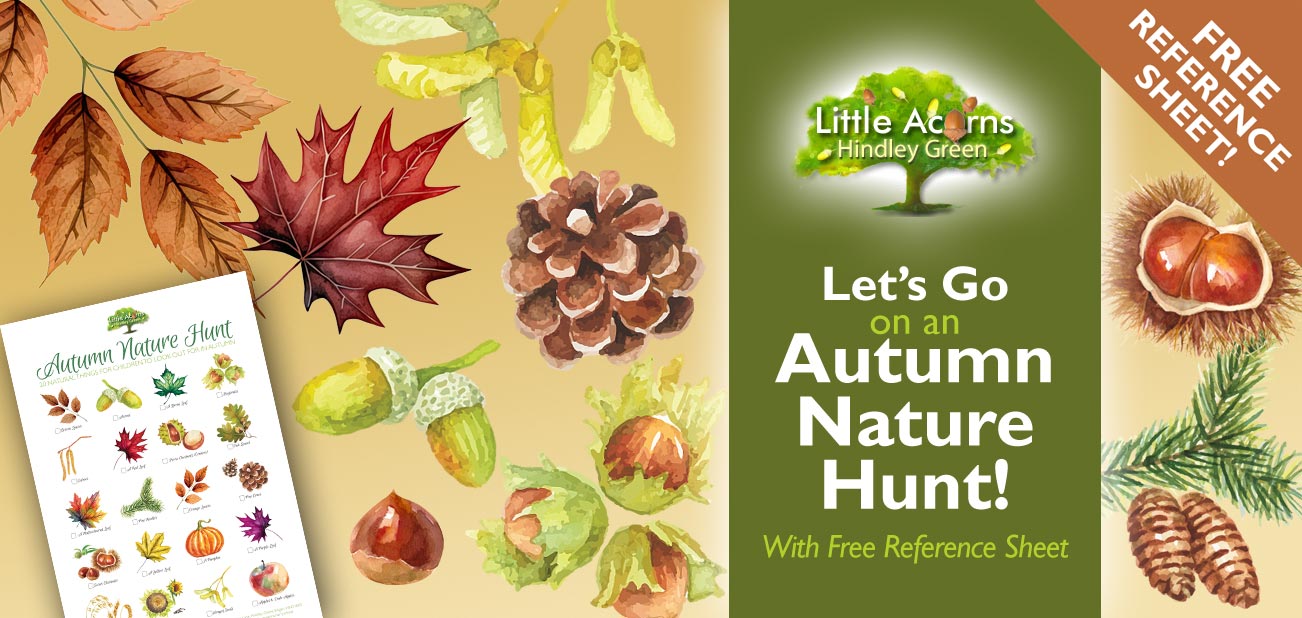
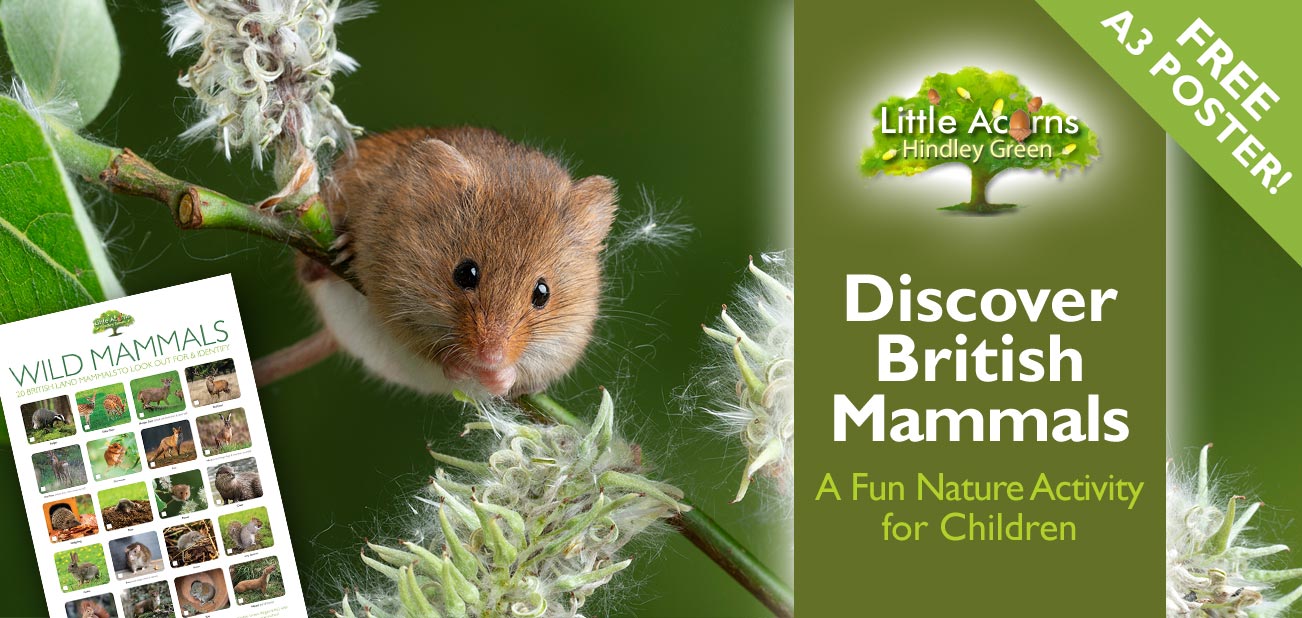
Today’s Winter Treasure Hunt activity poster is part of a series of nature-based activity posters that are free for children and families to download. So, also grab yourselves our free Autumn Nature Hunt poster, British Wild Mammals poster, Minibeasts poster, British Birds poster, and British Butterflies poster. Click the bold green links for more information.
Little Acorns Nursery, Hindley Green, Wigan

 Little Acorns is a superb childcare nursery in Hindley Green, near Wigan. Children here also get to enjoy nature and outdoor play as we have extensive grounds, nature zones, wild areas, and many other high-quality facilities. And, of course, our facilities and resources indoors give them a rich environment where they can play, discover and learn, all at their own pace. It’s a wonderful home-from-home environment where children under five have fun, thrive in their learning and development, and feel valued. All in all, we give children the very best start in life and ensure they become well-rounded and school-ready by the time they leave us to begin school.
Get in touch today to enquire about a possible nursery/preschool place for your baby, toddler, or child under five. We’d love to show you and your little one around and answer any questions:
Little Acorns Nursery is located in Hindley Green, near Wigan, Greater Manchester. Families in Bickershaw, Leigh, Atherton, Westhoughton, Ince-in-Makerfield, Platt Bridge, Tyldesley, and Bolton will also find that it’s conveniently close for their childcare needs.
*Safety Notice
Children, particularly the young, will need to be closely supervised and stay vigilant to potential danger when venturing outdoors. Ensure children take care not to slip on mud, snow, or ice. Teach them how to avoid hurting themselves, for example when stumbling on uneven ground or catching themselves on sharp things like thorns, brambles, and rocks. Water sources like ponds and lakes are particularly dangerous — especially so when iced over — and children need to take extra care near traffic. And, of course, they need to be aware of possible stranger danger. These are just a few examples and parents/supervising adults will need to do their own risk assessments and stay vigilant at all times when accompanying children outdoors.


 Families, set your diaries for the wildlife event of the year, which happens this January from Friday the 24th to Sunday the 26th inclusive. It’s free, takes just one hour, and allows children and adults to be part of the world’s biggest garden wildlife survey. During the event, families and individuals across the nation simply count the birds they spot in the garden, park, local green space, or even balcony over the course of 60 minutes. The results of hundreds of thousands of these surveys are compiled by the Royal Society for the Protection of Birds (RSPB) to build a picture of the health of the nation’s bird populations. It’s important scientific and ecological work and children can become citizen scientists if they simply take part. Learn more about the Big Garden Birdwatch and how to take part in today’s guide for families with children.
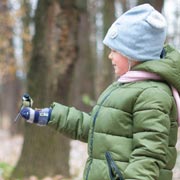 Children will love being involved in this important nature-based activity. They’ll not only play their part in helping birds and nature, but they’ll also have fun and learn something along the way. They will discover some of the many wonderful feathered visitors who live in their neighbourhood and learn about some of the important issues affecting the natural world. They’ll begin to grasp the impact of humans on Britain’s flora and fauna and learn the importance of conservation and looking after the natural world around them. Through this endeavour, they’ll learn how they can make a positive difference. They will also become little citizen scientists! It’s fun, educational, and will give them a wonderful sense of achievement too. It may even change their outlook over the long term and help them think about their own impact on the planet, which is a wonderful outcome. And last but not least,

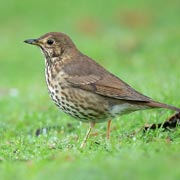 Once the chosen time and date arrive, all you/your children need to do is monitor birds landing on your chosen patch. Count those that actually land rather than any flying otherwise there’s a danger that one bird could be counted multiple times. What you need to record for the survey, though, is the largest number of each bird species that have landed at any one time during the hour. So, for example, if you spot two blackbirds that have landed at the same time in the first half hour, but later in the hour you can see 4 that have landed at the same time, then you need to record “4” for blackbirds.