Ofsted Report: Little Acorns Nursery is a Good Provider
 We’re delighted to announce that Little Acorns Nursery, Hindley Green, has passed its first Ofsted Inspection — and with flying colours! The Ofsted Report was published recently following the Ofsted inspection in late April this year. It is our first since we took over the nursery from Kate’s Kindergarten in 2022. So, it’s now official — Little Acorns Nursery is a ‘Good Provider’ of childcare and early-years education. Let’s take a look at the Inspector’s findings and some of her lovely comments. We’ll see why the nursery/preschool achieved such consistent, positive feedback and good ratings in every area. Doing so is incredibly important to the children under our care and, of course, to their parents and caregivers.
Great Ofsted Report Ratings for Little Acorns Nursery
Little Acorns Nursery was judged by Ofsted to be ‘Good’ in every category:
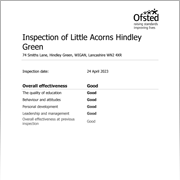 Overall effectiveness — Good
The quality of education — Good
Behaviour and attitudes — Good
Personal development — Good
Leadership and management — Good
We’ll cover some more detail and commentary from the Ofsted Inspector below.
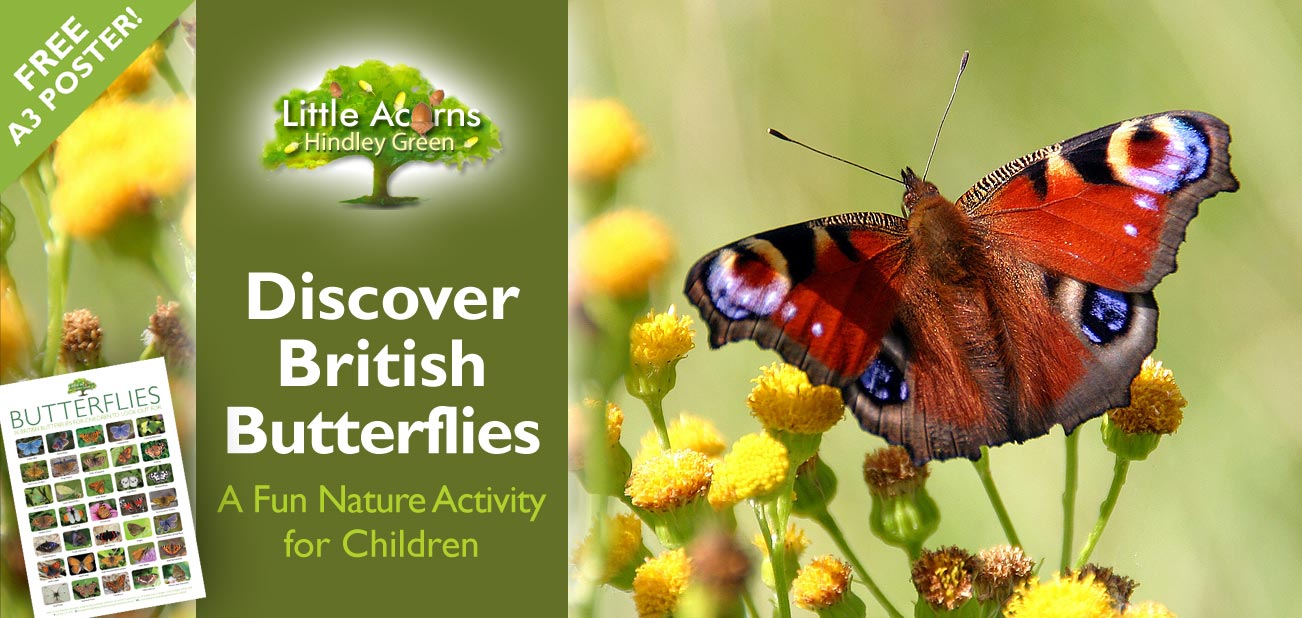
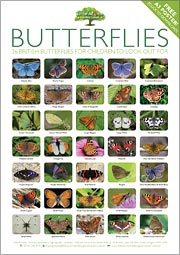 Today’s exciting blog post encourages families to explore the wonders of nature and embark on a delightful butterfly-spotting adventure! Butterflies are simply beautiful creatures and their amazing colours and patterns are sure to appeal to little ones. With that in mind, we have prepared a visually appealing and informative A3 poster featuring 36 British butterflies, which you can download for free and print out. So, why not get the family ready to step outside, immerse yourselves in nature, and create cherished memories as you observe these enchanting creatures in their natural habitat? The poster gives visual reference and also ensures you have a lasting memento of this unique experience. Over time, this poster and nature-based activity will help you and your little one learn to identify these diverse and important little pollinators. As we reported before,
 As parents, we all want the best for our children. We strive to provide them with a nurturing and stimulating environment that supports their growth and development. However, in today’s fast-paced world, it’s easy to overlook the importance of nature in our children’s lives.
 With free tutorials available on YouTube and inexpensive instruments available in charity shops, phone apps and online marketplaces, there has never been a better time for children to start learning a musical instrument. It’s something for every parent to consider because such a pastime will benefit their child in an incredible variety of ways. Not only will they learn a new skill that will stay with them for life, but their lives will be enriched in many additional ways too. So, today, we take a look at the often profound benefits of learning a musical instrument, especially for young children.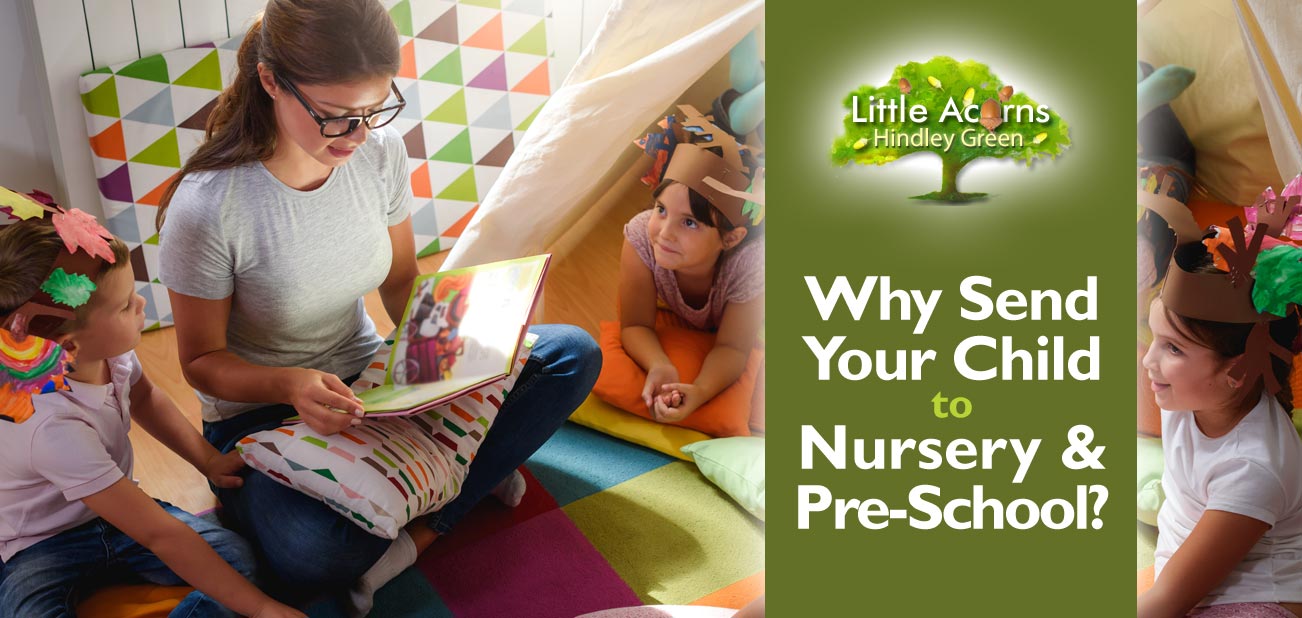
 Some may be surprised to learn that nurseries/pre-schools like Little Acorns are not simply “childcare services”. We’re way more than just a crèche, playgroup or a group of nannies or childminders. In reality, our services extend way beyond simply looking after children while parents go to work, although of course we do that too. The truth is that we benefit little ones and their families in a whole range of additional, often profound, ways and that’s what we look at today.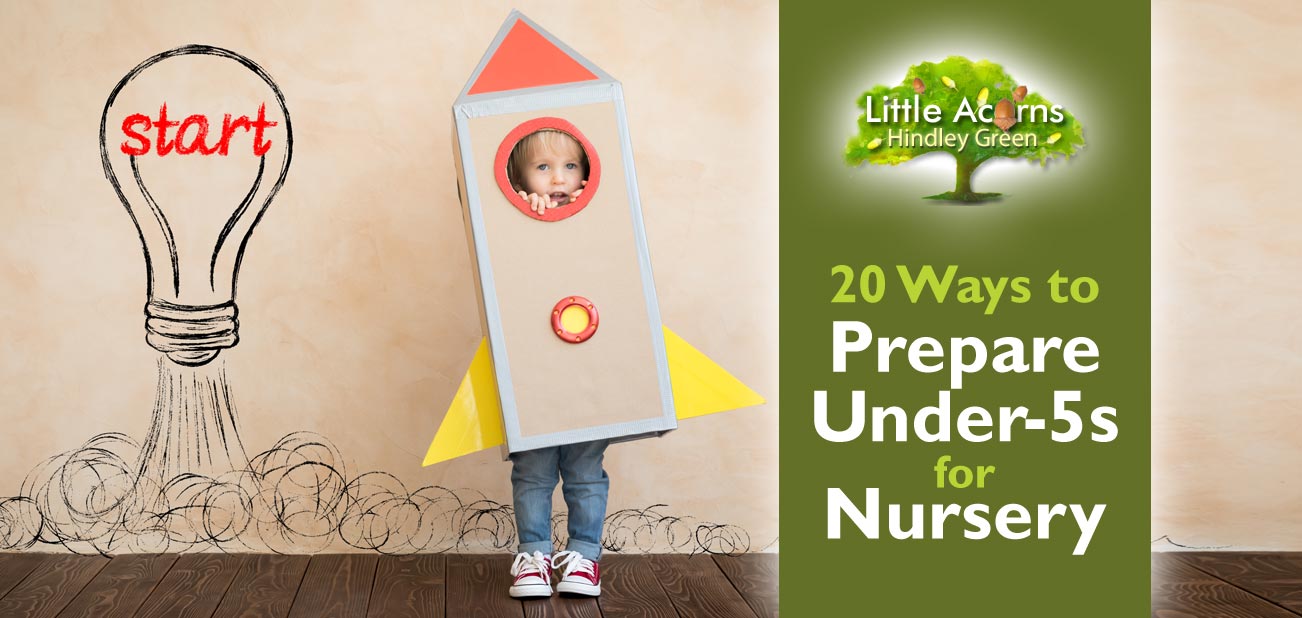
 Starting nursery or pre-school is a real milestone for children and parents alike. As well as being exciting, though, transitioning to nursery or pre-school can be daunting for the little ones. The researching of childcare settings, checking Ofsted reports and appraising recommendations from friends is all very well, but that’s only the first step. The transition will be smoother for the children themselves if a few golden rules are followed. That’s precisely where today’s guide comes in, with our 20 Ways to Prepare Under-5s for Nursery. Take a look …
 Parents of under-fives may have heard nurseries, pre-schools, childcare professionals and other parents referring to “the EYFS”. However, what is it, and how does it affect your children? Well,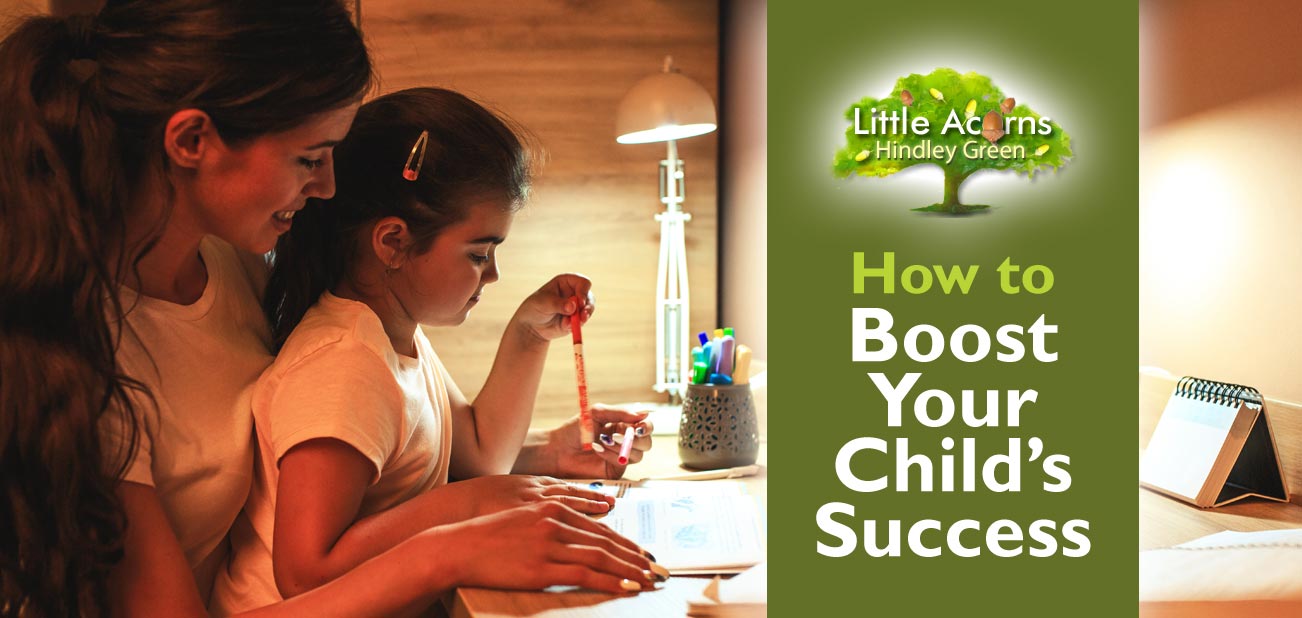
 What’s more, the boost in the child’s success is clear to see at all stages — in the short term, medium term and long term — right into adulthood. When parents are actively involved in a child’s education, that child will do better at nursery and pre-school, achieve better grades at school and go on to have more success in higher education and, ultimately, in their careers. It’s incredible, therefore, just how powerful proactive parental involvement in a child’s education can be. Let’s take a closer look at the findings.
 There are lots of free or assisted funding schemes for childcare and these are especially useful to parents looking to keep childcare costs down. With increased inflation and the cost of living crisis in Britain, such schemes have probably never been more welcome. Today we’ll take a condensed look at the main childcare funding options available to parents, particularly those of children under five, although many schemes also help children substantially older.
 At Little Acorns Nursery in Hindley Green, we’re embracing Hygge (pronounced “Hue-gah”), which is becoming very popular around the globe. But what is Hygge and why are we embracing it? This article explains everything and you’ll soon see why Hygge is a very good thing for everyone at the nursery, including both children and staff. Take a look …
 Hygge has been described as resulting in “comfortable conviviality” i.e. friendliness and warmth that makes everyone feel welcome and happy. It’s also been described as “the pursuit of everyday happiness … basically like a hug, just without the physical touch.”
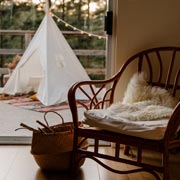 There will be twinkly ‘mood’ lighting instead of harsh fluorescent lighting. Rooms will have real plants that bring nature indoors, natural materials and objects like wood, wicker, pine cones and pebbles. There will be calming music and perhaps even scent in the air. There will be cosy corners, dens and even teepees where children can ‘nest’ while they read, play or converse. Hygge gives a room a lovely atmosphere, often with flickering candles (or, at the nursery, the warm-coloured LED equivalents, for safety purposes).