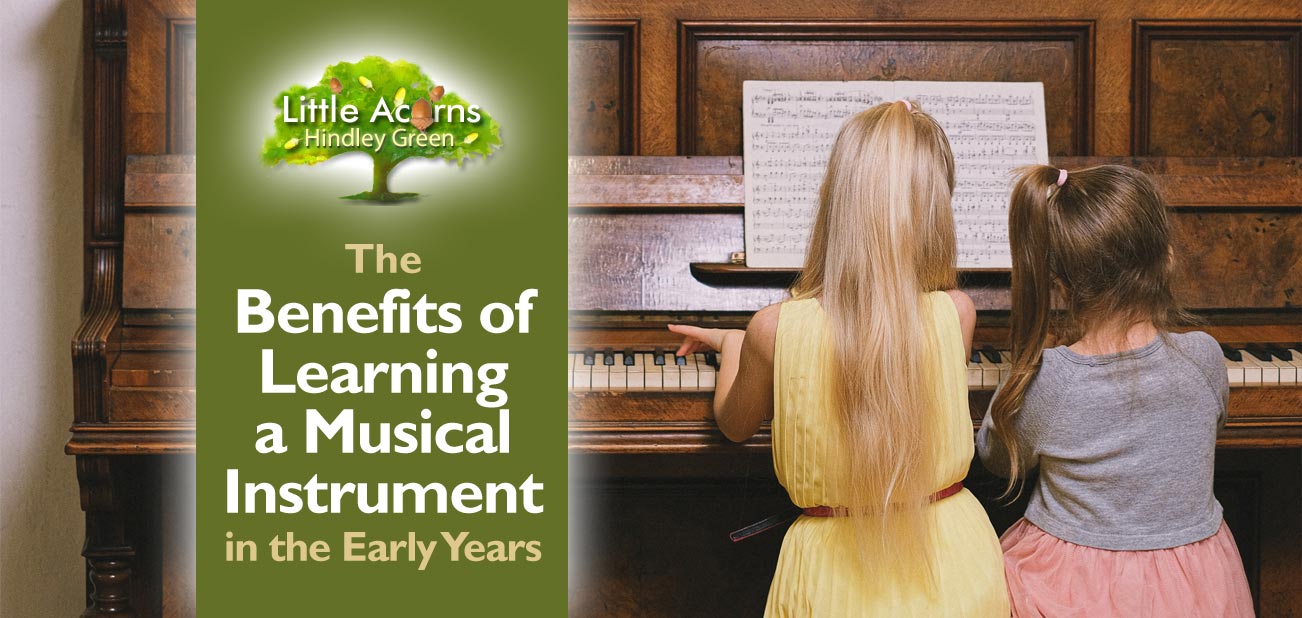
 With free tutorials available on YouTube and inexpensive instruments available in charity shops, phone apps and online marketplaces, there has never been a better time for children to start learning a musical instrument. It’s something for every parent to consider because such a pastime will benefit their child in an incredible variety of ways. Not only will they learn a new skill that will stay with them for life, but their lives will be enriched in many additional ways too. So, today, we take a look at the often profound benefits of learning a musical instrument, especially for young children. We’ll start with the three most obvious benefits before coming to many others that may surprise you.
Playing Music is Great Fun
Firstly, let’s not forget the obvious: learning to play a musical instrument can be great fun. It’ll give children hours of entertainment and sensory enrichment. That’s a good enough reason to learn to play music all on its own!
More Opportunities
The ability to play music is also a skill that often stays with children for life. So, once they grow older, the skill may well lead to participation in bands, orchestras, theatrical performances or even a career in entertainment. Composers, stars of the screen, pop stars and theatrical entertainers all started somewhere. Indeed, many such careers will have roots in having learnt to play a musical instrument as a child.
Boosted Coordination & Fine Motor Skills
 Playing all these notes in a certain order, sometimes in isolation and at other times as chords and progressions, will do wonders for a child’s coordination and fine motor skills. Although perhaps tricky at first, with practice and ‘muscle memory’, children’s ability to master the playing of musical sequences, chords, melodies and rhythms will gradually become easier and easier. Before long, it’ll become second nature to them.
As well as those very obvious benefits to learning to play a musical instrument, children will benefit in other, perhaps less obvious, ways. We’ll take a look at those next.
Enhanced Maths Skills
Music, the structure of songs and rhythm are all rooted in mathematics. So, when learning to play music, children will give their brains a maths workout, ensuring that note length, tempo and rhythm all sound correct and combine correctly. It’s also a great way for children to learn real-world applications of things like fractions (for example, half notes, quarter notes, double note length and so on). At the same time, each musical bar usually remains the same length overall. There’s real-world addition in practice for you!
Enhanced Reading Skills
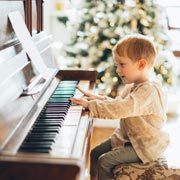 In a similar way, children who learn a musical instrument will usually, of course, also be learning to read printed music. While this comes in different forms, it all encourages children to concentrate on the reading process. Specifically, they’re learning to read from left to right, to analyse the printed music detail and to make sense of it. It’s another great workout for the brain, and we’ll say more about that next.
“…there is little doubt that regular exposure to music, and especially active participation in music, may stimulate development of many different areas of the brain. Takako Fujioka and her colleagues, for example, looking at children with a single year of violin training (compared to children with no training), recorded striking changes in activity in the brain’s left hemisphere. In terms of brain development, musical performance is every bit as important educationally as reading or writing.” (Oliver Sacks, Neurologist & Writer)
Boosted Cognitive Function
All this attention to detail, concentrated effort and intricate movement will also have a profound effect on the child’s developing brain. Reading and playing music is a complete, cognitive workout that’ll deeply exercise the brain, in particular boosting the development of the left side. This will spark the generation of millions of new neural connections, or ‘brain synapses’, which will permanently empower the child going forwards. With the left part of the brain also influencing skills like language and reasoning, these are also going to be boosted.
“Research shows that at least some musical education has a positive impact on [the] social and cognitive development of children. And these effects are long-lasting – better hearing, better motor skills, improved memory, better verbal and literacy skills.” (Alan Harvey, Musician and Neuroscientist)
A Boost for Social Skills
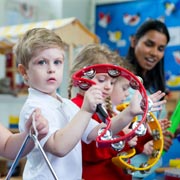 Playing a musical instrument often goes hand-in-hand with collaboration. Whether it’s forming a band, taking part in a school orchestra, writing songs with friends or simply jamming out together, children of all ages will naturally play together given the opportunity. As such, it’s a natural socialiser and one that brings children of different ages together, with new friendships being formed through a common interest. That is a very healthy thing. It also teaches children a wide variety of social skills including communication (e.g. speaking and listening at appropriate times), collaboration, being mindful of the needs of others, waiting your turn and so on.
Creative Self-Expression
Playing a musical instrument is a wonderful outlet for children’s creativity. Give them just about any instrument and they’re sure to express themselves in some way. Their musical or rhythmic expression is also likely to vary depending upon the instrument being played, showing just how powerful a tool it is. Playing an instrument opens up all kinds of creative possibilities to children and they can experiment however they choose. It can also lift their mood or give them the means to express it. Creating music is hugely empowering.
Greater Self-Confidence
With abundant new skills and even new friendships forming because of their musical endeavours, children will naturally get a healthy boost of confidence. Praise and encouragement from adults and peers around them will naturally help boost their self-esteem too. That’s important, especially when they’re very young and unsure of themselves and their place in the world.
Improved Listening Skills
When children learn to play music on a musical instrument, they learn quickly the importance of listening intently at the right time. Through attentive listening, children will learn to compute and formulate the appropriate response to important information, instructions and requests. This is an essential skill and one that will benefit them at home, in nursery, preschool, at school and ultimately in the workplace. Indeed, knowing when to be quiet and listen is one of the key skills of any good consultant!
Enhanced Well-Being
 Music itself is also a great antidote to stress and other emotions. Giving children the tools to appreciate music — and even involve themselves in it — will help with their mental well-being as it can calm them when they’re stressed, relax them when they’re tired or even give them an energy boost when they need to get active. Ask any runner! All they need is the right piece of music and half the mental battle is already complete.
Insights into Different Cultures
Music is the common language of the whole world and, as such, is a great bridge between different cultures. Hearing and playing different types of music, from different cultures, countries and even eras will give children an insight into those other people, places and beliefs. Different music genres (rock, blues, pop, etc.) will also be something they’ll find interesting as they grow older, teaching them even more about their own country. For example, the music history of Britain has been hugely influential over the fashion and culture of the nation and this influence is integral to our identity in the world — amazing when you think about it.
The Teaching of Life Lessons
Through learning to play a musical instrument, children learn so many important life lessons; the importance of persistence, for example, and the value of trial and error. Children learn about teamwork, leadership, critical thinking, collaboration and so much more. The following quotation brings the value of this into perspective:
“The things I learned from my experience in music in school are discipline, perseverance, dependability, composure, courage and pride in results… Not a bad preparation for the workforce!” (Gregory Anrig, President, Educational Testing Service)
It Supports Children’s Education
With all of the above benefits, learning to play a musical instrument is clearly going to help many areas of children’s education. For the youngest, all 7 key areas of the Early Years Foundation Stage (EYFS) curriculum will be supported through musical endeavours. For example, it’ll help boost creativity, communication, language, reading, maths, social development, personal development, physical coordination and so much more. This can only stand them in good stead as they progress from nursery, through preschool, into school and beyond. It’s amazing when you take a closer look like we have done today.
Starting Children Young
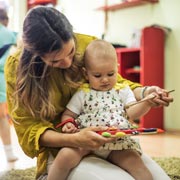 With all these benefits, it’s highly worthwhile for children to start learning a musical instrument as young as possible. It’s easy to start them, for example with simple instruments like drums, triangles, and tambourines initially. With these simple instruments, very young children can learn to keep time to music or a beat a rhythm demonstrated by adults. They can then progress to more advanced instruments such as recorders, keyboards, and stringed instruments. They have to start somewhere, though, but it’s never too early to start! Mozart was just 3 when he began to learn piano playing. By 5 he had composed a whole concerto! Who knows; perhaps your child could be a star in the making!
Your Nursery & Preschool in Hindley Green, near Wigan
 If you have a child under five and require weekday childcare in the Hindley Green area near Wigan, do consider Little Acorns Nursery. We give babies and under-fives the very best start in life. At Little Acorns, they’ll receive a wonderful early years education and a personalised learning and development programme that includes sensory and creative activities through music and rhythm. It’s a wonderful, safe, loving, home-from-home environment for little ones too. We also support a wide range of childcare funding options for those that are eligible. Get in touch to register your child for a place, arrange a guided tour or simply ask a question. We’ll be happy to assist.
Little Acorns is a wonderful nursery & preschool in Hindley Green near Wigan. We’re also suitably close to those in Bickershaw, Leigh, Atherton, Westhoughton, Ince-in-Makerfield, Platt Bridge, Tyldesley, Bolton and Greater Manchester.

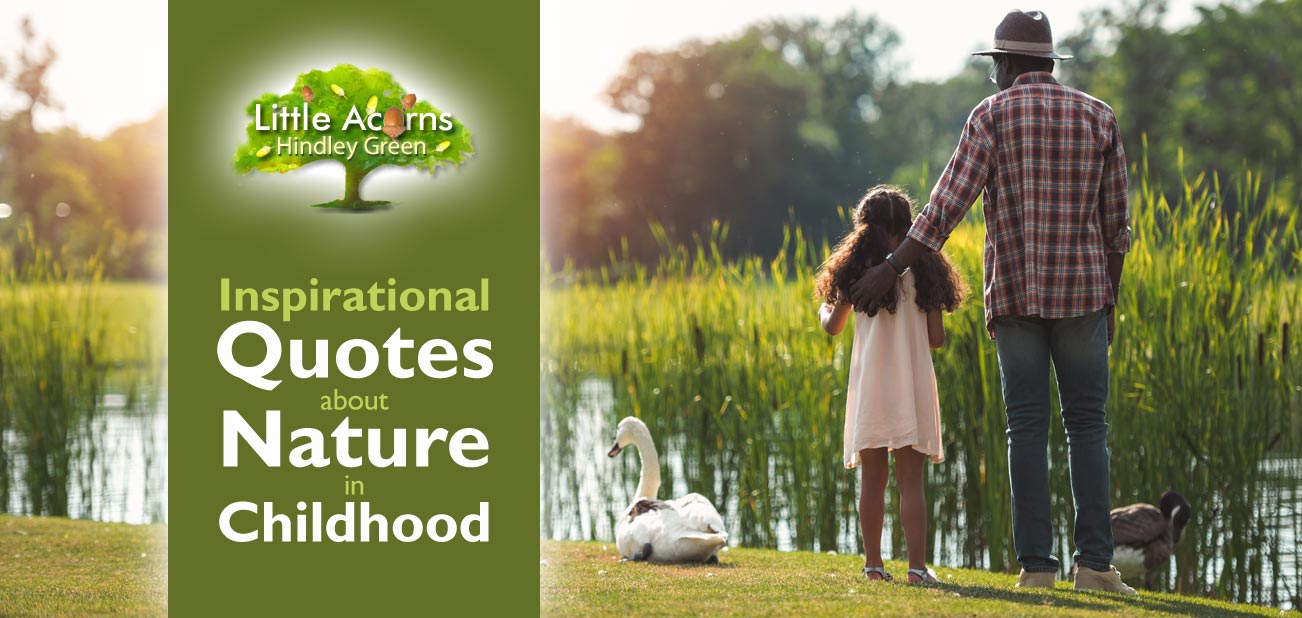
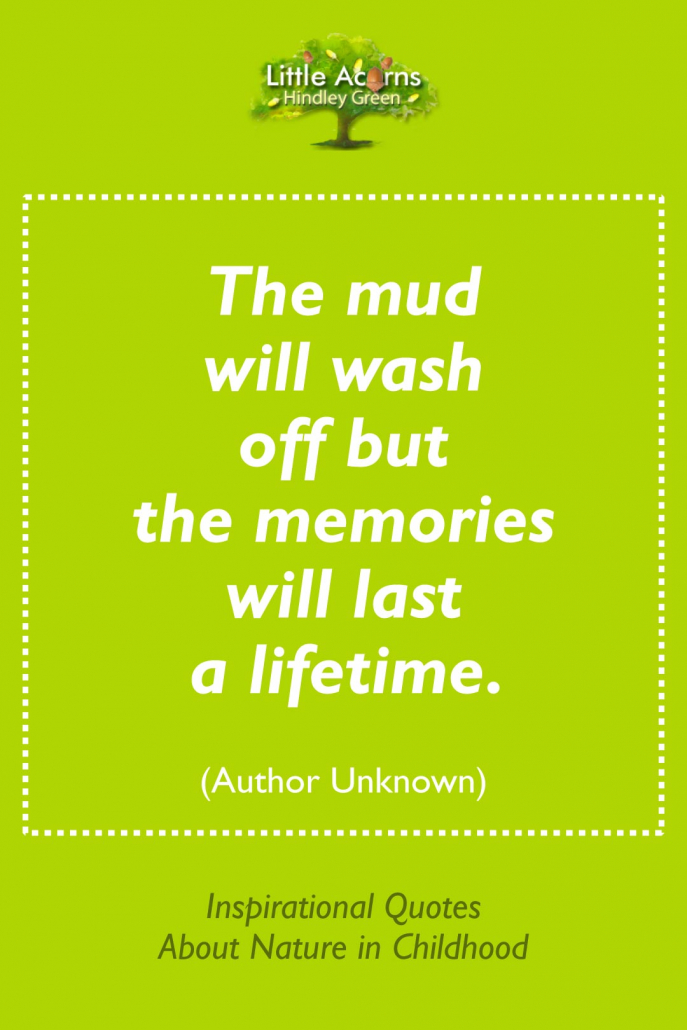
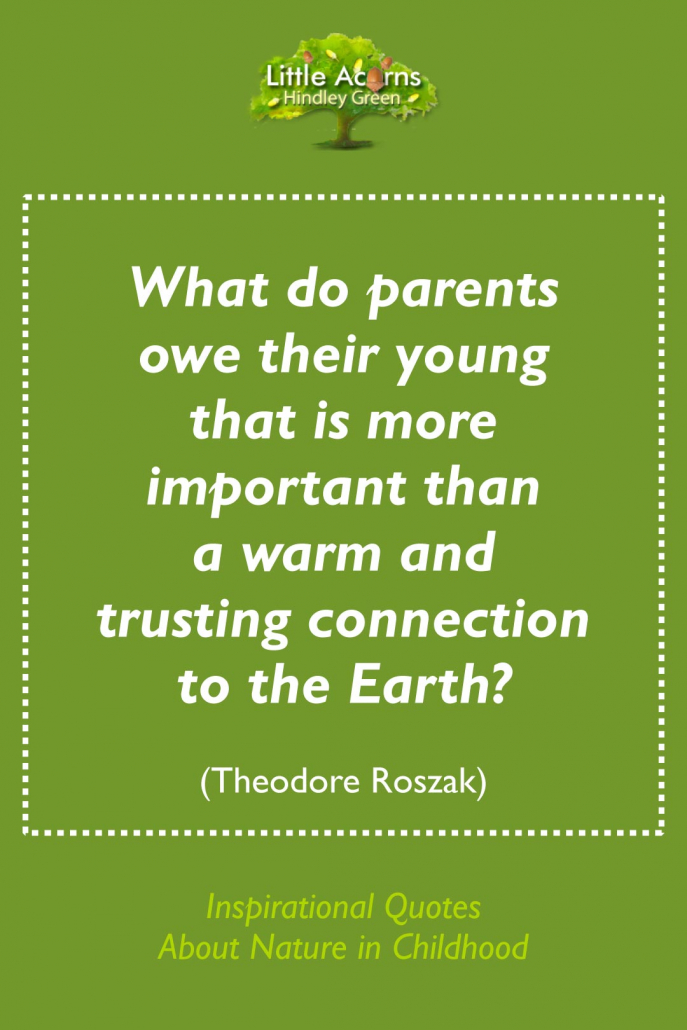
 Children at Little Acorns Nursery in Hindley Green are very fortunate to have access, when appropriate, to extensive grounds. These are subdivided into several zones, which include nature and wild areas as well as sensory zones, sand and water play and much, much more. The gardens and outdoor play zones are places where children can explore, discover, and learn in a highly stimulating environment, all under the safe supervision of our nursery practitioners.
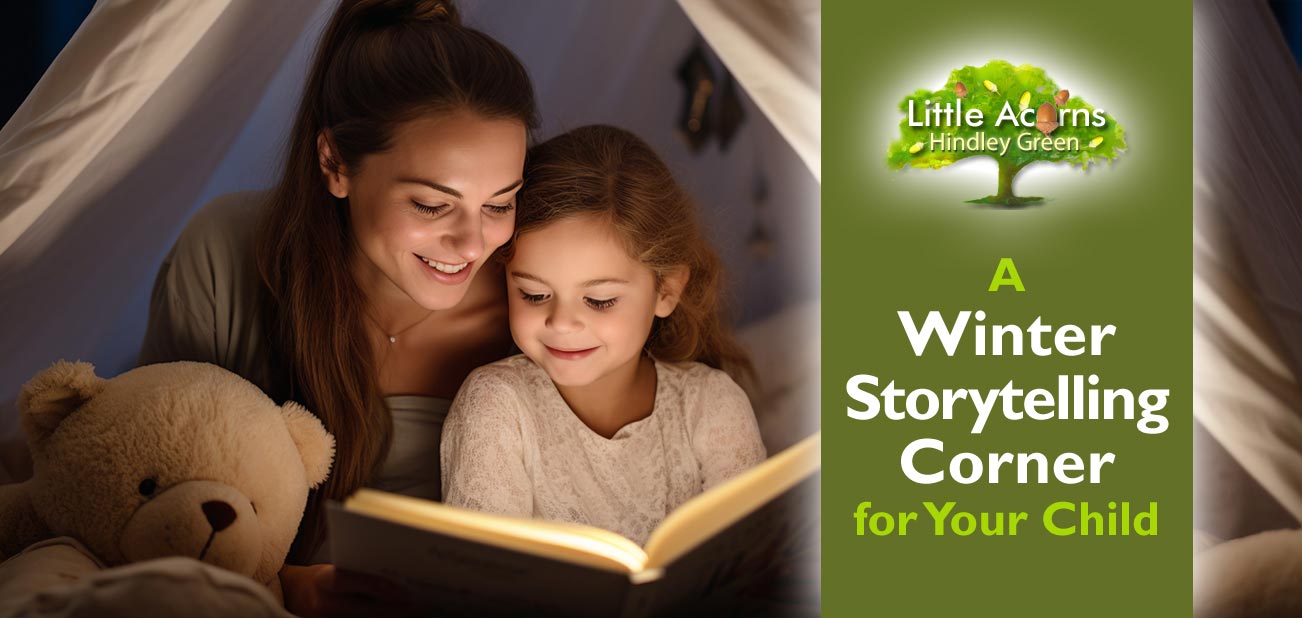
 Once winter arrives in December and cold winds start to breathe the landscape to sleep for a season, little ones will be less inclined to venture outdoors. Parents, too, will no doubt appreciate them avoiding the rain, cold, and inclement conditions that may occur. As such, winter is the perfect time to transform dreary days and dark evenings into a haven of warmth and cosiness indoors. An enchanting children’s activity that goes hand-in-hand with this is that of storytelling. With that in mind, today’s post guides you through the delightful process of creating a Winter Storytelling Corner tailored for the youngest members of the family. A storytelling corner is a wonderful way to make these winter nights cosy, magical, and filled with high-quality shared moments. Shared
 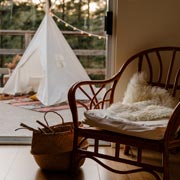 Start by selecting a cosy corner or nook in your home – for example, a secluded and quiet space somewhere that’s away from busy activity, cold draughts and suchlike. It will need to have somewhere comfortable for you and your child(ren) to sit or ‘nest’ once you get to the storytelling part. Once you’ve found somewhere suitable, it could be adorned with soft blankets, plush cushions, and perhaps even a few twinkling fairy lights. The goal is to create an inviting spot that beckons little ones and you, their parent or caregiver, to snuggle up and feel the warmth together as the winter tales unfold.
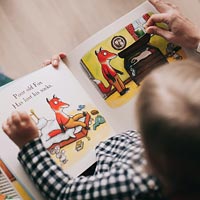 Curate a collection of timeless winter stories that capture the spirit of the season. Consider classics like “The Snowman” by Raymond Briggs or “The Mitten” by Jan Brett. These stories, with their simple yet captivating narratives, are perfect for engaging young minds and sparking their imagination. These are just a couple of examples, though, and there are lots of winter-themed books to choose from, whether online, in book stores, in charity shops, or swapped amongst family or friends.
 Perhaps incorporate simple props that relate to the story. If the tale involves animals, have soft toy animals on hand for little ones to interact with as the story unfolds. Other alternatives are hand puppets and finger puppets. Try using them to act out characters from the stories as you read them, or get your child to do so. Adding an interactive and visual element in this way will encourage children to participate actively and immerse themselves in the storytelling process. This approach can be creative, captivating, and sometimes even comical. As such, this is very entertaining for children and will help to make the whole activity enjoyable and fulfilling.
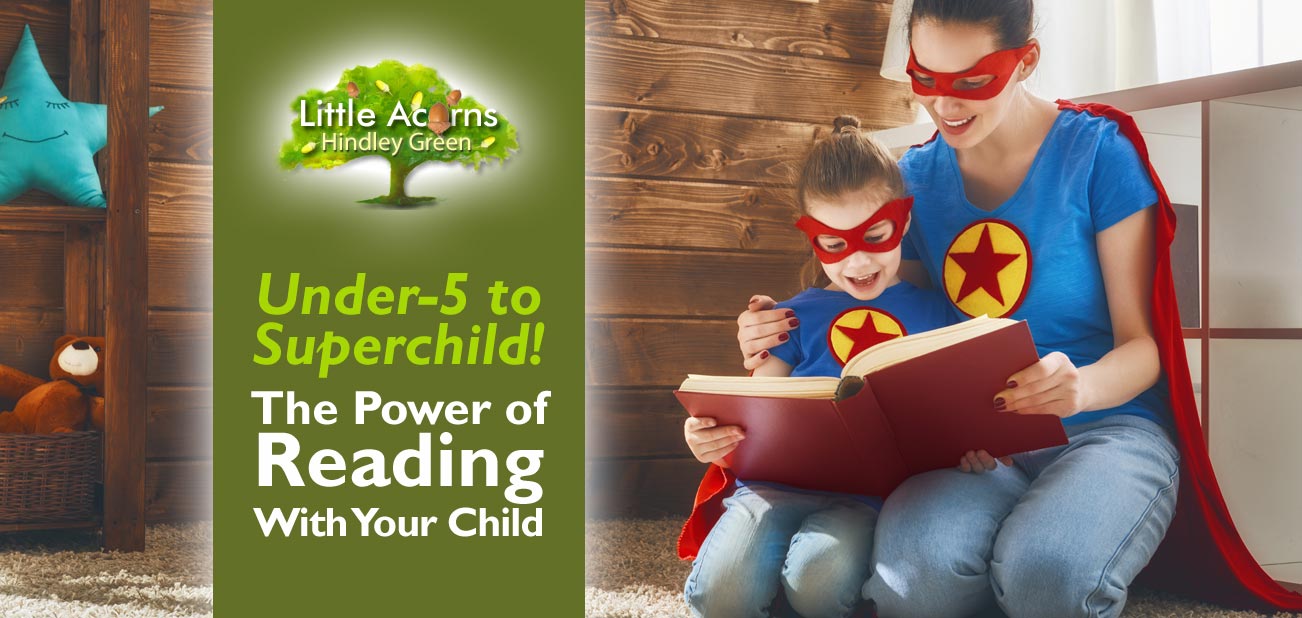
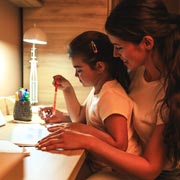 In the journey of childhood development, there is a simple yet powerful tool that supercharges learning, imagination and even life outcomes: reading with your child. While a magical connection with books is a cherished tradition in many families, it is also a proven way to optimise a child’s cognitive and emotional development — and even to give some a social boost. With that in mind, we explore today the incredible benefits of reading with children in the early years and learn how study after study has proven how transformational it is to their lives.
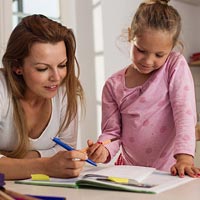 One of the most notable benefits of early reading is the rapid expansion of a child’s vocabulary. Indeed, research suggests that children who are exposed to a diverse range of words in books tend to perform better in language assessments, spelling, and overall literacy development. With reading to children opening up whole new worlds of information and vocabulary to them, this positive outcome makes total sense.
 Reading with children also contributes to the development of enhanced empathy and emotional intelligence. Stories often feature characters experiencing a variety of emotions, and by engaging with these stories, children learn to empathise and connect with the feelings of others. That’s because exposure to complex characters and their emotional experiences in books helps children better understand and relate to the emotions of people in their real lives.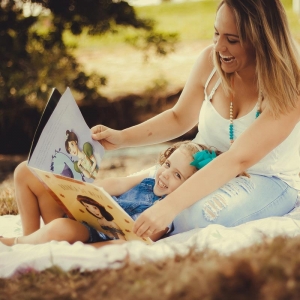
 Reading is not just about the words on the page; it’s also about the quality time you spend together. The connection you build during reading sessions is priceless, fostering stronger bonds between you and your child.
 Autumn’s arrival means that Halloween is just around the corner, coming on the 31st of October each year. The run-up to that date is a great time to start preparing for some fun Halloween activities for children to take part in. Whether dressing up for Halloween-themed parties, putting carved pumpkin lanterns and spooky decorations out at night, or playing Trick or treat locally, children of all ages will find Halloween a time of unique fun! It’s also a great opportunity for children to strengthen bonds with friends and for families to start getting creative! With that in mind, here are our top picks for spooktacular Halloween activities for kids!
 Dressing up in Halloween costumes is hugely popular amongst children. While purchasing costumes from stores is quick and easy, encouraging children to make their own Halloween costumes (with adult supervision) is likely to be not only cheaper but also much more fun. They’ll also be able to get creative and learn new skills in the process.
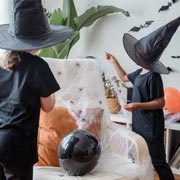 Kids will also love dressing up as spiders. All they need is some black tights — or a pair of skinny trousers — and a black top that’s belted at the waist and then stuffed to make the ‘spider body’ fat. Extra spider legs can be made by stuffing more black tights and attaching them to the belt.
 Your children can take this a step further and add Halloween-themed food into the mix, so there’s something to nibble too!
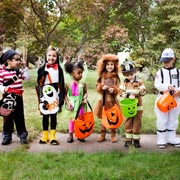 The Halloween tradition of ‘tick or treating’ has its roots in Medieval times. It is a playful remnant of the practice of “souling,” where the poor would go door-to-door during what was then known as ‘Allhallowtide’ (around All Saints’ Day and All Souls’ Day) asking for food in exchange for prayers for the deceased. Over the years, this evolved into what we now know as Trick or treat. Children, usually in full Halloween fancy dress, knock on neighbourhood doors and say Trick or treat? Then, homeowners typically give them sweets or other treats — or become the target of a playful trick from the children! It’s great fun for little ones, especially if one or more neighbourhood parents can organise the evening in advance. By doing so, the neighbours are warned and can opt out if they prefer. In this way, lots of fun, laughter and treats will ensue and nobody gets a trick that they weren’t expecting!
 Many towns and villages will have ‘pumpkin patches’ during October. These are typically found on local farms and similar that set a field aside, chock-full of pumpkins. Families can come along and children will be able to scour the field and pick their favourite pumpkin. They can take it home in exchange, usually, for an affordable fee. Such pumpkin patches often also have wonderful photo opportunities where children can pose amongst pumpkin displays. In this way, children enjoy a morning or afternoon activity at the farm and end up with a hand-picked pumpkin too.
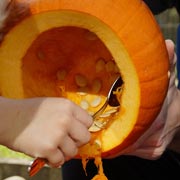 Hollowing out and carving spooky and creative faces into pumpkins is a classic Halloween activity enjoyed by thousands of families each year. For safety purposes, supervising adults will need to do any carving, though, as it’ll likely involve the use of a sharp knife. They can also loosen the seeds and flesh and then, if able, children can help to scoop it out. Once hollowed out and eyes, nose and mouth have been carved, children can have great fun decorating the outside and turning the pumpkin into a lantern using tea lights (again, under adult supervision or using LED lights for safety purposes). Nothing quite says ‘Halloween’ like a pumpkin face that glows in the garden at night. Children will naturally love the whole experience, end result, and feeling of accomplishment associated with this activity.
 Families can combine all or just some of these Halloween activities into one event by hosting their very own Halloween party for friends, relatives and neighbours. With spooky fancy dress costumes, Halloween-themed decorations, flickering pumpkin lanterns, and themed food and drinks, it’s sure to be huge fun and a spooktacular evening for everyone! Ghostly music and ghoulish games can be added to the event too, perhaps along with a period where children and adults can tell spooky stories and ghost tales. What’s not to love?
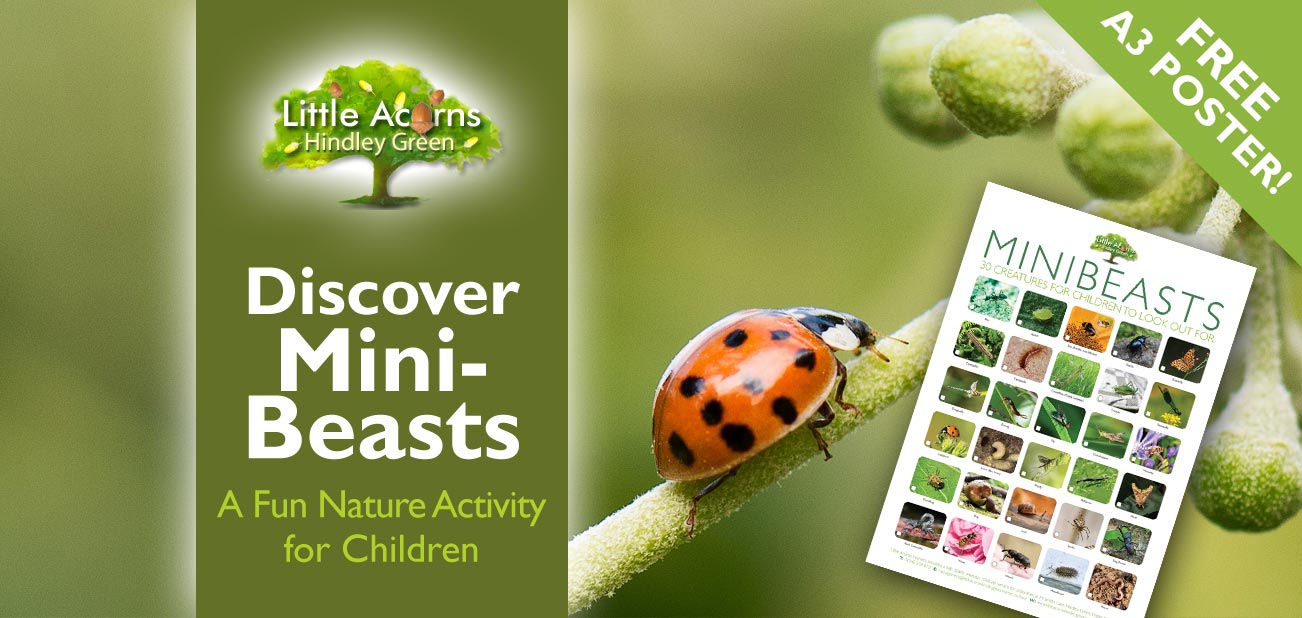
 Today’s ‘Discover Minibeasts’ post is the third in our series of nature-based activities for children. And, as with the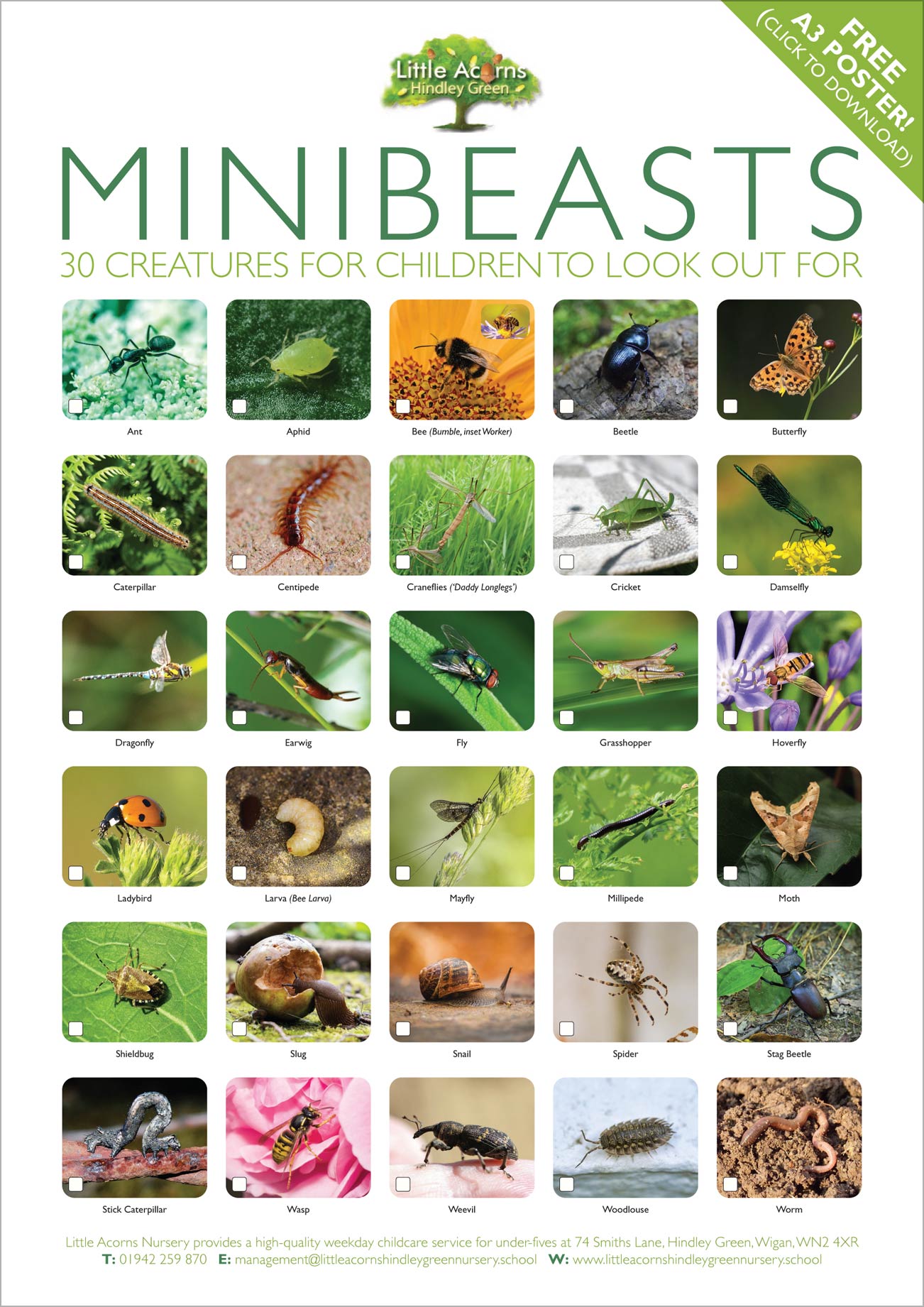
 Today, in a follow-up to the
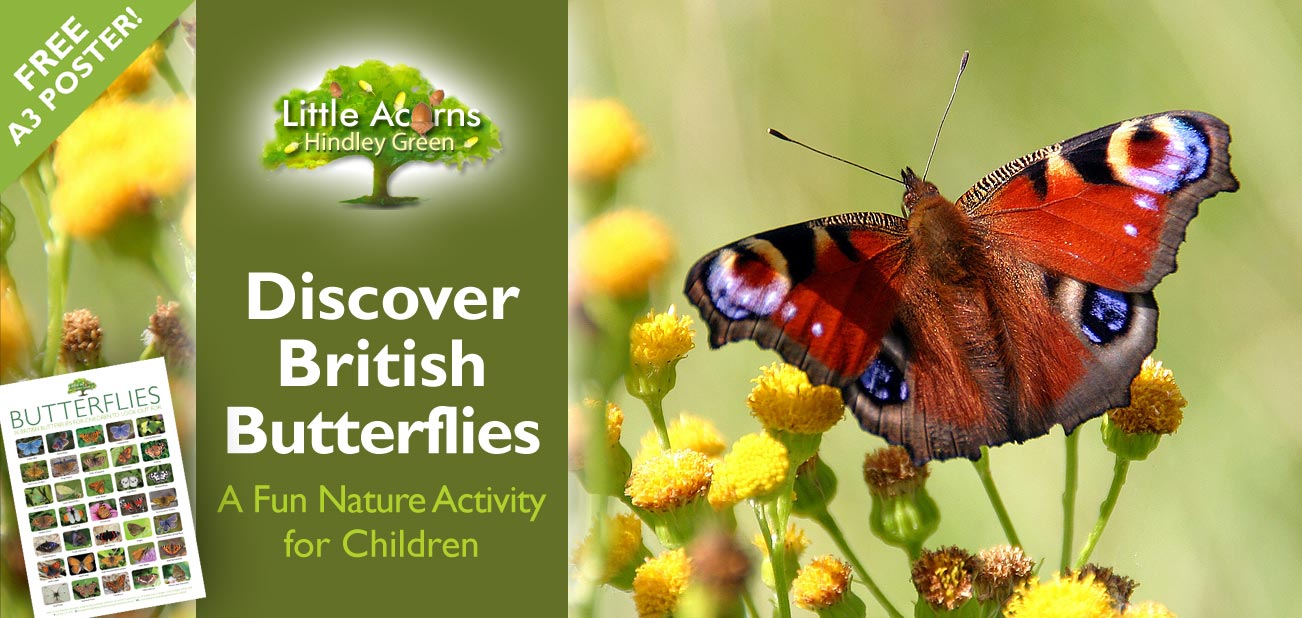
 Today’s exciting blog post encourages families to explore the wonders of nature and embark on a delightful butterfly-spotting adventure! Butterflies are simply beautiful creatures and their amazing colours and patterns are sure to appeal to little ones. With that in mind, we have prepared a visually appealing and informative A3 poster featuring 36 British butterflies, which you can download for free and print out. So, why not get the family ready to step outside, immerse yourselves in nature, and create cherished memories as you observe these enchanting creatures in their natural habitat? The poster gives visual reference and also ensures you have a lasting memento of this unique experience. Over time, this poster and nature-based activity will help you and your little one learn to identify these diverse and important little pollinators. As we reported before,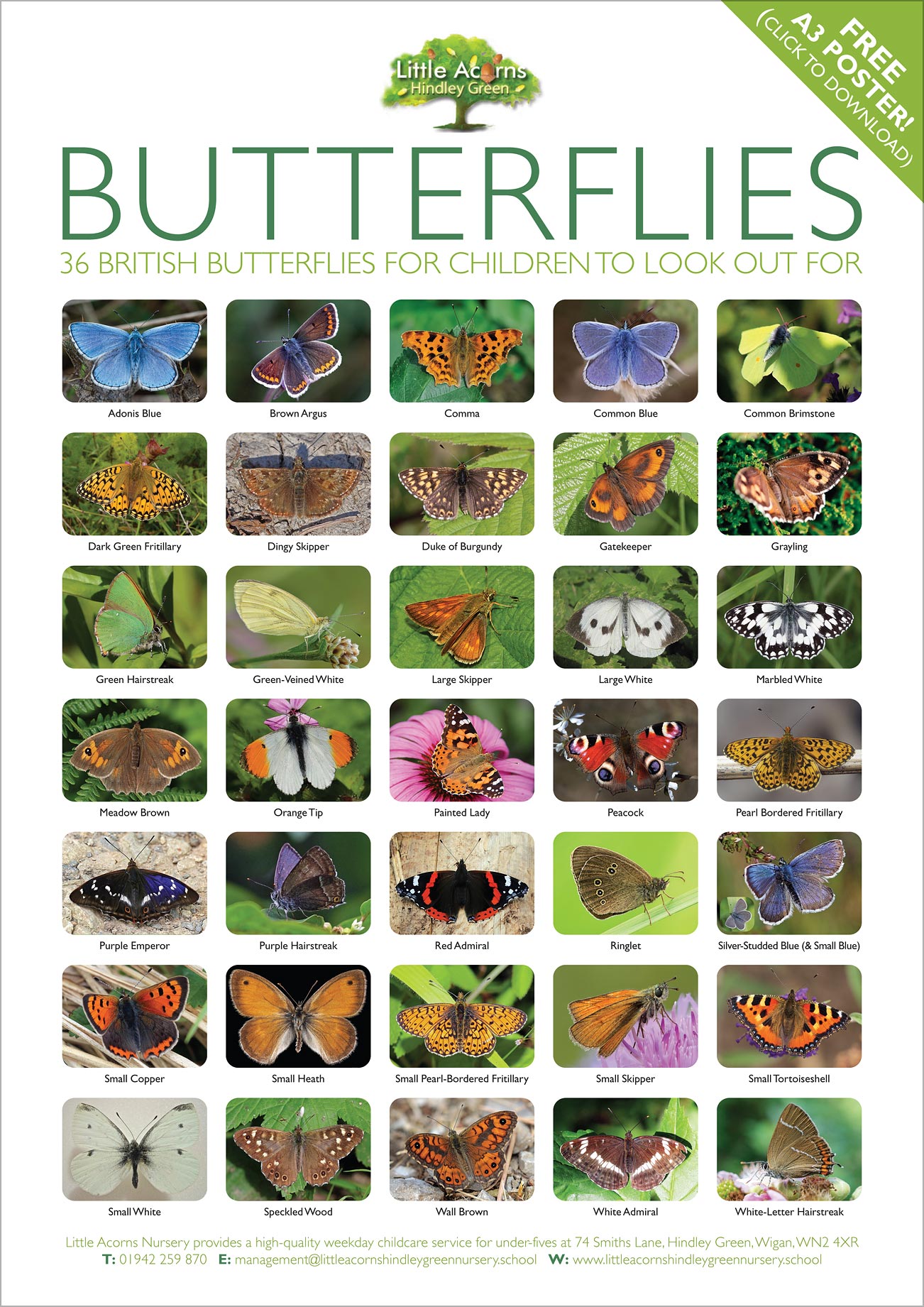

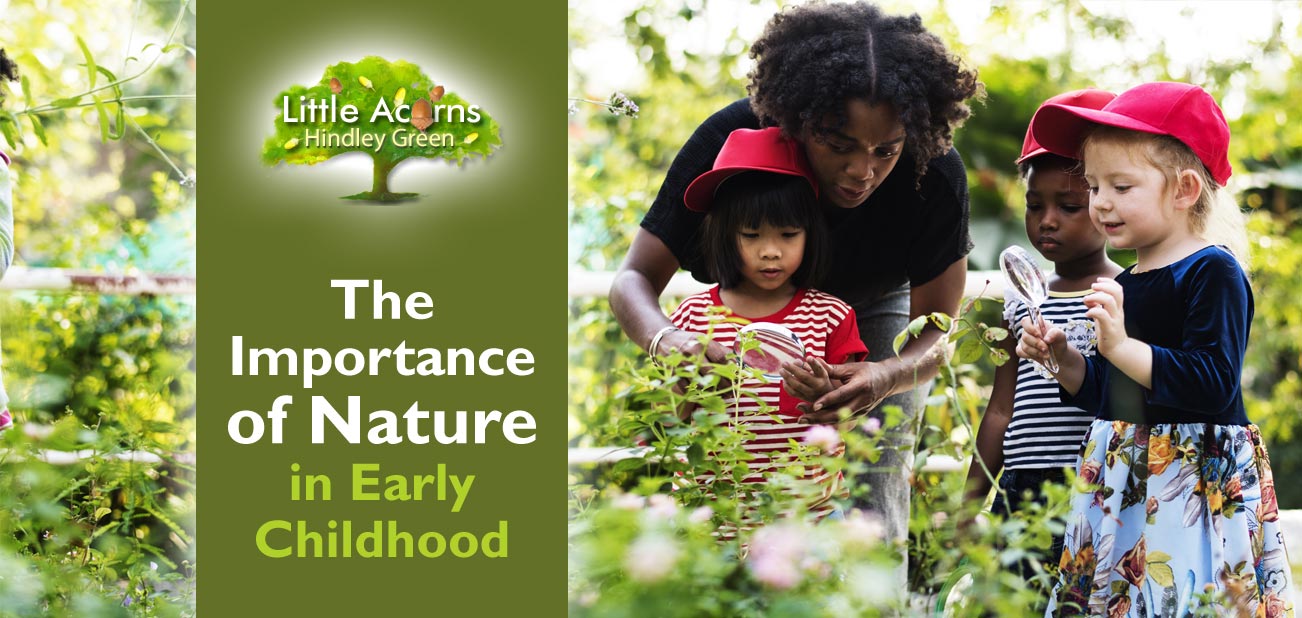
 As parents, we all want the best for our children. We strive to provide them with a nurturing and stimulating environment that supports their growth and development. However, in today’s fast-paced world, it’s easy to overlook the importance of nature in our children’s lives.
 Make time for outdoor play — set aside regular time for outdoor play and exploration. This can include visits to local parks, nature reserves, or your own back garden.
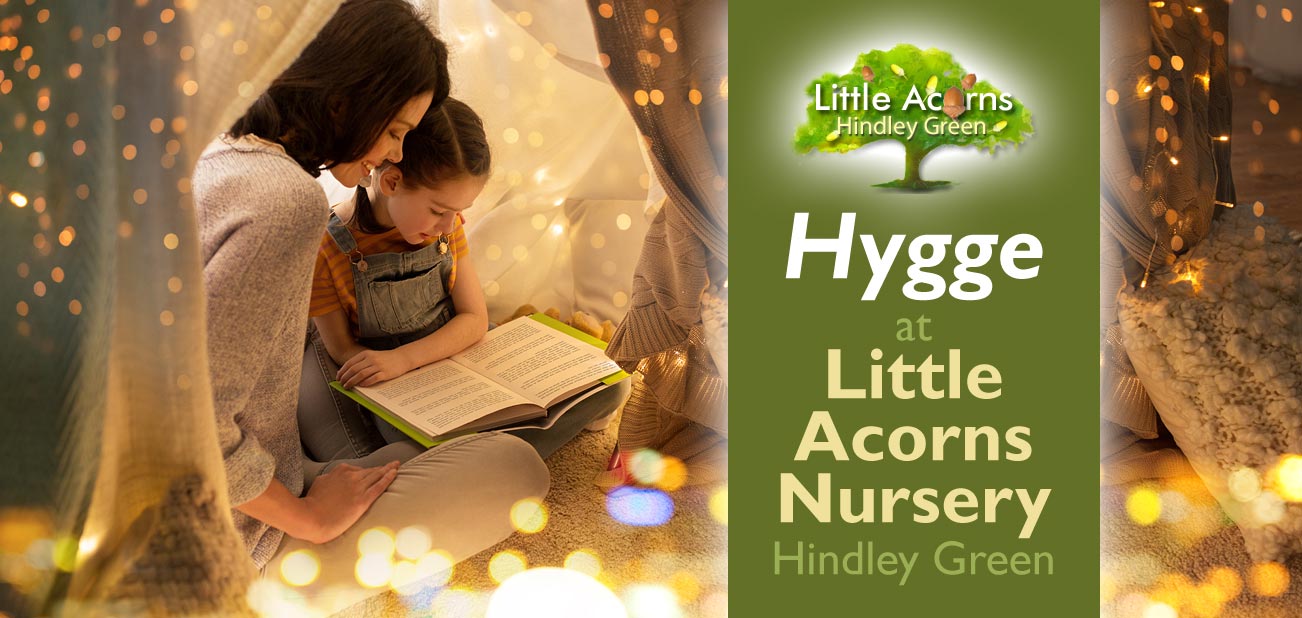
 At Little Acorns Nursery in Hindley Green, we’re embracing Hygge (pronounced “Hue-gah”), which is becoming very popular around the globe. But what is Hygge and why are we embracing it? This article explains everything and you’ll soon see why Hygge is a very good thing for everyone at the nursery, including both children and staff. Take a look …
 Hygge has been described as resulting in “comfortable conviviality” i.e. friendliness and warmth that makes everyone feel welcome and happy. It’s also been described as “the pursuit of everyday happiness … basically like a hug, just without the physical touch.”
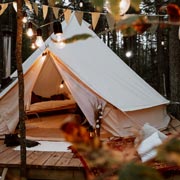
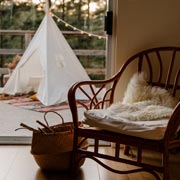 There will be twinkly ‘mood’ lighting instead of harsh fluorescent lighting. Rooms will have real plants that bring nature indoors, natural materials and objects like wood, wicker, pine cones and pebbles. There will be calming music and perhaps even scent in the air. There will be cosy corners, dens and even teepees where children can ‘nest’ while they read, play or converse. Hygge gives a room a lovely atmosphere, often with flickering candles (or, at the nursery, the warm-coloured LED equivalents, for safety purposes).
 Embracing all these aspects of Hygge will make children feel really at home, safe, relaxed, cosy and content. Their day will feel fulfilling and enriched. It will be calm and peaceful whilst also embracing nature both outside and indoors. Friendships will deepen as small groups of children play, converse, read or simply ‘be’ in the many cosy nooks and dens available to them. They are also free to have some solo time where they can explore a particular interest, relax with a book or engage in an activity in a calm and comfortable corner. Whatever they’re doing, children will enjoy and benefit from the mood lighting, calming surroundings, relaxing music and suchlike.
 Hygge is like a warm cloak that softly embraces every child, allowing him or her to quietly blossom, learn and develop in the most homely and relaxed of atmospheres. With Hygge, they can embrace and naturally absorb everything that’s so good about the Hygge lifestyle, including it’s almost magical effects that will bring out the wonder in every child. Hygge instinctively appeals to a child’s very heart and soul, allowing their learning and development to blossom and thrive in the most natural of ways.
 gives babies, toddlers and preschoolers the very best start in life and in their early years education. If you are looking for