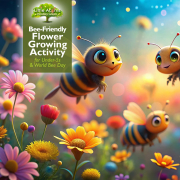
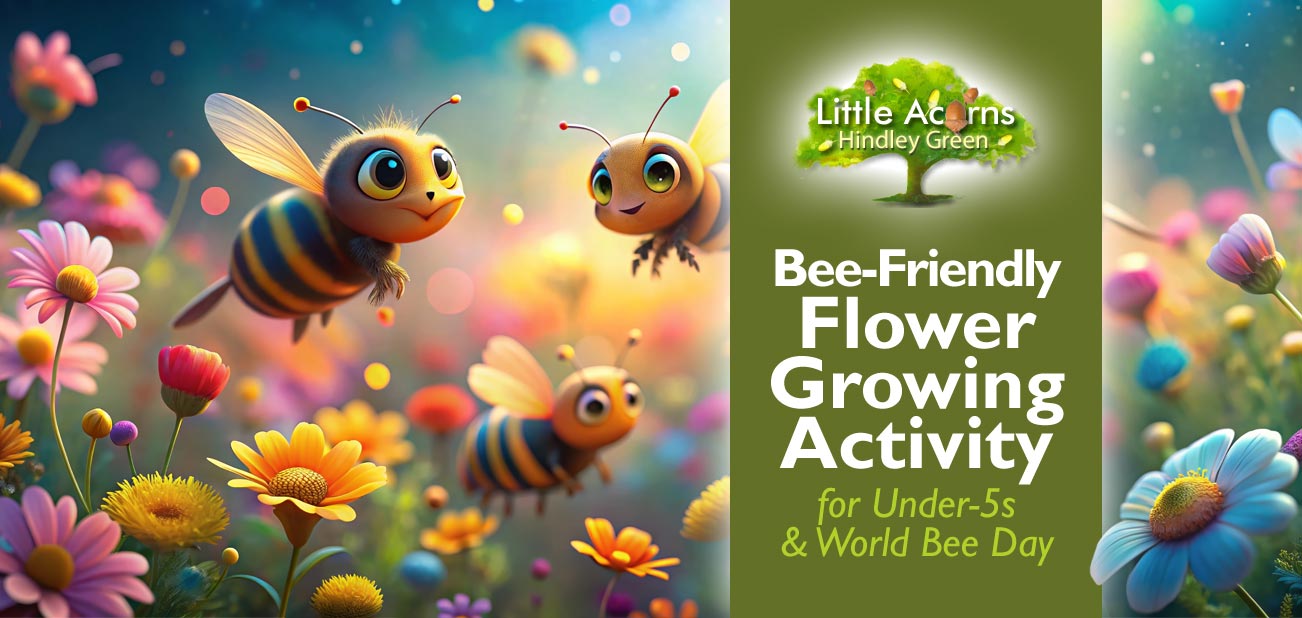
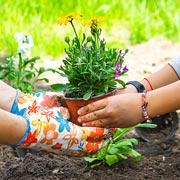
 With World Bee Day arriving on the 20th of May and National Children’s Gardening Week arriving on the 24th, it’s an excellent time for a flower-growing activity for children — including under-fives. More specifically, the growing of bee-friendly flowers — from seeds — will be an excellent way to celebrate World Bee Day and support these adorable little creatures. Bees, butterflies, and other pollinators are incredibly important for the world, being largely responsible for pollinating the crops, including nuts, seeds, fruits and vegetables, that we rely on for food. Yet they are under threat with numbers dwindling severely in recent years. Without bees and other pollinators, the world’s animals, plants, trees, and flowers would be in real danger. Today’s bee-friendly flower-growing activity is therefore an incredibly worthwhile one for children to get involved in. It’s fun, highly educational for little ones, and will help to make the world a better place! Little ones, let’s get growing!
Bee-Friendly Flower Growing for Children
Today’s activity for children starts with seeds. Children, especially under-fives, will love sowing them, watering the seedlings, planting them out, and watching them grow. Even better will be the moment the first bee, butterfly or hoverfly arrives to sample the sweet nectar from the flowers! Here’s what to do:
Source the Bee-Friendly Seeds
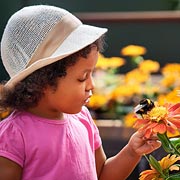 Unless seeds are available from friends and family or harvests from previous years, parents of under-fives will need to source them. However, that’s easy and can be incredibly inexpensive. Most supermarkets sell seed packets and, if not, there is a whole range of online stores to choose from (here’s one great example with bee-friendly wildflower seeds available from as little as £1.49). Wherever they’re sourced from, the key to this activity’s success is to choose bee-friendly seeds. That’s easily done by ensuring packets are marked as bee-friendly or pollinator-friendly. Even better — choose those which are also marked as native to the UK as they’re likely to suit conditions well and be an ecologically sound choice.
Examples of bee-friendly seeds/flowers:
Families can choose bee-friendly wildflower seeds if they would like a variety of flowers to grow — and different pollinators to visit. If choosing individual flower varieties, bee-friendly options to consider include sunflowers, poppies, daisies, cornflowers, forget-me-nots, verbena, sedum, nasturtium, cosmos or calendula. Bee-friendly herbs are also an option with the added bonus that their leaves can be eaten. Examples include flowering mint, dill, basil and thyme.
Seed kits are another option for children, with many online stores offering inexpensive options that include not only the seeds (whether loose or in seed ball format) but also things like a magnifying glass, stickers, and so on. Here’s an example.
When to Sow the Seeds
The months of March through to May are a great time to sow bee-friendly flower seeds. Depending on the variety chosen, flowers can appear within just a few weeks (perfect for World Bee Day at the time of writing) up to a few months. So, read seed packets/information carefully before buying and perhaps favour the faster-growing seeds to keep young children engaged in this activity.
How to Sow the Seeds
Seed packets will usually have some basic sowing instructions. That said, there are generally 2 main ways to sow flower seeds:
- Simply scatter seeds outdoors in a suitable place (weed-free, prepared flower beds, for example). However, it will not be very controlled and, in any case, what fun is that?
- Sow seeds more methodically, with much more care, in seed trays of some kind. We suggest this option for children as it’s more fun, far more educational, and likely to have substantially better results. Children will learn more skills and knowledge with this approach.
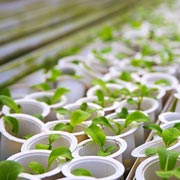 If children are going with our recommended second option, they will first need to read packets to ensure their timing is right. For seed trays, they can use inexpensive, commercially available seed trays or use smaller options like flower pots. Another free alternative is to use repurposed margarine tubs, yoghurt pots, or similar. Whichever option they choose will need drainage holes added underneath by supervising parents plus a drip tray of some kind. Whether that’s a commercial one or something as simple as a saucer is up to families.
For the soil, commercially-obtained compost that’s suited to growing seeds and seedlings is ideal (especially if it’s peat-free as that’s more ecologically sound). For a free alternative, carefully transport some prepared soil/home-grown compost from outdoors and use that. It needs to be broken up and weed-free and this part of the activity will need to be heavily supervised* by an adult.
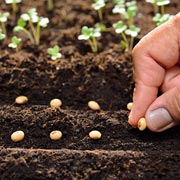 Once the soil is layered into the seed trays or pots, to a level an inch or so below the top, children can indent the soil/compost for the seeds to go into. Seeds can be manually spaced out into these indents so that, once they grow, the individual plants will be easily separated. We suggest scattering a shallow layer of sieved soil or compost over the seeds once placed into the indents and given a sprinkling of water.
Wash little hands with soapy water afterwards, of course*.
Water Regularly
Children may need to be reminded to check their seed trays every day and to keep the soil moist (but not soaked) through gentle watering.
Keep Watch for Sprouting Seedlings
One of the most exciting points in the whole activity will be the first time children notice little seedlings beginning to sprout from the soil. It may take somewhere from 10 days to a fortnight for this to occur but it’s quite a moment once it happens — and it’s (almost) all down to the child!
Thin Seedlings Out
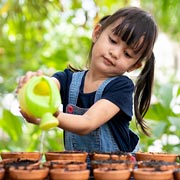 Children should continue to water the seedlings regularly, when needed, and may also have to thin out any ‘clumps’ or plants that are too close together, otherwise, several plants may get tangled and have to compete with one another unnecessarily.
There will come a point (hopefully!) when the seedlings have grown big enough to be strong and ready to transplant outdoors. Whether choosing flower beds in gardens, window boxes, or outdoor flower pots, choose somewhere that’s again free of weeds (remove if necessary) and ensure plants have individual space to grow larger. The original seed packets will usually advise whether the plants will suit sunny, shaded, or semi-sunny locations. However, pollinators like butterflies like sunnier locations, so factor that in too.
Flowers Will Bloom
Children should continue watering the plants when required (soil should not be allowed to dry out) and, day by day, the plants will grow larger until buds, then flowers, finally appear.
Bees & Pollinators Will Arrive!
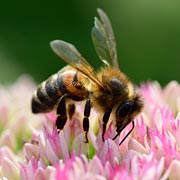 Once flowers appear, children can expect pollinators like honey bees, bumblebees, butterflies, and hoverflies to appear. It’s going to be magical for children when that day first arrives! Bees and the other pollinators truly are delightful and adorable. Children should look but not touch*, after all, bees have important work to do!
“Children should look but not touch, after all, bees have important work to do!”
See if they can spot the little yellow/orange pollen baskets on the bees’ legs. Explain what those are for. Children can also get more advanced and see if they can learn the names of the different bee species.
Did you know? Worldwide, there are over 20,000 species of bee!
Natural Benefits
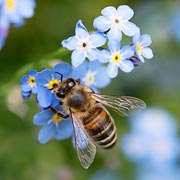 This activity will raise awareness of bees and pollinators in children of all ages. It’s not only a wonderful way to introduce children to these adorable creatures, but also a great opportunity to raise awareness of the plight bees and pollinators are facing. They are under severe pressure from habitat loss, global warming, the use of harmful pesticides/weedkillers, pollution, invasive predators, and many other threats that have made their populations plummet in recent years.
“Close to 35 percent of invertebrate pollinators, particularly bees and butterflies … face extinction globally.” — United Nations
By involving children in activities — like today’s — for World Bee Day, they will be better informed and able to help bees and pollinators far into the future. It will help them to be more responsible citizens, caring and compassionate individuals, and lead to them towards living greener lifestyles as they grow older. The world’s future is in their hands, so that’s incredibly important.
“A world without pollinators would equal a world without food diversity – no blueberries, coffee, chocolate, cucumbers and so much more.” — United Nations
What’s more, today’s flower-growing activity will teach children new skills and new facts, and they will benefit from everything that nature has to offer (and that’s a lot!). Learn more about the incredible benefits of nature to children here.
Nature & Outdoor Play at Little Acorns Nursery


Our extensive outdoor spaces, nature zones and wild areas at Little Acorns Nursery in Hindley Green are a huge hit with children. There, they have a wonderful time exploring, discovering, learning through play, and benefitting from spending time close to nature. It’s a fabulous aspect of this nursery and preschool near Wigan, Lancashire. And, of course, we have fabulous resources, equipment and a home-from-home environment inside, where every child under five gets the very best start in life.
Get in touch today to explore the idea of sending your baby, toddler, or preschooler to Little Acorns Nursery in Hindley Green:
Little Acorns Nursery is also conveniently located for those living in Atherton, Leigh, Ince-in-Makerfield, Platt Bridge, Westhoughton, Bickershaw, Tyldesley, and Bolton.
*Health & Safety Note
Ensure children, especially the youngest, are supervised at all times by a responsible adult. Some bees and pollinators have stings, so it’s important for adults to ensure that children look but do not attempt to touch them. Additionally, some seeds and plants are poisonous, while some soil also contains hidden dangers. Adults should therefore ensure that children keep fingers well away from mouths and wash hands and fingers thoroughly with soap and water after contact with any such things. Plant food is also potentially very dangerous and should therefore only be used by adults and kept well away from little ones.


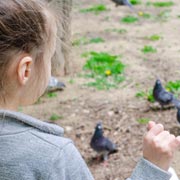 Families, set your diaries for the wildlife event of the year, which happens this January from Friday the 24th to Sunday the 26th inclusive. It’s free, takes just one hour, and allows children and adults to be part of the world’s biggest garden wildlife survey. During the event, families and individuals across the nation simply count the birds they spot in the garden, park, local green space, or even balcony over the course of 60 minutes. The results of hundreds of thousands of these surveys are compiled by the Royal Society for the Protection of Birds (RSPB) to build a picture of the health of the nation’s bird populations. It’s important scientific and ecological work and children can become citizen scientists if they simply take part. Learn more about the Big Garden Birdwatch and how to take part in today’s guide for families with children.
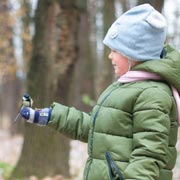 Children will love being involved in this important nature-based activity. They’ll not only play their part in helping birds and nature, but they’ll also have fun and learn something along the way. They will discover some of the many wonderful feathered visitors who live in their neighbourhood and learn about some of the important issues affecting the natural world. They’ll begin to grasp the impact of humans on Britain’s flora and fauna and learn the importance of conservation and looking after the natural world around them. Through this endeavour, they’ll learn how they can make a positive difference. They will also become little citizen scientists! It’s fun, educational, and will give them a wonderful sense of achievement too. It may even change their outlook over the long term and help them think about their own impact on the planet, which is a wonderful outcome. And last but not least,
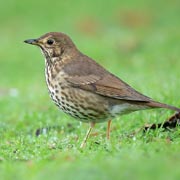 Once the chosen time and date arrive, all you/your children need to do is monitor birds landing on your chosen patch. Count those that actually land rather than any flying otherwise there’s a danger that one bird could be counted multiple times. What you need to record for the survey, though, is the largest number of each bird species that have landed at any one time during the hour. So, for example, if you spot two blackbirds that have landed at the same time in the first half hour, but later in the hour you can see 4 that have landed at the same time, then you need to record “4” for blackbirds.
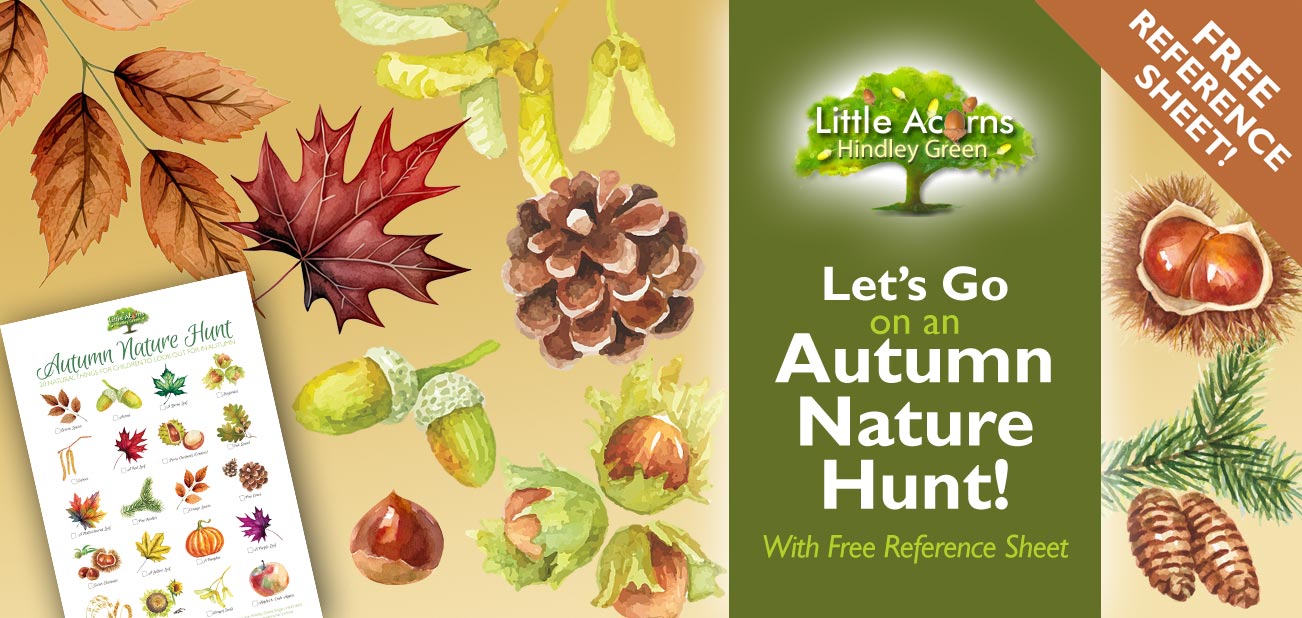


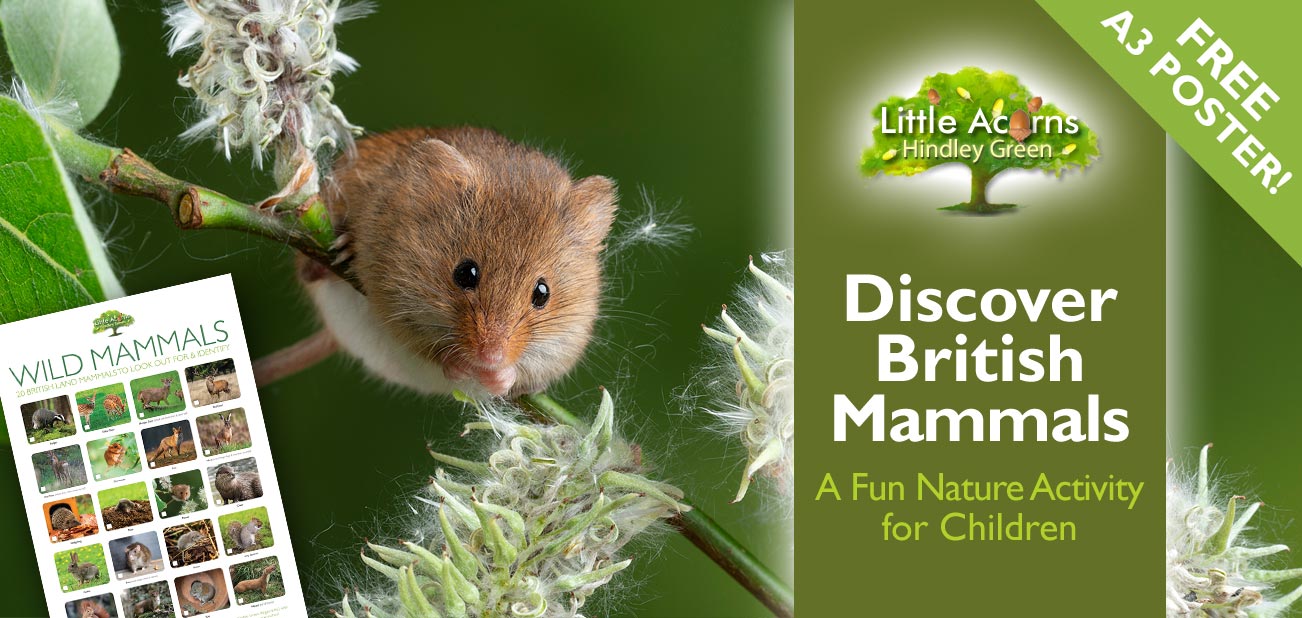

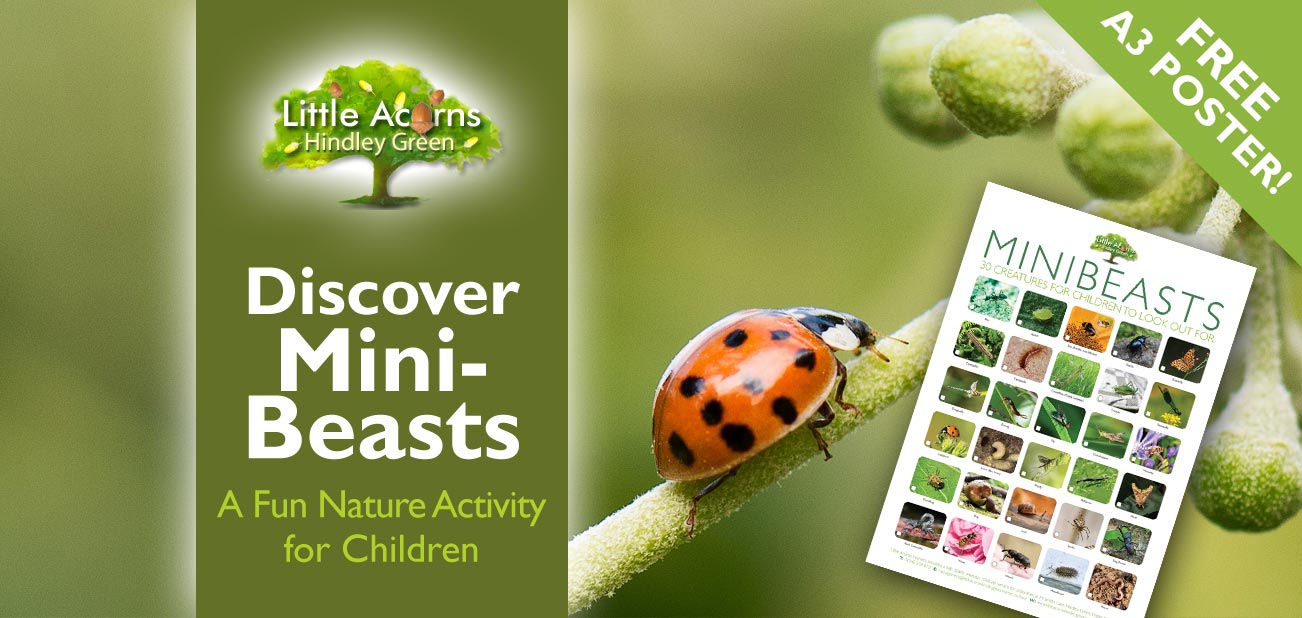
 Today’s ‘Discover Minibeasts’ post is the third in our series of nature-based activities for children. And, as with the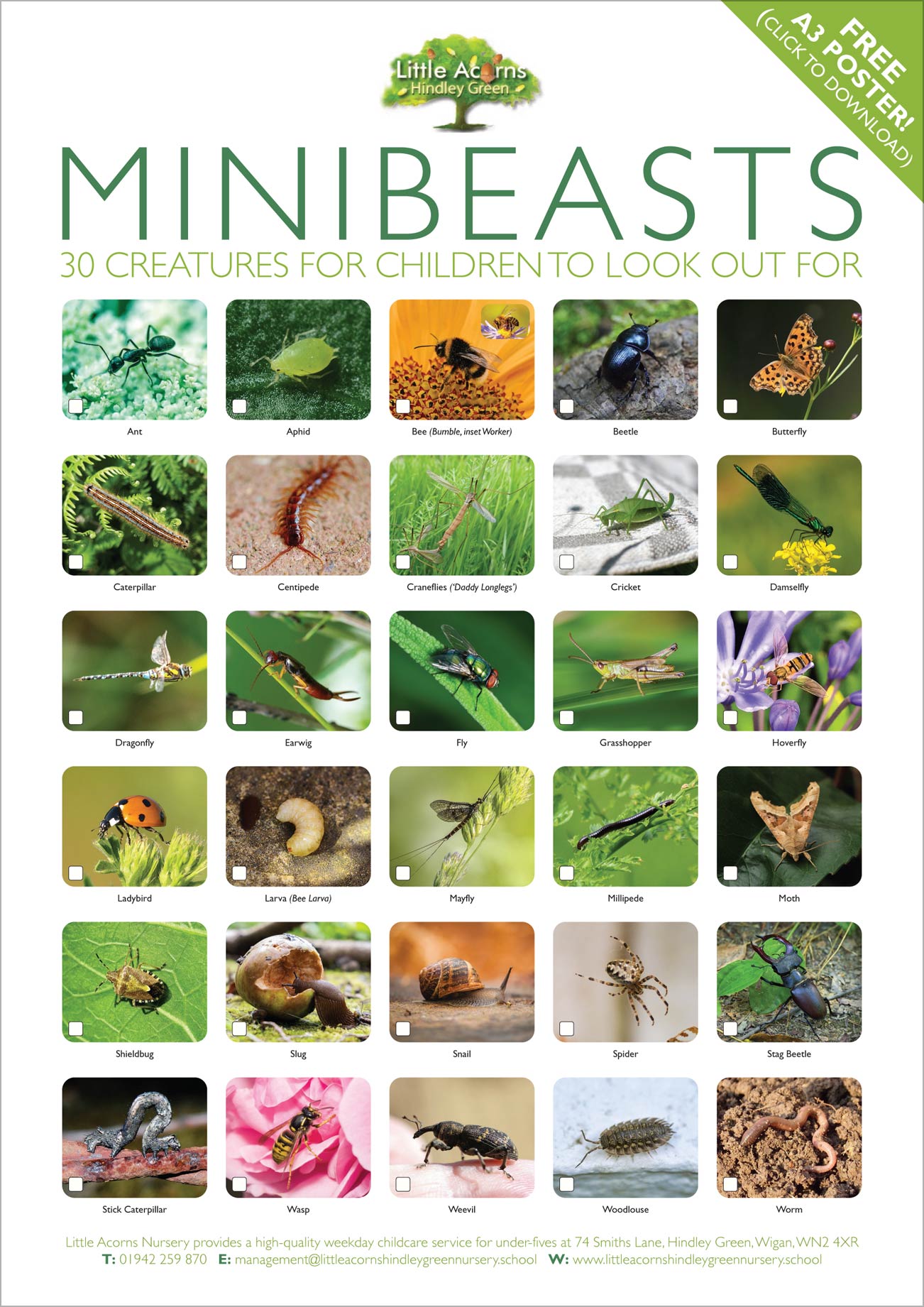
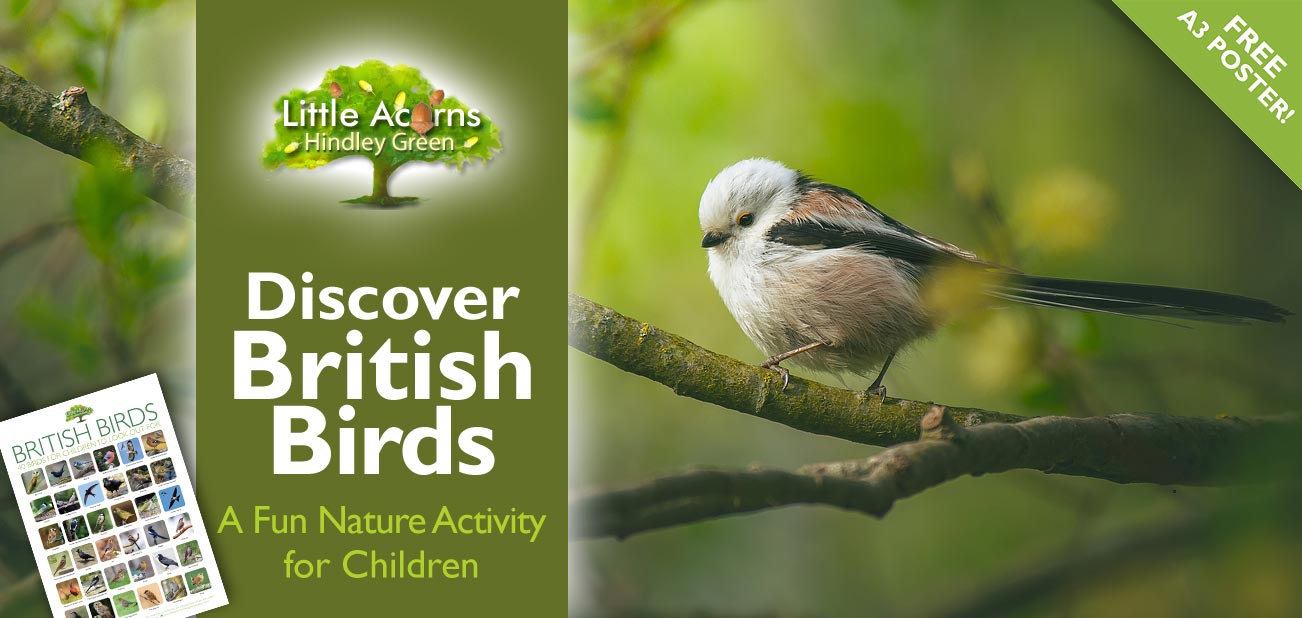
 Today, in a follow-up to the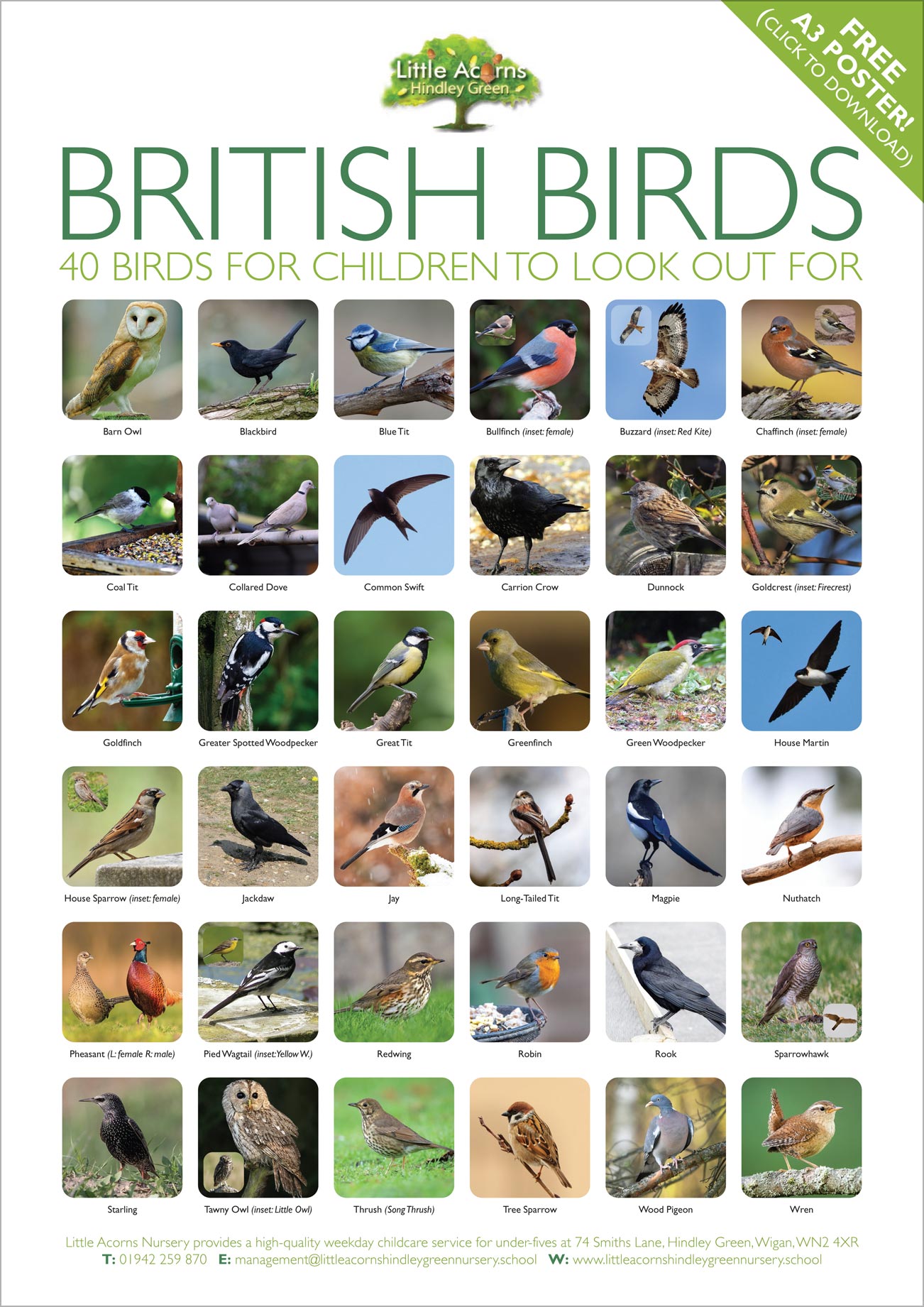
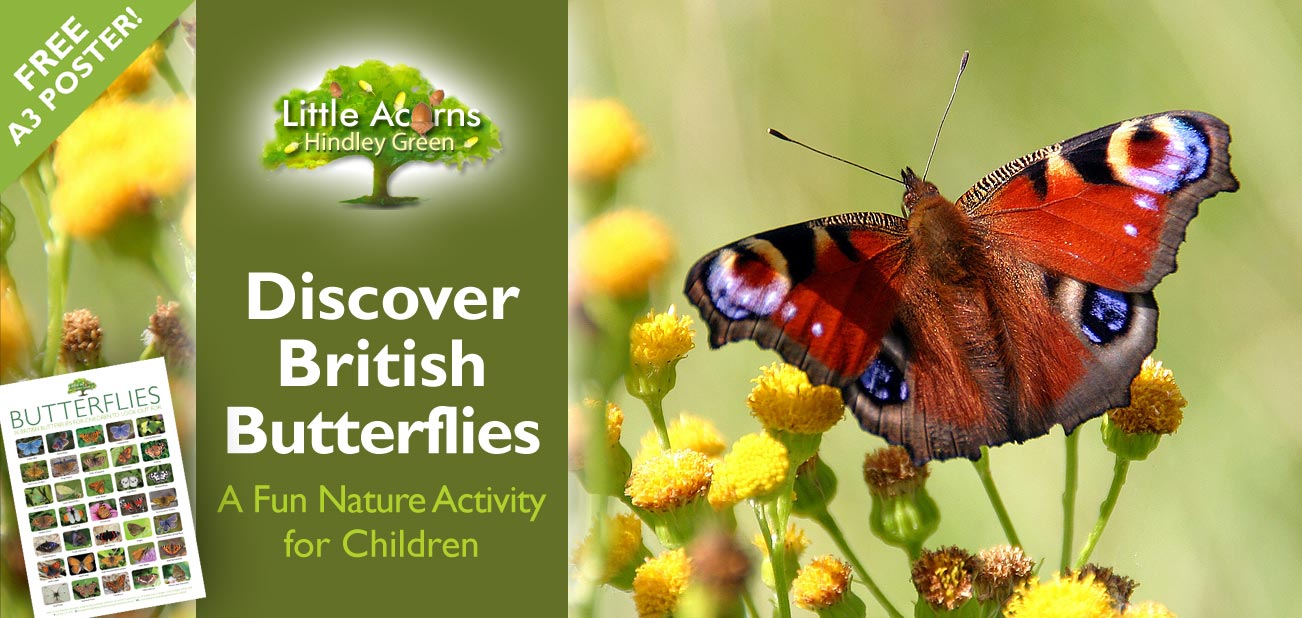
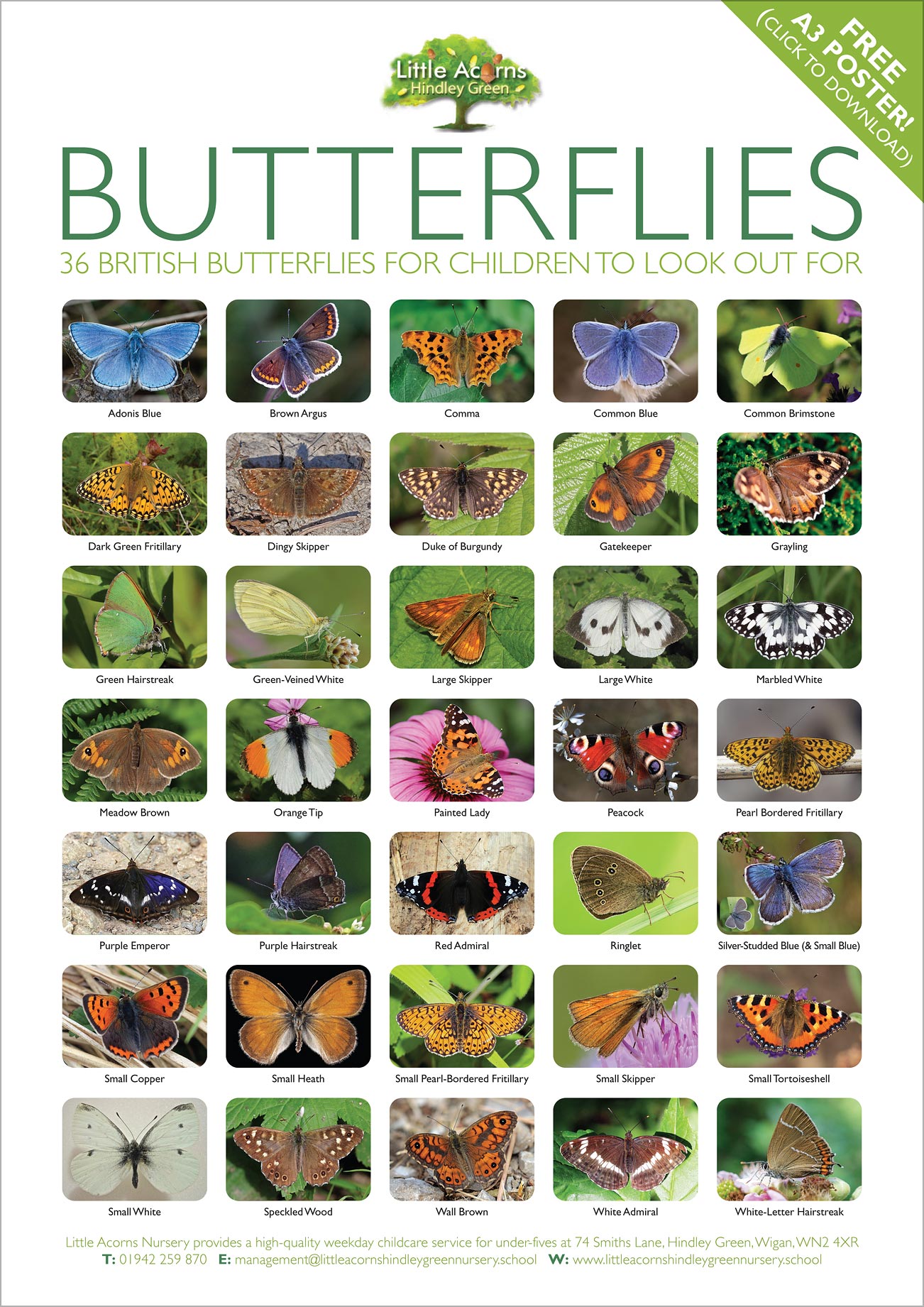
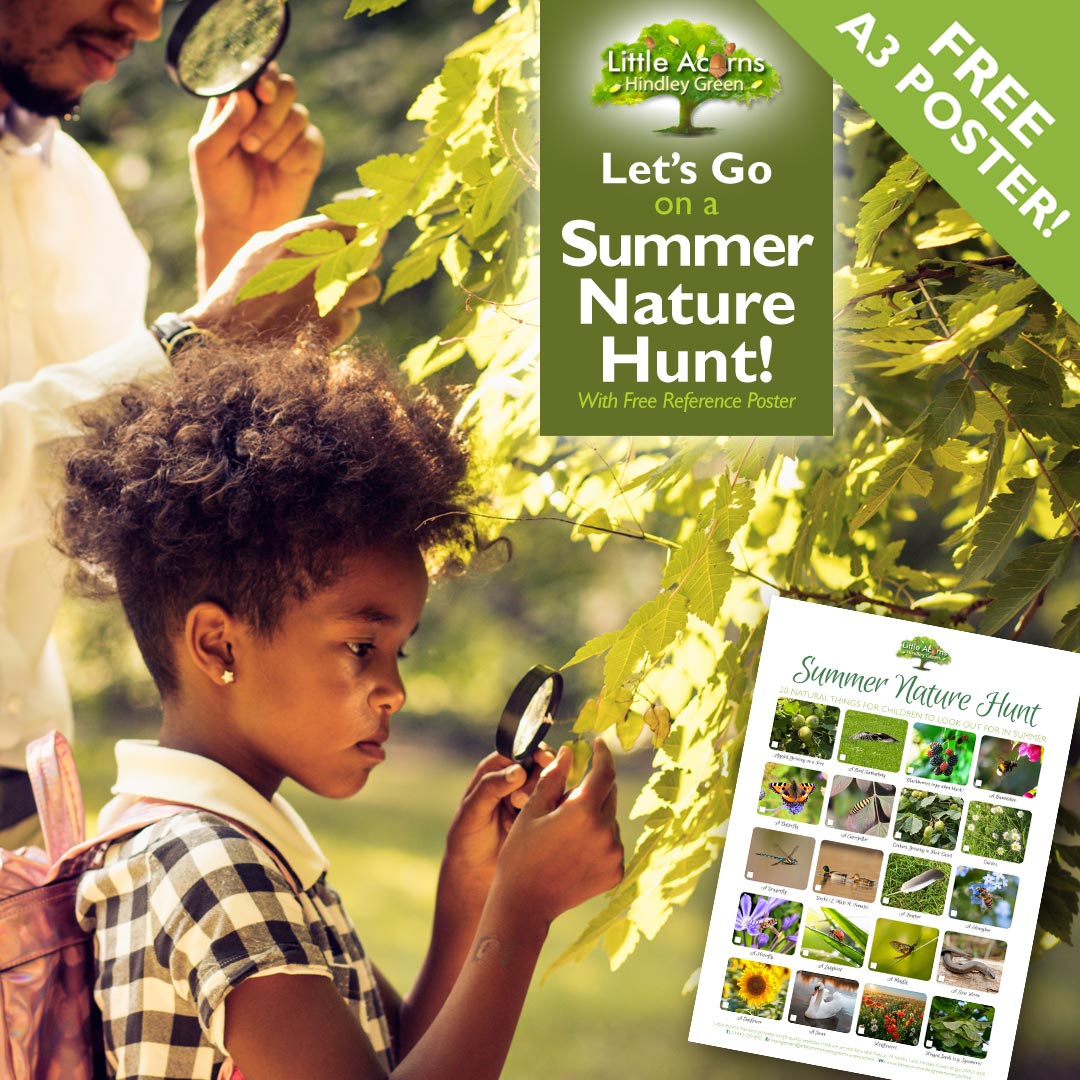
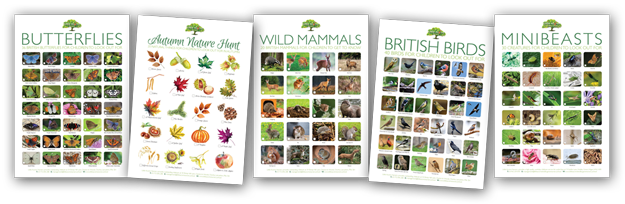
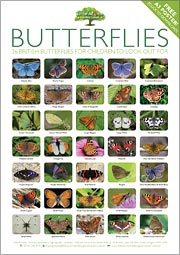 Today’s exciting blog post encourages families to explore the wonders of nature and embark on a delightful butterfly-spotting adventure! Butterflies are simply beautiful creatures and their amazing colours and patterns are sure to appeal to little ones. With that in mind, we have prepared a visually appealing and informative A3 poster featuring 36 British butterflies, which you can download for free and print out. So, why not get the family ready to step outside, immerse yourselves in nature, and create cherished memories as you observe these enchanting creatures in their natural habitat? The poster gives visual reference and also ensures you have a lasting memento of this unique experience. Over time, this poster and nature-based activity will help you and your little one learn to identify these diverse and important little pollinators. As we reported before,