
A Guide for New & Expectant Parents

The arrival of a newborn baby often brings an outpouring of affection from friends and family. Cuddles, close contact and kisses are instinctive ways people express love. However, during the first weeks and months of life, these well-meaning gestures can sometimes pose genuine health risks.
Newborn babies have immature immune systems, making them particularly vulnerable to infections that are harmless to adults but potentially serious — and, in rare cases, life-threatening — for infants. Today’s article explains why kissing newborns can be risky, the science behind their vulnerability, and how parents can confidently encourage safer behaviour without damaging important relationships.
Why Newborns Are More Vulnerable to Infection
An Immature Immune System in the First Months of Life
At birth, a baby’s immune system is still learning how to respond effectively to bacteria and viruses. While babies receive some antibodies from their mother during pregnancy, these offer only partial and temporary protection.
In the first few months of life, infants produce fewer infection-fighting antibodies and have limited immune “memory”. This means that viruses and bacteria that cause mild symptoms in adults can potentially lead to serious illness in newborns, including blood infections (sepsis), meningitis, encephalitis (brain inflammation), and breathing difficulties. Infections can spread rapidly. The NHS therefore advises that young babies are at higher risk of complications from infections — even more so if they were born prematurely — and should be protected from unnecessary exposure wherever possible.
The Developing Blood-Brain Barrier in Infants
One lesser-known but important factor is the blood-brain barrier. This barrier acts as a protective filter between the bloodstream and the brain, helping prevent harmful substances and microbes from reaching the central nervous system.

In newborn babies, the blood-brain barrier is not yet fully mature, particularly during the first few months of life. As a result, certain viruses and bacteria are more able to cross into the brain. Infections can escalate more quickly, and therefore potentially devastating neurological complications are more likely than in older children. This is one reason why infections in newborns are taken so seriously by healthcare professionals and often require urgent investigation.
How Infections Can Be Passed to Babies Through Kissing
Why Saliva and Close Contact Increase Risk
Kissing — especially on the face, lips or head — brings an adult’s saliva and skin into close contact with a baby’s mouth, nose and eyes. This can transmit microbes even when the person feels completely well.
Commonly transmitted infections include cold and flu viruses, Respiratory Syncytial Virus (RSV), and bacterial infections carried by adults. In many cases, adults have no idea they are even carrying these microbes.
“54% of new and expectant parents would let friends and family kiss their newborn baby, unaware of the risk of serious infection.” — The Lullaby Trust
Neonatal Herpes and Kissing Newborns
What Is Neonatal Herpes?
One of the most serious infections associated with kissing newborns is neonatal herpes, caused by the herpes simplex virus (HSV).
HSV-1 vs. HSV-2: What Parents Should Know
HSV-1 is commonly associated with cold sores around the mouth, while HSV-2 is more often linked to genital herpes. Both types can cause neonatal herpes if transmitted to a baby through direct contact with infected saliva or skin, especially when cold sore blisters are evident. Importantly, though, in some circumstances, transmission can occur even when no visible cold sore is evident.
In newborns, HSV can spread rapidly and may affect the skin, eyes, mouth, organs or central nervous system. Early symptoms can be subtle, which is why prevention is so important. Avoiding kisses is therefore a simple and sensible temporary precaution.
“Despite the risk, 63% of new and expectant parents would feel uneasy asking visitors not to touch their baby, worried that they’d offend someone, hurt their feelings, or be labelled an overprotective parent.”
— The Lullaby Trust (∞)
How Parents Can Reduce the Risk of Infection
The T.H.A.N.K.S. Approach (Think Hands And No KisseS)
The Lullaby Trust promotes a simple, memorable message to help reduce infection risk in newborns:

This encourages people to think carefully about infection risks, wash their hands before touching the baby, and avoid kisses, especially in the early weeks.
Hand Hygiene and Visitor Safety
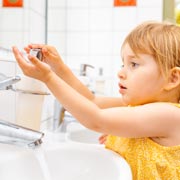
Hand washing also remains one of the most effective ways to reduce infection transmission. Anyone handling a newborn should wash their hands thoroughly with soap and water, especially after travelling, coughing, or touching shared surfaces.
Why Unwell Visitors Should Stay Away
Visitors who are unwell — even mildly — should avoid close contact with newborns. This includes cold sores, coughs, stomach bugs or flu-like symptoms. Parents should explain and be confident about delaying visits until everyone is healthy.
How to Ask Friends & Family Not to Kiss Your Baby
Asking friends or relatives not to kiss your baby can feel uncomfortable, particularly with older generations. However, most people respond positively when the reason is explained calmly and clearly.
Simple phrases like “We’re being extra careful in these early weeks while the baby’s immune system is still developing” or “We’re following medical advice to avoid kisses for now, because newborns are at heightened risk” can help set boundaries without causing offence.
It’s worth remembering that protecting your baby’s health is not over-protective — it is responsible parenting. There is therefore no need to feel bad about it.
Protecting Babies in Their Earliest Weeks
So, to sum up, kissing a newborn may be a natural expression of love, but during the earliest months of life, it can carry risks that many people are unaware of. Because babies have immature immune systems and incomplete protective barriers, preventing unnecessary exposure to infections is a sensible precaution.
With clear communication, good hygiene, and approaches like T.H.A.N.K.S., parents can protect their baby’s health while still allowing friends and family to bond safely. Such an approach will give their child the healthiest possible start — and could even save their life.
Little Acorns Nursery, Hindley Green, Wigan

Little Acorns is a nursery in Hindley Green, near Wigan, and may also suit those living nearby, for example, in Bolton, Ince-in-Makerfield, Platt Bridge, Westhoughton, Atherton, Leigh, Bickershaw, and Tyldesley. We offer high-quality weekday childcare for babies and children under five and support free childcare hours for eligible families. Follow the bold links for more information, or begin your application for a childcare place or free nursery tour using the buttons below. We look forward to meeting you!
When to Seek Medical Advice for a Newborn
If a newborn shows signs such as poor feeding, lethargy, fever, unusual crying, breathing difficulties or a rash, parents should seek medical advice promptly via their GP, NHS 111, or emergency services if there are serious concerns. And parents: trust your gut feelings — you know your child best!

 World Book Day is a special charitable event, celebrated globally, that encourages children of all ages to discover the joy of reading. Why? Because reading has the power to substantially improve children’s lives. Schools, nurseries, and libraries across the nation make the day extra special for children through storytelling sessions, fancy dress, and book-related activities.
 Find time for your little one to read.
 Dress up as a favourite character! There’s no need for elaborate costumes; a simple hat, crown, or themed outfit inspired by a beloved book character can bring your child’s favourite stories to life.
 Interaction with books is something we strongly encourage at

 Families, set your diaries for the wildlife event of the year, which happens this January from Friday the 24th to Sunday the 26th inclusive. It’s free, takes just one hour, and allows children and adults to be part of the world’s biggest garden wildlife survey. During the event, families and individuals across the nation simply count the birds they spot in the garden, park, local green space, or even balcony over the course of 60 minutes. The results of hundreds of thousands of these surveys are compiled by the Royal Society for the Protection of Birds (RSPB) to build a picture of the health of the nation’s bird populations. It’s important scientific and ecological work and children can become citizen scientists if they simply take part. Learn more about the Big Garden Birdwatch and how to take part in today’s guide for families with children.
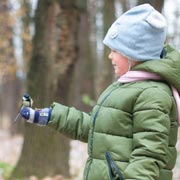 Children will love being involved in this important nature-based activity. They’ll not only play their part in helping birds and nature, but they’ll also have fun and learn something along the way. They will discover some of the many wonderful feathered visitors who live in their neighbourhood and learn about some of the important issues affecting the natural world. They’ll begin to grasp the impact of humans on Britain’s flora and fauna and learn the importance of conservation and looking after the natural world around them. Through this endeavour, they’ll learn how they can make a positive difference. They will also become little citizen scientists! It’s fun, educational, and will give them a wonderful sense of achievement too. It may even change their outlook over the long term and help them think about their own impact on the planet, which is a wonderful outcome. And last but not least,
 Once the chosen time and date arrive, all you/your children need to do is monitor birds landing on your chosen patch. Count those that actually land rather than any flying otherwise there’s a danger that one bird could be counted multiple times. What you need to record for the survey, though, is the largest number of each bird species that have landed at any one time during the hour. So, for example, if you spot two blackbirds that have landed at the same time in the first half hour, but later in the hour you can see 4 that have landed at the same time, then you need to record “4” for blackbirds.
 Draw up a short list of possible settings for your child, having first whittled down the choices by
 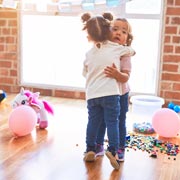 If your child already has a friend or neighbour of a similar age who will also attend your chosen nursery, it can be very useful. Both children will then have a friendly face to play with from Day 1. If not, it should be easy enough to ask around to find out about other local children who will start at the nursery when your child does. Arranging play dates for them in the weeks running up to the start date will help each child familiarise themselves with one another, so they each have a friend or two at the nursery right from the start. It’s a great way of settling them in.
 Aside from the initial guided tours undertaken, we schedule 2 formal settling-in visits for children once a place has been offered. These hour-long settling-in sessions usually occur in the week before children are due to start at the nursery formally. They are both free of charge. Here’s how they are approached:
 Reassuring your child will also help them settle into nursery – so communication is key. This is true both before they start and once they attend, particularly at the beginning. Before starting, it’s important to ensure they know that changes will soon happen, what to expect when the time comes, and that it’s going to be a big adventure with lots of fun! Encourage questions and answer them sensitively. They also need to be reassured that you will always be there, behind the scenes, looking out for their best interests. And, of course, it’s crucial for them to know you’ll be there to pick them up at home time (don’t be late!).
 As we said previously in our
  Encourage children by celebrating their successes at the nursery. Whether it’s the successful completion of their first day, the first tear-free day, the making of a new friend or any other accomplishment, ensure you congratulate your child. This will give them a sense of achievement, reassure them that they’re doing well, and encourage them to keep attending and building on their progress.
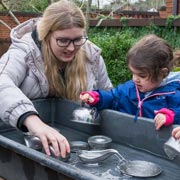 With children sometimes taking as many as 2, 3, or even 4 weeks to fully settle into a new nursery, it’s also important for staff to closely monitor and nurture them. That’s indeed exactly what we do at Little Acorns Nursery in Hindley Green. We ensure the setting is a home-from-home environment for children as much as possible. Children will feel valued, loved, listened to, and well cared for at Little Acorns. We’ll reassure them when they need it, communicate well with parents/carers, discuss any challenges and work to address them speedily and in the most effective ways. We have children’s best interests at heart, so parents can rest assured that their little ones are kept safe, happy and well and, even if not immediately, they’ll grow to love being at the nursery. A couple of recent testimonials prove the point beautifully (hover over them to pause):









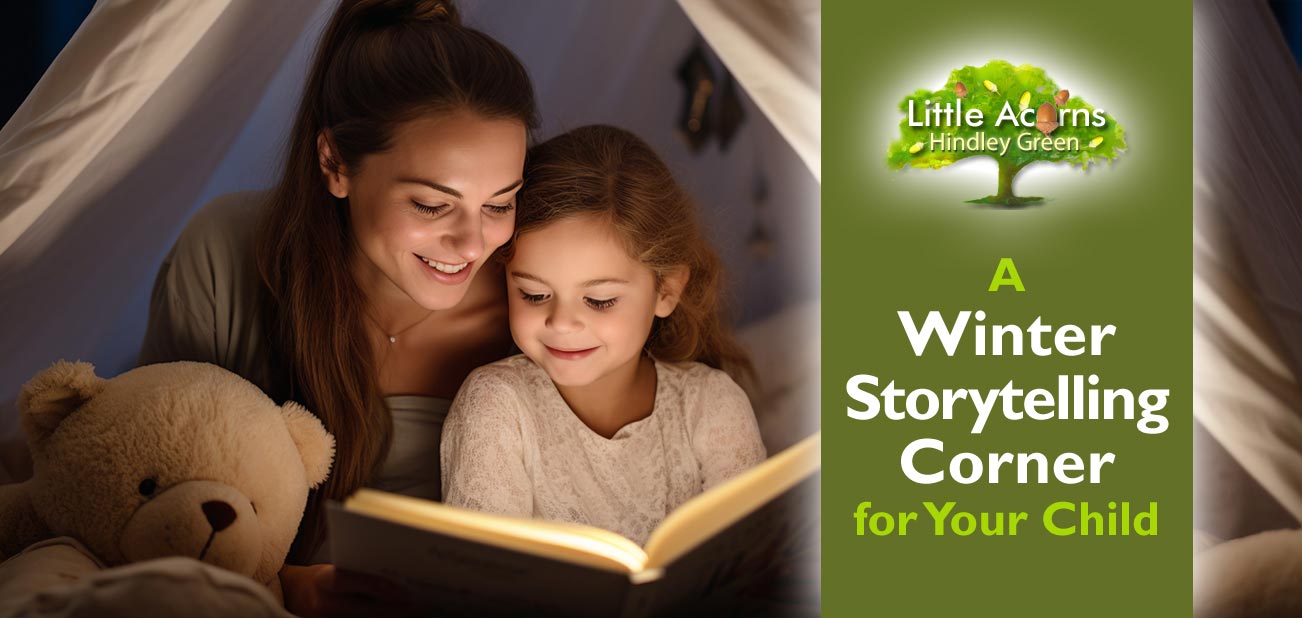
 Once winter arrives in December and cold winds start to breathe the landscape to sleep for a season, little ones will be less inclined to venture outdoors. Parents, too, will no doubt appreciate them avoiding the rain, cold, and inclement conditions that may occur. As such, winter is the perfect time to transform dreary days and dark evenings into a haven of warmth and cosiness indoors. An enchanting children’s activity that goes hand-in-hand with this is that of storytelling. With that in mind, today’s post guides you through the delightful process of creating a Winter Storytelling Corner tailored for the youngest members of the family. A storytelling corner is a wonderful way to make these winter nights cosy, magical, and filled with high-quality shared moments. Shared
  Start by selecting a cosy corner or nook in your home – for example, a secluded and quiet space somewhere that’s away from busy activity, cold draughts and suchlike. It will need to have somewhere comfortable for you and your child(ren) to sit or ‘nest’ once you get to the storytelling part. Once you’ve found somewhere suitable, it could be adorned with soft blankets, plush cushions, and perhaps even a few twinkling fairy lights. The goal is to create an inviting spot that beckons little ones and you, their parent or caregiver, to snuggle up and feel the warmth together as the winter tales unfold.
 Curate a collection of timeless winter stories that capture the spirit of the season. Consider classics like “The Snowman” by Raymond Briggs or “The Mitten” by Jan Brett. These stories, with their simple yet captivating narratives, are perfect for engaging young minds and sparking their imagination. These are just a couple of examples, though, and there are lots of winter-themed books to choose from, whether online, in book stores, in charity shops, or swapped amongst family or friends.
 Perhaps incorporate simple props that relate to the story. If the tale involves animals, have soft toy animals on hand for little ones to interact with as the story unfolds. Other alternatives are hand puppets and finger puppets. Try using them to act out characters from the stories as you read them, or get your child to do so. Adding an interactive and visual element in this way will encourage children to participate actively and immerse themselves in the storytelling process. This approach can be creative, captivating, and sometimes even comical. As such, this is very entertaining for children and will help to make the whole activity enjoyable and fulfilling.

 The transition from preschool to Reception marks a significant milestone in any child’s life. It can be emotional for parents and, for children, it can be a period filled with excitement, curiosity, and perhaps a bit of apprehension. Ensuring a smooth transition involves a combination of careful planning, practical strategies and emotional support. With that in mind, today’s guide outlines more than twenty simple, actionable ways to ensure your child has a seamless transition and a positive start to school life.
 Use positive reinforcement to create a positive association with the idea of school. For example, highlight the exciting aspects of learning, making friends, playing new games, and discovering new things.
 Organise play dates with future classmates to build social connections before the first day. Encourage interactions with other children to develop essential social skills. Attending a nursery, preschool, or playgroup will provide excellent opportunities for this.
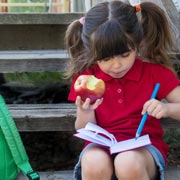 Foster self-reliance by allowing your child to perform simple tasks like dressing themselves, tidying up, using the toilet, and organising themselves. Also, assign small responsibilities to them at home to instil a sense of accountability and responsibility. Such skills will serve them well once at school.
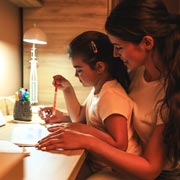 Read age-appropriate books together, particularly those that introduce topics they’ll be introduced to in Reception class. This not only sparks excitement and teaches them new things but also helps children understand what to expect. Instil a love for reading through interactive reading sessions. Visit the library too and explore a variety of books.
 Ensure that your child understands basic time concepts, such as morning, afternoon, and evening. This, in tandem with our next tip below, will help your child better understand the structure of the school day.
 Ensure your child can manage basic self-care tasks independently. Such skills will be invaluable to them once they have started school.
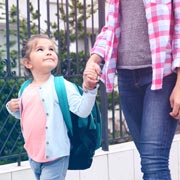 Ensure sufficient sleep by establishing a calming bedtime routine. This not only gets them used to a pattern but will also help them to maintain focus and energy levels once at school.
 The journey from preschool to the first day of school is a significant milestone for both parent and child. Preparing children for school involves a holistic approach that addresses emotional, social, and practical aspects. By incorporating these strategies into your family’s daily routine, you can contribute to a positive and confident transition for your child and set the stage for the most successful start to their school journey.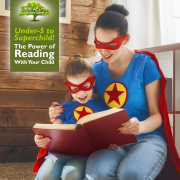
 In the journey of childhood development, there is a simple yet powerful tool that supercharges learning, imagination and even life outcomes: reading with your child. While a magical connection with books is a cherished tradition in many families, it is also a proven way to optimise a child’s cognitive and emotional development — and even to give some a social boost. With that in mind, we explore today the incredible benefits of reading with children in the early years and learn how study after study has proven how transformational it is to their lives.
 One of the most notable benefits of early reading is the rapid expansion of a child’s vocabulary. Indeed, research suggests that children who are exposed to a diverse range of words in books tend to perform better in language assessments, spelling, and overall literacy development. With reading to children opening up whole new worlds of information and vocabulary to them, this positive outcome makes total sense.
 Reading with children also contributes to the development of enhanced empathy and emotional intelligence. Stories often feature characters experiencing a variety of emotions, and by engaging with these stories, children learn to empathise and connect with the feelings of others. That’s because exposure to complex characters and their emotional experiences in books helps children better understand and relate to the emotions of people in their real lives.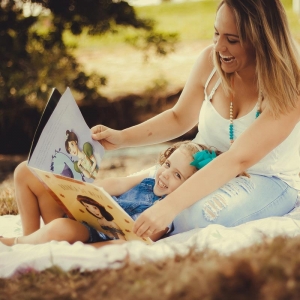
 Reading is not just about the words on the page; it’s also about the quality time you spend together. The connection you build during reading sessions is priceless, fostering stronger bonds between you and your child.
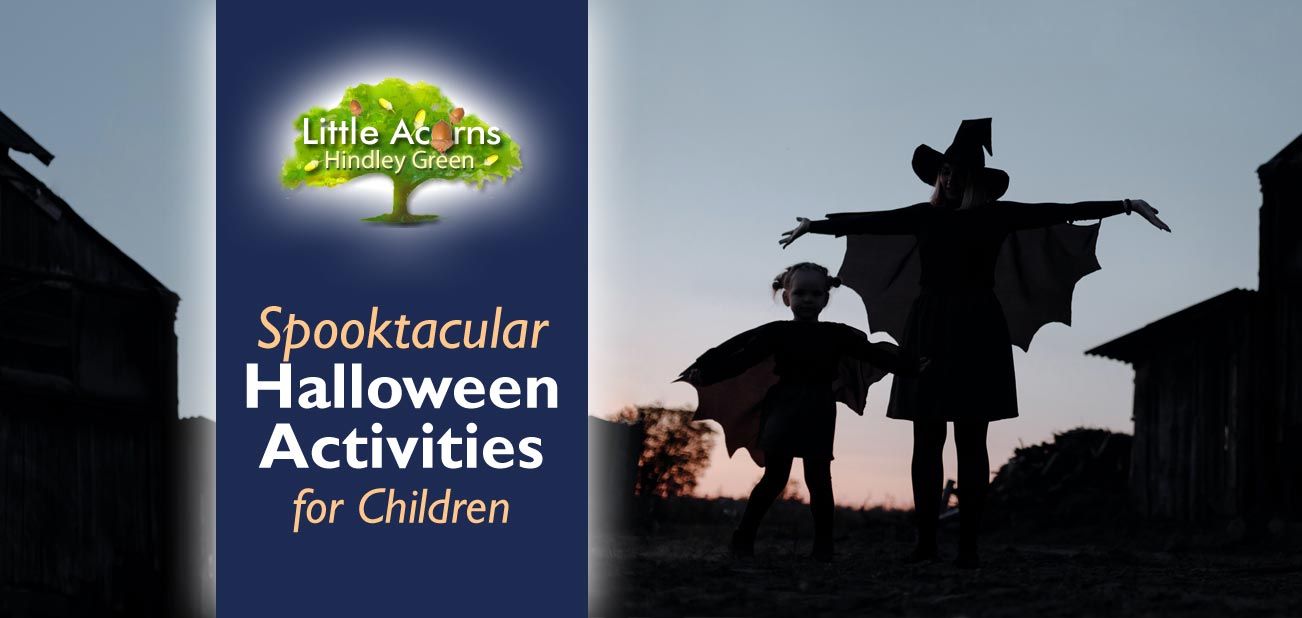
 Autumn’s arrival means that Halloween is just around the corner, coming on the 31st of October each year. The run-up to that date is a great time to start preparing for some fun Halloween activities for children to take part in. Whether dressing up for Halloween-themed parties, putting carved pumpkin lanterns and spooky decorations out at night, or playing Trick or treat locally, children of all ages will find Halloween a time of unique fun! It’s also a great opportunity for children to strengthen bonds with friends and for families to start getting creative! With that in mind, here are our top picks for spooktacular Halloween activities for kids!
 Dressing up in Halloween costumes is hugely popular amongst children. While purchasing costumes from stores is quick and easy, encouraging children to make their own Halloween costumes (with adult supervision) is likely to be not only cheaper but also much more fun. They’ll also be able to get creative and learn new skills in the process.
 Kids will also love dressing up as spiders. All they need is some black tights — or a pair of skinny trousers — and a black top that’s belted at the waist and then stuffed to make the ‘spider body’ fat. Extra spider legs can be made by stuffing more black tights and attaching them to the belt.
 Your children can take this a step further and add Halloween-themed food into the mix, so there’s something to nibble too!
 The Halloween tradition of ‘tick or treating’ has its roots in Medieval times. It is a playful remnant of the practice of “souling,” where the poor would go door-to-door during what was then known as ‘Allhallowtide’ (around All Saints’ Day and All Souls’ Day) asking for food in exchange for prayers for the deceased. Over the years, this evolved into what we now know as Trick or treat. Children, usually in full Halloween fancy dress, knock on neighbourhood doors and say Trick or treat? Then, homeowners typically give them sweets or other treats — or become the target of a playful trick from the children! It’s great fun for little ones, especially if one or more neighbourhood parents can organise the evening in advance. By doing so, the neighbours are warned and can opt out if they prefer. In this way, lots of fun, laughter and treats will ensue and nobody gets a trick that they weren’t expecting!
 Many towns and villages will have ‘pumpkin patches’ during October. These are typically found on local farms and similar that set a field aside, chock-full of pumpkins. Families can come along and children will be able to scour the field and pick their favourite pumpkin. They can take it home in exchange, usually, for an affordable fee. Such pumpkin patches often also have wonderful photo opportunities where children can pose amongst pumpkin displays. In this way, children enjoy a morning or afternoon activity at the farm and end up with a hand-picked pumpkin too.
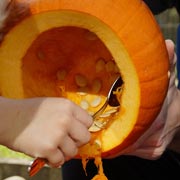 Hollowing out and carving spooky and creative faces into pumpkins is a classic Halloween activity enjoyed by thousands of families each year. For safety purposes, supervising adults will need to do any carving, though, as it’ll likely involve the use of a sharp knife. They can also loosen the seeds and flesh and then, if able, children can help to scoop it out. Once hollowed out and eyes, nose and mouth have been carved, children can have great fun decorating the outside and turning the pumpkin into a lantern using tea lights (again, under adult supervision or using LED lights for safety purposes). Nothing quite says ‘Halloween’ like a pumpkin face that glows in the garden at night. Children will naturally love the whole experience, end result, and feeling of accomplishment associated with this activity.
 Families can combine all or just some of these Halloween activities into one event by hosting their very own Halloween party for friends, relatives and neighbours. With spooky fancy dress costumes, Halloween-themed decorations, flickering pumpkin lanterns, and themed food and drinks, it’s sure to be huge fun and a spooktacular evening for everyone! Ghostly music and ghoulish games can be added to the event too, perhaps along with a period where children and adults can tell spooky stories and ghost tales. What’s not to love?
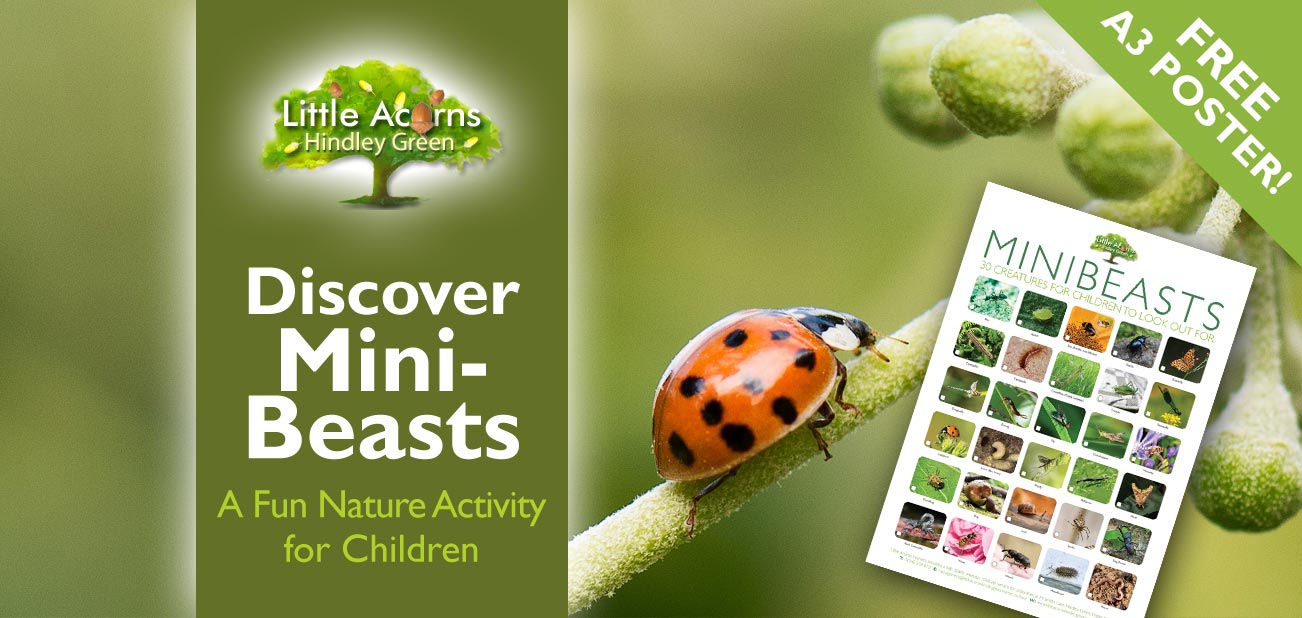
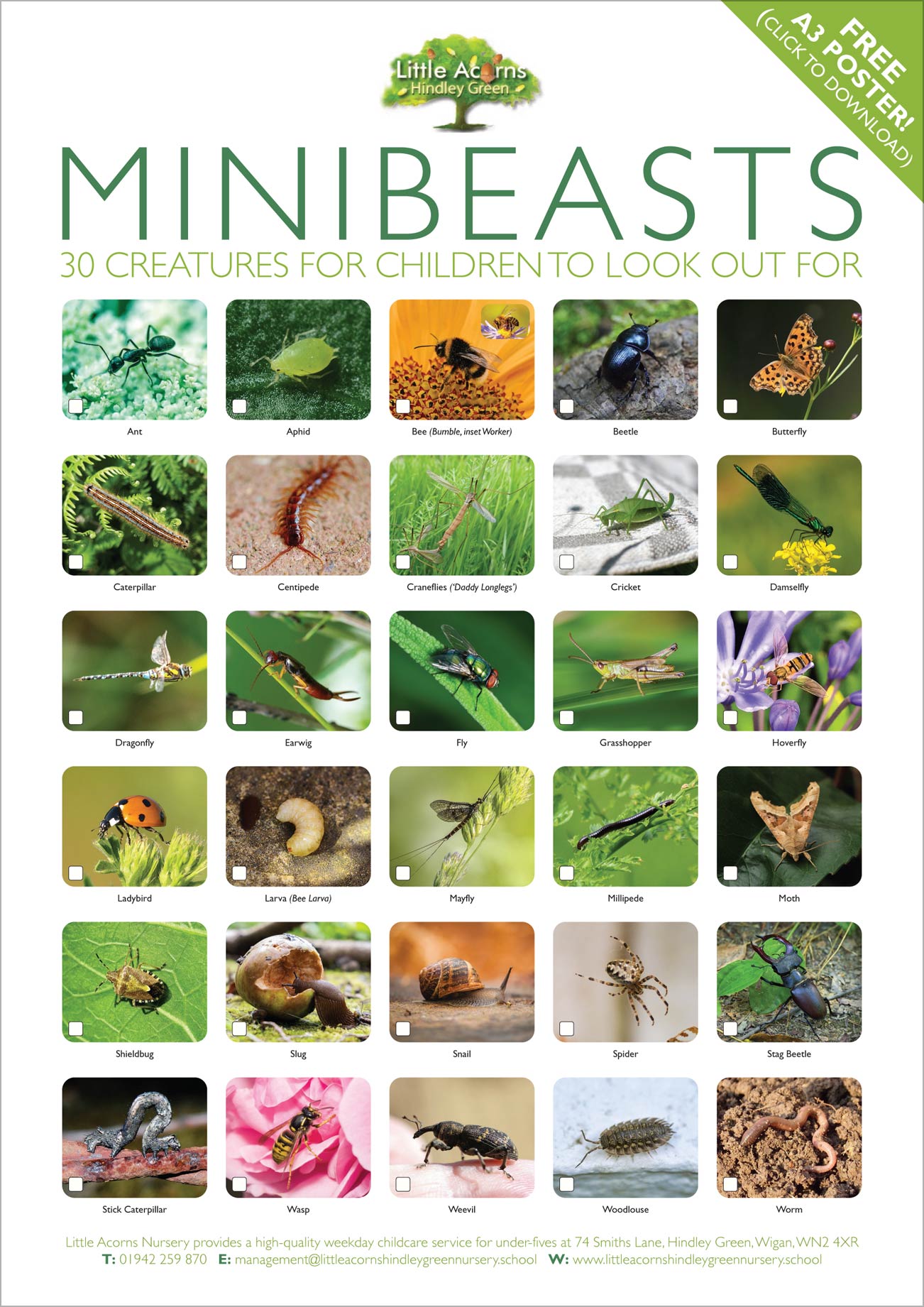
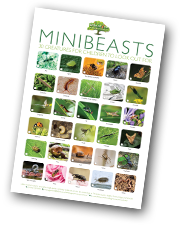 Today’s ‘Discover Minibeasts’ post is the third in our series of nature-based activities for children. And, as with the