
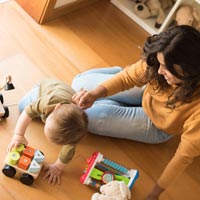
 One of the most widely accepted truths among professionals involved in ‘early years’ education is that play is incredibly important to children. That’s not just because it comes naturally to them and is fun; play is the key tool through which children learn about themselves, each other, and the world around them. Indeed, the act of playing benefits children in a wide array of profoundly beneficial ways, including socially, mentally, physically, and emotionally. With that in mind, today’s post highlights some of the many benefits of play to children, particularly in their early years. So, if you have a child under five, take a look and you’ll soon see why encouraging your little one to play in a variety of ways will bring out the very best in them and help set them up for life.
“Play is essential to development because it contributes to the cognitive, physical, social, and emotional well-being of children” (Paediatrics Journal)
Physical Benefits of Play
Motor Skills
 One of the most obvious things about children’s play is that often it gets them exerting themselves physically, as they run, climb, jump, make, create, and construct. Such activities help them to master gross and fine motor skills, balance, movement, and coordination. All such skills are enhanced significantly through play and are a fundamental building block of children’s development.
Fine-Tuning the Senses
Play also naturally gives children’s senses a workout. As such, babies and children under five will understand more deeply the relationship between what they sense during play and the physical world. Senses including touch, smell, hearing, sight, taste, and proprioception (body awareness) will all therefore become more honed as little ones play.
Strength & Fitness
As children play actively, strength, stamina, and fitness will also naturally improve. These are fundamental developmental requirements that will help children thrive physically as they grow older.
Cognitive Benefits of Play
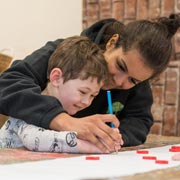 Right from an early age, the act of playing helps in the development of young minds and even contributes to the rapid growth of new connections in the brain. This is true even for babies, whose key tool to learn about the world is through play, as they explore with their senses as well as by reaching out to grasp toys and objects around them.
Greater Creativity
Play is a superb way of boosting children’s imaginations and creativity. As they play, whether alone or with others, they will naturally imagine scenarios, role-play, find solutions to challenges, create, build, design, and invent. Such undertakings will exercise their developing brains to generate better creative skills, boost their imaginations, and help them realise new possibilities. What’s more, doing so will also be immense fun!
New Knowledge Through Natural Discovery
Play will inevitably lead to discoveries that children were previously unaware of. What may seem commonplace and normal to adults may be a new discovery to a child. For example, how gravity affects objects, how water turns to ice in the cold, how heat melts sugar, how cooking transforms dough into bread, and so on. All such things are new to a child at some point in their playful youth, and it’s often through play that such new facts, properties, reactions, and the wonders of cause and effect are first discovered. Play teaches children so much!
Enhancements to Maths & Science Skills
Playing as a child will invariably lead to activities which involve elements of science, mathematics and maths language. Whether sharing items equally between friends, adding building blocks to a tower, experimenting with liquid or sand volumes, measuring ingredients or the size of construction components, playing will involve maths and science properties at various points. Such opportunities will help children understand such concepts in the most natural of ways – during play.
Social Benefits of Play
There is a wide range of ways children can benefit socially through play.
Communication & Language
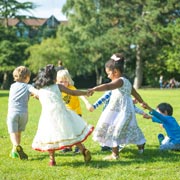 Whether playing with peers or with parents, the need to gradually master communication and language is imperative. Play helps that to happen in the most natural of ways. All the time they’re playing, children are naturally communicating, picking up new vocabulary, learning new phrases, getting to grips with grammar, and so on. Play is indeed a wonderful facilitator of communication and language.
“Children who engage in pretend play with caregivers have more advanced language skills, including a richer vocabulary and more complex sentence structures.” (Journal of Child Language).
Social Skills
Children can’t help but improve social skills when playing with peers. After all playing, at its heart, needs to remain fun and learning good social skills will help that to remain the case. Play will inevitably help children learn social skills like sharing, cooperation, teamwork, communication, conflict resolution, and good manners like taking turns and the like. Such social skills will gradually be learned naturally through the simple activity of playing. Supervising adults can, of course, nurture this by pointing children in the right direction (socially) during play.
Building of Friendships
Playing and friendships go hand-in-hand when children play nicely and communicate well. This is even more true when their social skills have been developed so that everyone is treated fairly, rules aren’t broken, peers share when appropriate, and everyone retains an agreeable approach. Many long-term friendships are born through play and these are incredibly important for children’s happiness and well-being. At their core, friendships also facilitate one crucially important benefit — that of fitting in and therefore belonging.
Emotional Benefits of Play
 Playing is an integral part of every happy childhood. It’s fun and, put simply, makes children happy. That’s wonderful for children’s emotional and spiritual well-being and the importance of that cannot be overstated.
“Play can lower cortisol levels, a hormone associated with stress, and promote a sense of well-being in children.” (Psychological Science).
Playing helps children to develop emotionally. When playing with peers, for example, they can start to think about things from each other’s perspective through activities like sharing, role-playing, playing games by agreed rules, and so on. Through endeavours like these, their emotional intelligence will grow, their ability to feel empathy will increase, and they will become more perceptive and understanding of others. These are important traits for their social and emotional growth, all achieved through the simple act of playing.
Play Benefits Children Holistically
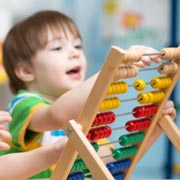 As we have seen in this article, play benefits children in a completely holistic way. Play enhances their lives through a multitude of benefits that include improved skills and abilities, a deeper understanding of the world and society, solid friendships and the myriad of opportunities that all of that will bring. Play also fosters a deeper love of learning, because play makes learning enjoyable. Indeed, through play, children explore, discover, and learn instinctively — with zero ‘friction’. As such, play should be at the very core of every child’s learning and development journey.
Learning Through Play at Little Acorns Nursery, Hindley Green

 Settings like Little Acorns Nursery in Hindley Green understand well the importance of play in the early years. That’s why we encourage children under five to learn through play in our childcare setting. At Little Acorns, we ensure babies, toddlers and preschoolers have all the equipment, tools, resources and spaces to nurture exploration, experimentation, natural discovery and instinctive learning through play opportunities. Well-trained and experienced early years practitioners at the setting will help little ones to make the most of these learning opportunities, guiding them when necessary and employing both structured and unstructured play activities. Learning goals, tailored to each child, are all part of this too, as are continuous assessments to ensure every child is on track to reach personal bests in every area of their learning and development. In this way, every child at Little Acorns Nursery is set up to absolutely thrive.
To explore a possible nursery place for your child at Little Acorns Nursery in Hindley Green, please get in touch using one or more of the following options:
We are a first-class nursery & preschool in Hindley Green, near Wigan, and may also suit families nearby in Bickershaw, Leigh, Atherton, Westhoughton, Ince-in-Makerfield, Platt Bridge, Tyldesley, Bolton and Greater Manchester.













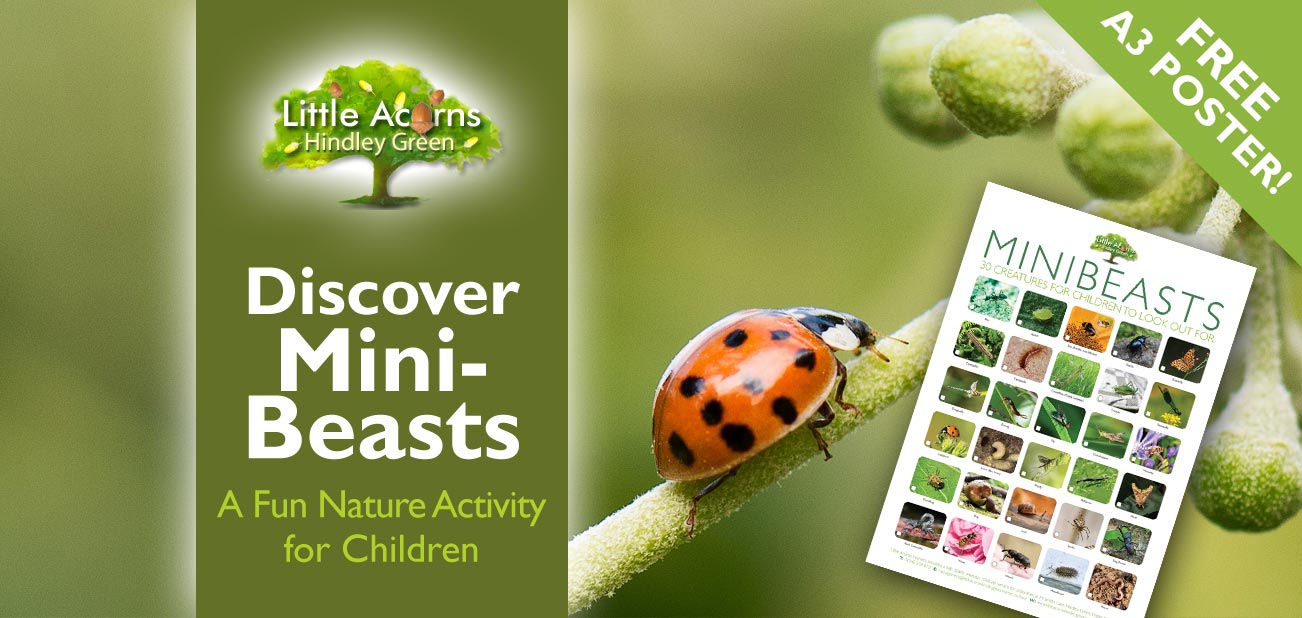
 Today’s ‘Discover Minibeasts’ post is the third in our series of nature-based activities for children. And, as with the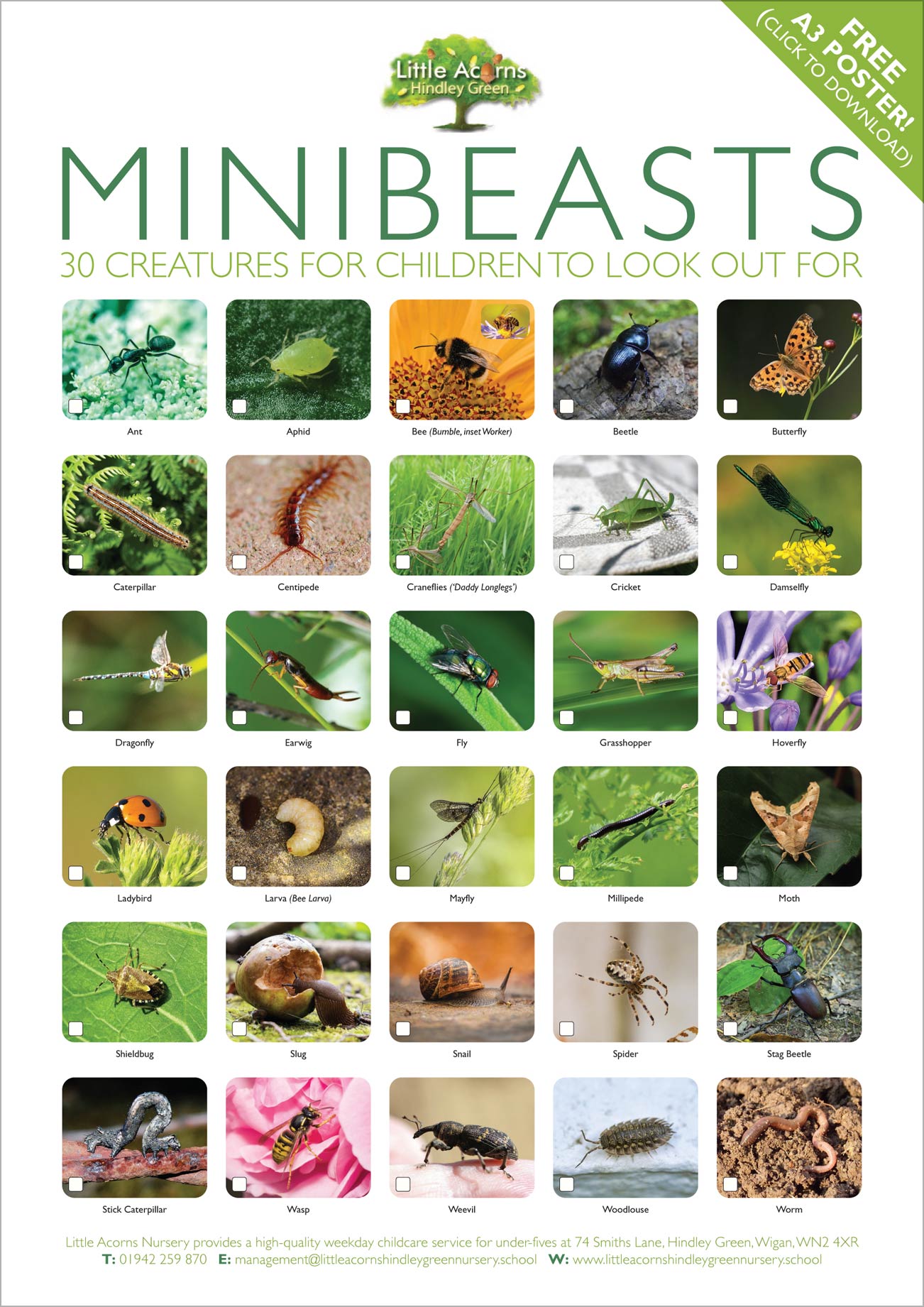
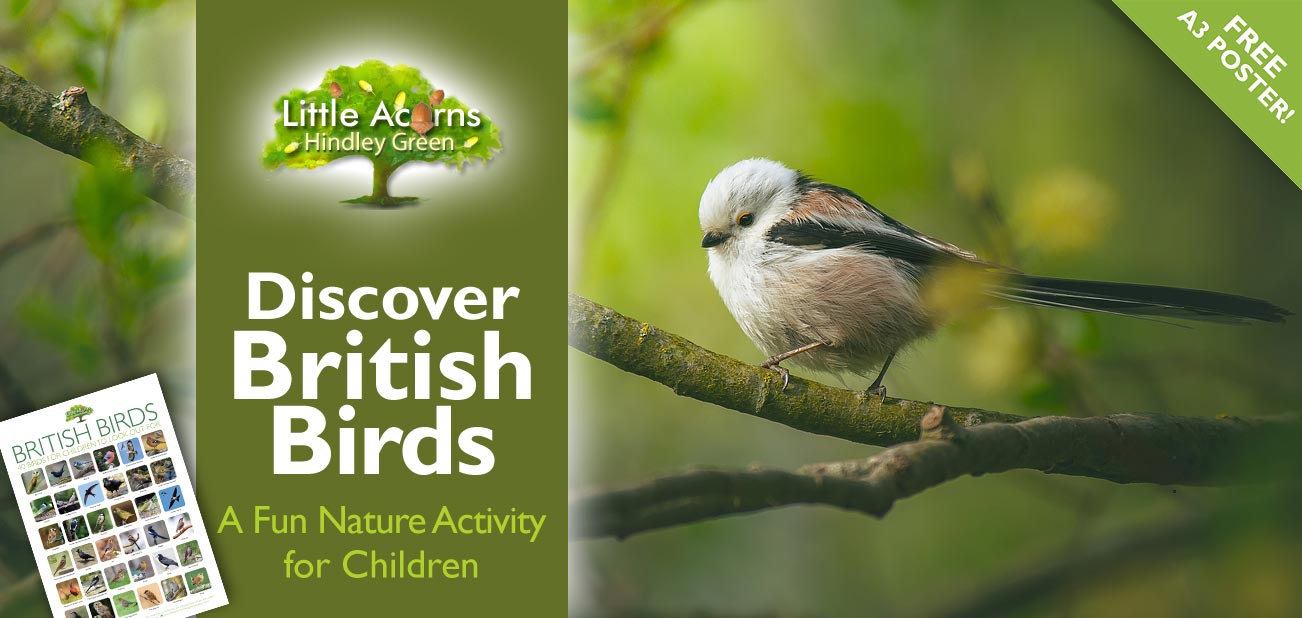
 Today, in a follow-up to the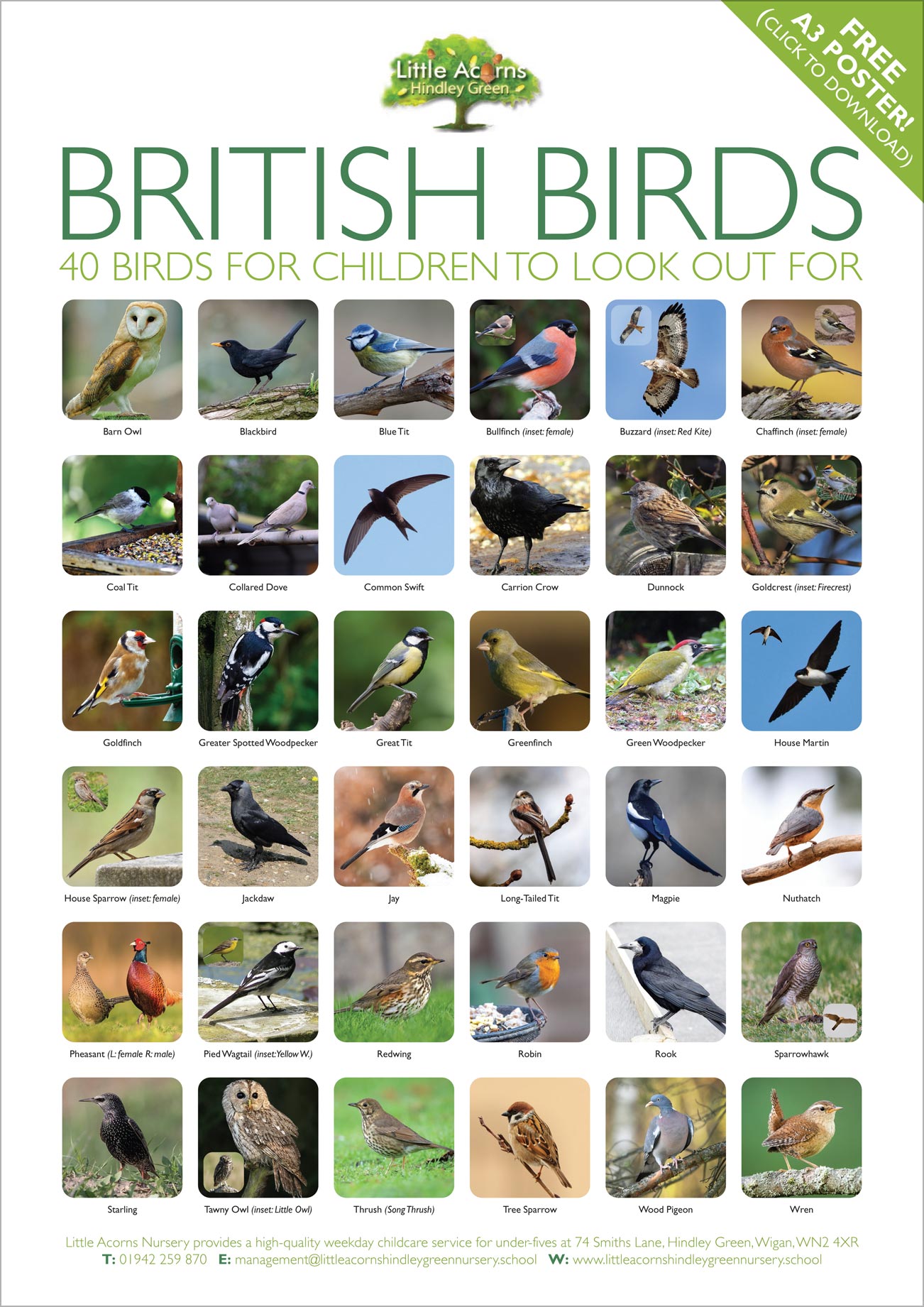
 We’re delighted to announce that Little Acorns Nursery, Hindley Green, has passed its first Ofsted Inspection — and with flying colours! The Ofsted Report was published recently following the Ofsted inspection in late April this year. It is our first since we took over the nursery from Kate’s Kindergarten in 2022. So, it’s now official — Little Acorns Nursery is a ‘Good Provider’ of childcare and early-years education. Let’s take a look at the Inspector’s findings and some of her lovely comments. We’ll see why the nursery/preschool achieved such consistent, positive feedback and good ratings in every area. Doing so is incredibly important to the children under our care and, of course, to their parents and caregivers.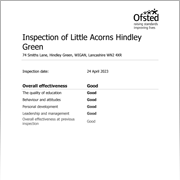
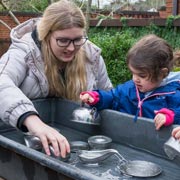 Opening comments in the Ofsted Report are particularly positive. Not only are the findings welcomed by nursery staff, who work so hard and so professionally — as evidenced in the report — but they’ll also be welcomed by parents/caregivers of children attending the setting. After all, it’s good to know children are in good hands and that their choice of childcare provider was a good one.
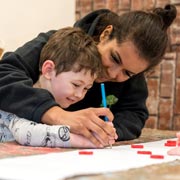
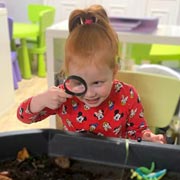 As you can see from the comment above, staff are methodical and strategic in their approach to activities organised for the children. Activities are tailored to each child’s individual interests, making playing, development of skills and learning of new knowledge all come naturally.
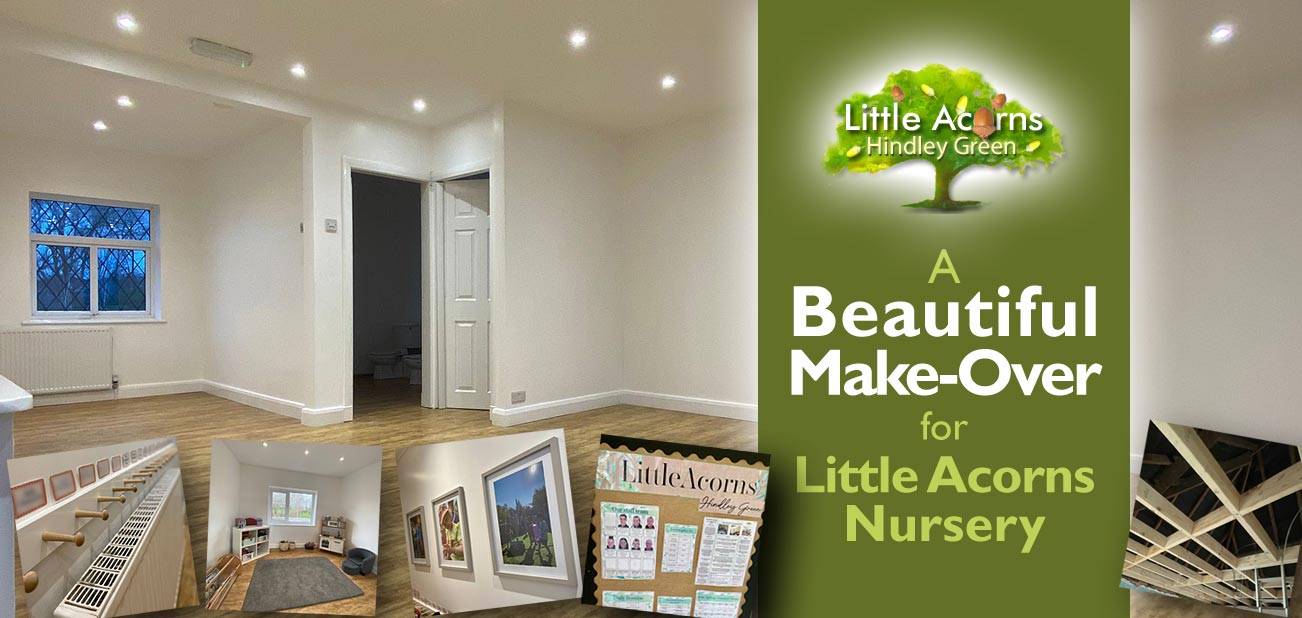
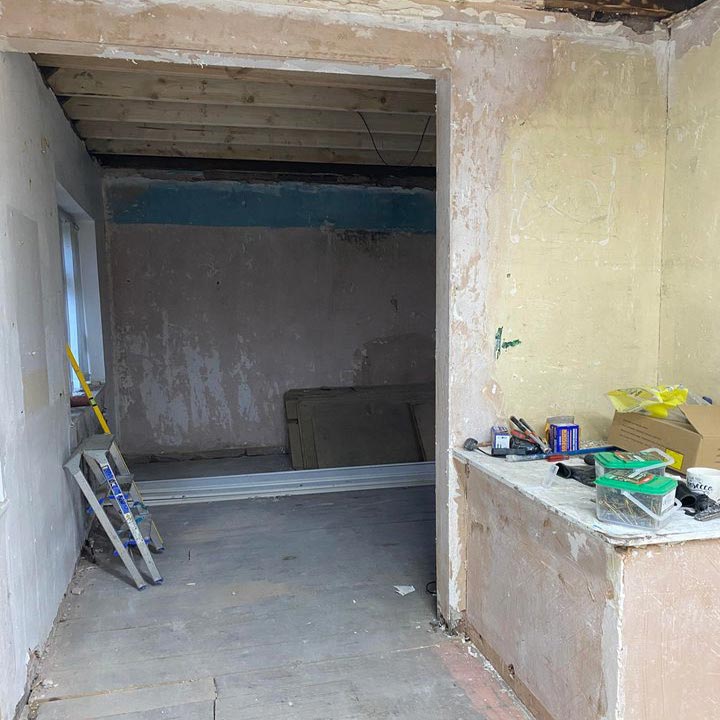
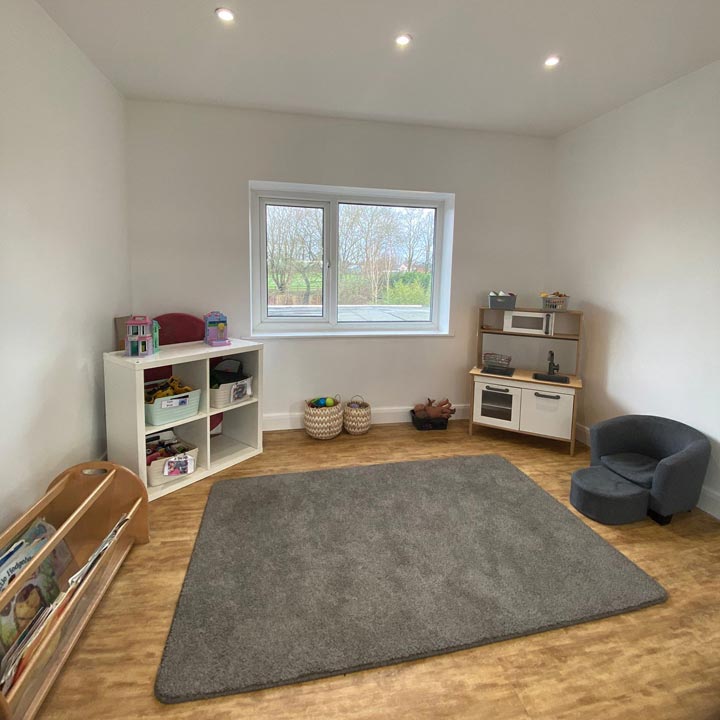
 Ofsted also recognised that leaders and staff plan improvements for the future. In their report, they describe how leaders “plan how they can make the quality of education even better […] working closely with staff to design building improvements that will have the most benefit for the children”.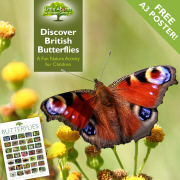
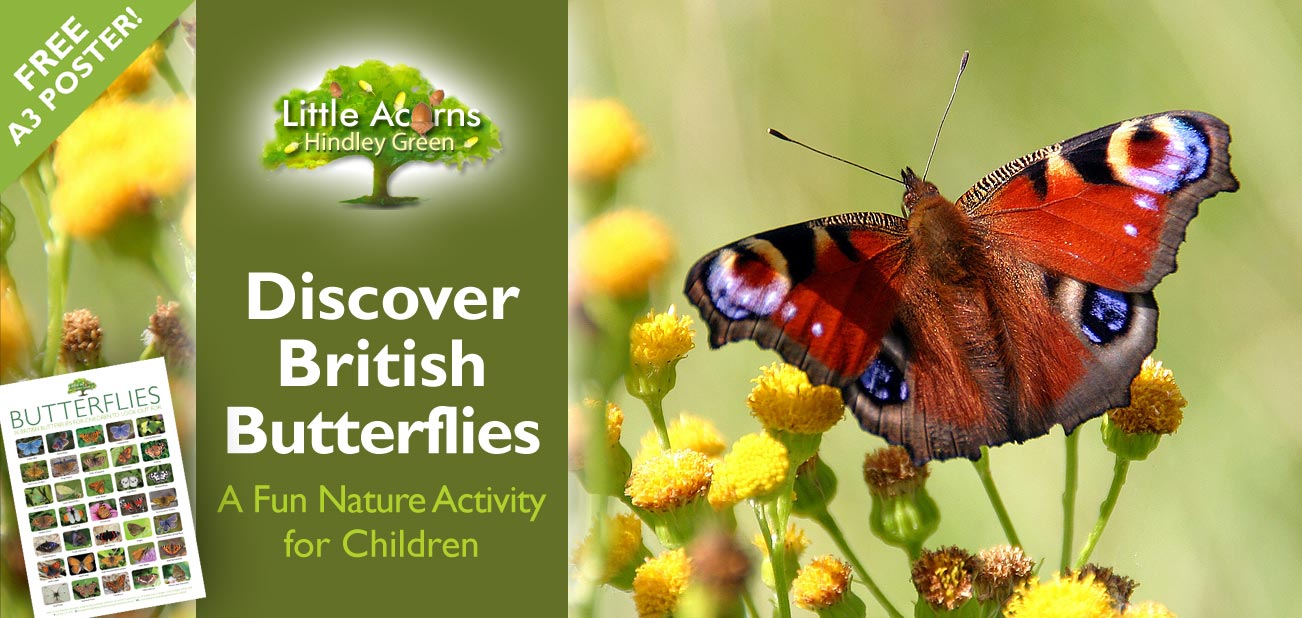
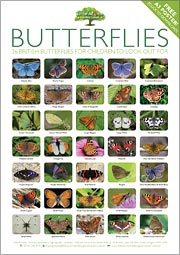 Today’s exciting blog post encourages families to explore the wonders of nature and embark on a delightful butterfly-spotting adventure! Butterflies are simply beautiful creatures and their amazing colours and patterns are sure to appeal to little ones. With that in mind, we have prepared a visually appealing and informative A3 poster featuring 36 British butterflies, which you can download for free and print out. So, why not get the family ready to step outside, immerse yourselves in nature, and create cherished memories as you observe these enchanting creatures in their natural habitat? The poster gives visual reference and also ensures you have a lasting memento of this unique experience. Over time, this poster and nature-based activity will help you and your little one learn to identify these diverse and important little pollinators. As we reported before,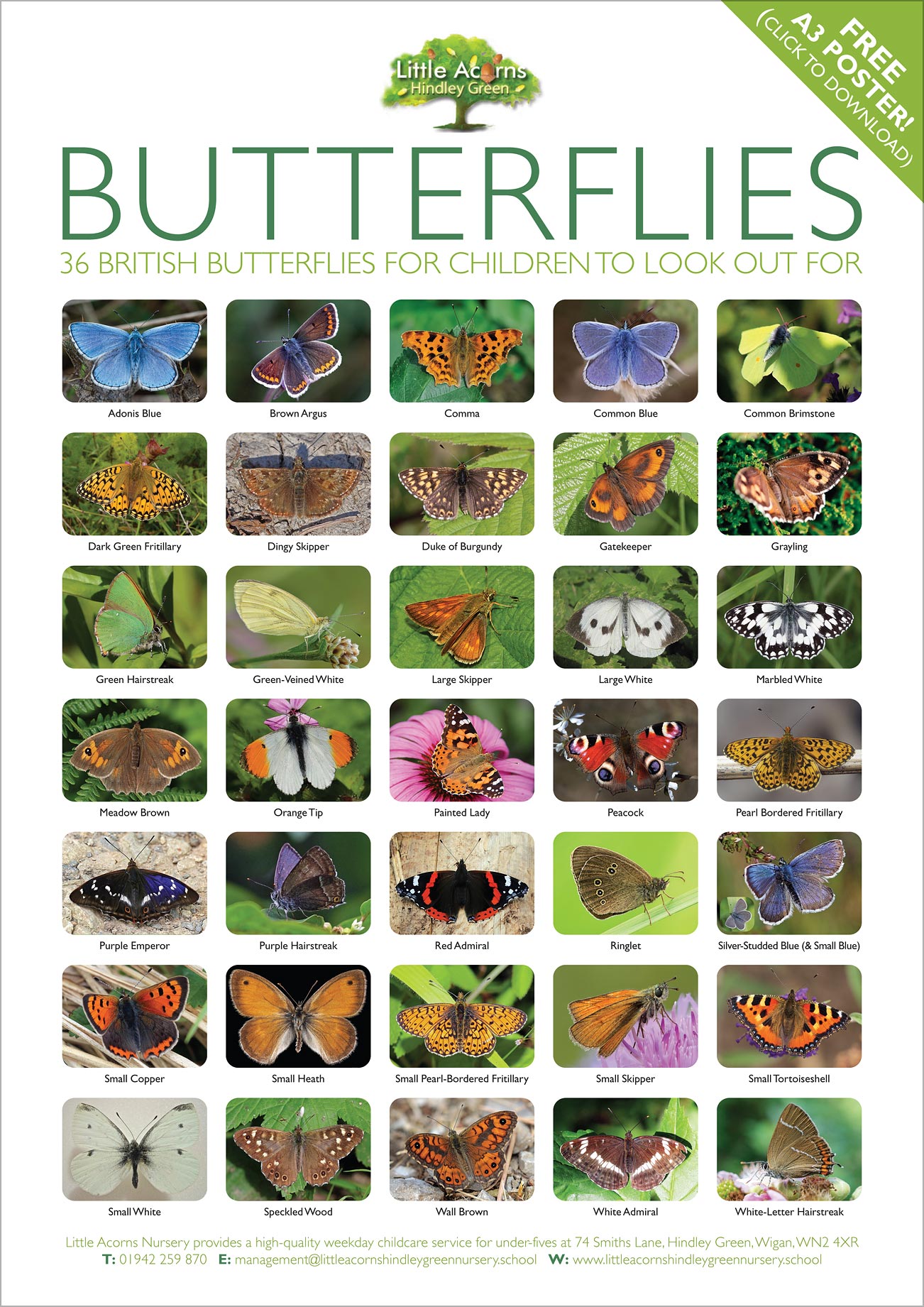

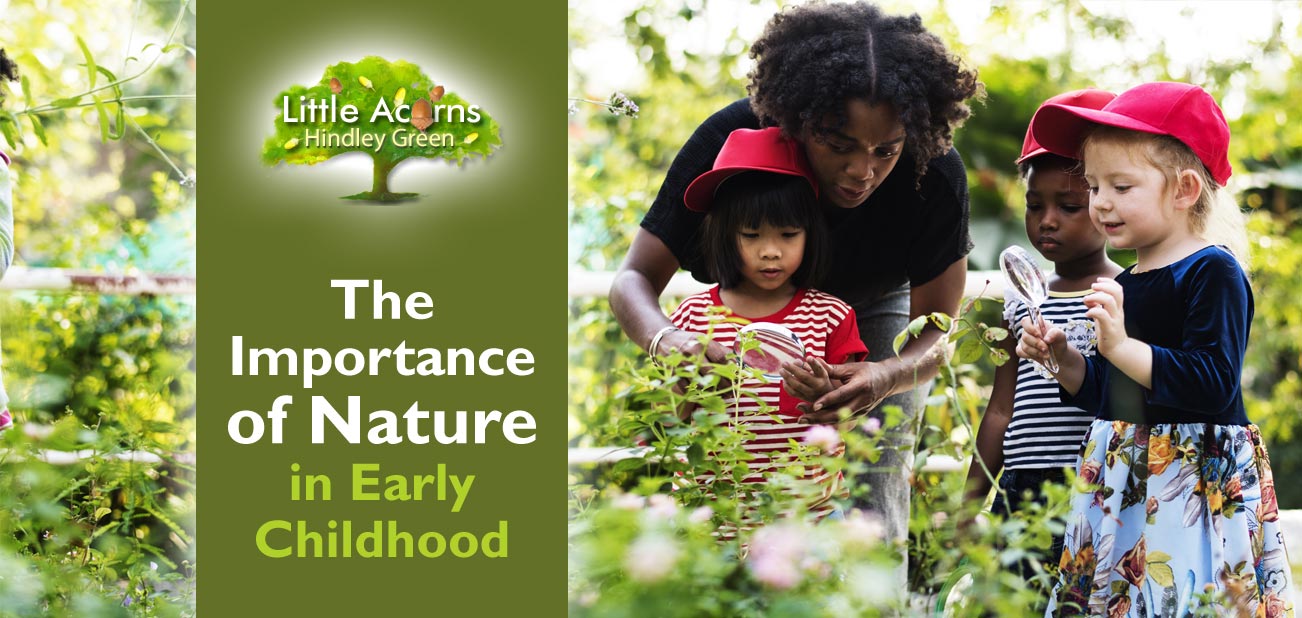
 As parents, we all want the best for our children. We strive to provide them with a nurturing and stimulating environment that supports their growth and development. However, in today’s fast-paced world, it’s easy to overlook the importance of nature in our children’s lives.
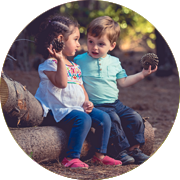 Make time for outdoor play — set aside regular time for outdoor play and exploration. This can include visits to local parks, nature reserves, or your own back garden.
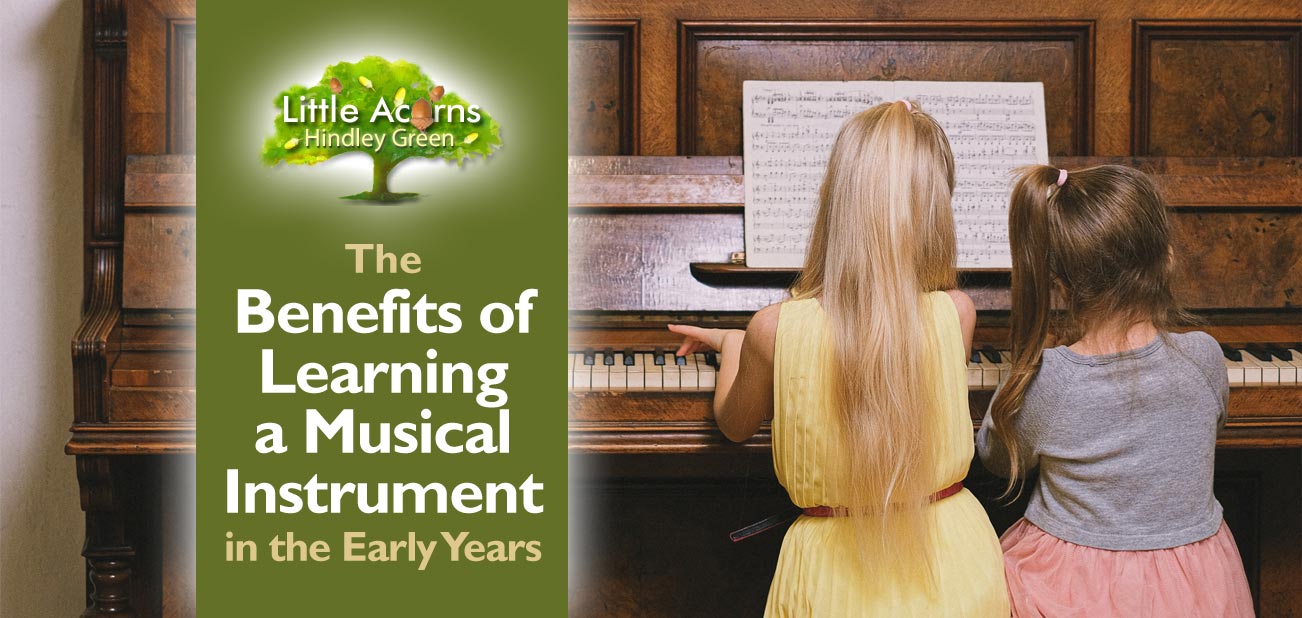
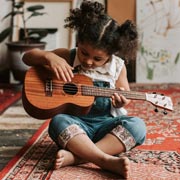 With free tutorials available on YouTube and inexpensive instruments available in charity shops, phone apps and online marketplaces, there has never been a better time for children to start learning a musical instrument. It’s something for every parent to consider because such a pastime will benefit their child in an incredible variety of ways. Not only will they learn a new skill that will stay with them for life, but their lives will be enriched in many additional ways too. So, today, we take a look at the often profound benefits of learning a musical instrument, especially for young children. We’ll start with the three most obvious benefits before coming to many others that may surprise you.
 Playing all these notes in a certain order, sometimes in isolation and at other times as chords and progressions, will do wonders for a child’s coordination and fine motor skills. Although perhaps tricky at first, with practice and ‘muscle memory’, children’s ability to master the playing of musical sequences, chords, melodies and rhythms will gradually become easier and easier. Before long, it’ll become second nature to them.
 In a similar way, children who learn a musical instrument will usually, of course, also be learning to read printed music. While this comes in different forms, it all encourages children to concentrate on the reading process. Specifically, they’re learning to read from left to right, to analyse the printed music detail and to make sense of it. It’s another great workout for the brain, and we’ll say more about that next.
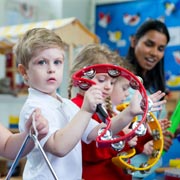 Playing a musical instrument often goes hand-in-hand with collaboration. Whether it’s forming a band, taking part in a school orchestra, writing songs with friends or simply jamming out together, children of all ages will naturally play together given the opportunity. As such, it’s a natural socialiser and one that brings children of different ages together, with new friendships being formed through a common interest. That is a very healthy thing. It also teaches children a wide variety of social skills including communication (e.g. speaking and listening at appropriate times), collaboration, being mindful of the needs of others, waiting your turn and so on.
 Music itself is also a great antidote to stress and other emotions. Giving children the tools to appreciate music — and even involve themselves in it — will help with their mental well-being as it can calm them when they’re stressed, relax them when they’re tired or even give them an energy boost when they need to get active. Ask any runner! All they need is the right piece of music and half the mental battle is already complete.
 With all these benefits, it’s highly worthwhile for children to start learning a musical instrument as young as possible. It’s easy to start them, for example with simple instruments like drums, triangles, and tambourines initially. With these simple instruments, very young children can learn to keep time to music or a beat a rhythm demonstrated by adults. They can then progress to more advanced instruments such as recorders, keyboards, and stringed instruments. They have to start somewhere, though, but it’s never too early to start! Mozart was just 3 when he began to learn piano playing. By 5 he had composed a whole concerto! Who knows; perhaps your child could be a star in the making!
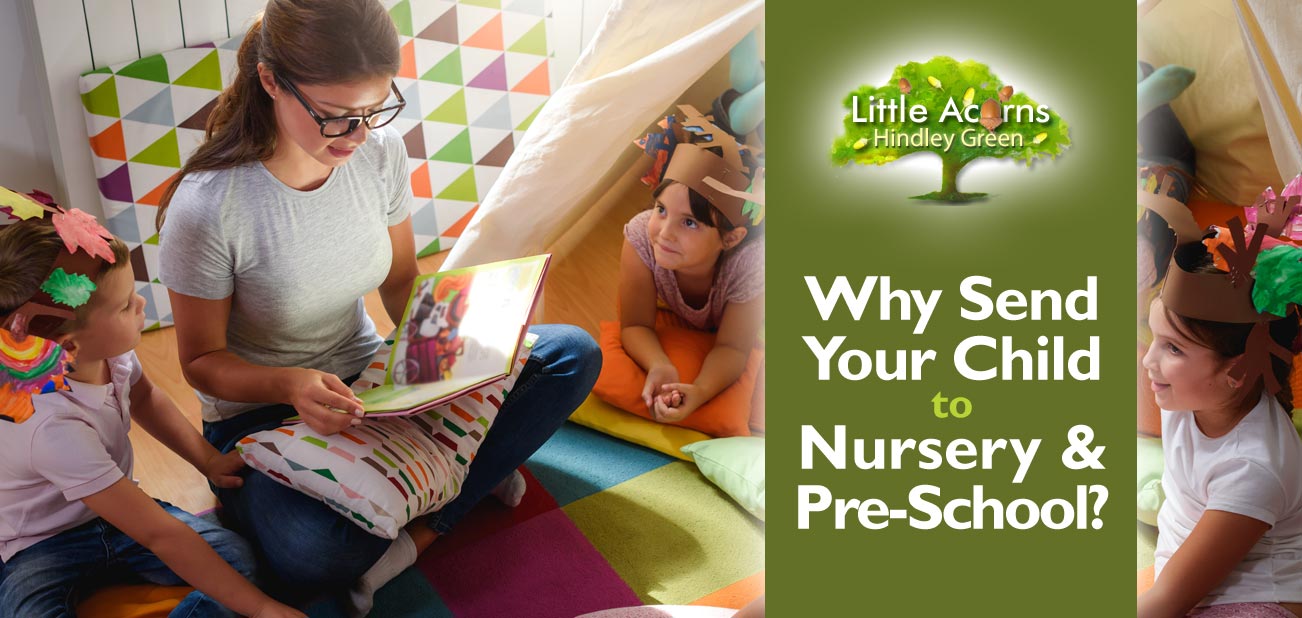
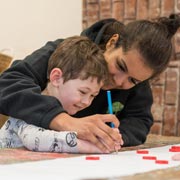 First of all, a Key Person will be allocated to your child on Day 1 when they start at the nursery. The Key Person is a childcare professional that will look out for the child’s wellbeing in all manner of different ways. One of the most important is in the monitoring of the little one’s progress in terms of learning and development. From the day they help to settle the child into the nursery to the day they leave for school, the child’s Key Person will be there to ensure that all the child’s individual needs are being met and that they are fulfilling their fullest potential in every area. Part of that will be the oversight of the bespoke early years education programme, which we’ll come to next.
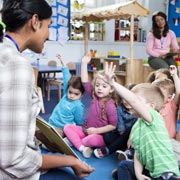 At Little Acorns Nursery, a bespoke early years learning and development programme will be designed and implemented to suit the strengths and any challenges for each individual child. This is orchestrated by the child’s Key Person and nursery staff and, where needed, through cooperation with any external professionals, e.g. for children that have any special educational or developmental needs. The learning and development programme is tailored to them and them only. Using this approach bolsters the child’s stronger areas, so they can be further strengthened, and addresses any weaker areas that may require extra focus. It is also adapted as time goes by, as progress is made by the child. In this way, every child gets to achieve personal bests and optimal outcomes in every area of their learning and development.
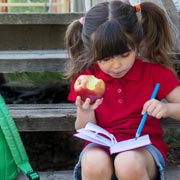 All of this nurturing, education and facilitation of their personal development does one other crucial thing too; it sets them up well for when they leave us around the age of five to start at primary school. By giving them the skills and tools they will need in every area, they are in a better position to absolutely thrive once they start school, right from day one. Indeed, many studies have shown that children who receive a good early years education go on to be higher achievers both at school and in their working lives. That’s gold dust, right there. Let’s take a closer look …
 ‘Hygge’, pronounced ‘Hue-gah’, is another exciting initiative happening at Little Acorns Nursery in Hindley Green. If you’ve not heard of it, rest assured that it’s something that children will absolutely love and will benefit them in many ways. It’s also something that we’ll be pioneering in the area, so you may not find it in other nurseries and pre-schools around Wigan right now.
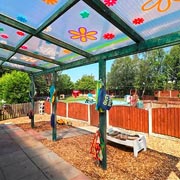 Everything at Little Acorns Nursery is there for a reason. It’s all been carefully brainstormed, pre-planned and implemented with utmost care. Whether it’s the introduction of Hygge, the addition of a new piece of equipment, or the purchasing of a specific toy or learning device, everything at Little Acorns has a purpose and is there to benefit the children.
 Parents of children at Little Acorns Nursery also give us great feedback about the wonderful childcare provision at the setting. Browse the site for full examples of parent feedback received (it’s scattered around the site) but, to give you a taster, comments include, “My girls absolutely adore this nursery but most of all they adore the staff”, “thank-you for the bottom of my heart for what you have done for my girls”, “I couldn’t recommend this nursery enough, they care and love the children like their own and I couldn’t of ever felt more comfortable leaving my children with a nicer set of girls.”, “I would not hesitate to recommend this nursery to anyone!”, “You should all be very proud of the work you do. It really means so much to us every time we see those small steps forward and we appreciate it.”, and “If I ever had any more children, without a doubt they will be coming to this nursery even if I moved 500 miles away!”.

