
 Starting nursery or pre-school is a real milestone for children and parents alike. As well as being exciting, though, transitioning to nursery or pre-school can be daunting for the little ones. The researching of childcare settings, checking Ofsted reports and appraising recommendations from friends is all very well, but that’s only the first step. The transition will be smoother for the children themselves if a few golden rules are followed. That’s precisely where today’s guide comes in, with our 20 Ways to Prepare Under-5s for Nursery. Take a look.
20 Ways to Prepare Under-5s for Nursery or Pre-School.
1. Plan Well Ahead
One of the greatest tips is to plan well ahead. By planning ahead you can iron out many, if not all, of the things that may otherwise cause your child — or yourself — anxiety. Indeed, most of the tips that follow this one involve aspects of this pre-planning approach.
2. Arrange a Visit
Arrange a visit of your chosen or short-listed nurseries/pre-schools. Good settings (like Little Acorns Nursery) will be happy to give you and your child a guided tour. It’s best to go during an actual session, so that you can both see the setting in action on a standard day. Bear in mind that it can also be a chance for your child to become more familiar with the setting. If they later go on to start at the nursery, they will then already be aware of what the rooms look like, where the toilets are, who their carers are, and so on. Show them the play areas inside and out and let them see the other children having fun.
3. Stay for Lunch
When you visit, find out — and show your child — where they will eat lunch. Some nurseries allow prospective new children to stay over lunchtime and have lunch with their future classmates. It will be a good introduction to other children but also, for the parent, it is handy to know what sort of items other parents include in their children’s packed lunch or snack box. Or, if all meals and snacks are provided by the setting (they are at Little Acorns), ask for the weekly menu so you can explain to your child about the different types of meals they may receive.
4. Preparations Around Food & Eating
There are several things you can also do around preparing your child for eating at nursery/pre-school. For starters, get your little one used to eating in a group of other children — perhaps with friends or related children at first. Also practise cutlery skills with your child, so they’re more able to eat independently when they start.
If your child is having a packed lunch, they can give lots of valuable input into this and will then be more ‘at home’ with the foods on the actual day — because they partly chose it.
If the nursery supplies all meals, they may be able to provide you with either the menu plan or typical sample menus. Maybe practise some of the meals at home and then your child will be more familiar with the foods.
Make sure you have told the nursery setting about any food allergies or special dietary requirements that your child may have. That’s incredibly important.
Find out the setting’s policy for refrigerated food should you have to supply an item yourself, that needs refrigeration. That’s particularly important if supplying your own food/snacks/drink for children that require a special diet.
5. Settling In Sessions
Taking all of the above a stage further, some settings allow prospective new children to come for settling-in sessions, perhaps long before they officially start at the setting. They’ll get to know the staff, facilities and other children even better this way. They’ll also become accustomed to daily life at the setting and what to expect once they start.
6. Make Some Early Friends & Encourage Socialisation
Pre-joining visits and settling-in sessions are a great way for children to make friends at the setting, but parents can also orchestrate this outside of the nursery or pre-school. For example, by finding out which friends and neighbours send their children to the setting, they can then suggest some play dates with those children. Little ones will then see one or more friendly little faces welcoming them, right from the outset, once they start at the setting. It’s a good opportunity for children to learn the art of socialising. It’s also good for parents to network in this way, so they can compare notes and perhaps pool information they might otherwise have missed.
7. Ask Questions
Whether on visits, on the phone or via enquiry forms on nursery websites, it’s always a good idea for parents to ask staff questions that they may have. At Little Acorns Nursery in Hindley Green, for example, we’re always happy to answer questions, whether it’s about daily life, the curriculum, childcare funding, special diets or just about anything else. We’re here to help!
8. Talk With Your Child
Talk to your child about nursery, well ahead of them actually starting there. Discuss a visit you’ve made to the setting and ask your child if they have any questions, or concerns, and then address those. As the time to start gets closer, keep talking about nursery in the lead-up to it. This will get the little one used to the idea of being away from Mum or Dad and their home. Perhaps you have some photographs, a prospectus or even the setting’s website, which shows children at the nursery. Show your child these. Talk about what the children in the photos are doing, playing with or learning from. Make it all sound fun and exciting — because it really is!
Oh … and remember to talk with your child once they’ve started at the nursery. Ask them about their day and be sure to address any concerns they may have. Praise all their achievements too, no matter how small.
9. Toilet Training
Whether your child is potty/toilet trained or still in nappies, teach them to help themselves in this type of area. If they are not yet toilet trained and are ready for it, begin to teach them. It’ll stand them in better stead once they start at nursery/pre-school. If they are newly toilet trained, though, reinforce that accidents do happen and that the childcare staff are used to it and will help change them if so.
If they’re not yet ready for potty or toilet training and are still in nappies, get them to practise pulling up underwear garments, clothing etc.
10. Nurture Personal Hygiene
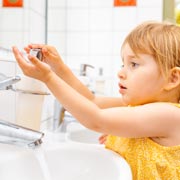
Ensure children know how and when to wash their hands. Explain the importance of handwashing and hygiene to them. This is important both from a social and health standpoint.
11. Nurture Independence
A little independence will go a long way for them once children start at nursery or pre-school. Personal hygiene and toilet training is just one of many things they can help themselves with if they’re shown how.
Get them used to doing the things they can do for themselves, like putting on and taking off coats and jumpers. Can your child take their socks and shoes off and put them back on again? This is handy for soft play or for spillages when socks or shoes are wet.
12. Prepare Clothing
Nearer the start date, plan outfits with your child, particularly for their first day and week. Perhaps your child has a favourite t-shirt or dress and wearing those on their first day may help them to be more confident in themselves. However, it’s important for your child to feel comfortable in their outfit too, so ensure outfits suit whatever is scheduled for the day at the nursery/pre-school — there may well be a variety of different activities lined up. Older children may indeed play outdoors as well as inside, so bear that in mind. They may need coats and even Wellington boots for outdoor play or external visits. They may need aprons for messy play. All such things need to be checked with the early years provider, well ahead. Also find out your childcare provider’s policy in regard to spare clothing should it be needed. Also, don’t forget to label your child’s clothing etc. with their name.
13. Introduce Educational Activities at Home
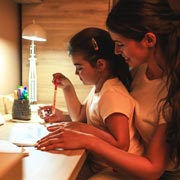
Childcare providers are more than just babysitters or a crèche. Settings like Little Acorn Nursery and many others offer a full early years education too. It’s very high quality, covering pretty much every aspect of early years learning and development and the all-important EYFS curriculum. It would be a great idea, then, for parents to get little ones used to some of the many learning, play and discovery activities associated with the EYFS while at home — before they start at their early years setting. Even just an introduction to the many different activities that they’ll encounter will help them once they start. In effect, they’ll have a little head-start and will find tasks easier. So, encourage practising at home. Introduce nursery rhymes, puzzles, building blocks, colouring and painting. Read them stories so they practise listening, concentrating and sitting still. Explain why we use an apron during messy or wet play. Introduce letter and number concepts if they’re advanced enough — and so on.
14. Embed the Routine
In the month or weeks leading up to your child’s start date, it’s a great idea to try to mimic the timings at the nursery, so that the routine is pre-embedded. So, try to get them used to getting up and getting dressed etc. at the same time as the nursery and they can even have a restful nap at the same time as nap sessions at the setting. An appropriate bedtime routine is also important, so that your child is energised and not tired once they begin at the nursery.
15. Confirm Any Medical Issues
Have you advised the nursery about any medial issues, food allergies or disabilities that your child has? It’s important that they know.
16. Know Your Nursery Contacts
Have you the correct contact telephone numbers handy for the nursery? You need to know them (and they yours) and it’s best to add them to your mobile contacts list before your child starts. Ensure your mobile has sufficient battery each day in case you are held up or in case the nursery needs to contact you for any reason.
17. Drop-Off & Pick-Up
Ensure that you are familiar with the pick-up and drop-off times as well as the nursery’s security arrangements should someone else be picking your child up instead of you.
18. Test the Route
Plan your journey before your child’s start date. It’s best to do this at the same time you’ll eventually be dropping off/picking up so that you know the correct timings. You don’t want to be late, especially on their first day, as that would simply cause stress for both you and your little one. Find out if there is there parking on site too.
19. Get Everything Packed The Night Before
You don’t want the first day to be stressful, so you and your child need to be ready to leave home in good time. Another way to ensure this is to pack their things the night before. As well as any spare clothing, perhaps include their favourite small cuddly toy or comforter in case they need it during their first day.
20. On the First Day, Be Calm
When the big day arrives for your child, don’t let on if you’re anxious or sad otherwise your child may pick up on it and become upset. So, keep it casual and don’t make a fuss when you drop them off for the first time. Staff and any friends they’ve previously made as part of your planning above are sure to welcome them. Chances are, they’ll run off into the nursery with a friend and have great fun right away anyway!
All in all, planning ahead with all these things will help to make this a fun, positive experience for both you and your little one. Chances are, your child will have an amazing first day at nursery!
A Warm Welcome at Little Acorns Nursery, Hindley Green

If you’re child is joining Little Acorns Nursery, our friendly, caring staff will be on hand to give your child a warm welcome and make them feel at home right away. If you have any doubts or concerns, we’re here at the end of a phone line, so you can always contact us with any queries or to check how they’re getting on. Little Acorns is a wonderful nursery & pre-school in Hindley Green and really will give your little one the very best start. We’re also located near to Wigan, Bickershaw, Leigh, Atherton, Westhoughton, Ince-in-Makerfield, Platt Bridge, Tyldesley, Bolton and Greater Manchester.
If you’re considering sending your child to Little Acorns Nursery, let us show you and your child around, so that you can see the nursery in action and witness, first hand, how happy and well cared-for children and babies are here. Please arrange a guided tour or register for a place below. We are also happy to answer any questions including those relating to the many childcare funding options that we support at the setting.











 Little Acorns Nursery in Hindley Green offers a first-class early years education and high-quality childcare for babies and children under five. Ours is a warm, welcoming, home-from-home environment where children feel loved, valued, and well cared for. With a learning and development programme that’s tailored to each child and a team of outstanding early years practitioners overseeing their care, we bring out the very best in every child. So, if you would like to give your child the very best start in life, consider Little Acorns Nursery for your child’s early years education and weekday childcare. Ofsted rates us as a ‘good’ provider and we support many different childcare funding options. At Little Acorns Nursery, your child will be in safe and capable hands.

 Today’s ‘Discover Minibeasts’ post is the third in our series of nature-based activities for children. And, as with the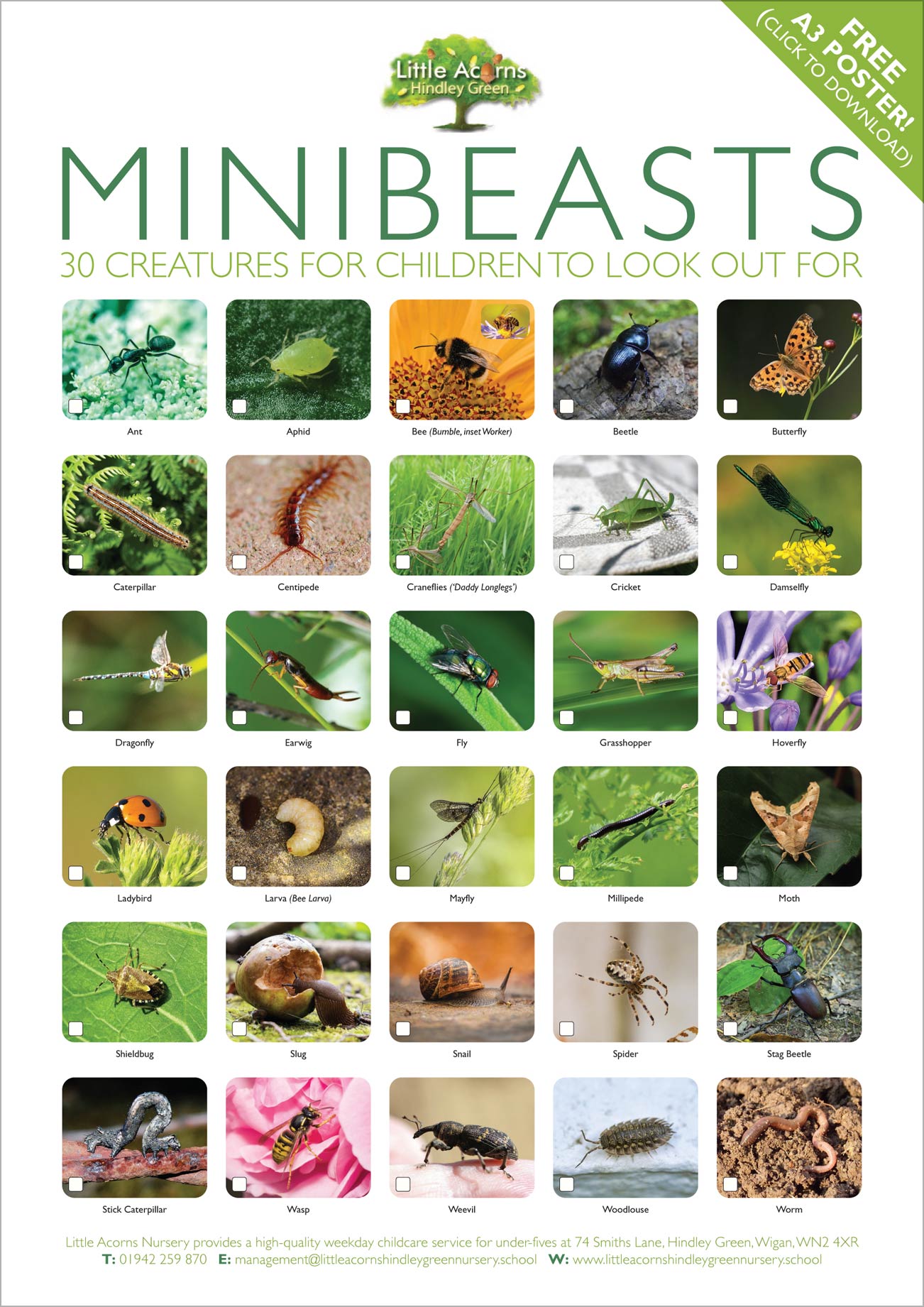
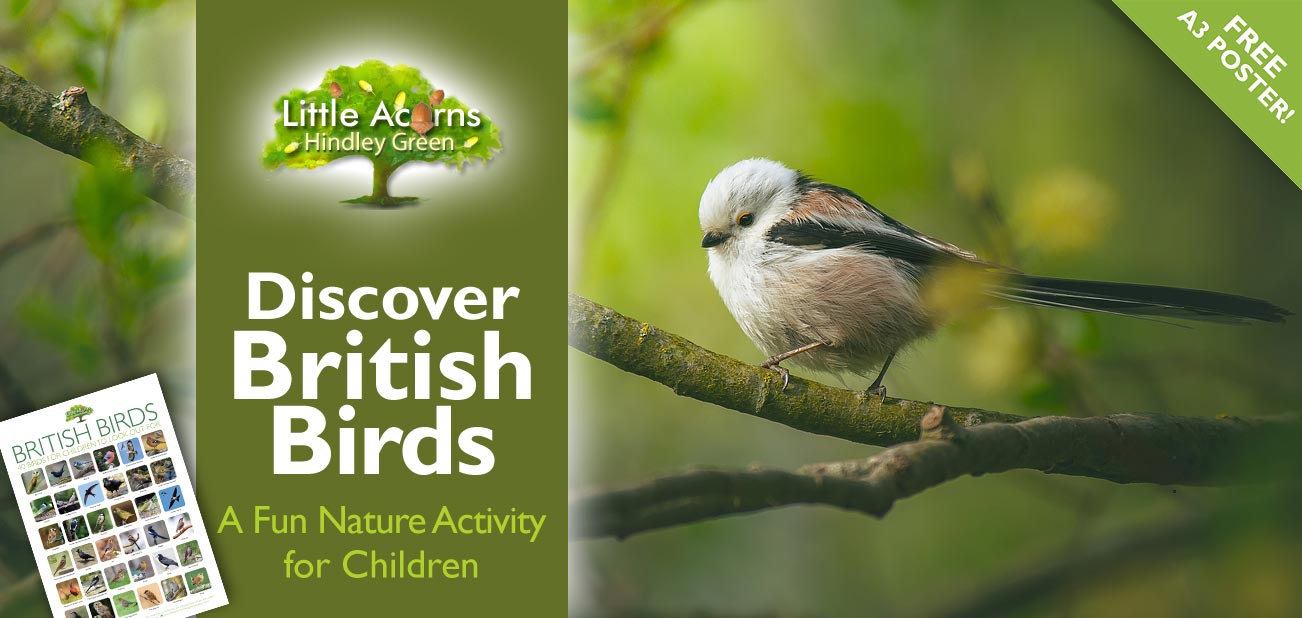
 Today, in a follow-up to the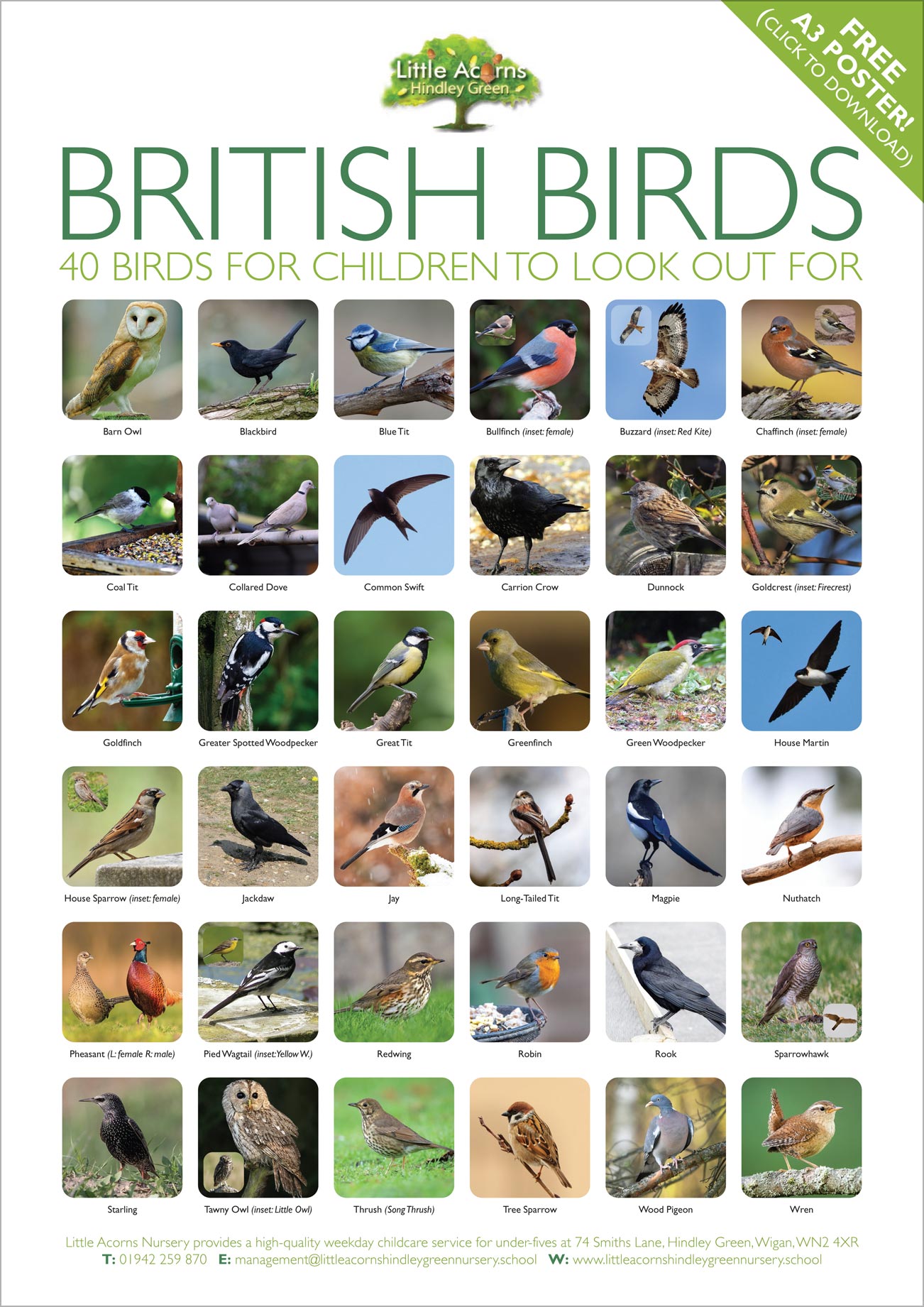

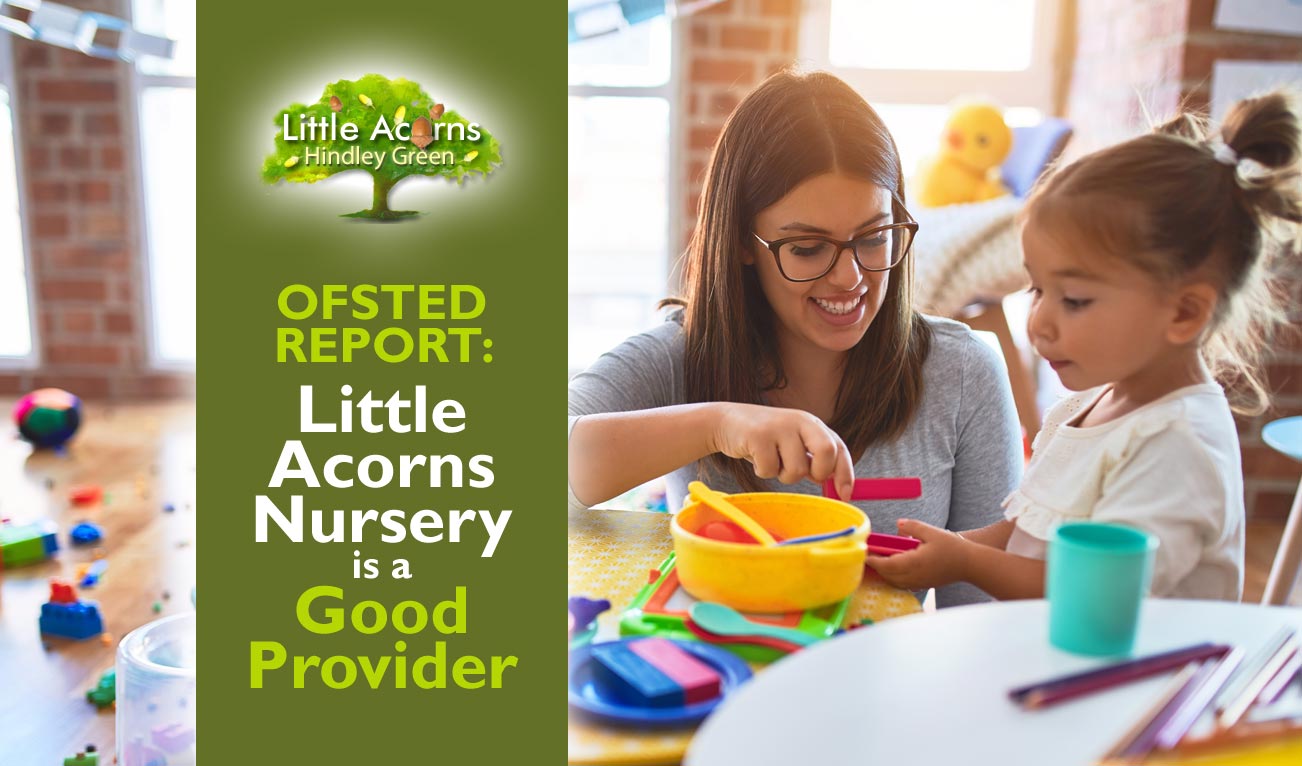
 We’re delighted to announce that Little Acorns Nursery, Hindley Green, has passed its first Ofsted Inspection — and with flying colours! The Ofsted Report was published recently following the Ofsted inspection in late April this year. It is our first since we took over the nursery from Kate’s Kindergarten in 2022. So, it’s now official — Little Acorns Nursery is a ‘Good Provider’ of childcare and early-years education. Let’s take a look at the Inspector’s findings and some of her lovely comments. We’ll see why the nursery/preschool achieved such consistent, positive feedback and good ratings in every area. Doing so is incredibly important to the children under our care and, of course, to their parents and caregivers.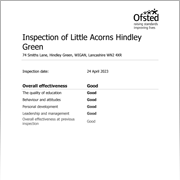
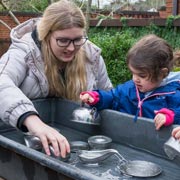 Opening comments in the Ofsted Report are particularly positive. Not only are the findings welcomed by nursery staff, who work so hard and so professionally — as evidenced in the report — but they’ll also be welcomed by parents/caregivers of children attending the setting. After all, it’s good to know children are in good hands and that their choice of childcare provider was a good one.
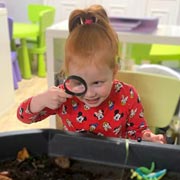 As you can see from the comment above, staff are methodical and strategic in their approach to activities organised for the children. Activities are tailored to each child’s individual interests, making playing, development of skills and learning of new knowledge all come naturally.
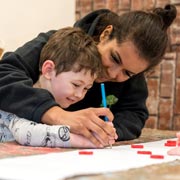 Ofsted also recognised that leaders and staff plan improvements for the future. In their report, they describe how leaders “plan how they can make the quality of education even better […] working closely with staff to design building improvements that will have the most benefit for the children”.
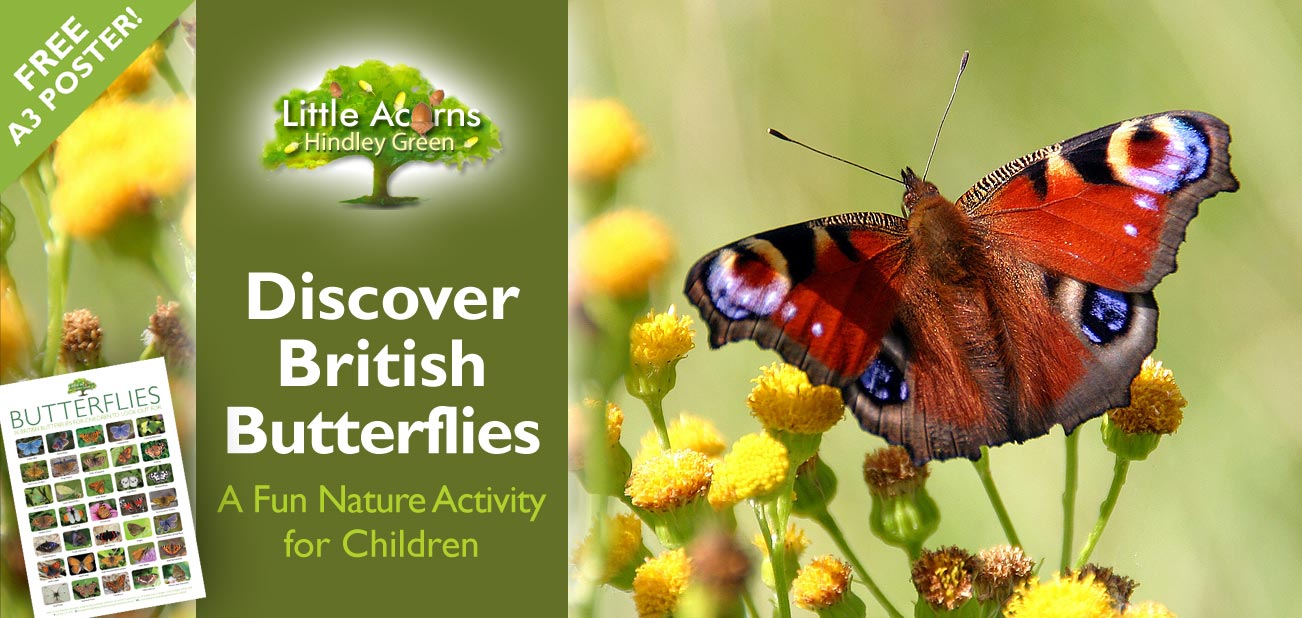
 Today’s exciting blog post encourages families to explore the wonders of nature and embark on a delightful butterfly-spotting adventure! Butterflies are simply beautiful creatures and their amazing colours and patterns are sure to appeal to little ones. With that in mind, we have prepared a visually appealing and informative A3 poster featuring 36 British butterflies, which you can download for free and print out. So, why not get the family ready to step outside, immerse yourselves in nature, and create cherished memories as you observe these enchanting creatures in their natural habitat? The poster gives visual reference and also ensures you have a lasting memento of this unique experience. Over time, this poster and nature-based activity will help you and your little one learn to identify these diverse and important little pollinators. As we reported before,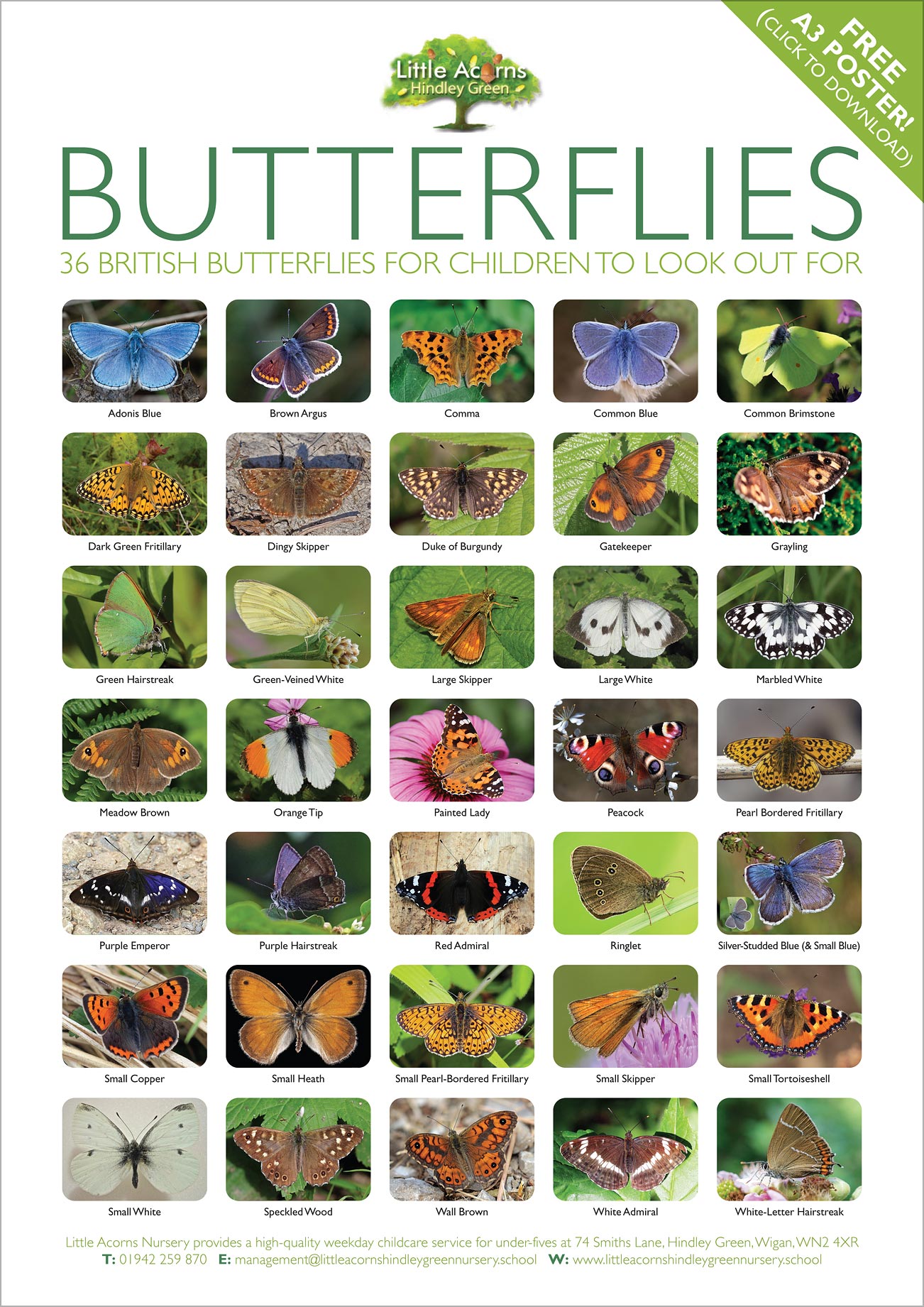

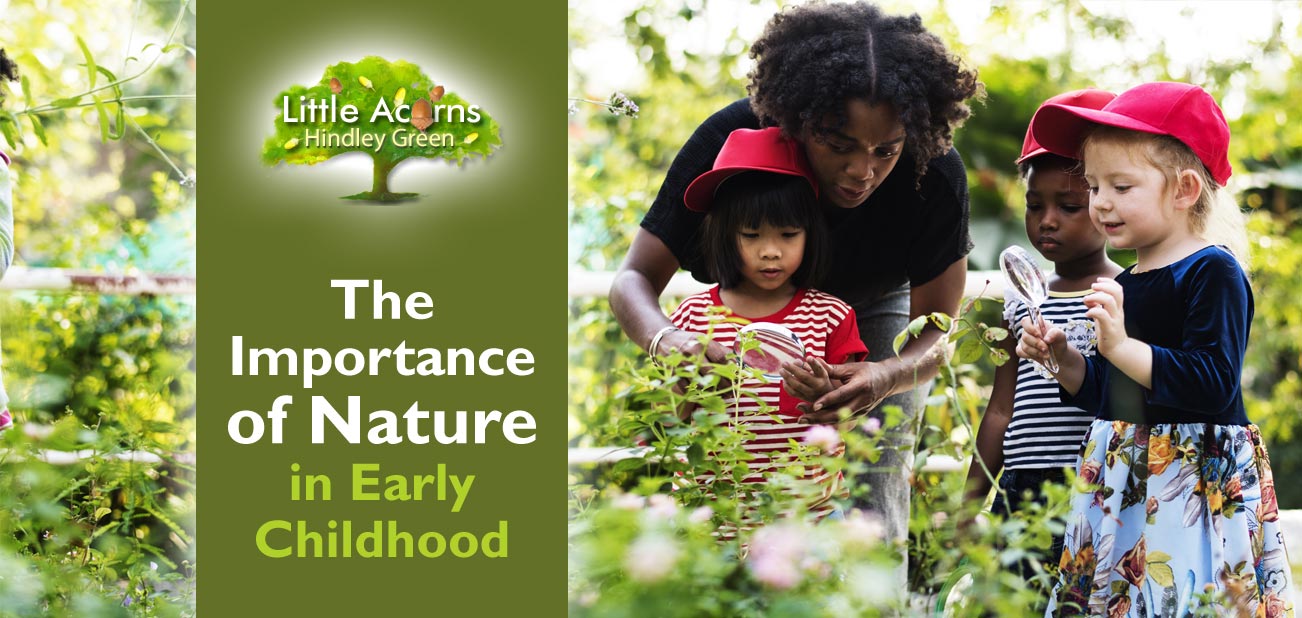
 As parents, we all want the best for our children. We strive to provide them with a nurturing and stimulating environment that supports their growth and development. However, in today’s fast-paced world, it’s easy to overlook the importance of nature in our children’s lives.
 Make time for outdoor play — set aside regular time for outdoor play and exploration. This can include visits to local parks, nature reserves, or your own back garden.

 With free tutorials available on YouTube and inexpensive instruments available in charity shops, phone apps and online marketplaces, there has never been a better time for children to start learning a musical instrument. It’s something for every parent to consider because such a pastime will benefit their child in an incredible variety of ways. Not only will they learn a new skill that will stay with them for life, but their lives will be enriched in many additional ways too. So, today, we take a look at the often profound benefits of learning a musical instrument, especially for young children. We’ll start with the three most obvious benefits before coming to many others that may surprise you.
 Playing all these notes in a certain order, sometimes in isolation and at other times as chords and progressions, will do wonders for a child’s coordination and fine motor skills. Although perhaps tricky at first, with practice and ‘muscle memory’, children’s ability to master the playing of musical sequences, chords, melodies and rhythms will gradually become easier and easier. Before long, it’ll become second nature to them.
 In a similar way, children who learn a musical instrument will usually, of course, also be learning to read printed music. While this comes in different forms, it all encourages children to concentrate on the reading process. Specifically, they’re learning to read from left to right, to analyse the printed music detail and to make sense of it. It’s another great workout for the brain, and we’ll say more about that next.
 Playing a musical instrument often goes hand-in-hand with collaboration. Whether it’s forming a band, taking part in a school orchestra, writing songs with friends or simply jamming out together, children of all ages will naturally play together given the opportunity. As such, it’s a natural socialiser and one that brings children of different ages together, with new friendships being formed through a common interest. That is a very healthy thing. It also teaches children a wide variety of social skills including communication (e.g. speaking and listening at appropriate times), collaboration, being mindful of the needs of others, waiting your turn and so on.
 Music itself is also a great antidote to stress and other emotions. Giving children the tools to appreciate music — and even involve themselves in it — will help with their mental well-being as it can calm them when they’re stressed, relax them when they’re tired or even give them an energy boost when they need to get active. Ask any runner! All they need is the right piece of music and half the mental battle is already complete.
 With all these benefits, it’s highly worthwhile for children to start learning a musical instrument as young as possible. It’s easy to start them, for example with simple instruments like drums, triangles, and tambourines initially. With these simple instruments, very young children can learn to keep time to music or a beat a rhythm demonstrated by adults. They can then progress to more advanced instruments such as recorders, keyboards, and stringed instruments. They have to start somewhere, though, but it’s never too early to start! Mozart was just 3 when he began to learn piano playing. By 5 he had composed a whole concerto! Who knows; perhaps your child could be a star in the making!
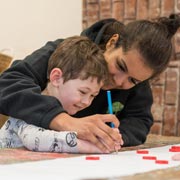 First of all, a Key Person will be allocated to your child on Day 1 when they start at the nursery. The Key Person is a childcare professional that will look out for the child’s wellbeing in all manner of different ways. One of the most important is in the monitoring of the little one’s progress in terms of learning and development. From the day they help to settle the child into the nursery to the day they leave for school, the child’s Key Person will be there to ensure that all the child’s individual needs are being met and that they are fulfilling their fullest potential in every area. Part of that will be the oversight of the bespoke early years education programme, which we’ll come to next.
 At Little Acorns Nursery, a bespoke early years learning and development programme will be designed and implemented to suit the strengths and any challenges for each individual child. This is orchestrated by the child’s Key Person and nursery staff and, where needed, through cooperation with any external professionals, e.g. for children that have any special educational or developmental needs. The learning and development programme is tailored to them and them only. Using this approach bolsters the child’s stronger areas, so they can be further strengthened, and addresses any weaker areas that may require extra focus. It is also adapted as time goes by, as progress is made by the child. In this way, every child gets to achieve personal bests and optimal outcomes in every area of their learning and development.
 All of this nurturing, education and facilitation of their personal development does one other crucial thing too; it sets them up well for when they leave us around the age of five to start at primary school. By giving them the skills and tools they will need in every area, they are in a better position to absolutely thrive once they start school, right from day one. Indeed, many studies have shown that children who receive a good early years education go on to be higher achievers both at school and in their working lives. That’s gold dust, right there. Let’s take a closer look …
 ‘Hygge’, pronounced ‘Hue-gah’, is another exciting initiative happening at Little Acorns Nursery in Hindley Green. If you’ve not heard of it, rest assured that it’s something that children will absolutely love and will benefit them in many ways. It’s also something that we’ll be pioneering in the area, so you may not find it in other nurseries and pre-schools around Wigan right now.
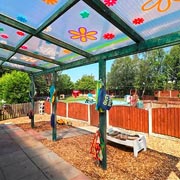 Everything at Little Acorns Nursery is there for a reason. It’s all been carefully brainstormed, pre-planned and implemented with utmost care. Whether it’s the introduction of Hygge, the addition of a new piece of equipment, or the purchasing of a specific toy or learning device, everything at Little Acorns has a purpose and is there to benefit the children.
 Parents of children at Little Acorns Nursery also give us great feedback about the wonderful childcare provision at the setting. Browse the site for full examples of parent feedback received (it’s scattered around the site) but, to give you a taster, comments include, “My girls absolutely adore this nursery but most of all they adore the staff”, “thank-you for the bottom of my heart for what you have done for my girls”, “I couldn’t recommend this nursery enough, they care and love the children like their own and I couldn’t of ever felt more comfortable leaving my children with a nicer set of girls.”, “I would not hesitate to recommend this nursery to anyone!”, “You should all be very proud of the work you do. It really means so much to us every time we see those small steps forward and we appreciate it.”, and “If I ever had any more children, without a doubt they will be coming to this nursery even if I moved 500 miles away!”.
 Starting nursery or pre-school is a real milestone for children and parents alike. As well as being exciting, though, transitioning to nursery or pre-school can be daunting for the little ones. The researching of childcare settings, checking Ofsted reports and appraising recommendations from friends is all very well, but that’s only the first step. The transition will be smoother for the children themselves if a few golden rules are followed. That’s precisely where today’s guide comes in, with our 20 Ways to Prepare Under-5s for Nursery. Take a look.
 Arrange a visit of your chosen or short-listed nurseries/pre-schools. Good settings (like Little Acorns Nursery) will be happy to give you and your child a guided tour. It’s best to go during an actual session, so that you can both see the setting in action on a standard day. Bear in mind that it can also be a chance for your child to become more familiar with the setting. If they later go on to start at the nursery, they will then already be aware of what the rooms look like, where the toilets are, who their carers are, and so on. Show them the play areas inside and out and let them see the other children having fun.
 There are several things you can also do around preparing your child for eating at nursery/pre-school. For starters, get your little one used to eating in a group of other children — perhaps with friends or related children at first. Also practise cutlery skills with your child, so they’re more able to eat independently when they start.
 Pre-joining visits and settling-in sessions are a great way for children to make friends at the setting, but parents can also orchestrate this outside of the nursery or pre-school. For example, by finding out which friends and neighbours send their children to the setting, they can then suggest some play dates with those children. Little ones will then see one or more friendly little faces welcoming them, right from the outset, once they start at the setting. It’s a good opportunity for children to learn the art of socialising. It’s also good for parents to network in this way, so they can compare notes and perhaps pool information they might otherwise have missed.
 Whether your child is potty/toilet trained or still in nappies, teach them to help themselves in this type of area. If they are not yet toilet trained and are ready for it, begin to teach them. It’ll stand them in better stead once they start at nursery/pre-school. If they are newly toilet trained, though, reinforce that accidents do happen and that the childcare staff are used to it and will help change them if so.
 A little independence will go a long way for them once children start at nursery or pre-school. Personal hygiene and toilet training is just one of many things they can help themselves with if they’re shown how.
 Childcare providers are more than just babysitters or a crèche. Settings like Little Acorn Nursery and many others offer a full early years education too. It’s very high quality, covering pretty much every aspect of early years learning and development and the all-important
  In the month or weeks leading up to your child’s start date, it’s a great idea to try to mimic the timings at the nursery, so that the routine is pre-embedded. So, try to get them used to getting up and getting dressed etc. at the same time as the nursery and they can even have a restful nap at the same time as nap sessions at the setting. An appropriate bedtime routine is also important, so that your child is energised and not tired once they begin at the nursery.
 Ensure that you are familiar with the pick-up and drop-off times as well as the nursery’s security arrangements should someone else be picking your child up instead of you.
 When the big day arrives for your child, don’t let on if you’re anxious or sad otherwise your child may pick up on it and become upset. So, keep it casual and don’t make a fuss when you drop them off for the first time. Staff and any friends they’ve previously made as part of your planning above are sure to welcome them. Chances are, they’ll run off into the nursery with a friend and have great fun right away anyway!

 Parents* of under-fives may have heard nurseries, pre-schools, childcare professionals and other parents referring to “the EYFS”. However, what is it, and how does it affect your children? Well,
  For early years practitioners in England, following the EYFS framework is not optional. It is actually enshrined in law in England, via Section 39 of the Childcare Act 2006, so is an important and binding entity. (Other parts of the UK have similar equivalents).
 Ensuring high levels of safeguarding, welfare and happiness for every child at an early years setting;
 Communication and Language;
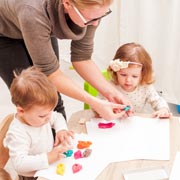 As they work towards their individual goals, assessments will be made, for each child, on a continuous basis. By assessing the children, the learning and development programme and the goals themselves can be tailored and fine-tuned along the way, as required. This will optimise each child’s progress and achievements.
 Ensure those who have access to children are suitable, safe, pre-vetted people;

