
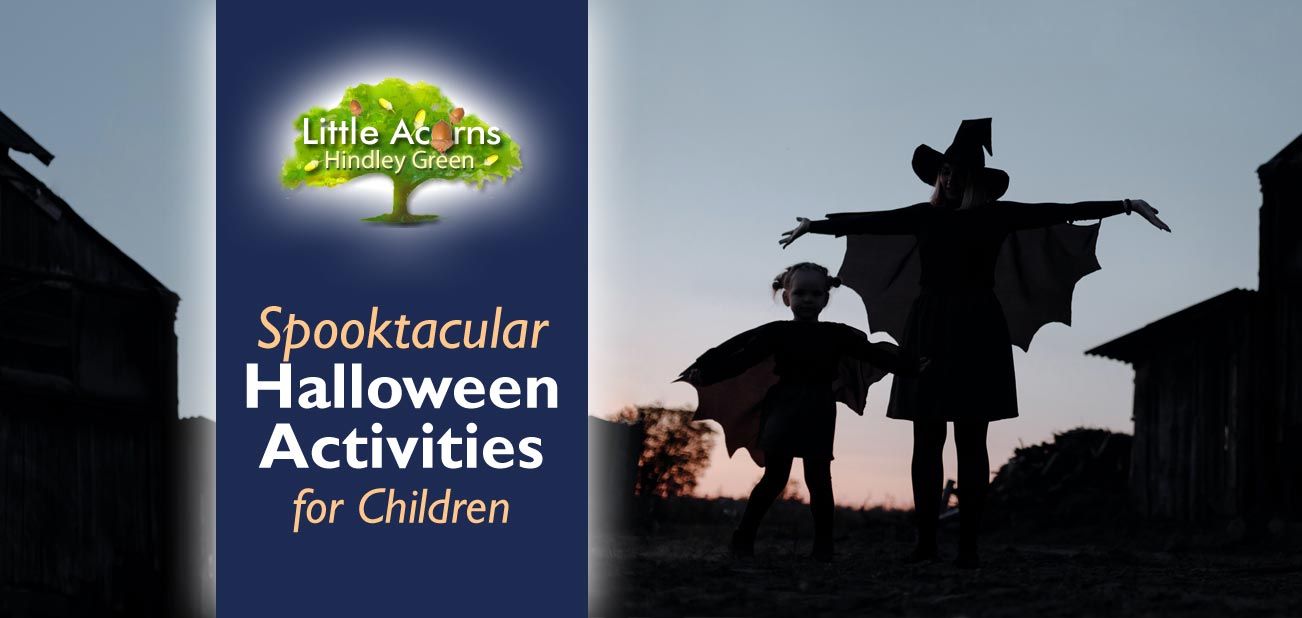
 Autumn’s arrival means that Halloween is just around the corner, coming on the 31st of October each year. The run-up to that date is a great time to start preparing for some fun Halloween activities for children to take part in. Whether dressing up for Halloween-themed parties, putting carved pumpkin lanterns and spooky decorations out at night, or playing Trick or treat locally, children of all ages will find Halloween a time of unique fun! It’s also a great opportunity for children to strengthen bonds with friends and for families to start getting creative! With that in mind, here are our top picks for spooktacular Halloween activities for kids!
First, Though, What Is Halloween?
Halloween is a widely celebrated and highly festive milestone that occurs each year on October 31st. It has its origins in both Celtic and Christian traditions with both secular and religious roots at its historical heart. These included observances like All Hallows’ Eve, which is the night before All Saints’ Day in Christianity when people would remember and pray for the deceased. However, in more modern times, it has evolved into a time of festive activities and customs, particularly in the United Kingdom, USA, and other Western countries. Today, it is a time for creativity, community, and entertainment, with a focus on costumes, sweets, and — above all — spooky fun for children!
Halloween Activities: Great Ideas for Kids
Here are our top suggestions for children at Halloween. Bear in mind that younger children may need some reassurance around concepts like spiderwebs, ghosts, masks and suchlike and adults would be wise to supervise kids of all ages when it comes to the safeguarding of their wellbeing. That said, take a look at these wonderfully spooky Halloween activities and ideas…
Fancy Dress — Halloween Costumes
 Dressing up in Halloween costumes is hugely popular amongst children. While purchasing costumes from stores is quick and easy, encouraging children to make their own Halloween costumes (with adult supervision) is likely to be not only cheaper but also much more fun. They’ll also be able to get creative and learn new skills in the process.
- Bedsheets are perfect for making simple but effective ghost outfits – all that is needed are a couple of eye holes.
- Witch or wizard outfits can be made from any type of black clothing that’s no longer needed, particularly if it’s baggy in shape. Adults can help children make it look more realistic by making edges ragged and perhaps even helping to make a broom from twigs and a long stick.
- Pointy witches’ or wizards’ hats can be added too. Create from card and tape, then paint them black — or indeed make them from black card.
- Children can also dress up as pumpkins if they can obtain (or dye) a t-shirt orange and paint on the eyes and face.
 Kids will also love dressing up as spiders. All they need is some black tights — or a pair of skinny trousers — and a black top that’s belted at the waist and then stuffed to make the ‘spider body’ fat. Extra spider legs can be made by stuffing more black tights and attaching them to the belt.
- Children can also use their imaginations and creativity to dress up as characters from books and movies. Costumes based on Harry Potter, Ghostbusters, ET and characters from various horror flicks are obvious choices.
 Kids will also love dressing up as spiders. All they need is some black tights — or a pair of skinny trousers — and a black top that’s belted at the waist and then stuffed to make the ‘spider body’ fat. Extra spider legs can be made by stuffing more black tights and attaching them to the belt.
Spooky Halloween Decorations
Halloween-themed decorations are great fun for children too. Whether shop-bought or home-made, dangling spiders, fake spiderwebs, skeletons, atmospheric pumpkin lanterns and ghost-themed decorations will go down a storm with little ones. There are so many ways to make your own Halloween decorations too and all it takes is a little imagination and creativity.
Make Halloween-Themed Food
 Your children can take this a step further and add Halloween-themed food into the mix, so there’s something to nibble too!
- Ghost, spider and bat-themed cookies are always popular with children and are pretty easy to make. Children will not only enjoy eating them but will love making and decorating them too.
- Pumpkin soup is also an obvious choice, particularly for those families making their own carved pumpkin lanterns (more about those later).
- Parents can also help children make edible ‘mini pumpkins’ from bell peppers that are hollowed out and stuffed with something delicious like rice, mushrooms or a mixture of the child’s favourite foods. They’ll not only taste great but will look spooktacular too!
- Drinks can also be themed by children — they can decorate paper cups with all manner of ghoulish imagery. Local supermarkets may also stock Halloween-themed cups, swizzle sticks and suchlike around October and early Autumn.
Trick or Treat?
 The Halloween tradition of ‘tick or treating’ has its roots in Medieval times. It is a playful remnant of the practice of “souling,” where the poor would go door-to-door during what was then known as ‘Allhallowtide’ (around All Saints’ Day and All Souls’ Day) asking for food in exchange for prayers for the deceased. Over the years, this evolved into what we now know as Trick or treat. Children, usually in full Halloween fancy dress, knock on neighbourhood doors and say Trick or treat? Then, homeowners typically give them sweets or other treats — or become the target of a playful trick from the children! It’s great fun for little ones, especially if one or more neighbourhood parents can organise the evening in advance. By doing so, the neighbours are warned and can opt out if they prefer. In this way, lots of fun, laughter and treats will ensue and nobody gets a trick that they weren’t expecting!
Go Pumpkin Picking
 Many towns and villages will have ‘pumpkin patches’ during October. These are typically found on local farms and similar that set a field aside, chock-full of pumpkins. Families can come along and children will be able to scour the field and pick their favourite pumpkin. They can take it home in exchange, usually, for an affordable fee. Such pumpkin patches often also have wonderful photo opportunities where children can pose amongst pumpkin displays. In this way, children enjoy a morning or afternoon activity at the farm and end up with a hand-picked pumpkin too.
Pumpkin Lantern Carving & Decorating
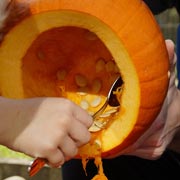 Hollowing out and carving spooky and creative faces into pumpkins is a classic Halloween activity enjoyed by thousands of families each year. For safety purposes, supervising adults will need to do any carving, though, as it’ll likely involve the use of a sharp knife. They can also loosen the seeds and flesh and then, if able, children can help to scoop it out. Once hollowed out and eyes, nose and mouth have been carved, children can have great fun decorating the outside and turning the pumpkin into a lantern using tea lights (again, under adult supervision or using LED lights for safety purposes). Nothing quite says ‘Halloween’ like a pumpkin face that glows in the garden at night. Children will naturally love the whole experience, end result, and feeling of accomplishment associated with this activity.
TIP: Why not also save the flesh to make pumpkin soup? Seeds can also be saved to grow new pumpkins next year.
Host a Halloween Party!
 Families can combine all or just some of these Halloween activities into one event by hosting their very own Halloween party for friends, relatives and neighbours. With spooky fancy dress costumes, Halloween-themed decorations, flickering pumpkin lanterns, and themed food and drinks, it’s sure to be huge fun and a spooktacular evening for everyone! Ghostly music and ghoulish games can be added to the event too, perhaps along with a period where children and adults can tell spooky stories and ghost tales. What’s not to love?
Nursery & Preschool Places in Hindley Green Nursery, near Wigan

 This article was brought to you by Little Acorns Nursery in Hindley Green near Wigan. We offer the highest-quality weekday childcare — and a full early years education — to babies, infants, toddlers and preschoolers under five. As well as offering an outstanding childcare service, we also support all official Government childcare funding schemes for eligible families, making affordability easier for struggling households. To enrol your child for a nursery/preschool place, organise a free guided tour, or ask any questions, simply get in touch via one of the following options — we’ll be delighted to help.
Little Acorns is a wonderful nursery & preschool located in Hindley Green, also being convenient for those needing high-quality childcare near Wigan, Bickershaw, Leigh, Atherton, Westhoughton, Ince-in-Makerfield, Platt Bridge, Tyldesley, Bolton and Greater Manchester.

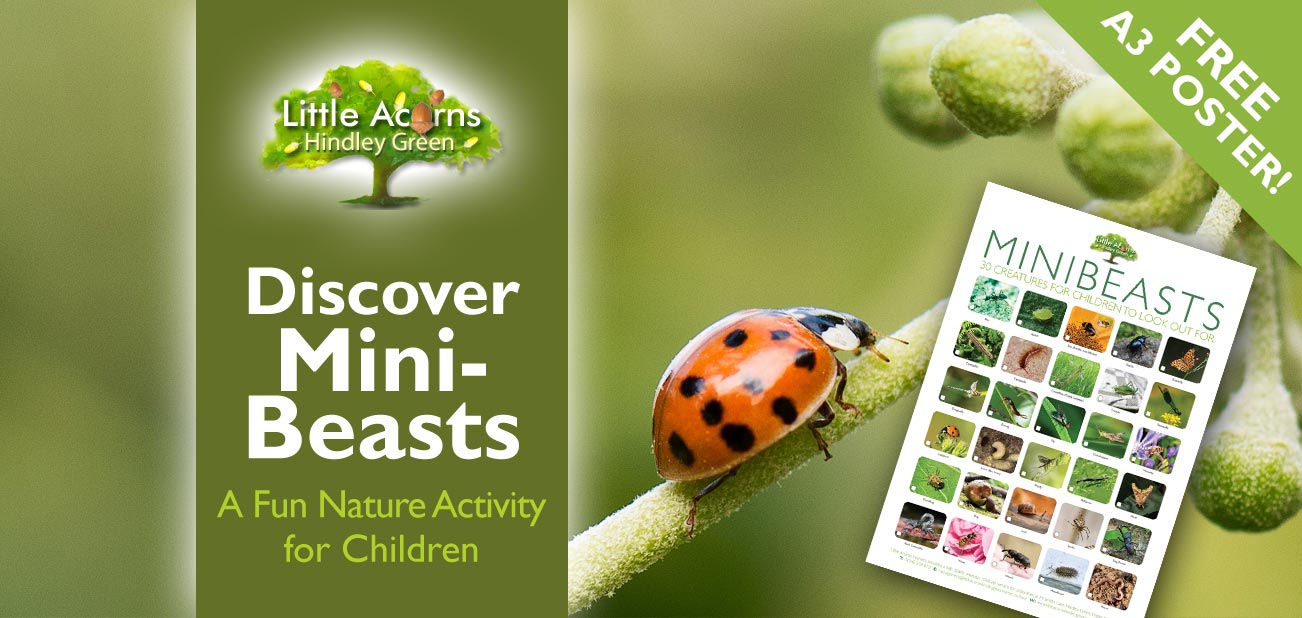
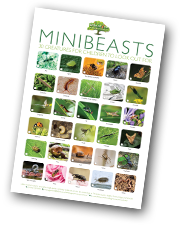 Today’s ‘Discover Minibeasts’ post is the third in our series of nature-based activities for children. And, as with the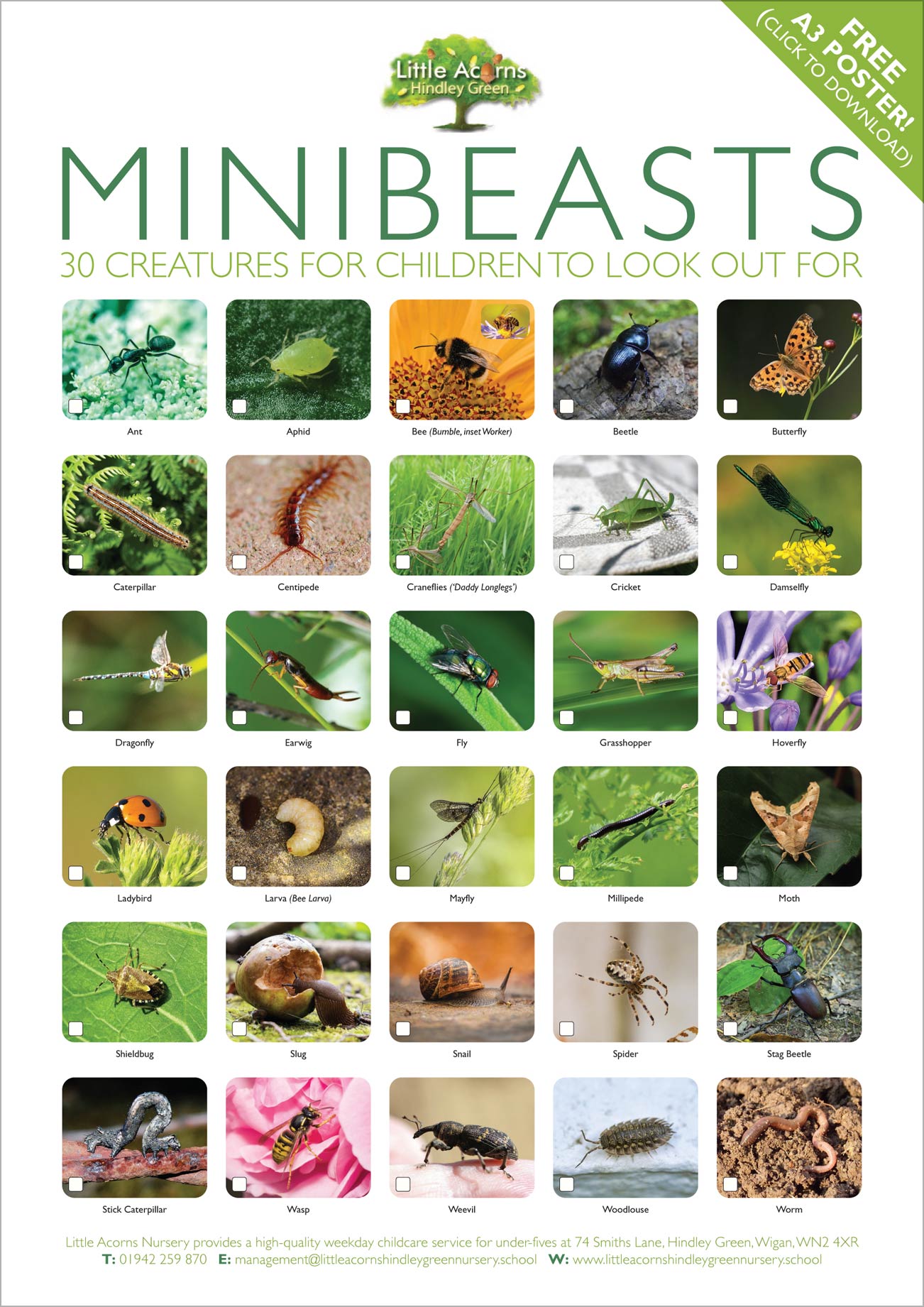
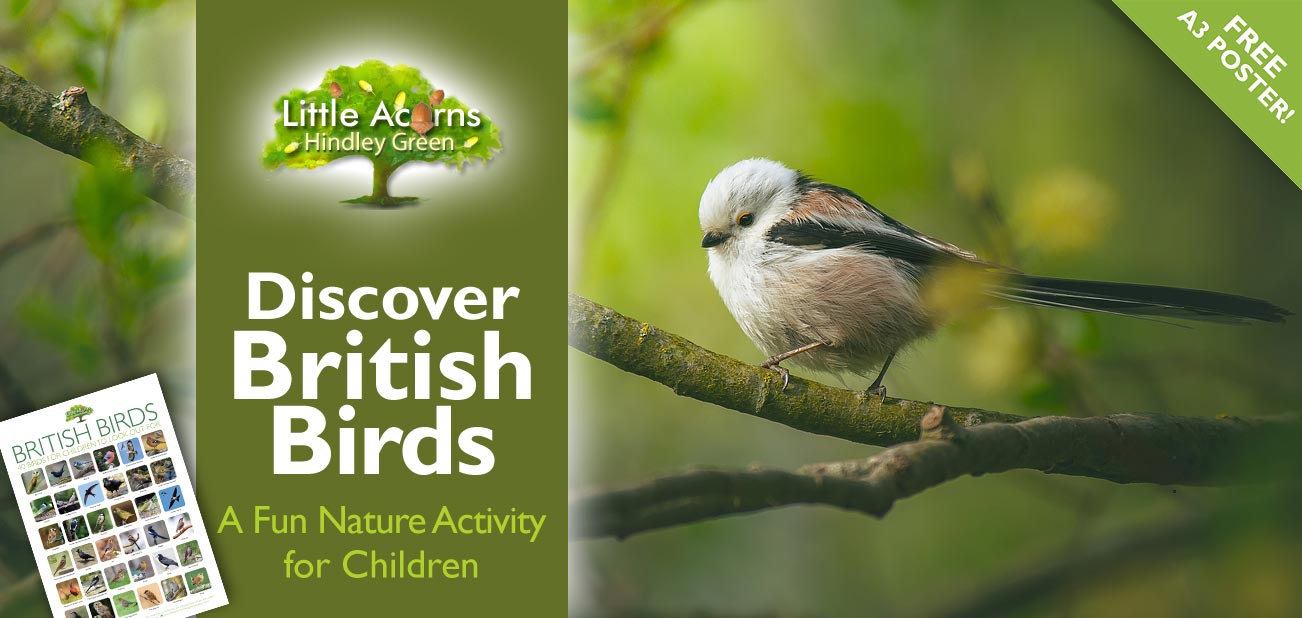
 Today, in a follow-up to the
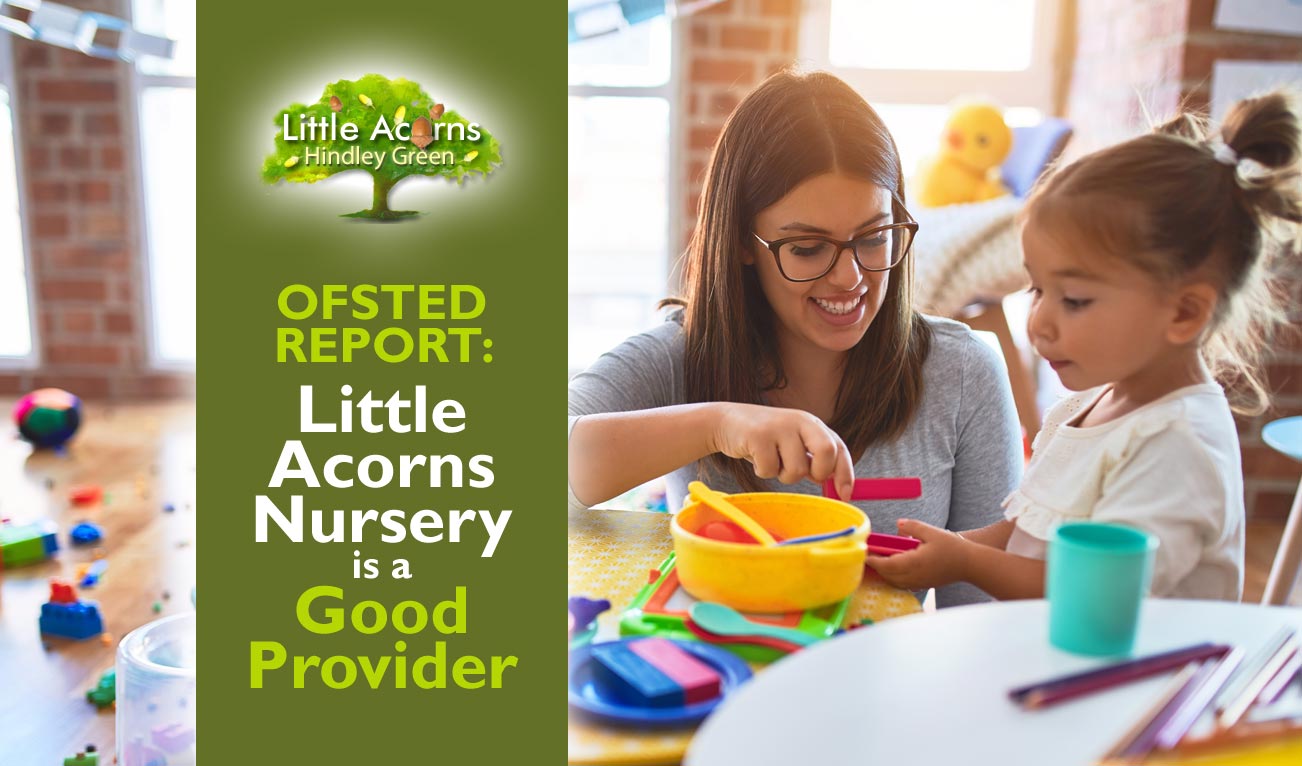
 We’re delighted to announce that Little Acorns Nursery, Hindley Green, has passed its first Ofsted Inspection — and with flying colours! The Ofsted Report was published recently following the Ofsted inspection in late April this year. It is our first since we took over the nursery from Kate’s Kindergarten in 2022. So, it’s now official — Little Acorns Nursery is a ‘Good Provider’ of childcare and early-years education. Let’s take a look at the Inspector’s findings and some of her lovely comments. We’ll see why the nursery/preschool achieved such consistent, positive feedback and good ratings in every area. Doing so is incredibly important to the children under our care and, of course, to their parents and caregivers.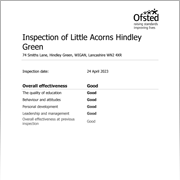
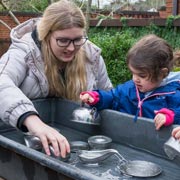 Opening comments in the Ofsted Report are particularly positive. Not only are the findings welcomed by nursery staff, who work so hard and so professionally — as evidenced in the report — but they’ll also be welcomed by parents/caregivers of children attending the setting. After all, it’s good to know children are in good hands and that their choice of childcare provider was a good one.
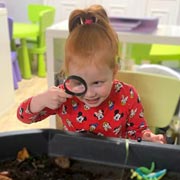 As you can see from the comment above, staff are methodical and strategic in their approach to activities organised for the children. Activities are tailored to each child’s individual interests, making playing, development of skills and learning of new knowledge all come naturally.
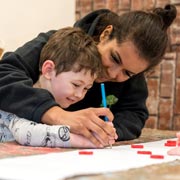 Ofsted also recognised that leaders and staff plan improvements for the future. In their report, they describe how leaders “plan how they can make the quality of education even better […] working closely with staff to design building improvements that will have the most benefit for the children”.
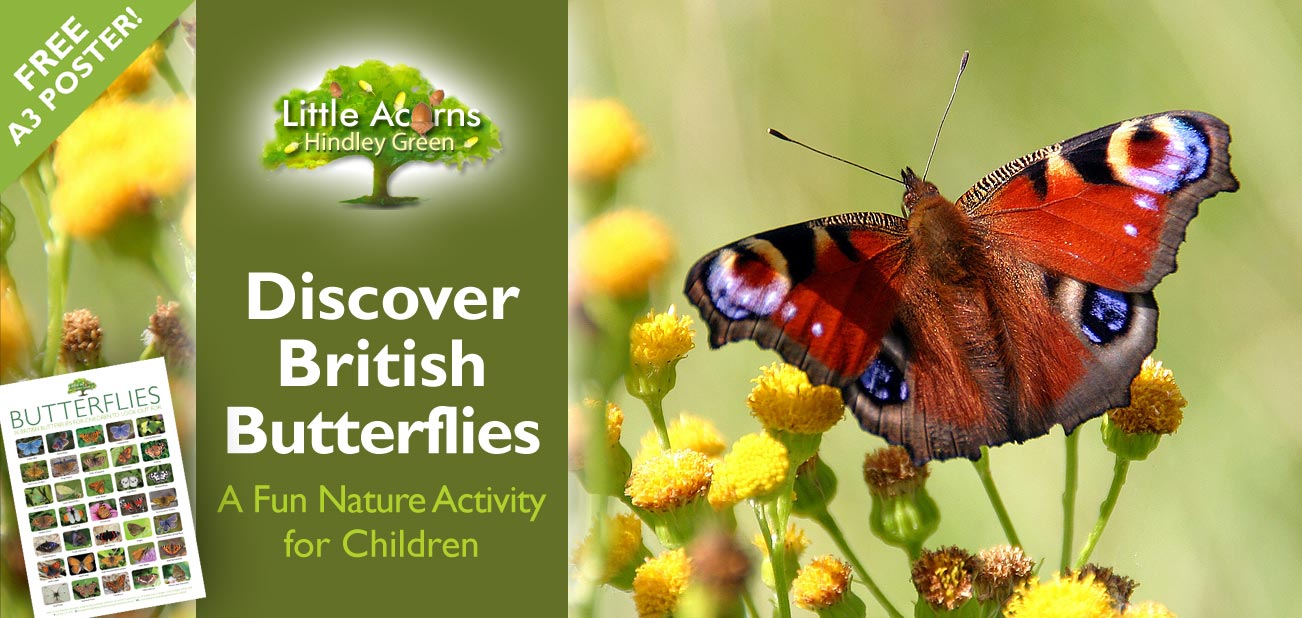
 Today’s exciting blog post encourages families to explore the wonders of nature and embark on a delightful butterfly-spotting adventure! Butterflies are simply beautiful creatures and their amazing colours and patterns are sure to appeal to little ones. With that in mind, we have prepared a visually appealing and informative A3 poster featuring 36 British butterflies, which you can download for free and print out. So, why not get the family ready to step outside, immerse yourselves in nature, and create cherished memories as you observe these enchanting creatures in their natural habitat? The poster gives visual reference and also ensures you have a lasting memento of this unique experience. Over time, this poster and nature-based activity will help you and your little one learn to identify these diverse and important little pollinators. As we reported before,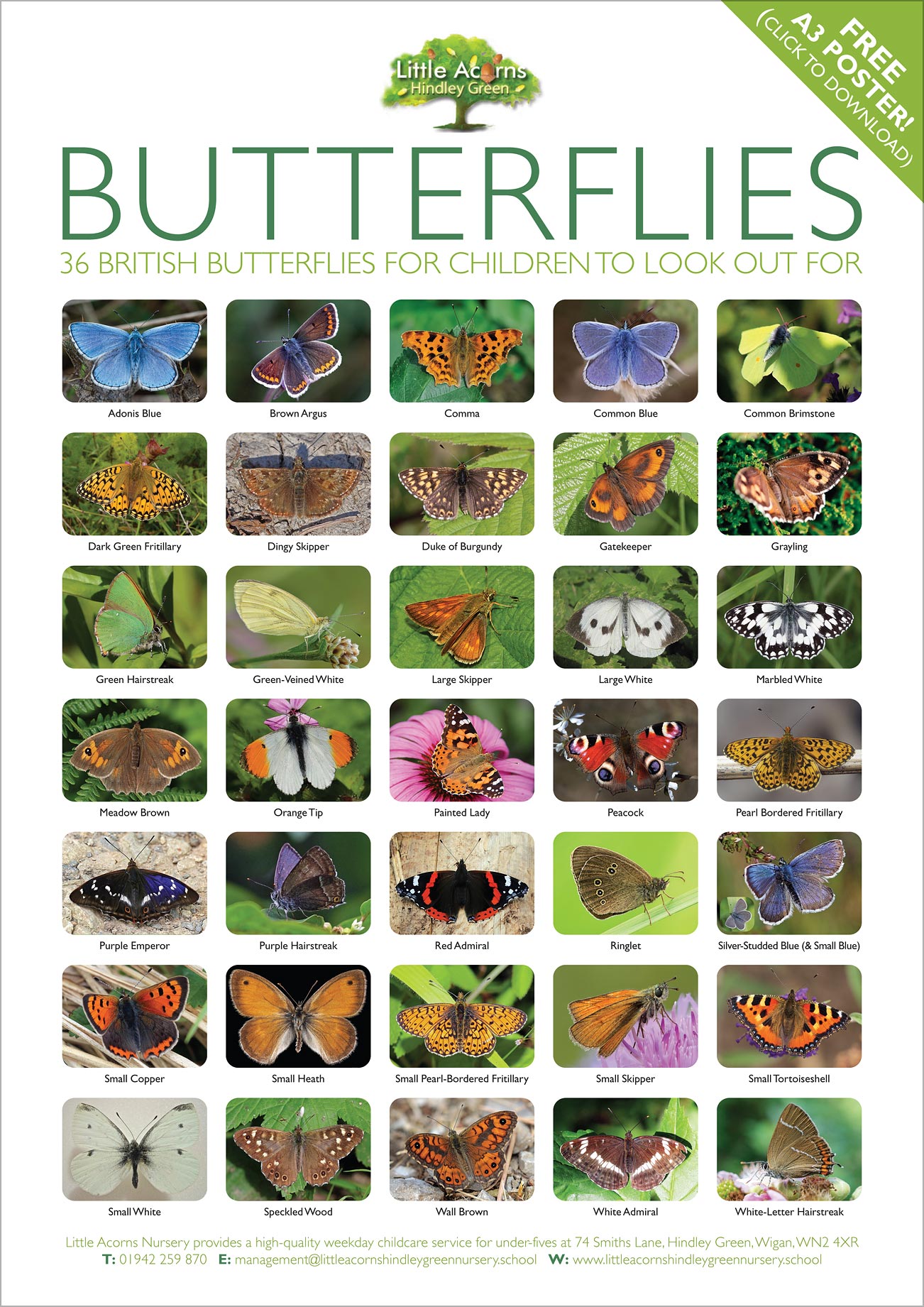

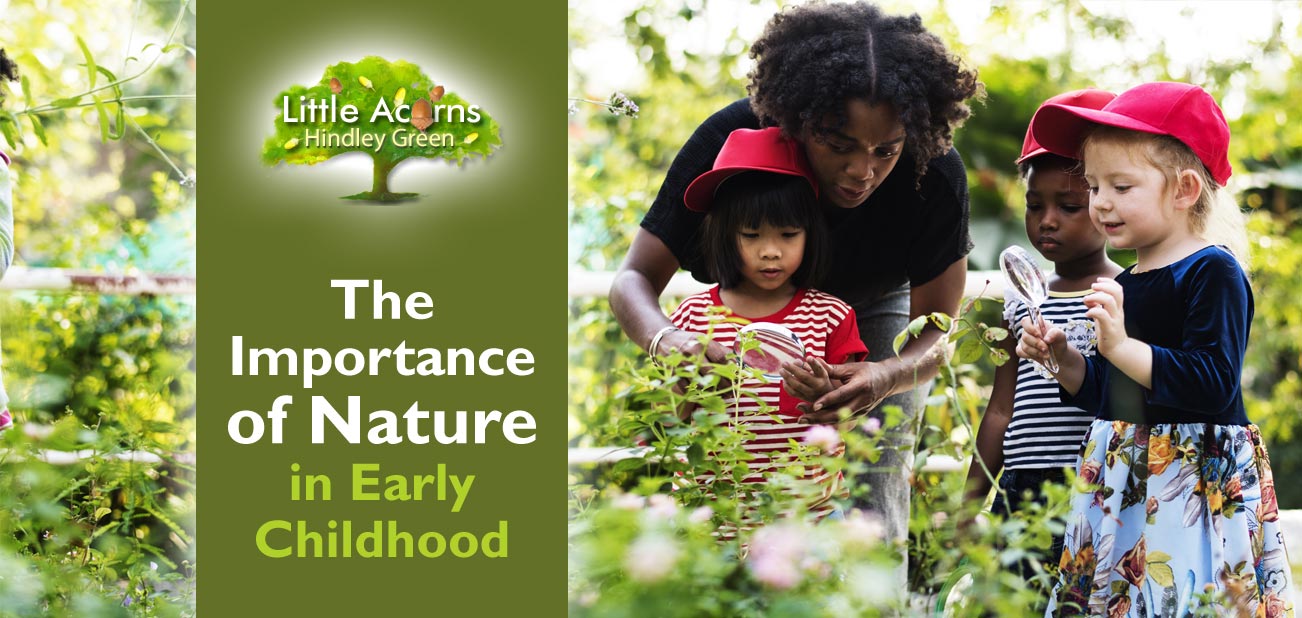
 As parents, we all want the best for our children. We strive to provide them with a nurturing and stimulating environment that supports their growth and development. However, in today’s fast-paced world, it’s easy to overlook the importance of nature in our children’s lives.
 Make time for outdoor play — set aside regular time for outdoor play and exploration. This can include visits to local parks, nature reserves, or your own back garden.
 With free tutorials available on YouTube and inexpensive instruments available in charity shops, phone apps and online marketplaces, there has never been a better time for children to start learning a musical instrument. It’s something for every parent to consider because such a pastime will benefit their child in an incredible variety of ways. Not only will they learn a new skill that will stay with them for life, but their lives will be enriched in many additional ways too. So, today, we take a look at the often profound benefits of learning a musical instrument, especially for young children. We’ll start with the three most obvious benefits before coming to many others that may surprise you.
 Playing all these notes in a certain order, sometimes in isolation and at other times as chords and progressions, will do wonders for a child’s coordination and fine motor skills. Although perhaps tricky at first, with practice and ‘muscle memory’, children’s ability to master the playing of musical sequences, chords, melodies and rhythms will gradually become easier and easier. Before long, it’ll become second nature to them.
 In a similar way, children who learn a musical instrument will usually, of course, also be learning to read printed music. While this comes in different forms, it all encourages children to concentrate on the reading process. Specifically, they’re learning to read from left to right, to analyse the printed music detail and to make sense of it. It’s another great workout for the brain, and we’ll say more about that next.
 Playing a musical instrument often goes hand-in-hand with collaboration. Whether it’s forming a band, taking part in a school orchestra, writing songs with friends or simply jamming out together, children of all ages will naturally play together given the opportunity. As such, it’s a natural socialiser and one that brings children of different ages together, with new friendships being formed through a common interest. That is a very healthy thing. It also teaches children a wide variety of social skills including communication (e.g. speaking and listening at appropriate times), collaboration, being mindful of the needs of others, waiting your turn and so on.
 Music itself is also a great antidote to stress and other emotions. Giving children the tools to appreciate music — and even involve themselves in it — will help with their mental well-being as it can calm them when they’re stressed, relax them when they’re tired or even give them an energy boost when they need to get active. Ask any runner! All they need is the right piece of music and half the mental battle is already complete.
 With all these benefits, it’s highly worthwhile for children to start learning a musical instrument as young as possible. It’s easy to start them, for example with simple instruments like drums, triangles, and tambourines initially. With these simple instruments, very young children can learn to keep time to music or a beat a rhythm demonstrated by adults. They can then progress to more advanced instruments such as recorders, keyboards, and stringed instruments. They have to start somewhere, though, but it’s never too early to start! Mozart was just 3 when he began to learn piano playing. By 5 he had composed a whole concerto! Who knows; perhaps your child could be a star in the making!
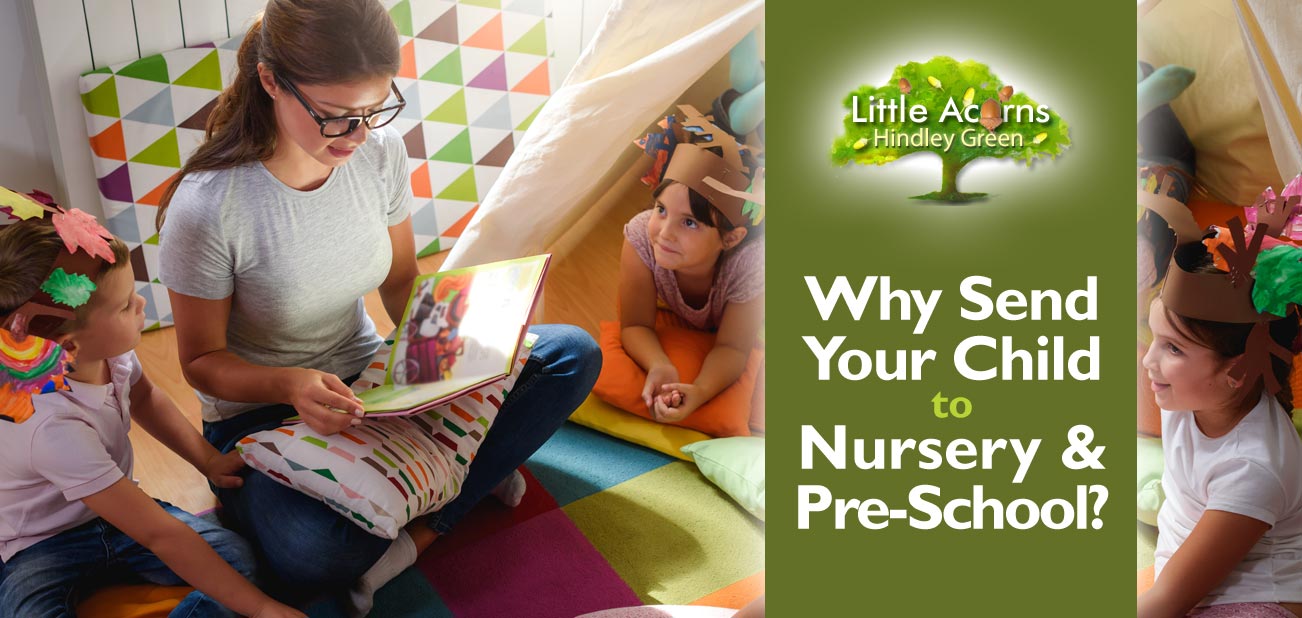
 First of all, a Key Person will be allocated to your child on Day 1 when they start at the nursery. The Key Person is a childcare professional that will look out for the child’s wellbeing in all manner of different ways. One of the most important is in the monitoring of the little one’s progress in terms of learning and development. From the day they help to settle the child into the nursery to the day they leave for school, the child’s Key Person will be there to ensure that all the child’s individual needs are being met and that they are fulfilling their fullest potential in every area. Part of that will be the oversight of the bespoke early years education programme, which we’ll come to next.
 At Little Acorns Nursery, a bespoke early years learning and development programme will be designed and implemented to suit the strengths and any challenges for each individual child. This is orchestrated by the child’s Key Person and nursery staff and, where needed, through cooperation with any external professionals, e.g. for children that have any special educational or developmental needs. The learning and development programme is tailored to them and them only. Using this approach bolsters the child’s stronger areas, so they can be further strengthened, and addresses any weaker areas that may require extra focus. It is also adapted as time goes by, as progress is made by the child. In this way, every child gets to achieve personal bests and optimal outcomes in every area of their learning and development.
 All of this nurturing, education and facilitation of their personal development does one other crucial thing too; it sets them up well for when they leave us around the age of five to start at primary school. By giving them the skills and tools they will need in every area, they are in a better position to absolutely thrive once they start school, right from day one. Indeed, many studies have shown that children who receive a good early years education go on to be higher achievers both at school and in their working lives. That’s gold dust, right there. Let’s take a closer look …
 ‘Hygge’, pronounced ‘Hue-gah’, is another exciting initiative happening at Little Acorns Nursery in Hindley Green. If you’ve not heard of it, rest assured that it’s something that children will absolutely love and will benefit them in many ways. It’s also something that we’ll be pioneering in the area, so you may not find it in other nurseries and pre-schools around Wigan right now.
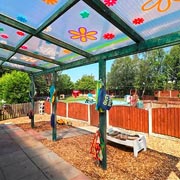 Everything at Little Acorns Nursery is there for a reason. It’s all been carefully brainstormed, pre-planned and implemented with utmost care. Whether it’s the introduction of Hygge, the addition of a new piece of equipment, or the purchasing of a specific toy or learning device, everything at Little Acorns has a purpose and is there to benefit the children.
 Parents of children at Little Acorns Nursery also give us great feedback about the wonderful childcare provision at the setting. Browse the site for full examples of parent feedback received (it’s scattered around the site) but, to give you a taster, comments include, “My girls absolutely adore this nursery but most of all they adore the staff”, “thank-you for the bottom of my heart for what you have done for my girls”, “I couldn’t recommend this nursery enough, they care and love the children like their own and I couldn’t of ever felt more comfortable leaving my children with a nicer set of girls.”, “I would not hesitate to recommend this nursery to anyone!”, “You should all be very proud of the work you do. It really means so much to us every time we see those small steps forward and we appreciate it.”, and “If I ever had any more children, without a doubt they will be coming to this nursery even if I moved 500 miles away!”.
 Starting nursery or pre-school is a real milestone for children and parents alike. As well as being exciting, though, transitioning to nursery or pre-school can be daunting for the little ones. The researching of childcare settings, checking Ofsted reports and appraising recommendations from friends is all very well, but that’s only the first step. The transition will be smoother for the children themselves if a few golden rules are followed. That’s precisely where today’s guide comes in, with our 20 Ways to Prepare Under-5s for Nursery. Take a look.
 Arrange a visit of your chosen or short-listed nurseries/pre-schools. Good settings (like Little Acorns Nursery) will be happy to give you and your child a guided tour. It’s best to go during an actual session, so that you can both see the setting in action on a standard day. Bear in mind that it can also be a chance for your child to become more familiar with the setting. If they later go on to start at the nursery, they will then already be aware of what the rooms look like, where the toilets are, who their carers are, and so on. Show them the play areas inside and out and let them see the other children having fun.
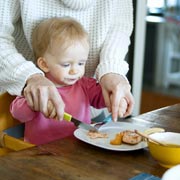 There are several things you can also do around preparing your child for eating at nursery/pre-school. For starters, get your little one used to eating in a group of other children — perhaps with friends or related children at first. Also practise cutlery skills with your child, so they’re more able to eat independently when they start.
 Pre-joining visits and settling-in sessions are a great way for children to make friends at the setting, but parents can also orchestrate this outside of the nursery or pre-school. For example, by finding out which friends and neighbours send their children to the setting, they can then suggest some play dates with those children. Little ones will then see one or more friendly little faces welcoming them, right from the outset, once they start at the setting. It’s a good opportunity for children to learn the art of socialising. It’s also good for parents to network in this way, so they can compare notes and perhaps pool information they might otherwise have missed.
 Whether your child is potty/toilet trained or still in nappies, teach them to help themselves in this type of area. If they are not yet toilet trained and are ready for it, begin to teach them. It’ll stand them in better stead once they start at nursery/pre-school. If they are newly toilet trained, though, reinforce that accidents do happen and that the childcare staff are used to it and will help change them if so.
 A little independence will go a long way for them once children start at nursery or pre-school. Personal hygiene and toilet training is just one of many things they can help themselves with if they’re shown how.
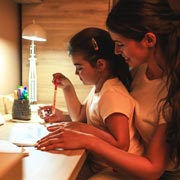 Childcare providers are more than just babysitters or a crèche. Settings like Little Acorn Nursery and many others offer a full early years education too. It’s very high quality, covering pretty much every aspect of early years learning and development and the all-important
  In the month or weeks leading up to your child’s start date, it’s a great idea to try to mimic the timings at the nursery, so that the routine is pre-embedded. So, try to get them used to getting up and getting dressed etc. at the same time as the nursery and they can even have a restful nap at the same time as nap sessions at the setting. An appropriate bedtime routine is also important, so that your child is energised and not tired once they begin at the nursery.
 Ensure that you are familiar with the pick-up and drop-off times as well as the nursery’s security arrangements should someone else be picking your child up instead of you.
 When the big day arrives for your child, don’t let on if you’re anxious or sad otherwise your child may pick up on it and become upset. So, keep it casual and don’t make a fuss when you drop them off for the first time. Staff and any friends they’ve previously made as part of your planning above are sure to welcome them. Chances are, they’ll run off into the nursery with a friend and have great fun right away anyway!
 Parents* of under-fives may have heard nurseries, pre-schools, childcare professionals and other parents referring to “the EYFS”. However, what is it, and how does it affect your children? Well,
  For early years practitioners in England, following the EYFS framework is not optional. It is actually enshrined in law in England, via Section 39 of the Childcare Act 2006, so is an important and binding entity. (Other parts of the UK have similar equivalents).
 Ensuring high levels of safeguarding, welfare and happiness for every child at an early years setting;
 Communication and Language;
 As they work towards their individual goals, assessments will be made, for each child, on a continuous basis. By assessing the children, the learning and development programme and the goals themselves can be tailored and fine-tuned along the way, as required. This will optimise each child’s progress and achievements.
 Ensure those who have access to children are suitable, safe, pre-vetted people;

