

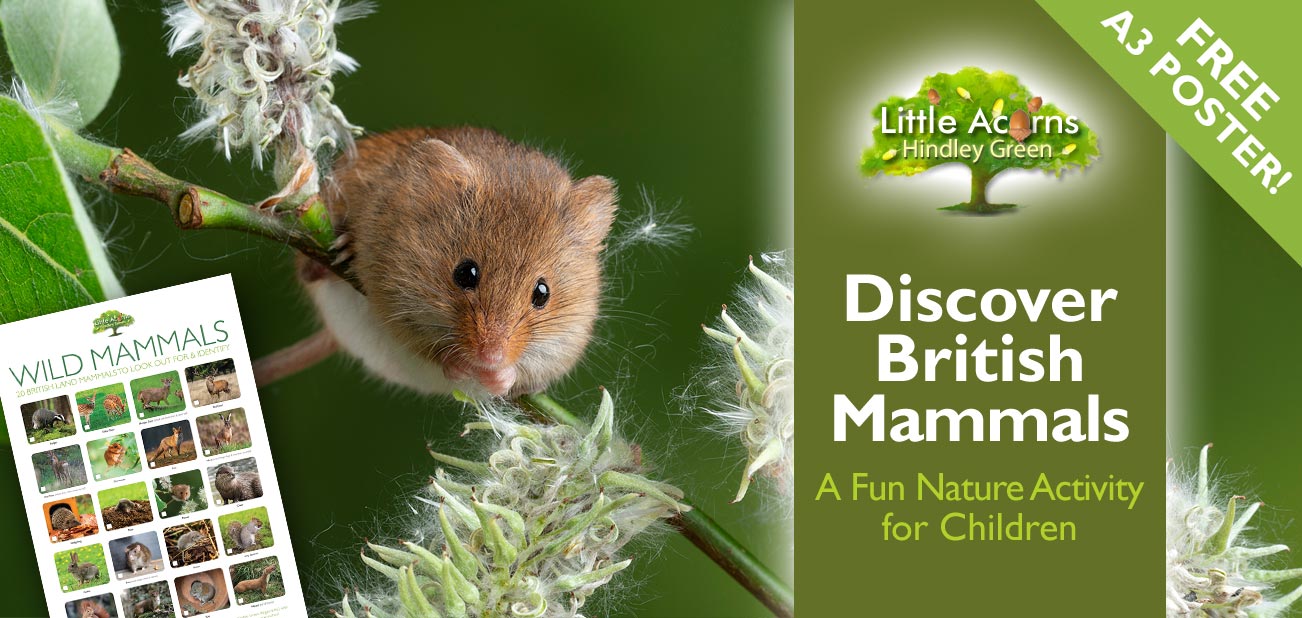
Today, we’re publishing a lovely new poster in our wildlife series for children and their families to download. This one features 20 beautiful British wild mammals that little ones can learn to recognise, name, and look out for. It’s important to encourage little ones to have an interest in nature because nature is incredibly good for children, especially in the early years. That’s just one of the reasons we regularly publish free wildlife and nature-themed posters for families. Once printed out, children can display our posters on bedroom walls or perhaps print out smaller to take with them when they walk or play in natural spaces. With that in mind, take a look at the preview below, click to download it, and print it out for your child today. This British Mammals poster is a simple, fun, and educational way to get children interested in nature-based activities outdoors.
“The best education does not happen at a desk, but rather engaged in everyday living – hands on, exploring, in active relationship with life.” — Vince Gowmon
(Find more inspirational nature quotes for children here).
British Land Mammals Poster – Preview
Click the poster preview to view or download it in high-resolution Acrobat PDF format. (You probably already have it but, if not, Acrobat Reader is available free here. Whether you left- or right-click the preview image to view or download the poster depends on your individual web browser set-up). Once downloaded, the poster can be printed as large as A3 in high resolution, or reduced to A4 or A5 if preferred. Tip: choose your printer’s highest-quality settings and paper for the best results.

As you can see from the preview image, some of the featured animals are fairly common, such as grey squirrels, wild rabbits, and foxes. Others, however, are less commonly seen — although that makes it all the more exciting when they are finally spotted! Only last week, in fact, a close family member excitedly sent through a photo of a lovely red squirrel that they saw on holiday while on the Isle of Wight. It’s wonderful that such creatures, whose populations have declined, can still be seen in some areas of Britain. Anyway, though, whether it’s a tiny dormouse or a magnificent red deer, Britain’s land mammals are, without doubt, adorable and something that many children will love.
More Free Nature Posters to Download
Today’s mammal poster is one of a series of free nature-based posters that children and families can download and print out from this website. Others include a Minibeasts poster, a British Birds poster, and a wonderful British Butterflies poster. Click the bold green links to learn more and download the free posters for your child.
“Just like a bee needs a flower; a child needs nature.” — Brandi Rondinelli
Little Acorns Nursery:
Our First-Class Childcare Setting in Hindley Green, Near Wigan, Greater Manchester

 Learning from nature comes naturally at Little Acorns, a first-class nursery in Hindley Green, near Wigan. With its extensive grounds, outdoor nature zones, and wild areas, it’s the perfect childcare setting for children to enjoy some fresh air and freedom (under supervision, of course) as well as benefit from everything else that such a good nursery has to offer. At Little Acorns, our childcare practitioners do everything they can to nurture children’s learning and development, knowledge, and skills so as to bring out the best in them. This sets them up to absolutely thrive as individuals and in readiness for school.
Explore the possibility of a childcare place for your child at Little Acorns Nursery in Hindley Green, near Wigan, today. We’ll be delighted to show you and your little one around, answer any questions, or simply register them for a place. Click a button to get started:
The nursery is located in Hindley Green but may also suit families in nearby towns and villages including Bickershaw, Leigh, Atherton, Westhoughton, Ince-in-Makerfield, Platt Bridge, Tyldesley, Bolton and, of course, the Greater Manchester region.

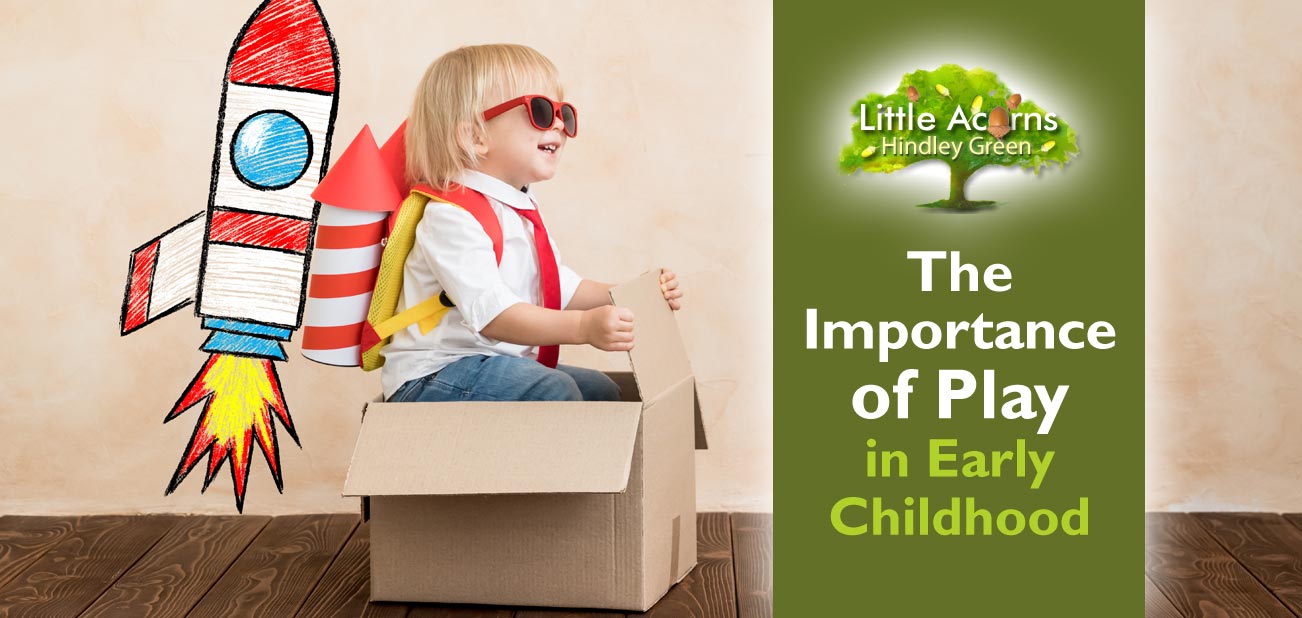
 One of the most widely accepted truths among professionals involved in ‘early years’ education is that play is incredibly important to children. That’s not just because it comes naturally to them and is fun; play is the key tool through which children learn about themselves, each other, and the world around them. Indeed, the act of playing benefits children in a wide array of profoundly beneficial ways, including socially, mentally, physically, and emotionally. With that in mind, today’s post highlights some of the many benefits of play to children, particularly in their early years. So, if you have a child under five, take a look and you’ll soon see why encouraging your little one to play in a variety of ways will bring out the very best in them and help set them up for life.
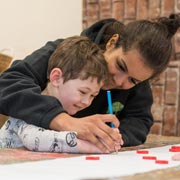
 One of the most obvious things about children’s play is that often it gets them exerting themselves physically, as they run, climb, jump, make, create, and construct. Such activities help them to master gross and fine motor skills, balance, movement, and coordination. All such skills are enhanced significantly through play and are a fundamental building block of children’s development.
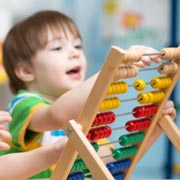
 Right from an early age, the act of playing helps in the development of young minds and even contributes to the rapid growth of new connections in the brain. This is true even for babies, whose key tool to learn about the world is through play, as they explore with their senses as well as by reaching out to grasp toys and objects around them.
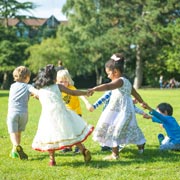 Whether playing with peers or with parents, the need to gradually master communication and language is imperative. Play helps that to happen in the most natural of ways. All the time they’re playing, children are naturally communicating, picking up new vocabulary, learning new phrases, getting to grips with grammar, and so on. Play is indeed a wonderful facilitator of communication and language.
 Playing is an integral part of every happy childhood. It’s fun and, put simply, makes children happy. That’s wonderful for children’s emotional and spiritual well-being and the importance of that cannot be overstated.
 As we have seen in this article, play benefits children in a completely holistic way. Play enhances their lives through a multitude of benefits that include improved skills and abilities, a deeper understanding of the world and society, solid friendships and the myriad of opportunities that all of that will bring. Play also fosters a deeper love of learning, because play makes learning enjoyable. Indeed, through play, children explore, discover, and learn instinctively — with zero ‘friction’. As such, play should be at the very core of every child’s learning and development journey.


















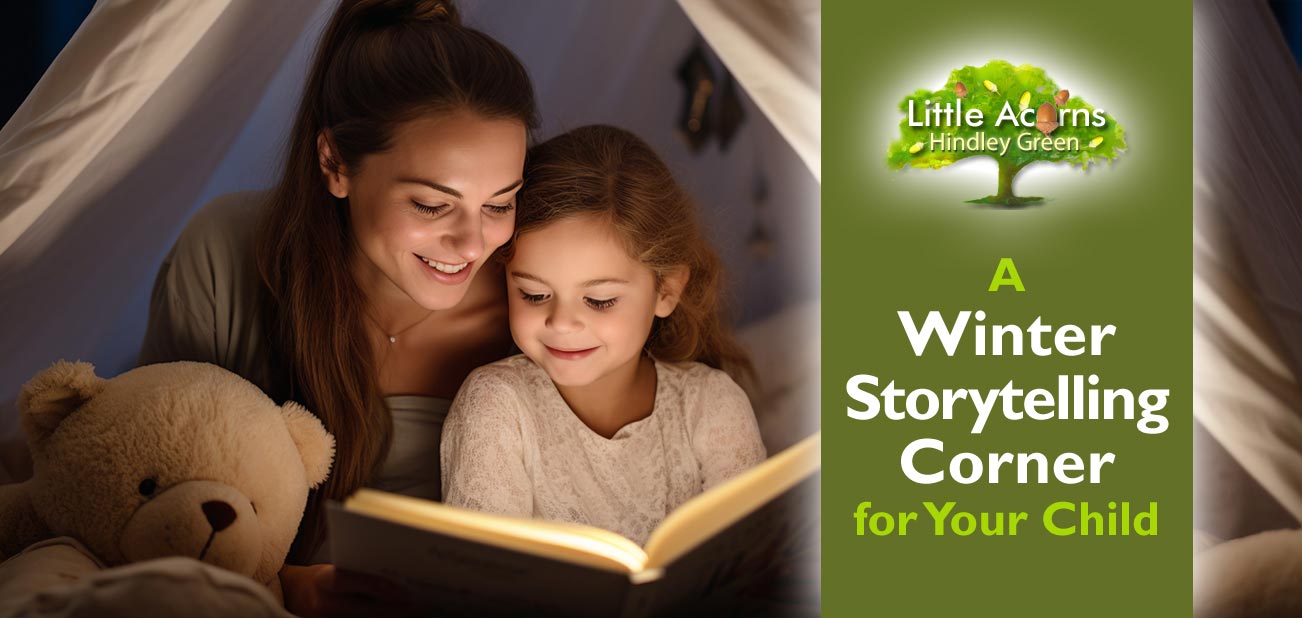
 Once winter arrives in December and cold winds start to breathe the landscape to sleep for a season, little ones will be less inclined to venture outdoors. Parents, too, will no doubt appreciate them avoiding the rain, cold, and inclement conditions that may occur. As such, winter is the perfect time to transform dreary days and dark evenings into a haven of warmth and cosiness indoors. An enchanting children’s activity that goes hand-in-hand with this is that of storytelling. With that in mind, today’s post guides you through the delightful process of creating a Winter Storytelling Corner tailored for the youngest members of the family. A storytelling corner is a wonderful way to make these winter nights cosy, magical, and filled with high-quality shared moments. Shared
  Start by selecting a cosy corner or nook in your home – for example, a secluded and quiet space somewhere that’s away from busy activity, cold draughts and suchlike. It will need to have somewhere comfortable for you and your child(ren) to sit or ‘nest’ once you get to the storytelling part. Once you’ve found somewhere suitable, it could be adorned with soft blankets, plush cushions, and perhaps even a few twinkling fairy lights. The goal is to create an inviting spot that beckons little ones and you, their parent or caregiver, to snuggle up and feel the warmth together as the winter tales unfold.
 Curate a collection of timeless winter stories that capture the spirit of the season. Consider classics like “The Snowman” by Raymond Briggs or “The Mitten” by Jan Brett. These stories, with their simple yet captivating narratives, are perfect for engaging young minds and sparking their imagination. These are just a couple of examples, though, and there are lots of winter-themed books to choose from, whether online, in book stores, in charity shops, or swapped amongst family or friends.
 Perhaps incorporate simple props that relate to the story. If the tale involves animals, have soft toy animals on hand for little ones to interact with as the story unfolds. Other alternatives are hand puppets and finger puppets. Try using them to act out characters from the stories as you read them, or get your child to do so. Adding an interactive and visual element in this way will encourage children to participate actively and immerse themselves in the storytelling process. This approach can be creative, captivating, and sometimes even comical. As such, this is very entertaining for children and will help to make the whole activity enjoyable and fulfilling.
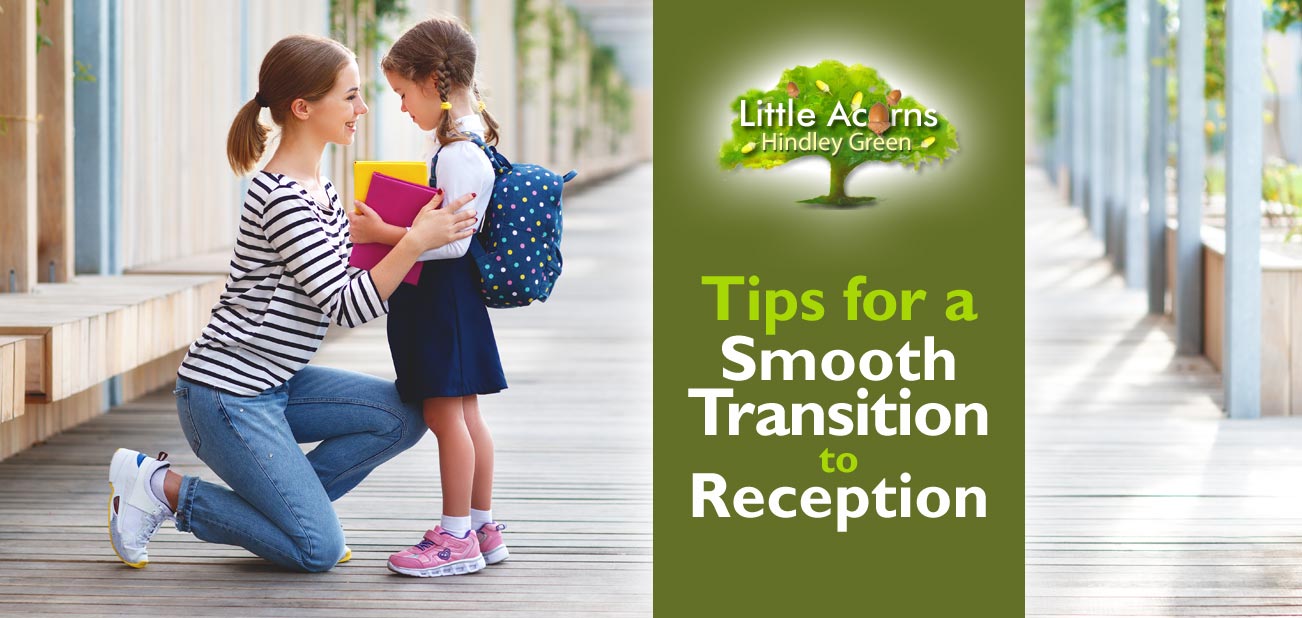
 The transition from preschool to Reception marks a significant milestone in any child’s life. It can be emotional for parents and, for children, it can be a period filled with excitement, curiosity, and perhaps a bit of apprehension. Ensuring a smooth transition involves a combination of careful planning, practical strategies and emotional support. With that in mind, today’s guide outlines more than twenty simple, actionable ways to ensure your child has a seamless transition and a positive start to school life.
 Use positive reinforcement to create a positive association with the idea of school. For example, highlight the exciting aspects of learning, making friends, playing new games, and discovering new things.
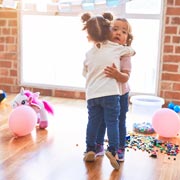 Organise play dates with future classmates to build social connections before the first day. Encourage interactions with other children to develop essential social skills. Attending a nursery, preschool, or playgroup will provide excellent opportunities for this.
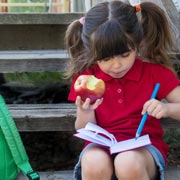 Foster self-reliance by allowing your child to perform simple tasks like dressing themselves, tidying up, using the toilet, and organising themselves. Also, assign small responsibilities to them at home to instil a sense of accountability and responsibility. Such skills will serve them well once at school.
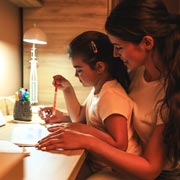 Read age-appropriate books together, particularly those that introduce topics they’ll be introduced to in Reception class. This not only sparks excitement and teaches them new things but also helps children understand what to expect. Instil a love for reading through interactive reading sessions. Visit the library too and explore a variety of books.
 Ensure that your child understands basic time concepts, such as morning, afternoon, and evening. This, in tandem with our next tip below, will help your child better understand the structure of the school day.
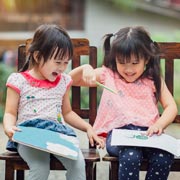 Ensure your child can manage basic self-care tasks independently. Such skills will be invaluable to them once they have started school.
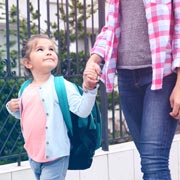 Ensure sufficient sleep by establishing a calming bedtime routine. This not only gets them used to a pattern but will also help them to maintain focus and energy levels once at school.
 The journey from preschool to the first day of school is a significant milestone for both parent and child. Preparing children for school involves a holistic approach that addresses emotional, social, and practical aspects. By incorporating these strategies into your family’s daily routine, you can contribute to a positive and confident transition for your child and set the stage for the most successful start to their school journey.

