


People often use the phrase ‘the miracle of life’ and, indeed, there seems to be a lot of truth in it when it comes to babies. Hidden within the evolution of these little beings are some facts and figures that many will find surprising. Some sound incredible until one delves deeper, and that’s exactly what we’re going to do in today’s Crazy Baby Facts exploration. So, perhaps grab a warm drink, take a seat for a few minutes, and get ready to be surprised…
Early Signs of Right-Handedness
 Did you know that the position newborn babies prefer to face when lying on their backs may be an indicator of whether they’ll be left- or right-handed? The thumb they suck is, of course, a similar indicator. The 85% of them who prefer to face right in the first few months and the 90% who suck their right thumb generally turn out to be right-handers — the same kinds of percentage of adults who are right-handers.
The Age From Which Infants Have Memories
How old are you in your earliest memory? The memory of infants is interesting in that their ability to remember long-term, ‘autobiographical’ memories of events — including what will later become their earliest memories — doesn’t occur until they’re around 3 to 4 years of age. Although they may be able to form memories of events, particularly emotional ones, a little earlier between the ages of 2 and 3, those memories tend to fade. We should mention, of course, that shorter-term memories, such as recognising caregivers and remembering where toys are, come much earlier.
Newborn Babies’ Hearts Race
While it’s common knowledge that adults have a typical resting heartbeat rate of about 60 to 100 beats per minute (bpm), for newborn babies in their first month, it’s much higher at 100 to 160 bpm. That said, it can be higher or lower — 70 to 190 bpm while awake — without necessarily meaning there is a problem. The range is usually lower while asleep, typically ranging between 90 and 160 bpm. As the child grows older, the range decreases further, with a typical rate being between 70 and 110 bpm by the time they’re around 7 to 9 years of age. [Source]
Should there be any concerns, it’s important, of course, to seek professional medical advice.
How Many Babies Are Born Every Hour?
Here’s another crazy baby fact: 15,981 babies are born every hour across the world. That equates to >266 new babies every minute, and 4.44 every second! It’s no wonder that the world’s population is growing (at +0.9% annually). [Source]
Where 53% of All Births Occur
 The locations where babies are born around the world are also very interesting. 5% of the world’s babies are born in Europe. What about the other 95%? Well, a staggering 52.9% of all babies are born in the continent of Asia, 30.7% across Africa, 10.7% in the Americas, and just 0.7% across Oceania.
Do Foetuses Really Have Gills?
There is some debate as to whether foetuses have gills at some point while they’re growing. The answer is sort of because they do grow pharyngeal arches, which look rather like gill folds, while in the womb. They’re not true gills, as such, however; it’s thought they may be a throwback to our very distant evolution from fish. What we do know is that what appear to be gill slits during the foetus’s early stages eventually evolve into parts of the baby’s mouth and jaw. [Source]
Foetuses Do Have Tails
We’re all born with a coccyx, the tailbone at the end of our spine. However, did you know that foetuses have tails with vertebrae during the early stages of development in the womb? These fuse together around the 7th to 8th week of gestation, the tail disappears, and only the coccyx is left by the time babies are born.
Foetuses Really Have Fur
While many parents are familiar with Vellus hair, the soft “peach fuzz” that newborn babies often have, many will not be aware that they were even more furry in the womb. Lanugo hair is a soft, fine, and usually colourless ‘fur’ that covers babies while in the womb, alongside vernix caseosa, the creamy covering that babies have when they’re born. Both protect the foetus and help to regulate its temperature while in the womb. However, the Lanugo hairs are usually shed before birth, around week 35, although a few babies are born with some, particularly if they’re born prematurely. [Source]
Taste Bud Superpowers
 Babies are born with many more taste buds than adults. They’re not only on the tongue either. Spread on the roof and sides of the mouth, tonsils, and throat, as well as on the tongue, it’s thought they’re super-abundant in babies to help them experience tastes in a highly sensitive way. This could be an evolutionary mechanism to help them identify safe and unsafe food sources. Some estimates put the number of babies’ taste buds as high as three times more than adults, although we have found conflicting reports about the exact numbers. Whatever the number, it decreases by the time a child reaches adulthood. Interestingly too, babies can’t taste salt until the age of about 4 months.
Bone Bonuses for Babies
Adults have 206 bones in their bodies. What you may not know, however, is that babies are born with somewhere between 275 and 300! As they grow older, some of these fuse together to become stronger and more solid, hence the number of bones reducing to 206 by adulthood. The bones in the skull are a great example.
No Tears for Newborns
The moment a newborn first cries is one that a parent never forgets. However, did you know that they don’t cry actual tears until they’re between one and three months old? Until then, it’s rather more like ‘dry crying’ than crying liquid tears, simply because their tear ducts take that long to mature.
Rapidly Expanding Brains
 Did you know that babies’ brains double in size in the first year alone, and triple in size by the time children are 5? Some experts believe that boys’ brains grow faster than girls’ brains in the first three months, but it’s inconclusive. Either way, brains don’t finish developing fully until the age of 21 and, even then, there is some scientific debate as to whether they continue developing even longer.
The Most & Least Popular Date for Births
More babies in England and Wales are born in September than in any other month, with 28 September being the most popular birth date of the year. In fact, it has appeared in the top ten dates for births for several years.
Boxing Day, on the other hand, is the year’s least popular day for births, with fewer babies being born on that date than on any other in the year. According to the Office for National Statistics (ONS)*, this has been the case for well over ten years.
How Many Children Mothers Have on Average
According to ONS data* for 2024 (the latest available at the time of writing), women in England and Wales have, on average, 1.41 children in their lifetimes. This is slightly lower than the preceding year and, indeed, there has been a downward trend for several years. That said, there are regional variations, with the West Midlands seeing the average number of children higher at 1.59 children, while the equivalent for London mothers is lower at just 1.35.
The Average Age of New Parents
Interestingly, the standardised mean age (SMA) of parents has gradually increased over the last two decades — parents are getting older, in other words. This increase in the age of parents has grown by just under 2 years for fathers, and just over 2 years for mothers, during those two decades. Latest ONS data*, at the time of writing, is for 2024, and shows the SMA for fathers in England and Wales at 33.9 years of age, and 31 for mothers. For just the first born child specifically, mothers gave birth at the age of 29.4 on average, although in London, it was higher at 31.1 years — the only region higher than the average age for England and Wales as a whole (31).
Incredible Breastfeeding Fact
 As well as many other benefits associated with breastfeeding, statistics show that babies who are breastfed for at least two months are half as likely to be at risk of Sudden Infant Death Syndrome (SIDS). As well as that, breastmilk passes on important antibodies to the infant, helps protect it from certain diseases and allergies, and even adapts to supply the exact calorific content the baby requires over time. Incredible!
Little Acorns Nursery
Are You Looking for High-Quality Childcare Services in Hindley Green, Wigan?

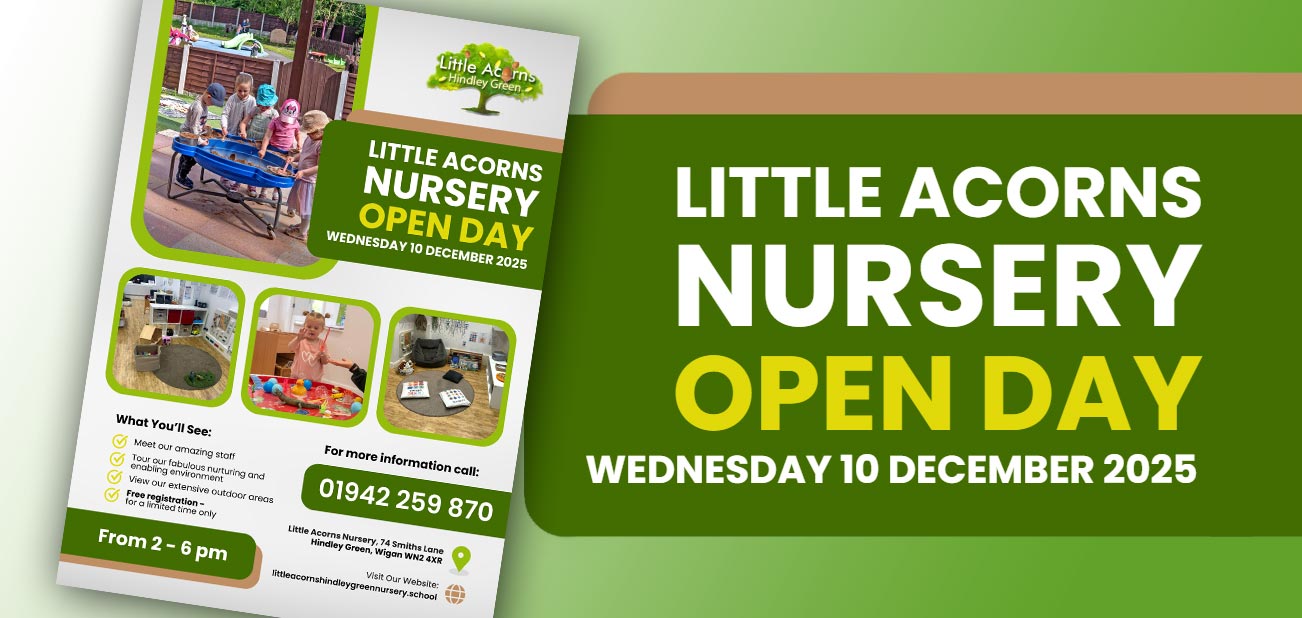
Today’s amazing baby facts were brought to you by the team at Little Acorns, a nursery in Hindley Green, near Wigan. As well as providing childcare services in Hindley Green and Wigan, we may suit families living nearby in places like Bolton, Ince-in-Makerfield, Platt Bridge, Westhoughton, Atherton, Leigh, Bickershaw, and Tyldesley. Free childcare hours are available here for eligible families aged from 9 months to 4 years.
Get in touch to start your child’s early years education at Little Acorns Nursery — ask a question, come for a guided visit, or start your child’s application today — we can’t wait to meet you and your little one!
* ONS data referenced in this article is available here.







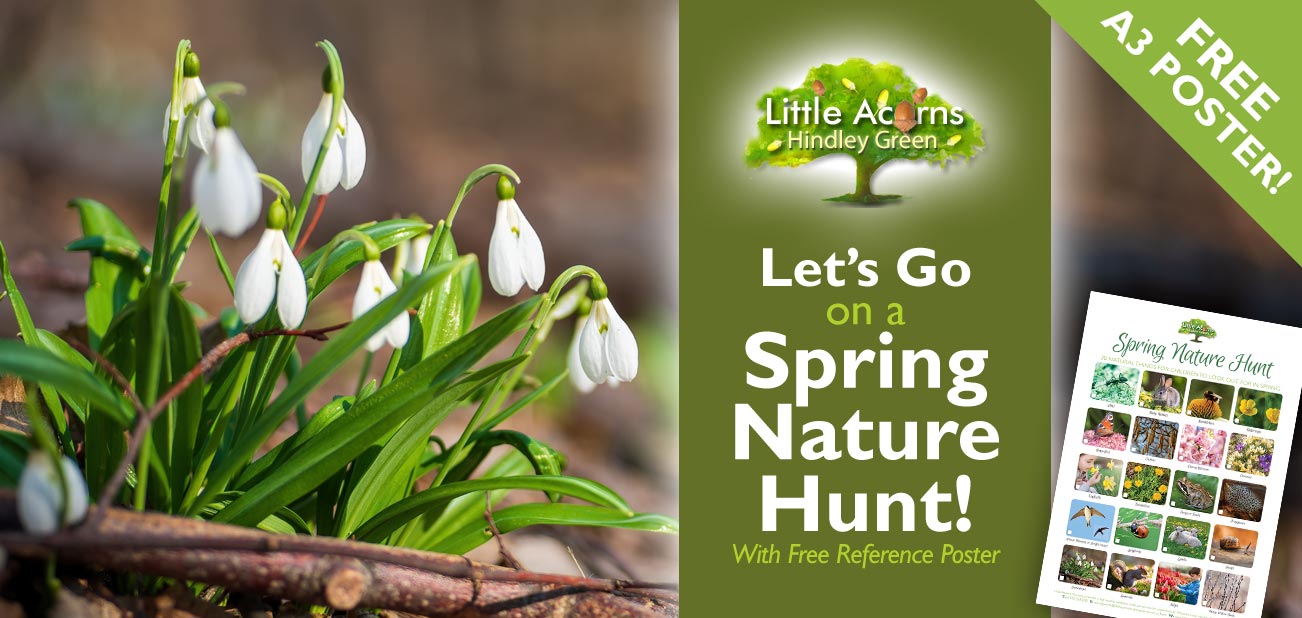
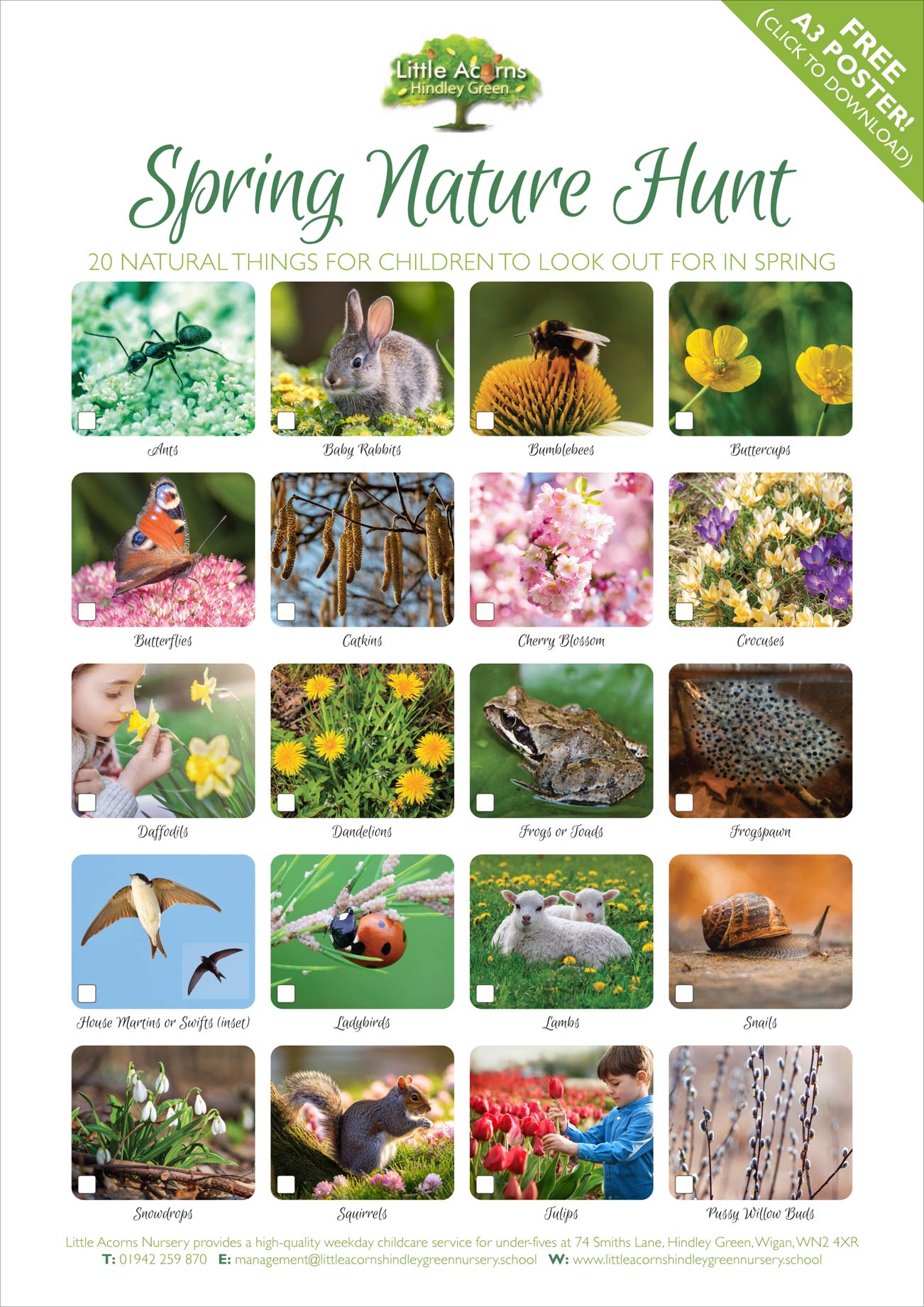

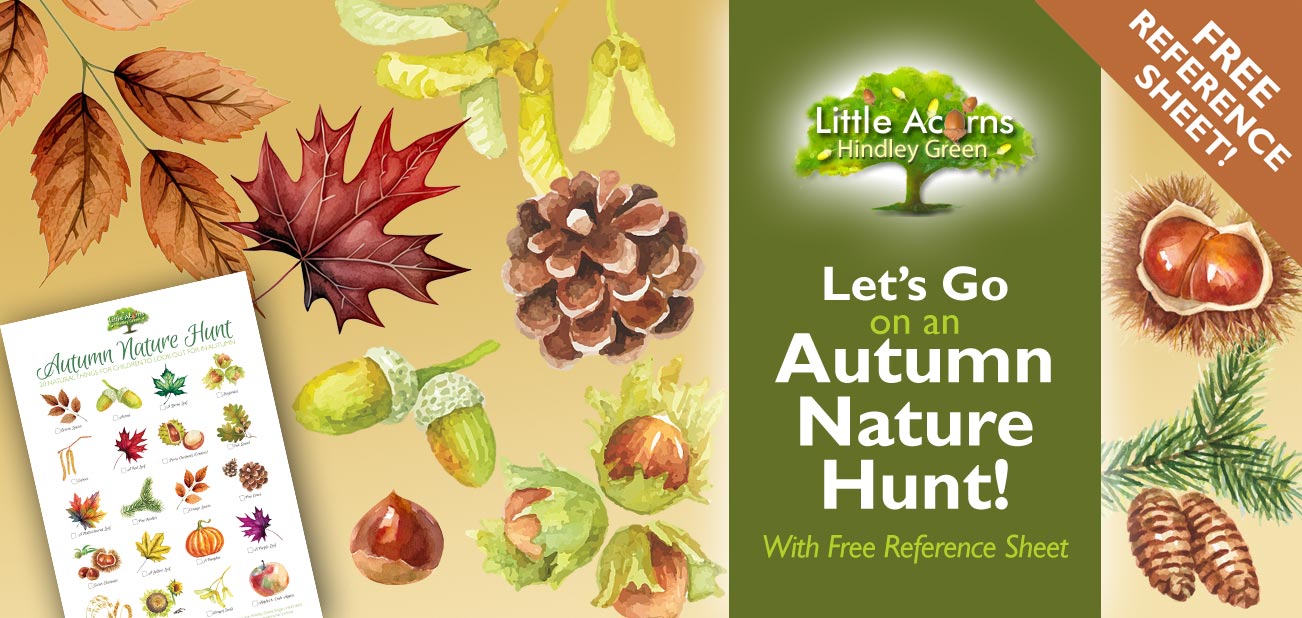
 Children love spending time outdoors in nature, so we give them ample opportunities to do so at

 World Book Day is a special charitable event, celebrated globally, that encourages children of all ages to discover the joy of reading. Why? Because reading has the power to substantially improve children’s lives. Schools, nurseries, and libraries across the nation make the day extra special for children through storytelling sessions, fancy dress, and book-related activities.
 Find time for your little one to read.
 Dress up as a favourite character! There’s no need for elaborate costumes; a simple hat, crown, or themed outfit inspired by a beloved book character can bring your child’s favourite stories to life.

 Families, set your diaries for the wildlife event of the year, which happens this January from Friday the 24th to Sunday the 26th inclusive. It’s free, takes just one hour, and allows children and adults to be part of the world’s biggest garden wildlife survey. During the event, families and individuals across the nation simply count the birds they spot in the garden, park, local green space, or even balcony over the course of 60 minutes. The results of hundreds of thousands of these surveys are compiled by the Royal Society for the Protection of Birds (RSPB) to build a picture of the health of the nation’s bird populations. It’s important scientific and ecological work and children can become citizen scientists if they simply take part. Learn more about the Big Garden Birdwatch and how to take part in today’s guide for families with children.
 Children will love being involved in this important nature-based activity. They’ll not only play their part in helping birds and nature, but they’ll also have fun and learn something along the way. They will discover some of the many wonderful feathered visitors who live in their neighbourhood and learn about some of the important issues affecting the natural world. They’ll begin to grasp the impact of humans on Britain’s flora and fauna and learn the importance of conservation and looking after the natural world around them. Through this endeavour, they’ll learn how they can make a positive difference. They will also become little citizen scientists! It’s fun, educational, and will give them a wonderful sense of achievement too. It may even change their outlook over the long term and help them think about their own impact on the planet, which is a wonderful outcome. And last but not least,
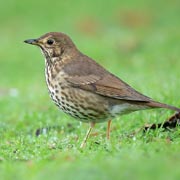 Once the chosen time and date arrive, all you/your children need to do is monitor birds landing on your chosen patch. Count those that actually land rather than any flying otherwise there’s a danger that one bird could be counted multiple times. What you need to record for the survey, though, is the largest number of each bird species that have landed at any one time during the hour. So, for example, if you spot two blackbirds that have landed at the same time in the first half hour, but later in the hour you can see 4 that have landed at the same time, then you need to record “4” for blackbirds.
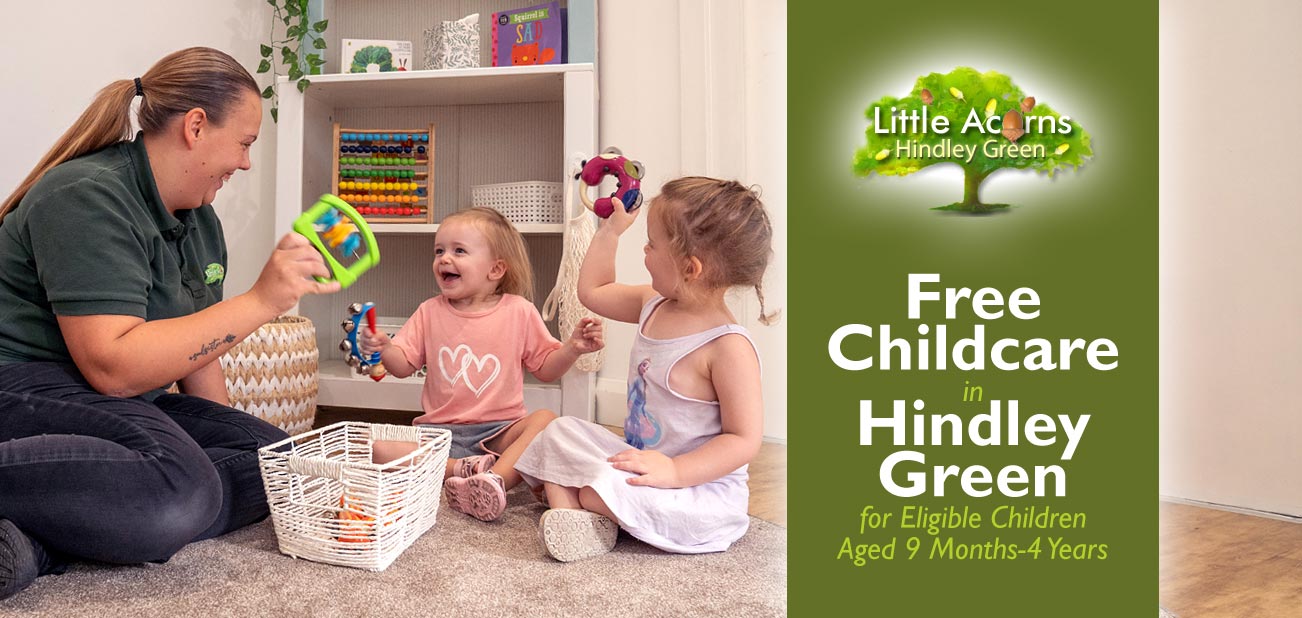
 Since September 2024, the number of free childcare hours available for eligible children aged 9 months to 2 years (inclusive) is 570 per year. This is usually taken as 15 hours per week over 38 term-time weeks of the year*. In further good news, the allocation is set to double to 1140 hours per year from September 2025, thereby aligning with what eligible 3 and 4-year-olds are already entitled to (see below).
 Meanwhile, a total of 1140 hours of free childcare is currently available for eligible children aged 3 and 4 each year. This is usually taken as 30 hours per week over 38 term-time weeks of the year*.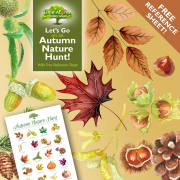


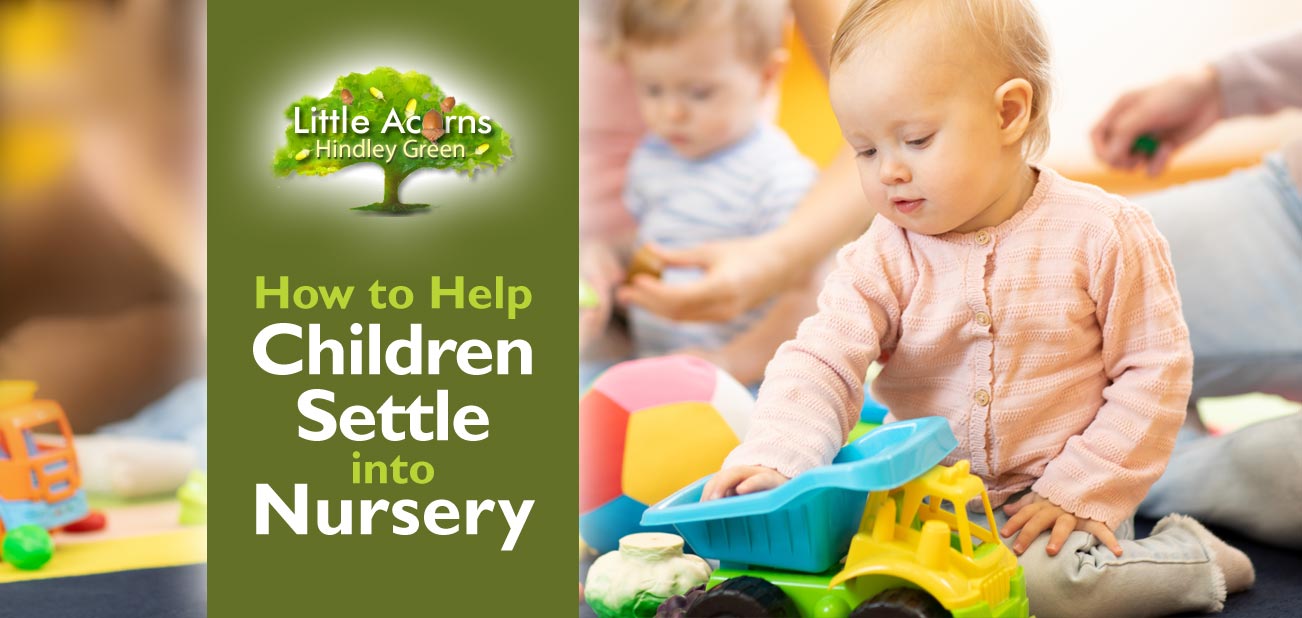
 Draw up a short list of possible settings for your child, having first whittled down the choices by
  If your child already has a friend or neighbour of a similar age who will also attend your chosen nursery, it can be very useful. Both children will then have a friendly face to play with from Day 1. If not, it should be easy enough to ask around to find out about other local children who will start at the nursery when your child does. Arranging play dates for them in the weeks running up to the start date will help each child familiarise themselves with one another, so they each have a friend or two at the nursery right from the start. It’s a great way of settling them in.
 Aside from the initial guided tours undertaken, we schedule 2 formal settling-in visits for children once a place has been offered. These hour-long settling-in sessions usually occur in the week before children are due to start at the nursery formally. They are both free of charge. Here’s how they are approached:
 Reassuring your child will also help them settle into nursery – so communication is key. This is true both before they start and once they attend, particularly at the beginning. Before starting, it’s important to ensure they know that changes will soon happen, what to expect when the time comes, and that it’s going to be a big adventure with lots of fun! Encourage questions and answer them sensitively. They also need to be reassured that you will always be there, behind the scenes, looking out for their best interests. And, of course, it’s crucial for them to know you’ll be there to pick them up at home time (don’t be late!).
 As we said previously in our
  Encourage children by celebrating their successes at the nursery. Whether it’s the successful completion of their first day, the first tear-free day, the making of a new friend or any other accomplishment, ensure you congratulate your child. This will give them a sense of achievement, reassure them that they’re doing well, and encourage them to keep attending and building on their progress.
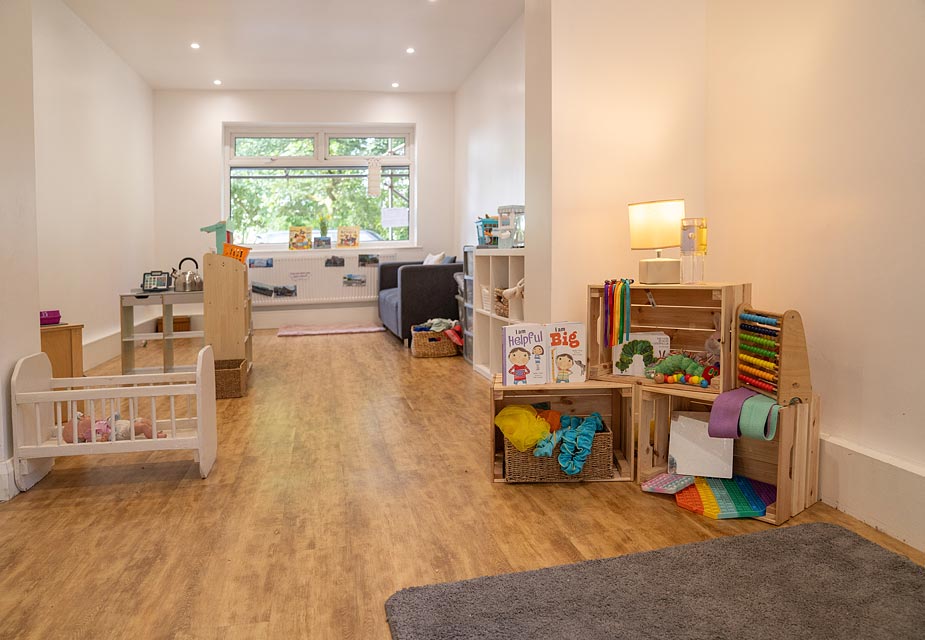
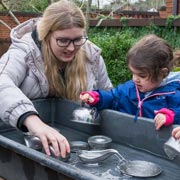 With children sometimes taking as many as 2, 3, or even 4 weeks to fully settle into a new nursery, it’s also important for staff to closely monitor and nurture them. That’s indeed exactly what we do at Little Acorns Nursery in Hindley Green. We ensure the setting is a home-from-home environment for children as much as possible. Children will feel valued, loved, listened to, and well cared for at Little Acorns. We’ll reassure them when they need it, communicate well with parents/carers, discuss any challenges and work to address them speedily and in the most effective ways. We have children’s best interests at heart, so parents can rest assured that their little ones are kept safe, happy and well and, even if not immediately, they’ll grow to love being at the nursery. A couple of recent testimonials prove the point beautifully (hover over them to pause):

